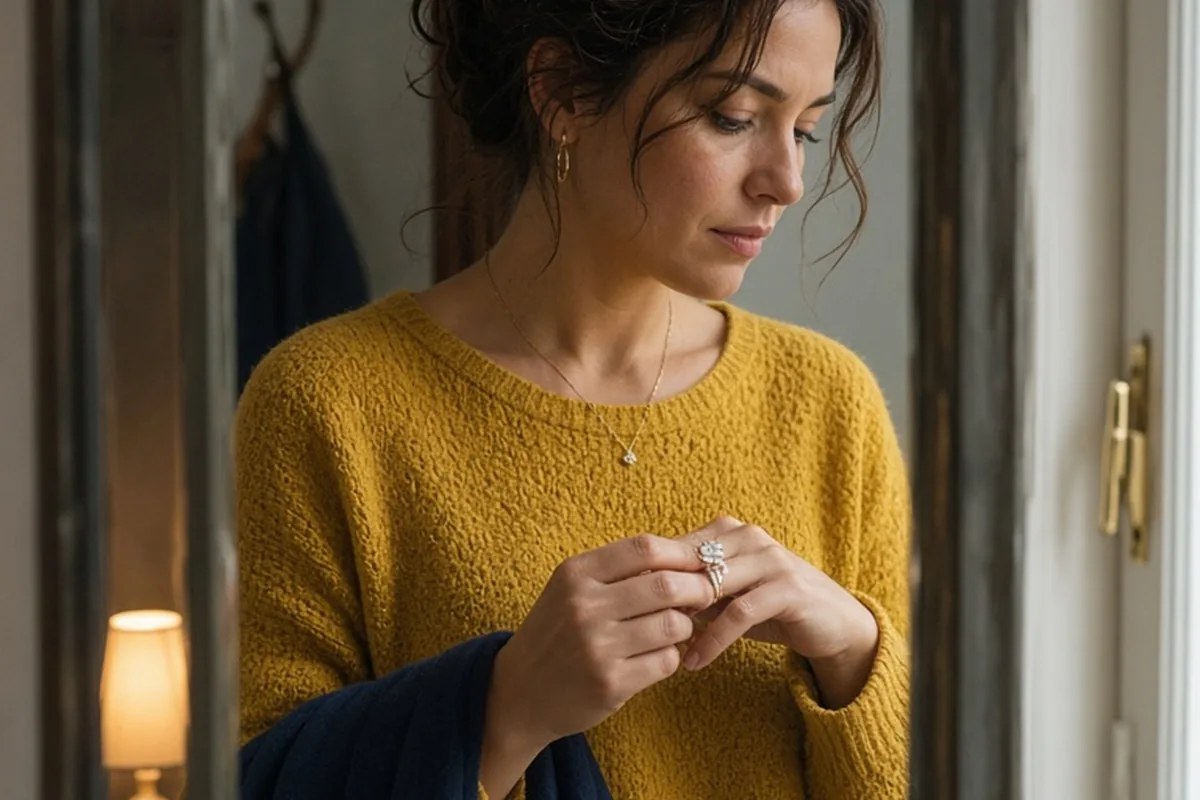
Engagement ring settings balance diamond visibility against everyday physical protection. Prong settings maximize light performance and sparkle but catch easily on fabrics and require periodic claw tightening. Bezel settings offer the highest security and snag-free wear for active lifestyles at the expense of side-profile illumination. Halos increase perceived stone size while adding cleaning complexity, and pavé bands introduce delicate accent stones that risk falling out over time if subjected to heavy impact or ring resizing.
Choosing an engagement ring setting shapes not only how a center gem looks on the hand, but also how well the piece withstands daily physical friction over decades of wear. The setting serves as both a design framework and an engineering foundation, dictating how much light enters the stone, how high it rests above the finger, and how frequently it requires professional bench maintenance.
Prong and Solitaire Mounts: Maximum Light Exposure Versus Daily Snagging
Prong settings remain the traditional standard for engagement rings because they elevate the center stone and use minimal metal, permitting light to enter from the top, sides, and bottom pavilion facets. In a standard four-prong or six-prong solitaire, slender metal claws grip the diamond at its girdle, lifting it above the band. The four-prong configuration gives the stone an open, slightly squarer appearance while leaving maximum surface area unobstructed. A six-prong head forms a more rounded perimeter and provides redundant mechanical support; if one claw bends or snaps, the remaining five prongs often keep the diamond in place until a bench jeweler can repair it.
The primary disadvantage of any prong mount is its mechanical vulnerability to friction, snagging, and structural deformation. High-set prongs frequently catch on loose knitwear, winter gloves, bedding, and pockets, which gradually pulls individual claws away from the diamond girdle. Platinum prongs tend to bend under force rather than snap, whereas white or yellow gold prongs can wear thin over years of contact and eventually shear off. Because prongs leave the diamond girdle exposed to blunt impacts, an accidental blow against a quartz countertop or metal door handle can chip the gem along its natural cleavage planes. Owners of prong-set rings must inspect their claws regularly and prepare for professional retipping every five to ten years.
Bezel and Half-Bezel Settings: Unmatched Protection With Stone Coverage Trade-Offs
A bezel setting secures the center stone by encircling its circumference with a continuous, custom-formed collar of precious metal that is burnished down over the diamond girdle. A half-bezel, or semi-bezel, leaves the east and west or north and south sides open while clasping the opposite edges with solid metal arches. Bezels create a sleek, low-profile silhouette that sits close to the finger, eliminating protruding claws entirely. This design provides the highest physical protection of any fine jewelry mount, shielding the fragile girdle from chipping and preventing the ring from catching on clothing, athletic gear, or latex examination gloves.
The principal trade-off of a full bezel is reduced light entry from the sides and lower half of the stone, which can slightly temper the diamond's peripheral fire, particularly in stones cut with shallower proportions. A bezel also conceals the outer rim of the gem, meaning that if a stone has an irregular girdle or slight perimeter inclusions, the setting conceals them effectively, but it can also make a diamond appear marginally smaller if the metal rim is unusually thick. Setting a diamond into a bezel requires high bench skill because the metal must be formed tight against the stone without exerting uneven pressure that could fracture the gem during fabrication. Once completed, a bezel is exceptionally difficult to modify if you ever decide to reset the stone into a different ring.
Halo and Hidden Halo Designs: Visual Amplification Versus Cleaning Complexity
Halo settings surround the primary gem with a concentric ring of smaller micro-pavé diamonds, creating the visual impression of a single, substantially larger center stone. A standard halo can add several millimeters of surface spread to the ring face, giving a modest center diamond an expansive profile without the steep price jump associated with higher carat weights. Hidden halos, which mount a miniature circle of accent diamonds along the vertical undercarriage of the basket just beneath the center stone, provide an understated side-angle sparkle without altering the top-down silhouette of the solitaire.
The downside of halo architecture centers on maintenance and cleaning demands. Halos incorporate numerous miniature stones, each held by tiny beads or micro-prongs that are vulnerable to loosening when the ring is dropped or knocked against hard surfaces. Furthermore, the tight gap between the underside of the main diamond and the halo frame forms a sheltered crevice that traps hand creams, natural oils, soap residue, and everyday dust. Over time, this buildup dulls both the center gem and the melee diamonds, requiring frequent cleaning with a soft brush or professional ultrasonic baths. If an accent diamond falls out, finding a replacement stone of identical color, clarity, and millimeter calibration requires precise sourcing from a jeweler.
Pavé, Channel, and Flush Accent Styles: Peripheral Sparkle Versus Structural Longevity
Accent bands incorporate diamonds directly into the ring shank using distinct setting techniques that alter the ring's texture and resilience. Pavé settings, named after the French word for paved, secure continuous rows of small diamonds with miniature beads raised from the band metal. Micro-pavé and French-cut pavé maximize brilliance by minimizing metal visibility between stones, creating a continuous ribbon of fire. Channel settings, by contrast, slide a row of uniform diamonds between two continuous metal rails without individual prongs, while flush or burnish settings sink each gem into a drilled hole within the band and burnish the metal flush with the surface.
Each accent style presents distinct longevity trade-offs. Pavé bands are notoriously delicate; rigorous physical activity, heavy lifting, or accidental impacts can dislodge the tiny beads and cause melee stones to pop out. Resizing a full-eternity pavé band is often impossible without compromising the structural integrity of the seats, meaning the ring must be completely remade if finger size changes. Channel settings offer vastly superior protection against impact and snagging, making them ideal for practical wear, but the metal channels can trap lotion and grime that is difficult to dislodge from behind the stones. Flush settings offer the most durable wear profile of all accent designs because no stone edges project above the metal, though they yield a subtle, low-key shimmer rather than high-intensity brilliance.
Cathedral, Tension, and High-Profile Architecture: Elevating Presence Versus Impact Risk
The architectural structure supporting the head of an engagement ring changes both its profile view and its mechanical behavior. A cathedral setting features arches of precious metal that rise from the shank to meet the central basket, elevating the center gem and giving the ring a sculptural, traditional profile. Tension settings take an entirely different structural approach, suspending the diamond in midair using the calibrated spring-force compression of the metal band itself, with small grooves cut into the metal walls to grip the gem along its girdle without traditional prongs or bezels.
Cathedral settings add structural reinforcement to the head, reducing the risk that the central basket will snap off if struck from the side. However, their raised height increases the frequency of accidental collisions with doorframes, desks, and car doors. Tension settings provide unobstructed views of the stone from every angle, but they represent one of the most restrictive choices in bridal jewelry. Only gems with high Mohs hardness, primarily diamonds, sapphires, and rubies, can safely withstand the immense inward pressure of a tension mount. Furthermore, genuine tension rings cannot be resized by standard bench methods because altering the circumference disrupts the spring tension holding the gem, requiring the piece to be returned to the original manufacturer or entirely remelted.
Aligning Setting Types With Daily Movement, Hand Habits, and Work Realities
Choosing an engagement ring setting requires an honest appraisal of your daily routine, occupation, and tactile habits. Individuals who work in healthcare, laboratory environments, hospitality, or childcare frequently wear and discard protective gloves, wash their hands dozens of times a day, or handle delicate equipment. For these lifestyles, high-profile prong rings and sprawling multi-stone halos pose persistent practical hurdles, tearing nitrile gloves, trapping biological contaminants, and scratching sensitive skin. A low-set bezel, semi-bezel, or flush-set band integrates seamlessly into high-contact occupations without constant worry.
Conversely, if your daily environment is primarily administrative or low-impact, a classic prong, cathedral, or delicate pavé setting can thrive with basic mindfulness. It is also essential to match the setting to the physical properties of the chosen center stone. While a diamond rates at 10 on the Mohs hardness scale and resists surface scratching, softer colored gemstones like emeralds, tanzanites, or opals are brittle and possess internal fissures that shatter under blunt trauma. Softer gemstones should rarely be placed in high-profile, exposed four-prong mounts; they require protective bezels, deep baskets, or halo halos that physically buffer their fragile edges from side collisions.
Long-Term Bench Repairs, Resizing Flexibility, and Metal Wear Considerations
Every engagement ring setting experiences wear from friction, hand chemistry, and accidental impacts over decades of continuous contact. When evaluating settings, factor in the maintenance costs and structural adjustments that will inevitably arise. Plain solitaire prong rings are the easiest and most economical settings to resize, adjust, and repair because a jeweler can cut the bottom of the shank, insert or remove metal, and restore the circular contour without disturbing the stone mount. Conversely, intricate split-shank, three-quarters pavé, and tension designs demand specialized laser welding, and significant size adjustments can warp stone seats or loosen accent gems across the band.
Metal choice also interacts directly with setting durability. Platinum is naturally dense and malleable; when struck, its surface metal shifts microscopically rather than chipping away, meaning platinum prongs hold center stones securely for longer stretches before needing material built back up. White gold, yellow gold, and rose gold are alloyed for rigidity, meaning they hold sharp decorative details crisp over time, but their claws thin down as metal is worn away through daily friction. Rhodium-plated white gold settings also require periodic replating to maintain a bright mirror finish, especially along the high-friction undersides of prong baskets and accent channels.
Frequently asked questions
Which engagement ring setting is the most secure for everyday wear?
A full bezel setting is the most secure choice for everyday wear. Because a continuous rim of precious metal encases the entire diamond girdle, there are no exposed edges to chip and no delicate claws that can snag on clothing or bend open under physical impact.
How often should an engagement ring setting be checked by a bench jeweler?
Professional jewelers recommend having engagement ring settings inspected every six to twelve months. Regular checkups allow the bench jeweler to examine prongs under magnification, ensure accent stones are seated firmly, and perform deep ultrasonic cleanings to clear abrasive dirt buildup.
Can any engagement ring setting be resized in the future?
Not all settings can be resized easily. Simple solitaire prong settings and half-bezel bands are generally straightforward to adjust, but tension settings, full-eternity pavé bands, and certain channel-set rings cannot be altered without compromising the structural integrity of the diamond mounts.
Does a four-prong setting make a diamond look different than a six-prong setting?
Yes, prong count changes the visual silhouette of a center diamond. A four-prong setting exposes more surface area and can give a round brilliant diamond a slightly squarer appearance, whereas a six-prong setting preserves a true round outline while offering added protection against stone loss.
Your next step
Inspect your hands-on daily habits and occupational needs, then schedule an in-person consultation with an independent bench jeweler to examine how your preferred setting styles sit against the finger before purchasing.