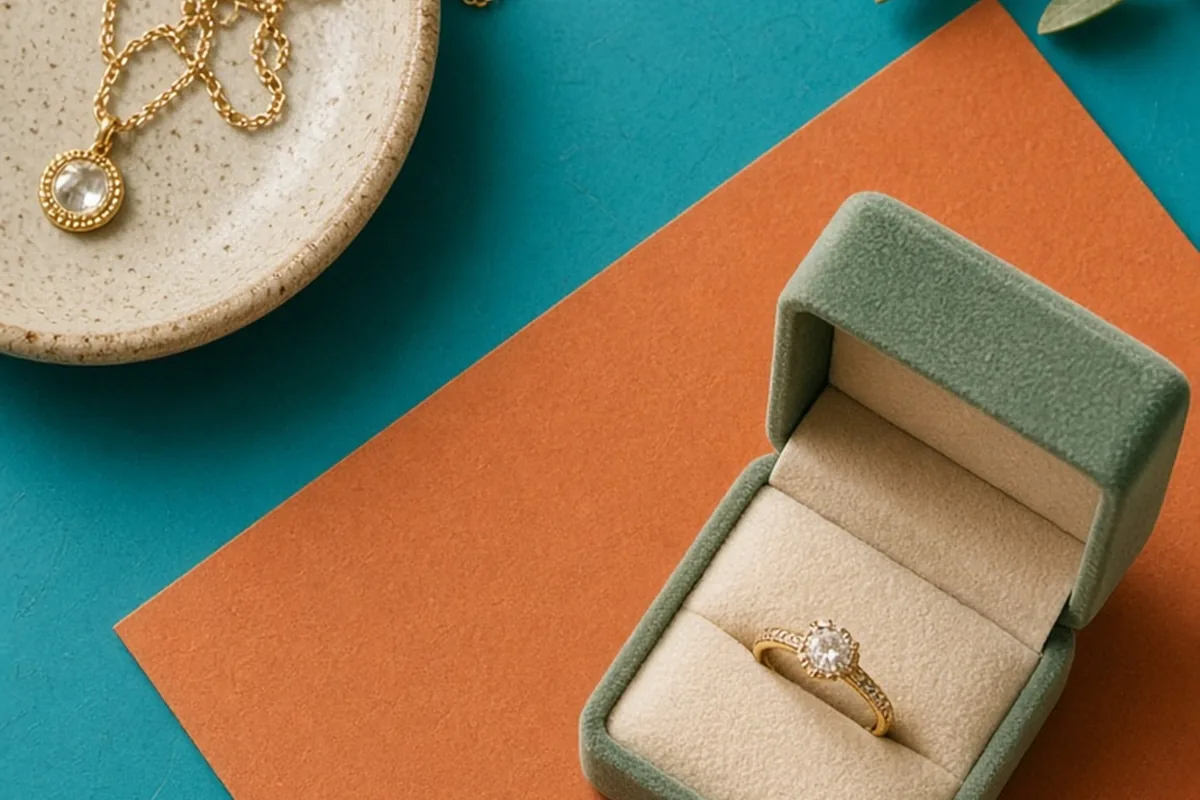
Engagement rings offer a universally recognized symbol of commitment, lasting sentimental value, and an enduring heirloom, but they also introduce substantial upfront financial expenses, daily maintenance demands, risk of loss or theft, and potential lifestyle friction. Deciding whether to buy a traditional ring, choose an alternative gemstone, opt for simple wedding bands, or redirect funds toward shared long-term life goals depends on your personal financial priorities, aesthetic preferences, and daily physical routines.
Deciding how to approach an engagement ring is often one of the first major financial and symbolic choices a couple navigates together, setting the tone for future partnership planning.
Emotional Significance and Tradition: The Case for Engagement Rings
The primary appeal of an engagement ring lies in its role as a tangible, enduring emblem of partnership. For generations, presenting and wearing a ring has served as a clear milestone marking the transition from dating to an intentional promise of marriage. This physical object acts as a daily reminder of shared devotion, providing emotional comfort and grounding during the busy lead-up to a wedding. For many couples, the ceremonial aspect of giving or exchanging a ring carries deep romantic weight that words or non-physical gestures cannot entirely replace.
Beyond individual sentiment, an engagement ring functions as an unambiguous social marker. It communicates marital intent to extended family, friends, and the broader public without requiring verbal explanation. In many cultural and family traditions, an engagement ring is also viewed as a future heirloom. High-quality precious metals and durable stones can withstand decades of wear, allowing pieces to be passed down to children or relatives as cherished family artifacts that gather history and personal meaning over generations.
Selecting or designing an engagement ring also offers an outlet for artistic expression and personalization. Customizing the band, selecting a specific cut, or incorporating meaningful design motifs allows a couple to encapsulate their personal story within a piece of fine jewelry. For those who appreciate craftsmanship and aesthetics, wearing a well-crafted ring brings daily personal enjoyment and pride in the artistry behind the piece.
Financial Pressures and Opportunity Costs: The Main Drawbacks
The most prominent drawback associated with traditional engagement rings is the upfront financial cost. Fine jewelry built with precious metals and high-grade stones represents a significant capital expense. When couples commit substantial savings toward a ring, those funds are no longer available for other pressing financial priorities, such as establishing an emergency fund, eliminating high-interest debt, saving for a home down payment, or funding career development. This allocation can create immediate budget strain or force compromises on other life goals.
Another critical reality is that engagement rings are generally illiquid assets that do not function as reliable financial investments. The retail price of jewelry includes substantial markups to cover gemstone cutting, setting labor, retail overhead, and brand marketing. If a ring must be resold later due to financial hardship or changing preferences, secondary market offers from jewelers or pawnbrokers typically fall well below the original retail purchase price. Relying on an engagement ring as a store of monetary value is therefore financially unrealistic.
Furthermore, marketing narratives and societal comparisons can exert subtle pressure on buyers to overspend beyond their true comfort zone. Old retail slogans promoting arbitrary spending rules based on salary multiples continue to linger in popular culture. When individuals feel compelled to match external expectations rather than their genuine balance sheet, ring shopping can introduce early financial tension into a relationship rather than serving as a purely joyful milestone.
Daily Practicality, Physical Safety, and Long-Term Maintenance
Daily wearability presents a practical hurdle that many buyers overlook during the excitement of shopping. Solitaire rings with high-set center stones can easily catch on clothing, knitwear, bedding, and protective gloves. For individuals working in healthcare, physical therapy, construction, culinary arts, or laboratory environments, wearing an elevated stone ring is often uncomfortable, unhygienic, or strictly prohibited by workplace safety guidelines. Active hobbies such as rock climbing, swimming, gardening, and weightlifting also require frequent removal to prevent damage or injury.
The risk of physical damage, loss, or theft introduces ongoing psychological worry. Fine jewelry worn on the hand is exposed to hard impacts, abrasive surfaces, and chemical cleaners. Dropping a ring on tile or knocking it against a metal doorframe can chip stones or bend metal prongs. Traveling with expensive jewelry can also induce stress regarding hotel room security or accidental loss during outdoor excursions, leading many owners to leave their rings at home or purchase separate travel replicas.
Maintaining a fine ring requires regular attention and periodic financial investment. Over time, metal prongs wear down and must be retipped by a jeweler to prevent center stones from falling out. White gold settings require periodic rhodium replating to restore their bright white finish, while platinum and yellow gold benefit from professional polishing. Additionally, natural fluctuations in finger size due to temperature changes, weight shifts, or pregnancy often require professional resizing to ensure the piece fits securely.
Comparing Mined Diamonds, Lab Stones, and Alternative Gemstones
Evaluating engagement rings requires understanding the trade-offs among different center stone categories. Traditional mined diamonds remain the historic baseline due to their superior hardness, scratch resistance, and timeless cultural recognition. However, mined diamonds come with the highest retail pricing and historic concerns regarding supply chain transparency. Buyers seeking classic aesthetics without the premium price tag frequently look to modern diamond alternatives that offer distinct practical advantages.
Lab-grown diamonds have emerged as a prominent alternative, offering the exact physical, chemical, and optical properties of mined diamonds at a substantially lower cost. Because they share the same mineral hardness, lab diamonds deliver identical everyday durability and brilliance. The trade-off lies in market trends: because manufacturing supply continues to scale, lab-grown diamonds do not retain secondary market pricing over time. For buyers focused on aesthetics, wearability, and immediate budget efficiency rather than resale value, lab diamonds provide an appealing compromise.
Colored gemstones and moissanite offer another avenue with unique benefits and limitations. Moissanite provides exceptional fire and near-diamond hardness, making it well-suited for daily wear at a fraction of the cost. Natural sapphires and rubies offer rich color and high durability, ranking just below diamonds on the mineral hardness scale. Conversely, softer stones such as emeralds, opals, pearls, and morganite are prone to scratching, cracking, or clouding under daily wear and exposure to hand soaps, making them less practical for permanent, lifelong engagement pieces.
Minimalist Bands and Ringless Proposals: Modern Alternatives
An increasing number of couples choose to bypass traditional engagement rings altogether, opting instead for simple, durable wedding bands made of yellow gold, platinum, or contemporary metals like titanium and tungsten. Plain or low-profile bands eliminate the snagging hazards of protruding stones, require virtually no routine prong maintenance, and significantly reduce initial expenditures. This approach appeals to pragmatists who want a recognizable marital symbol without the fragility or expense of high-set jewelry.
For those with highly physical lifestyles, silicone bands have become a popular everyday substitute. While inexpensive silicone rings do not carry the heirloom quality of precious metals, they provide complete safety in manual professions, will tear away under heavy machinery snag hazards, and can be replaced effortlessly if lost. Many couples choose to wear silicone bands daily while reserving their traditional metal rings for special occasions, formal events, or quiet weekends.
Couples may also decide to redirect the entire ring budget into alternative shared investments that deliver lasting experiential or foundational value. Allocating funds toward an extended honeymoon, a real estate deposit, starting a business, or establishing a joint investment portfolio creates mutual utility that some partners value far more than personal adornment. The key to this decision is ensuring both individuals share the same perspective and feel completely fulfilled by the unconventional choice.
How to Navigate the Engagement Ring Choice as a Partnership
Making a confident decision regarding an engagement ring begins with direct, transparent communication between partners. Rather than guessing ring sizes, aesthetic tastes, or spending comfort in secret, discussing expectations openly eliminates financial misunderstandings and post-purchase regret. Talking through lifestyle needs, daily work environments, and aesthetic preferences ensures that whatever choice you make aligns with real-world routines rather than idealized imagery.
When exploring jewelry purchases, comparison shopping across multiple reputable vendors provides valuable perspective on quality and pricing structures. Local independent jewelers often excel at personalized service, custom design modifications, and ongoing maintenance support, while direct-to-consumer online retailers may offer competitive pricing and extensive digital inventories. Requesting clear documentation, including independent grading reports for certified stones and written warranty terms, protects your purchase against manufacturing defects.
Finally, ensure that any chosen ring is properly protected before it enters daily rotation. Contacting an insurance provider to discuss dedicated jewelry riders or standalone policies covers accidental loss, theft, or catastrophic damage. Verifying the policy details—such as whether the coverage allows you to choose your own repair jeweler and whether worldwide travel is included—ensures peace of mind regardless of the ring style or material you choose.
Frequently asked questions
Is it acceptable to get engaged without a traditional diamond ring?
Yes, choosing alternative gemstones, simple metal bands, or non-jewelry proposals is entirely acceptable and increasingly common. The choice depends on personal preferences, budget priorities, and practical lifestyle requirements rather than external conventions.
How do lab-grown diamonds compare to natural diamonds in durability?
Lab-grown diamonds are chemically and physically identical to mined diamonds, sharing the exact same level of hardness and scratch resistance. They withstand daily wear just as effectively as natural stones while offering significant upfront price savings.
What happens if an engagement ring setting gets damaged over time?
Most setting damage, such as loose stones, bent prongs, or surface scratches, can be repaired by a qualified jeweler. Having your ring inspected annually ensures that structural wear is caught early before a center stone is lost.
Your next step
Schedule a candid conversation with your partner to define a comfortable spending boundary and review daily lifestyle needs before visiting jewelers or researching specific stone types.