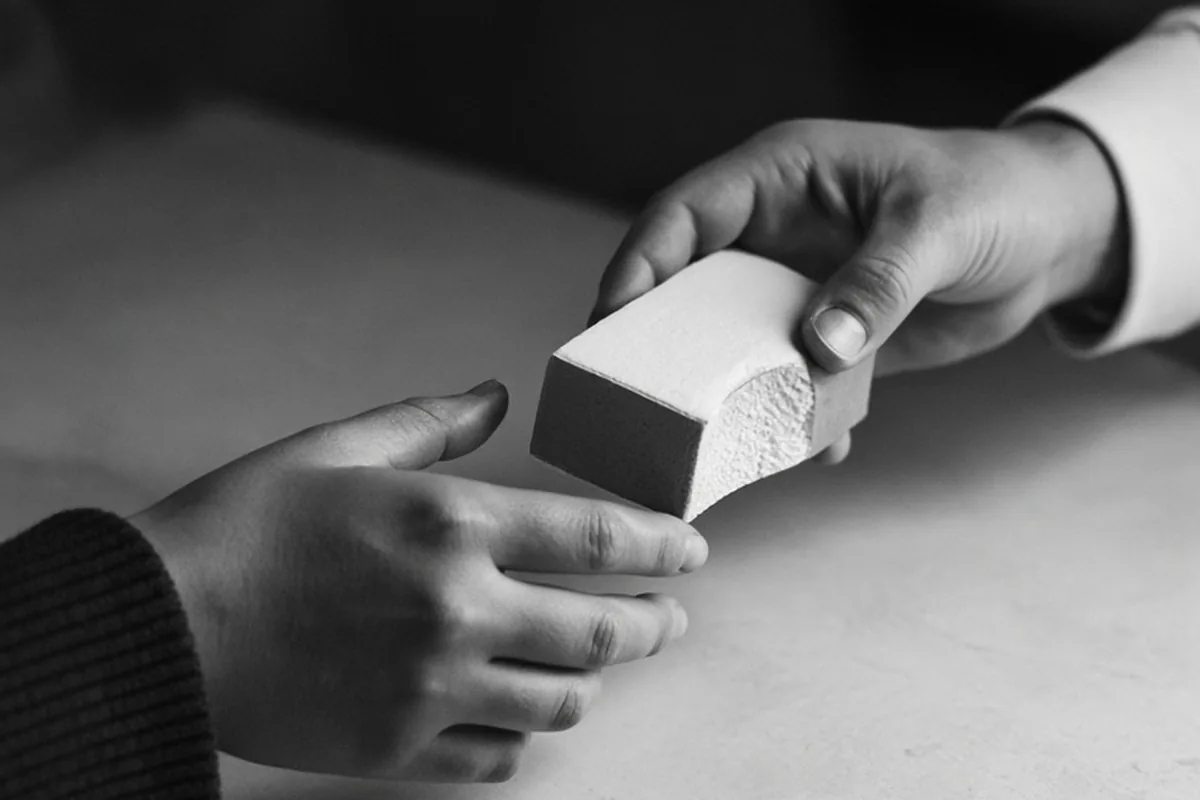
A fake wedding cake for cutting saves money when you pair a highly decorative styrofoam display tier with plain kitchen sheet cakes, avoiding structural baking labor. However, real savings only materialize if the decorator's labor discount exceeds the combined cost of the foam dummy, kitchen sheet cakes, and unavoidable venue plating fees. To secure genuine savings, compare an itemized dual quote before committing.
Couples often look for creative ways to preserve classic reception traditions without overspending on an elaborate centerpiece that largely goes uneaten. Utilizing a faux display cake equipped with a discreet cutaway for the ceremonial slice offers a compelling alternative to traditional multi-tiered pastry construction.
How a Faux Cutting Cake and Kitchen Sheet Cake System Operates
The ceremonial cake cutting remains one of the most photographed moments of a wedding reception, yet the mechanics of serving a massive multi-tiered cake often conflict with reception timelines and budgets. A faux cutting cake system separates visual presentation from dessert service. The bakery constructs an elaborate exterior using lightweight expanded polystyrene foam tiers, stacking and decorating them with royal icing, rolled fondant, or textured faux paste. To preserve the traditional cake-cutting photograph, the decorator carves a small rectangular recess into the bottom or second tier, inserting an edible slice of real cake covered with matching frosting. During the reception, the couple cuts into this exact designated slot, feeds each other a bite, and steps away for dinner and dancing.
Behind the scenes, the catering staff or banquet crew bypasses the display table entirely. Instead of attempting to disassemble a complex, dowel-reinforced structure under dim reception lighting, kitchen staff cut and plate uniform kitchen sheet cakes that were delivered directly to the back of house. These sheet cakes feature identical cake sponge and filling flavors but lack the labor-intensive structural dowels, hand-piped detailing, or delicate sugar floral work displayed out front. Guests receive fresh, properly chilled slices quickly and efficiently, while the faux showpiece remains intact on display throughout the evening.
The Core Savings Checklist: Line Items to Compare Before You Order
Assuming that a fake cake is automatically a budget-friendly choice is a common planning miscalculation. Decorators base a significant portion of their pricing on the hours required to decorate, sculpt, and finish a cake rather than simply the raw ingredients of flour, butter, and eggs. To determine whether this approach will genuinely lower your reception expenses, you must audit the individual bill components that make up the total presentation and dessert service.
Requesting an itemized comparison from your prospective baker is the most dependable way to see where dollars shift between structural labor, raw materials, and presentation elements. Use this itemized checklist to evaluate quotes side by side:
- Foam dummy construction and carving fees: Check whether the baker charges a flat fee for the foam forms, including the labor required to carve out the secret edible wedge box.
- Artisan decorating labor: Confirm the hourly or tier-based decorative rate, noting that applying fondant, hand-painting, and attaching delicate sugar flowers requires identical artisan time on foam as on sponge.
- Display cake rental versus outright purchase: Clarify whether the decorator rents pre-made faux tiers that return to the shop or if you are purchasing a custom-decorated dummy you must keep or discard.
- Kitchen sheet cake volume and portion pricing: Calculate the cost per serving for plain, undecorated sheet cakes prepared by the same bakery or an outside commercial kitchen.
- Delivery, stacking, and box return logistics: Account for separate delivery windows, specialized transit boxes, and return deposits required for rental display bases or dummy supports.
- Catering staff plating and service fees: Review your venue or caterer contract for mandatory per-person cake-cutting charges, which are frequently billed regardless of whether the cake came from a display tier or a sheet pan.
Where Faux Cakes Deliver Genuine Savings Versus Hidden Expenses
Faux wedding cakes deliver their highest return on investment when your dream aesthetic involves towering height, intricate structural architecture, or labor-intensive exterior surfaces. When a baker builds a five-tier real cake, they must spend hours baking level tiers, chilling them repeatedly, building internal wooden or plastic dowel support networks, and stabilizing rich fillings that risk melting or shifting during transit. By substituting lightweight foam for structural cake tiers, the baker eliminates the anxiety of collapse and structural reinforcement. If you desire a grand visual centerpiece with multiple cascading tiers, faux construction significantly reduces structural labor charges while sheet cakes efficiently cover the dessert portion count.
Conversely, savings diminish rapidly if your intended design is minimalist, rustic, or frosted in textured buttercream. A simple three-tier real cake frosted in smooth buttercream requires relatively little assembly time. If you ask a baker to decorate three tiers of styrofoam in plain buttercream and simultaneously bake three sheet cakes to feed one hundred guests, you are essentially paying for two separate products: the finished foam display and the sheet cakes. Because foam dummy forms carry their own wholesale acquisition costs, a low-detail faux cake plus sheet cake package can end up matching or even exceeding the price of an all-real buttercream tiered cake.
Venue Plating and Service Fees That Erode Sheet Cake Savings
A critical budget oversight happens outside the bakery altogether: the venue or caterer service contract. Many independent wedding planners and couples assume that bringing in simple sheet cakes circumvents traditional dessert costs. However, banquet halls, private clubs, and full-service caterers routinely assess a cake-cutting or plating fee billed on a per-guest basis. This fee covers banquet staff labor, slicing, coordinating dessert forks and plates, and cleaning the station afterward.
In most catering agreements, this fee applies universally whenever dessert comes from an outside licensed bakery, regardless of whether the kitchen staff slices a five-tier tiered masterpiece or unboxes a grocery store sheet cake. If your venue charges a mandatory per-person plating fee, serving sheet cakes will not eliminate that operational overhead. Before finalizing any dessert strategy, ask your catering coordinator directly whether their cake-cutting fee applies to sheet cakes pre-cut in the back kitchen. Some venues offer reduced service charges if sheet cakes arrive pre-portioned on disposable trays, while others apply a fixed rate across all guest counts.
Construction and Design Choices for a Flawless Cutting Ceremony
Executing a convincing cake-cutting ceremony with a dummy cake requires precise design coordination between your decorator and the banquet team. The edible pocket must be completely undetectable to guests sitting several feet away, yet unmistakable to the couple holding the ceremonial knife. Most skilled bakers carve a notch into the lower tier just large enough to fit an individual cupcake or a single, neatly trimmed wedge of cake. The baker covers this cutout with a thin drape of matching fondant or piping that blends seamlessly into the surrounding surface. To prevent awkward fumbling in front of the camera, ask the baker to mark the cutting zone with a subtle indicator, such as a tiny pearl pin, a faint frosting dot, or a placement directly behind a specific flower stem.
Material compatibility also dictates how well the faux centerpiece performs throughout a long reception day. Real buttercream contains butterfat that softens and can slide off slick styrofoam if the display sits in a warm ballroom or an outdoor pavilion. Experienced bakers often use royal icing, specialized non-melting confectionary paste, or rolled fondant applied over a tacky sugar syrup base to ensure the exterior adheres securely to the foam. If your reception takes place outdoors in warm or breezy conditions, a foam cake presents a unique stability risk: because it lacks the dense mass of real sponge and heavy fillings, a strong gust of wind can easily topple a lightweight faux cake off its pedestal. Your decorator must secure the base tier to a weighted cake board or heavy display stand using food-safe adhesive.
Transportation, Storage, and Post-Reception Handling for Faux Tiers
The logistical journey of a fake wedding cake differs substantially from standard confectionery delivery. Because the dummy tiers are structurally rigid and light, delivery is less vulnerable to potholes or sudden braking than a fragile, multi-layered sponge cake. However, the delicate sugar flowers, edible lace, and exterior icing crust remain brittle. Professional packaging requires tall, custom-sized corrugated boxes lined with non-slip mats so the lightweight tiers do not bounce or tip inside the vehicle.
Post-reception handling also demands clear ownership expectations. If you rented the decorated dummy cake from your baker's rental inventory, you or your designated coordinator must ensure the centerpiece is packed securely at the end of the night without frosting damage and returned to the bakery within their contracted timeframe, typically within 48 to 72 hours. Missing or damaged rental dummies will forfeit your security deposit. If you purchased a custom dummy cake outright, decide in advance whether you plan to keep the tiers as an anniversary keepsake, preserve the sugar flowers in a shadowbox, donate the display to a local bridal boutique, or dispose of it responsibly.
Step-by-Step Vendor Coordination and Ordering Timeline
Organizing a faux cake and kitchen sheet dessert plan requires aligned communication across multiple vendors, including the baker, the caterer, the venue event manager, and the reception photographer. Miscommunications can lead to uncoordinated service, such as kitchen staff failing to bring out the dessert plates while the couple cuts the display cake, or catering staff accidentally cutting into the styrofoam dummy in front of guests.
Begin by requesting comparative estimates from your bakery six to eight months prior to your wedding date. Provide your expected guest count and ask for two written breakdowns: one for an entirely edible tiered cake, and one for a foam showpiece with an edible cutting insert paired with matching sheet cakes. Three months out, finalize your sheet cake flavors and confirm your venue's delivery access times. Two weeks before the event, provide your day-of coordinator and banquet captain with an explicit service diagram that states clearly: the display cake on the floor is non-edible foam with a marked cut section, while all guest servings remain in the kitchen for direct plating immediately following the toast.
Frequently asked questions
Can wedding guests tell that the display cake is made of foam?
When decorated with professional fondant, royal icing, or detailed piping, a foam dummy looks indistinguishable from an entirely edible cake from just a few feet away. Because the cutting ceremony takes place near the display while pre-sliced kitchen cakes are served on plates from the back of the room, guests rarely notice the difference.
Does a faux wedding cake require refrigeration before the reception?
Most faux display cakes decorated with fondant, faux paste, or royal icing do not require refrigeration and are best stored in a cool, dry room away from direct sunlight. However, if the small edible wedge contains perishable fillings like fresh fruit curd or dairy mousse, that specific insert must remain chilled until setup time.
Can we purchase the sheet cakes from a different bakery or grocery store?
Some couples buy kitchen sheet cakes from an affordable wholesale club or supermarket while renting a dummy cake from an artisan baker. You must first check your venue contract, as many venues enforce strict policies requiring all served food to originate from an insured, commercially licensed kitchen.
What happens to the foam cake after the wedding ends?
If you rented pre-decorated dummy tiers, your coordinator repacks them into the baker's delivery containers to return them for your deposit refund. If you purchased custom foam tiers, you can discard them, repurpose the faux decorative tiers for future celebrations, or peel off the perishable accents to preserve the sugar flowers.
Your next step
Request a dual-quote breakdown from your bakery comparing a full tier cake against a faux-and-sheet configuration, and verify your venue's cake-cutting fee before signing.