To choose a first dance wedding song that truly celebrates your love story, focus on lyrics that mirror your actual shared history rather than generic romance. Consider your preferred movement style, whether that is a relaxed sway or a choreographed routine, and pay close attention to pacing. The most memorable selections feel authentic to both partners, remain comfortable to dance to for two to three minutes, and evoke a meaningful shared memory or shared emotional commitment.
Stepping onto the dance floor for the first time as a married couple is an intimate milestone, yet selecting the right soundtrack often creates unexpected pressure. Striking the balance between personal significance, musical comfort, and guest engagement takes thoughtful consideration rather than simply picking the top track on a generic playlist.
Finding Lyrics That Reflect Your Actual Relationship Rather Than Clichés
A first dance song resonates most deeply when its lyrics capture the specific texture of your relationship. Many couples default to universal standards because they sound bridal, only to realize during practice that the words feel detached from their experiences. Take time to read through the complete lyrics of any prospective track away from the music. Some famous love ballads actually describe unrequited longing, painful breakups, or obsessive jealousy beneath lush arrangements. Verifying that the narrative arc reflects mutual affection, steady partnership, or shared joy ensures that your dance represents what you genuinely feel.
Consider tracks connected to specific milestones in your timeline together. The song that played on the car radio during your first road trip, an acoustic melody from a concert you attended early in your courtship, or a tune you frequently cook dinner to often carries far richer emotional weight than a chart-topping standard. Even if the track is not traditionally categorized as a wedding anthem, personal context transforms it into something unforgettable. When lyrics reflect your private inside jokes, shared hurdles you overcame, or quiet daily rituals, the performance feels unforced and genuine to everyone watching.
Choosing the Right Tempo and Dance Style for Your Comfort Level
Musical tempo dictates how you experience your time on the floor. A very slow ballad might seem romantic in theory, but swaying to an agonizingly slow beat for several minutes can feel awkward and endless if you are not experienced dancers. Conversely, an upbeat, driving rhythm can leave you breathless while managing wedding attire like heavy skirts, trains, or structured suits. Aim for a moderate tempo that allows a natural step-touch or an easy rhythmic box step without feeling rushed or static.
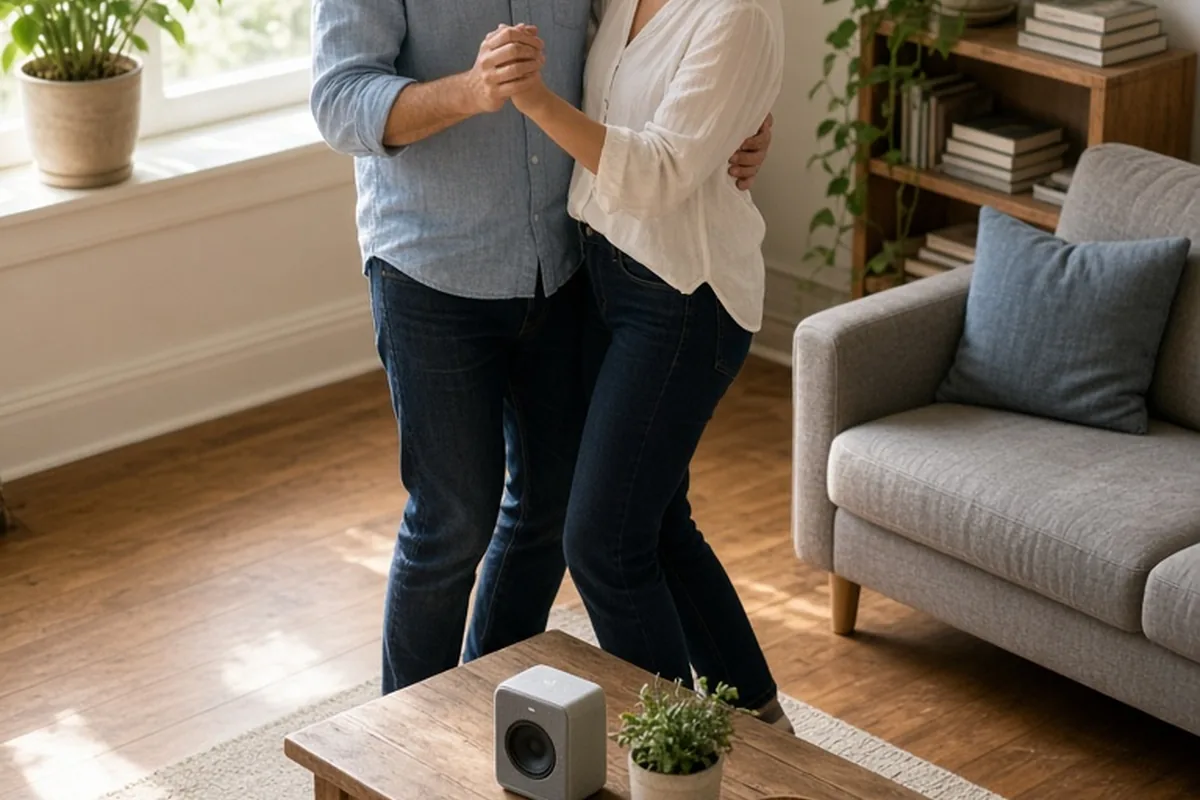
Take a few minutes at home to put on your potential selections and move together in your living room. Notice whether your natural body language syncs easily with the percussion and bassline. If one partner feels nervous about being watched, a song with a steady, recognizable groove provides grounding structure and reduces anxiety. For couples planning a choreographed sequence, verify that the song contains distinct musical cues, dynamic shifts, or an instrumental break that makes rehearsed turns and dips feel organic rather than rigid.
First Dance Wedding Songs by Musical Style: Classics, Indie Picks, and Modern R&B
Exploring distinct musical genres helps pinpoint an atmosphere that aligns with your wedding aesthetic and personal tastes. Timeless soul and traditional standards, such as classic tracks by artists like Etta James, Sam Cooke, Nat King Cole, or Stevie Wonder, offer lush instrumentation, warm nostalgia, and accessible rhythms that cross generations gracefully. These selections bring an enduring, formal dignity to the moment that never feels dated or out of place in classic venues.
Indie folk and singer-songwriter melodies provide an understated, cozy alternative for couples who lean toward rustic, bohemian, or minimalist celebrations. Tracks featuring fingerpicked acoustic guitars, light piano, and vulnerable vocal deliveries create a deeply personal, conversational atmosphere. These songs often feel less like public performances and more like shared private promises, making them ideal for couples who want to dial back the theatricality and focus purely on emotional resonance.
Modern R&B and contemporary pop selections deliver smooth, melodic grooves with modern production values. Artists who blend warm harmonies with modern soul rhythms offer songs that feel contemporary, romantic, and inherently danceable. Selecting an R&B track allows couples to incorporate relaxed sways with gentle hip movement, creating a polished yet effortless appearance that feels fresh and current without abandoning romantic tradition.
Managing Song Length, DJ Fades, and Live Band Arrangements
Most recorded songs run between three and five minutes, which is far longer than necessary for a couple dancing in front of an audience. Two to two-and-a-half minutes is widely considered the sweet spot for maintaining emotional impact without testing your stamina or losing guest attention. Plan ahead with your entertainment provider to establish an intentional ending. A professional DJ can execute a smooth fade-out at the end of a chorus or bridge, or you can signal the DJ to invite the rest of the wedding party and guests to join you on the floor.
If you have hired a live band, communicate your exact expectations regarding arrangement and key. Live vocalists can adapt a fast track into an acoustic slow dance, or shorten a lengthy instrumental section to keep the performance concise. Always ask to hear a live rehearsal recording or review a specific reference track so you understand their tempo and phrasing before the wedding day. Agree on clear physical cues, such as a final spin, a dip, or a nod toward the bandleader, so the musicians conclude cleanly on beat.
Bridging Contrasting Musical Tastes When Partners Cannot Agree
It is common for two partners to hold completely different musical preferences, such as one favoring classic rock while the other listens exclusively to modern electronic pop. When this happens, forcing one person to conform to the other's genre usually results in discomfort. Instead, treat the search as a creative collaboration. Search for acoustic or instrumental cross-genre covers that reinterpret a favorite track through an arrangement both of you appreciate, such as a string quartet rendition of a rock standard or an acoustic guitar cover of an energetic pop single.
Another effective strategy is dividing dance moments across the event. You might select a mutually agreed compromise track for your primary first dance, and save your individual high-energy favorites for the grand entrance, the cake cutting, or the final song of the evening. Alternately, some couples embrace a playful transition, starting with sixty seconds of a slow, traditional ballad before a seamless beat-drop switches the track into a fast, celebratory anthem that lets both personalities shine.
Preparing for Attire Constraints and Reception Floor Logistics
Practical considerations regarding what you are wearing can make or break your first dance experience. Floor-length gowns, petticoats, trains, and form-fitting dresses alter how closely you can stand and how freely you can step. Similarly, tailored suit jackets can restrict arm mobility during overhead turns. Practice your steps at home wearing your actual wedding shoes and clothing that mimics the volume or restriction of your wedding day wardrobe to identify potential tripping hazards or balance issues well in advance.
Floor surfaces also introduce distinct variables. A slick ballroom floor requires different shoe traction than an outdoor wooden deck, a tented lawn, or stone pavers. Check whether your venue has a defined dance floor boundary and discuss lighting with your coordinator. If you plan a grand dip or specialized turns, ensure your photographer and videographer know where you plan to face so they can capture the moment cleanly without standing in the way of guests' sightlines.
Illustrative Scenarios
The Overwhelmed Couple and the Five-Minute Ballad
Jordan and Elena fell in love with an atmospheric five-minute indie track that meant the world to them. During their first informal rehearsal at home, however, they realized that swaying in silence for five full minutes felt tedious and induced performance anxiety. Instead of abandoning the song entirely, they spoke to their DJ, who created a custom edit that naturally transitioned from the second chorus directly to an elegant fade-out at two minutes and fifteen seconds. The shorter edit allowed them to savor the moment without feeling self-conscious.
Key point: Editing a cherished song for length preserves its emotional significance while keeping the dance comfortable and engaging.
Resolving a Genre Standoff Through an Acoustic Cover
Marcus preferred 1990s alternative rock, while Priya loved classic soul, leading to weeks of stalled discussions over their first dance choice. Rather than settling for a generic pop ballad neither felt connected to, they searched for alternative arrangements of their favorite tracks. They found an acoustic, slowed-down rendition of a melodic rock song performed by a soul vocalist. The hybrid arrangement honored Marcus's musical roots while delivering the warmth, rhythm, and elegance Priya envisioned for their formal reception.
Key point: Reimagined covers and acoustic arrangements can seamlessly bridge contrasting musical styles without requiring either partner to compromise.
Frequently asked questions
How long should our first dance song be?
A duration of two to two-and-a-half minutes is generally ideal for a first dance. This gives your photographer enough time to capture beautiful angles while preventing the moment from feeling dragged out for you and your guests.
Can we use an upbeat song instead of a traditional slow dance?
Yes. An upbeat or mid-tempo song brings joyous energy to the room and can alleviate the pressure of slow swaying. Just make sure you feel comfortable moving to the rhythm in your formal wedding attire and shoes.
When should we finalize our first dance song with the DJ or band?
Aim to confirm your song selection four to six weeks before your wedding date. If you are hiring a live band or requesting a custom DJ edit or fade-out, providing ample lead time ensures the musicians can practice or prepare the track properly.
What if my partner and I are terrified of dancing in public?
You can keep your dance simple with an easy sway, ask your DJ to fade the song out after ninety seconds, or invite your bridal party and guests to join you on the floor halfway through the track to take the spotlight off you.
Your next step
Sit down together this week, play your top three song choices aloud while standing together, and select the one that feels the most natural to move to without self-consciousness.