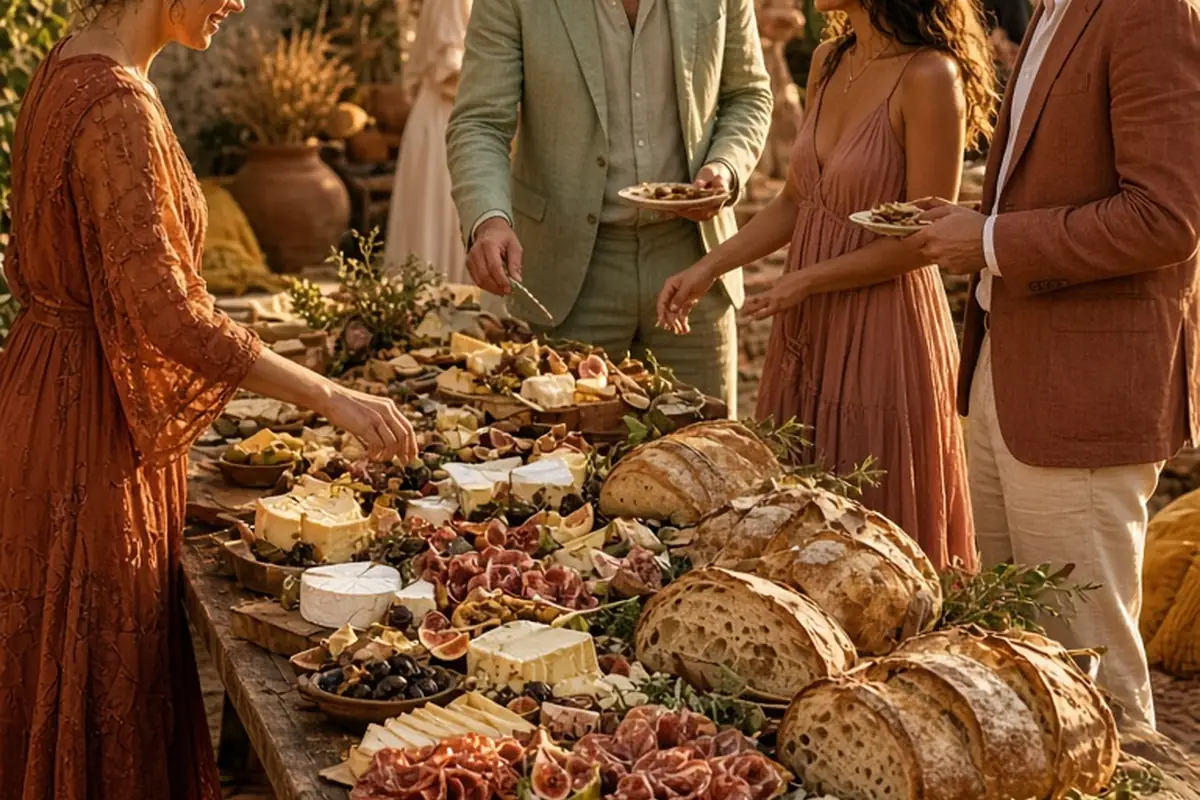
A free-spirited bohemian wedding blends organic textures, unconventional styling, and an easygoing atmosphere that prioritizes guest comfort over rigid tradition. Key elements include layered natural textiles like macrame and linen, wildflower or dried floral arrangements, earthy or warm terracotta color palettes, relaxed bridal fashion such as flowy lace or mismatched bridal party attire, open-air lounge seating, and interactive, casual dining. Success comes from balancing unrestrained artistic touches with structured event logistics.
Couples drawn to bohemian celebrations usually want a day that feels personal, romantic, and grounded in nature rather than constrained by formal ballroom conventions. While the aesthetic looks effortlessly spontaneous, pulling off a truly comfortable gathering requires thoughtful curation so the setting feels intentional rather than cluttered.
Choosing a Natural Setting That Anchors the Boho Vibe
The venue sets the baseline for the entire bohemian aesthetic, making landscape-driven locations an ideal choice. Open grasslands, botanical greenhouses, olive groves, coastal bluffs, pine clearings, and desert plateaus provide an organic backdrop that reduces the need for heavy, manufactured decor. When scouting properties, look for elements that provide natural texture, such as weathered stone walls, sprawling canopies of mature trees, or sun-drenched dirt paths. The goal is to work with the natural geometry of the land rather than trying to construct an artificial scene from scratch.
A truly free-spirited celebration also requires sober operational planning behind the scenery. Remote scenic locations frequently lack essential infrastructure, including reliable power, potable running water, level surfaces, and climate-controlled restrooms. If you choose an open-meadow site or raw parcel of private land, evaluate accessibility for transport vans, caterers, and guests with reduced mobility. You will need to factor in discreet generator rentals with sound dampeners, luxury restroom trailers, and safe pathways illuminated by ground stakes so guests can walk securely after the sun sets.
Styling Bohemian Wedding Attire with Movement and Texture
Bohemian wedding wear emphasizes tactile fabrics and silhouettes that allow natural movement. For gowns, this often means soft silk chiffon, graphic cotton crochet lace, fringe trim, bell sleeves, and fluid skirts without stiff crinoline or restrictive boning. Grooms and partners can step away from structured black tuxedos in favor of breathable fabrics and earthy tones, such as tailored linen suits in tobacco, sand, moss green, or rust. Pairing a tailored vest with rolled sleeves or selecting an open collar without a tie creates an elevated yet relaxed aesthetic that fits an outdoor ceremony.
Footwear and accessories should match the terrain and setting. Stiletto heels easily sink into grass, loose sand, or gravel, making stacked block heels, flat leather sandals, or customized leather ankle boots far more practical. For wedding party styling, consider a mismatched approach anchored by a cohesive color palette rather than identical dresses. Providing attendants with a curated swatch card of complementary earth tones—such as terracotta, dusty rose, golden ochre, and warm sage—lets each person select a cut, fabric, and pattern that flatters their individual taste while producing a rich, layered group photo.
Designing Floral Installations Using Dried Grasses and Unstructured Blooms
Boho floral arrangements prioritize asymmetry, varied heights, and unexpected plant materials over spherical, tightly packed bouquets. Combining fresh blossoms with dried botanicals creates deep contrast and visual interest. Focal flowers like king proteas, dinnerplate dahlias, garden roses, and ranunculus pair naturally with textured foliage like silver dollar eucalyptus, olive branches, and trailing jasmine vines. Incorporating sun-bleached palms, feathery pampas grass, bunny tails, and translucent lunaria gives arrangements an architectural presence that resists midday heat far better than delicate, water-dependent blossoms alone.
Ceremony arches offer a prime canvas for an organic statement piece. Consider a broken ground arch—a curved crescent of flowers and grasses arranged directly on the ground in two halves—which frames the couple without blocking the natural landscape behind them. When working with tall dried grasses in windy outdoor settings, verify with your floral designer that structural bases are heavily weighted with concealed sandbags. Be mindful that fragile grasses shed filaments in stiff breezes, so avoid placing high-shedding stems right beside open food displays or directly over dinner tables.
Curating Low-Slung Lounges and Layered Reception Decor
A hallmark of bohemian weddings is the creation of relaxed lounge zones that encourage guests to mingle and unwind. Instead of confining everyone to dining tables, arrange clusters of vintage furniture in open lawn corners or beneath shade canopies. Layer overlapping vintage kilims, Moroccan wool carpets, and natural jute rugs to ground the lounge area. Pair rattan peacock chairs and mid-century leather sofas with low carved-wood coffee tables, floor poufs, macrame throw pillows, and woven market baskets filled with soft wraps for cooler evening hours.
For the dining layout, long rectangular wooden farm tables create a warm, communal banquet atmosphere without the stiffness of formal round tables. Skip full-length tablecloths in favor of raw-edge linen or crinkled cheesecloth runners that reveal the wood grain below. Style place settings with amber or smoky glassware, matte black or brushed brass flatware, ceramic plates, and deckle-edged paper menus tied with raw twine. Always maintain accessibility by balancing low-profile lounge pockets with plenty of standard-height dining chairs equipped with supportive backs for older family members and anyone needing upright seating.
Serving Communal, Family-Style Feasts and Mobile Beverage Bars
Dining at a free-spirited wedding works best when it fosters spontaneous conversation and shared enjoyment. Lengthy plated multi-course dinners can break the casual momentum of the day. A generous, artfully arranged grazing table during cocktail hour—piled with artisanal cheeses, fresh figs, honeycomb, marinated olives, cured meats, and crusty sourdough loaves—serves as both a visual centerpiece and an interactive gathering hub. For the main meal, family-style service allows guests to pass wide ceramic platters and wooden boards filled with roasted seasonal vegetables, herbed grains, and grilled skewers.
Beverage service can be just as expressive through mobile tap bars, renovated vintage trailers, or converted horse carts. These setups offer a charming focal point while pouring regional craft beers, chilled natural wines, and seasonal botanical cocktails garnished with sprigs of fresh rosemary, edible pansies, or charred citrus wheels. If opting for mobile food trucks or interactive cooking stations, work with your caterer to ensure multiple ordering windows or pre-set family platters, preventing long bottlenecks where guests stand waiting in line instead of enjoying the celebration.
Integrating Soulful Music and Warm Ambient Lighting
Music and lighting create an intimate sensory environment as the day transitions from late afternoon into evening. For the ceremony and cocktail hour, consider live acoustic music rather than standard recorded tracks. A fingerstyle guitarist, an indie folk duo, or a cellist playing acoustic arrangements of contemporary songs complements the organic atmosphere. When moving into the dancing portion of the night, choose a live roots band or a DJ who incorporates soul, classic funk, and indie grooves, keeping the dance floor spirited without feeling routine or overly polished.
As daylight fades, lighting should feel warm and golden rather than sharp or overly bright. Draped festoon lights with exposed filament Edison bulbs, hanging woven rattan pendants, and clusters of pillar candles set the stage for an inviting night. For safety and compliance, always house real candles inside tall glass hurricane lanterns to shield the flame from breezes and prevent stray wax spills. If the venue permits, a managed outdoor fire pit ringed by camp chairs or rustic benches provides a beloved end-of-evening retreat for roasting treats and conversation.
Managing Weather, Fire Safety, and Guest Comfort at an Open-Air Gathering
A successful bohemian wedding requires thoughtful risk management because natural elements can quickly interfere with lightweight decor and outdoor setups. In arid regions or park environments, open burning regulations may strictly prohibit wood fire pits, sparklers, and unshielded taper candles. Review venue rules and regional fire codes before purchasing decorative lighting. High winds can also topple macrame backdrops, dislodge bud vases, and blow paper stationery off tables, so secure paper items with smooth river stones or brass weights and anchor all freestanding structures firmly.
Prioritizing guest physical comfort ensures that everyone enjoys the free-spirited setting without fatigue or frustration. Prepare hospitality baskets based on your expected weather: offer bamboo parasols, broad-spectrum sunscreen, and plant-based insect repellent sprays for sunny afternoon ceremonies, along with thermal blankets and patio heaters for brisk desert or mountain evenings. Provide visible, hand-lettered wooden signage directing guests toward restrooms, shaded hydration stations, and parking areas, keeping the atmosphere relaxed and effortless for everyone in attendance.
Frequently asked questions
What colors define a modern bohemian wedding palette?
Modern bohemian palettes typically feature warm earth tones rather than neon brights or plain neutrals. Common combinations include terracotta, rust, mustard yellow, and warm sand, balanced with muted greens like eucalyptus or olive and soft touches of dusty rose or cream.
How do you keep a boho wedding looking cohesive instead of messy?
Limit your primary color palette to four or five complementary shades and repeat specific textural materials—such as raw wood, linen, and brushed brass—across both ceremony and reception areas. Curating decorative clusters instead of spreading small knickknacks across every surface keeps the space grounded and intentional.
Are dried flowers practical for an outdoor bohemian wedding?
Dried flowers are exceptionally practical because they do not wilt in hot weather and require no water sources during setup. However, they are brittle and prone to shedding fibers in strong breezes, so combine them with sturdy fresh greens and anchor arrangements securely.
Can a boho wedding theme work in an indoor venue?
Yes, an indoor space can easily accommodate bohemian styling by utilizing architectural venues like brick industrial lofts, historic barns, or botanical conservatories. You can introduce organic elements through hanging floral installations, layered kilim rugs, rattan lounge seating, and soft, warm ambient lighting.
Your next step
List your top three bohemian visual priorities—such as a broken floral arch, a vintage lounge, or family-style dining—and review your venue's terrain, power sources, and weather rules before purchasing decor or booking mobile vendors.