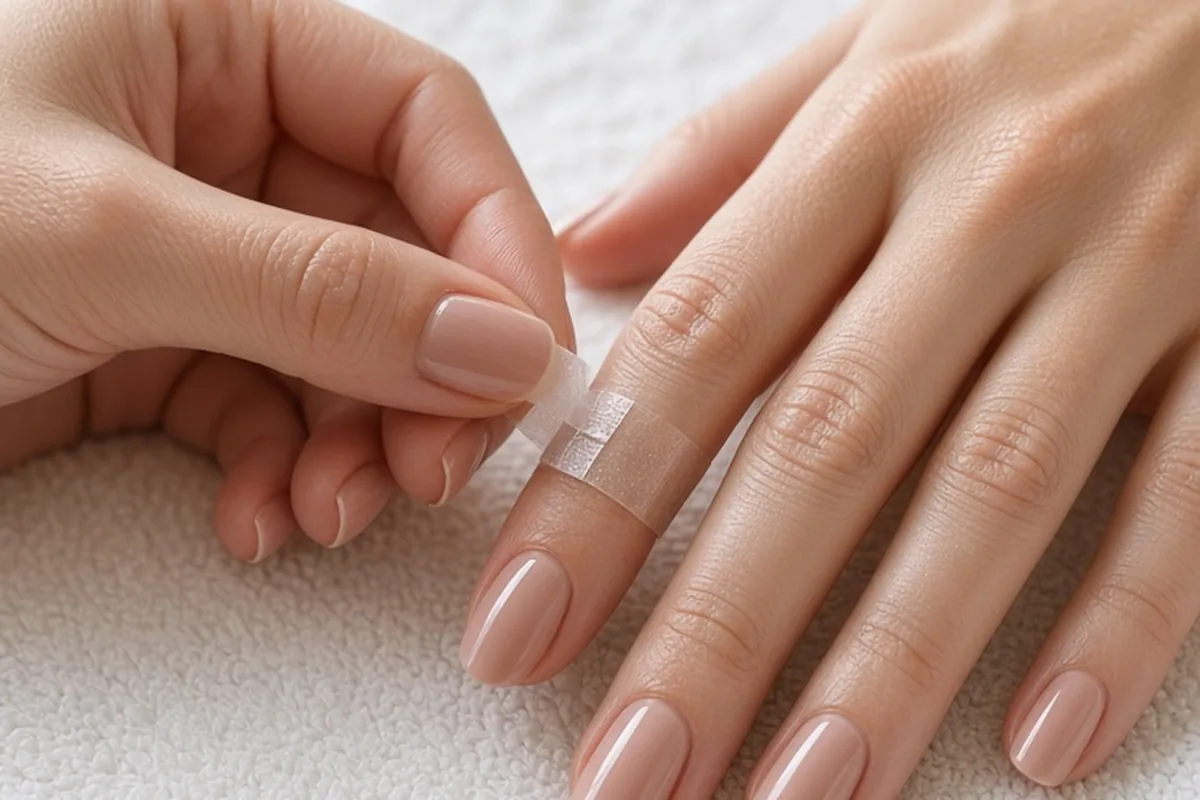
If you suspect or have a gel polish allergy before your wedding, stop using all UV-cured gel products immediately. Switch to low-risk alternatives like high-quality press-on nails applied with adhesive tabs, breathable traditional polish, or peel-off bases. Schedule any manicure trials at least six to eight weeks before the celebration, communicate your sensitivities clearly to your nail artist, and consult a dermatologist if redness, itching, or blistering occurs.
Discovering a sudden or existing allergic reaction to nail enhancements during wedding planning can feel discouraging when you want camera-ready hands for ring exchanges, bouquet tosses, and close-up photography.
Understanding Acrylate Sensitivities and Wedding Timeline Risks
Most allergic responses associated with gel manicures stem from acrylates and methacrylates, which are key chemical bonding agents found in UV and LED-cured polishes, builder gels, and certain adhesives. When uncured or under-cured gel monomers touch the skin around the nail folds or seep through a thin nail bed, the immune system can develop a lifelong contact allergy. Symptoms often manifest within hours or days as intense itching, redness, swelling, burning, tiny water blisters around the cuticle, or eventual peeling and lifting of the nail plate from the nail bed.
Developing this reaction in the weeks or days leading up to your wedding introduces significant aesthetic and physical complications. Active contact dermatitis not only creates intense physical discomfort during pre-wedding festivities, but it also causes visible swelling and skin redness that makeup cannot easily conceal. Because repeated exposure to the allergen worsens the severity of the inflammatory response, continuing to wear or reapply gel products in hopes of masking an initial reaction can lead to persistent skin barrier damage, nail plate separation, and potential secondary bacterial or fungal infections during your honeymoon.
Evaluating Safe and Durable Manicure Alternatives
Once a gel allergy is established, the safest approach is eliminating all photo-cured nail coatings and exploring non-reactive formulas that still deliver a refined bridal look. Traditional air-dry nail lacquer remains the most reliable option for sensitive individuals because high-grade regular polishes typically avoid the specific reactive monomers present in gel systems. While regular polish dries more slowly and carries a shorter wear time of five to seven days, pairing a classic pigmented lacquer with a high-shine, fast-drying top coat provides a glossy, timeless finish without triggering an inflammatory flare.
For brides seeking extended length, intricate nail art, or structural strength, custom salon-grade press-on nails offer an exceptional balance of aesthetics and safety. Press-on sets can be painted, shaped, and embellished in advance, allowing you to achieve the appearance of elaborate acrylics or hard gels without liquid monomer application near your cuticles. Securing these sets with medical-grade double-sided nail tabs completely bypasses liquid nail glues, which often contain cyanoacrylates that might cross-react in sensitive individuals. If liquid adhesive is preferred for multi-day durability, testing a single drop on a small skin patch weeks ahead of time helps verify personal tolerance.
Establishing a Comprehensive Bridal Testing Schedule
Managing sensitive skin requires an intentional beauty calendar that leaves ample room for troubleshooting without jeopardizing your wedding day look. Begin by scheduling your initial nail trial at least two to three months prior to the wedding date. This trial window gives you sufficient time to test alternative products, observe your skin for delayed hypersensitivity reactions over a full seven-day cycle, and allow any minor irritation to completely resolve before attempting a different product line.
When conducting a trial, treat the process with the same diligence as a bridal hair or makeup run-through. Apply the chosen alternative formula or press-on system to one or two nails first, monitoring the surrounding tissue for any signs of heat, tingling, or erythema over forty-eight hours before committing to a full set. If you are experimenting with professional lacquer brands, wear the complete manicure for a full week during your regular daily routine to assess how well the finish resists chipping against everyday tasks like typing, packing wedding favors, and handling bridal garments.
Communicating Product Sensitivities with Nail Artists and Salons
Transparent communication with your bridal beauty team is vital to preventing accidental cross-contamination on your appointment day. When booking your bridal manicure, clearly inform the salon manager and your designated technician about your contact allergies. Salons frequently reuse brushes, file surfaces, and curing lamps that retain invisible traces of uncured gel residue, which can transfer to your skin during routine prep work even if you requested standard polish.
Request that your artist uses sanitized, dedicated implements or bring your own personal manicure kit consisting of stainless steel clippers, a glass nail file, and an unbuffed buffer block. Ask the technician to avoid cutting your cuticles, as intact eponychium tissue serves as the primary natural barrier preventing chemical solutions, acetone, and airborne dust from entering sensitive perionychial skin. Confirm in advance that all base coats, colored varnishes, and finishing drops come from unopened or thoroughly cleaned bottles free from gel hybrid compounds.
Handling Unexpected Flare-Ups Before the Ceremony
If an allergic flare-up occurs within days of your wedding ceremony, prompt and calm intervention can help minimize discomfort and visible inflammation. The initial priority is safely removing the offending product without causing further mechanical trauma to the irritated nail bed. If press-ons with adhesive tabs were applied, soak the fingers in warm water mixed with a few drops of natural oil to gently loosen the bond rather than ripping the enhancements off dry skin.
For skin that feels inflamed or itchy, applying cool compresses to the hands for ten to fifteen minutes can provide immediate, non-invasive soothing relief. Keep the affected cuticle area moisturized with simple, fragrance-free occlusives such as pure petrolatum or skin-barrier ointments to protect raw tissue from environmental irritants. If the reaction involves significant swelling, painful blistering, or spreading redness, prioritize an urgent visit to a board-certified dermatologist or medical provider for an accurate assessment and appropriate prescription management.
Post-Wedding Recovery and Long-Term Nail Care
After the wedding celebrations and honeymoon conclude, giving your natural nails an intentional recovery period will restore compromised keratin layers and strengthen the surrounding skin barrier. Even when using gentle alternatives, repeated filing, adhesive removal, and bridal styling can temporarily leave natural nail plates dry and vulnerable to splitting. Dedicate four to six weeks to a minimalist nail routine focused entirely on hydration and cellular repair rather than decorative enhancements.
Incorporate daily applications of nutrient-dense cuticle oils containing jojoba oil and squalane, which closely mimic the natural sebum of your skin and penetrate the nail matrix effectively. Keep your free edge trimmed short with a fine-grit glass file to reduce leverage pressure on recovering nail beds, and wear protective gloves whenever handling household cleaning agents or washing dishes. Embracing a restorative routine ensures your natural nails regain their natural flexibility, thickness, and resilience over the long term.
Illustrative Scenarios
Transitioning to Custom Press-On Nails After a Trial Reaction
During a bridal manicure trial two months before her wedding, a bride experienced severe fingertip redness and itching forty-eight hours after receiving a hard gel overlay. Recognizing an allergic contact reaction, she promptly soaked off the set, allowed her skin to heal, and pivoted away from all UV-cured systems. Working with an independent nail artist, she ordered a bespoke set of reusable press-on nails precisely shaped to her nail beds and secured them with double-sided adhesive tabs on the morning of her rehearsal dinner.
Key point: Scheduling a nail trial several weeks before major wedding events provides the necessary time buffer to identify product intolerance and pivot to safe, customized alternatives without aesthetic compromise.
Frequently asked questions
Can I use dip powder or acrylic enhancements if I am allergic to gel polish?
Dip powders and acrylic systems rely on acrylic polymers and cyanoacrylate glues that share related chemical structures with gel monomers. Many individuals who react to UV gel polish experience cross-sensitization to dip and acrylic products, making them unsuitable alternatives for allergy-prone skin.
Are HEMA-free gel polishes safe for someone with a diagnosed gel allergy?
HEMA-free polishes eliminate hydroxyethyl methacrylate, but they generally substitute it with other acrylate compounds like HPMA or Isobornyl Acrylate. If your immune system has already developed an allergy to the acrylate family, these substitute monomers can still trigger a significant flare-up.
When is the best time to apply regular polish or press-ons for my wedding?
Apply traditional lacquer roughly twenty-four hours before your wedding day to give the layers complete drying time while minimizing the window for accidental chips. If you are utilizing press-on nails with adhesive tabs, applying them the morning of the wedding or the evening before ensures maximum adhesion and cleanliness.
Your next step
Assess your nail health today, choose a gentle alternative such as traditional lacquer or custom tab-applied press-ons, and schedule a trial application at least six weeks before your wedding date.