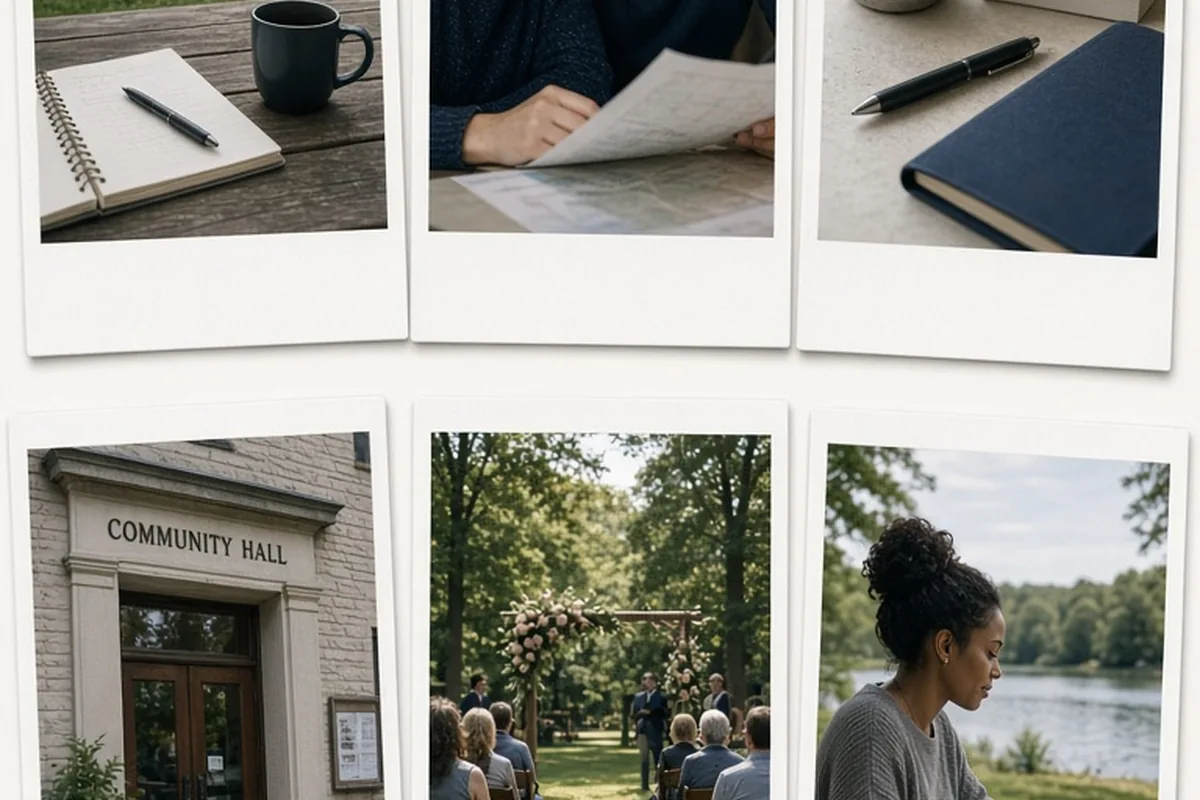
To secure affordable dates and lower-cost vendor rates for an intimate, modest-budget wedding, begin booking venues and core service providers nine to twelve months in advance. Public parks, community halls, municipal properties, and non-traditional spaces frequently open their reservation calendars on rolling annual schedules and fill up quickly. Starting early allows you to reserve low-cost permits, secure preferred dates without peak premiums, and compare transparent written estimates before popular weekend slots vanish.
Executing a memorable celebration on a strictly defined budget requires strategic timing rather than compromising on quality. When working with tightly managed funds, availability often dictates cost, meaning early reservations can secure significant savings.
Securing Affordable Venues and Public Spaces on a Defined Schedule
The venue typically represents the anchor decision for any wedding timeline, determining both the date and the structural constraints of the entire event. For couples prioritizing cost efficiency, non-traditional venues such as city parks, national forest pavilions, community recreation halls, civic clubhouses, and family properties offer exceptional financial advantages over traditional commercial banquet halls. However, public facilities operate under strict municipal booking calendars that differ widely from private commercial spaces.
Municipal and regional parks departments often release reservation slots on fixed annual schedules, such as six months, nine months, or one year prior to the desired permit date. Securing one of these desirable public spots requires tracking the exact opening date of your local jurisdiction's reservation portal. Reserving as soon as the booking window opens ensures access to peak outdoor weather dates without being forced into competitive bidding or last-minute commercial alternatives. Furthermore, public permits usually demand written applications, proof of general event liability insurance, and upfront security deposits, all of which require several weeks of administrative lead time to process properly.
Prioritizing Essential Vendor Contracts to Prevent Rate Spikes
Independent vendors operating in competitive wedding markets set their seasonal booking schedules many months ahead. High-demand professionals who offer flexible hourly options or focused coverage tiers, particularly independent documentary photographers, acoustic musicians, and boutique caterers, maintain limited calendars. Reaching out between eight and ten months prior to your celebration gives you access to a broader pool of independent sole proprietors before their weekend dates fill up completely.
When availability narrows, couples are often forced to choose between higher-tier package offerings with mandatory minimum coverage hours or unvetted last-minute providers. By initiating vendor outreach early, you can request customized proposals that cover only the exact hours or services you need. Early communication also provides adequate time to review contract terms, clarify cancellation and rescheduling policies, confirm equipment requirements, and ensure that quote figures remain fixed against future seasonal price adjustments.
Catering and Drop-Off Meal Logistics for Smaller Budgets
Full-service traditional wedding catering includes extensive staffing fees, plate rentals, service surcharges, and gratuity lines that can quickly deplete allocated event funds. An increasingly favored alternative for economical celebrations involves contracting drop-off buffet services from established local restaurants, barbecue smokehouses, or family-owned bistros. These food providers deliver hot, fresh entrees in bulk serving pans alongside basic disposable or compostable serviceware.
To execute a drop-off dining model smoothly, coordinate with your chosen restaurant four to six months prior to the event. While restaurants generally possess greater scheduling flexibility than dedicated wedding caterers, popular local eateries still require ample notice for large-volume weekend orders. Establishing this relationship months in advance allows you to schedule tasting appointments, finalize dietary accommodations for guests, organize necessary chafing dishes or heating elements, and establish a clear timeline for delivery and staging.
Off-Peak Days and Alternative Seasons to Expand Options
Saturday evenings during late spring and early autumn command the highest venue rental fees and strictest minimum spending requirements across the wedding industry. Couples working within modest spending caps can dramatically broaden their vendor choices and secure lower permit fees simply by shifting their target celebration window. Exploring Friday evenings, Sunday daytime brunches, weekday twilight gatherings, or quiet winter dates opens up venues that might otherwise be unavailable or out of reach.
Booking non-traditional days also gives you greater leverage when negotiating timeline flexibility with photographers, floral designers, and rental companies who might otherwise be booked for full-day commercial weddings. For an off-peak or weekday event, a lead time of six to eight months is often sufficient, as vendor competition on those dates is considerably lower. Regardless of the day selected, confirming your date early ensures out-of-town guests have sufficient lead time to coordinate travel and lodging.
Planning Attire, Decor, and Floral Elements in Strategic Phases
Traditional bridal salon orders can require six to nine months for production and alterations, alongside premium rush charges if ordered late. Budget-conscious couples can bypass long production lead times by sourcing attire from off-the-rack sample sales, vintage boutiques, consignment shops, or ready-to-wear formal collections. Purchasing garments five to six months in advance leaves ample time for independent tailoring alterations, which generally take several weeks to complete properly.
Decor and floral arrangements also benefit from phased preparation rather than last-minute purchasing. Opting for seasonal greenery, bulk-ordered stems, potted flowering plants, or curated thrifted glassware allows you to assemble items gradually without paying urgent shipping fees. Securing table settings, linens, and audio-visual equipment four months ahead ensures that you can test setups, confirm compatibility with the venue's electrical setup, and avoid unexpected rental delivery charges.
Managing Guest Count and Communication Deadlines
Guest count remains the primary variable controlling every category of event expenditure, from food volume and seating rentals to venue permit tiers and beverage supplies. Establishing a fixed headcount ceiling early in the planning process prevents gradual budget expansion. Digital invitations, personalized wedding websites, and direct electronic RSVP tracking eliminate printing and postage expenses while streamlining guest communication.
Save-the-date notifications should be dispatched six to eight months ahead of the event, followed by formal digital invitations sent eight to ten weeks prior to the date. Setting an RSVP deadline four weeks before the celebration allows adequate time to finalize seating charts, adjust catering volume orders, and confirm final equipment quantities with rental suppliers without incurring late modification penalties.
Contract Verification, Insurance, and Contingency Timelines
Before signing any venue rental agreement or paying an initial deposit, carefully review every line item regarding outside catering rules, noise ordinances, clean-up requirements, and mandatory event insurance. Many civic facilities and non-traditional venues require a certificate of general liability insurance naming the city or property owner as an additional insured party. These policies are straightforward to obtain through independent insurance brokers, but obtaining quotes and issuing policy certificates requires several business days.
Additionally, verify weather contingency plans well ahead of time if your event involves an outdoor park or garden. Confirming tent rental availability or an indoor shelter reservation four to five months in advance ensures that an unexpected weather shift will not disrupt the ceremony. Keeping an organized folder with countersigned contracts, payment receipts, insurance certificates, and vendor contact numbers will ensure stress-free coordination on the day of the event.
Frequently asked questions
Can I plan an intimate budget wedding in less than six months?
Yes, planning an intimate celebration on a shorter timeline is feasible if you choose flexible non-traditional venues such as community pavilions, public gardens, or family properties. You will need to make rapid decisions on attire, digital invitations, and restaurant drop-off catering, while remaining open to weekday or morning time slots.
Why do public park venues require so much advance booking time?
Public recreation spaces operate on regulated municipal reservation systems that open several months to a full year ahead of each season. Because civic permits are accessible to the general public for a wide variety of gatherings, prime weekend dates fill quickly as soon as the reservation portal opens.
How do payment schedules usually work for independent vendors?
Most independent wedding professionals require an initial non-refundable retainer upon contract signing to hold your date, followed by the remaining balance due two to four weeks prior to the event. Always request a clear written schedule detailing exact due dates and accepted payment methods before committing.
Your next step
Draft your target guest list and contact your local municipal parks department or civic property office this week to confirm when their upcoming reservation calendar opens for your ideal date.