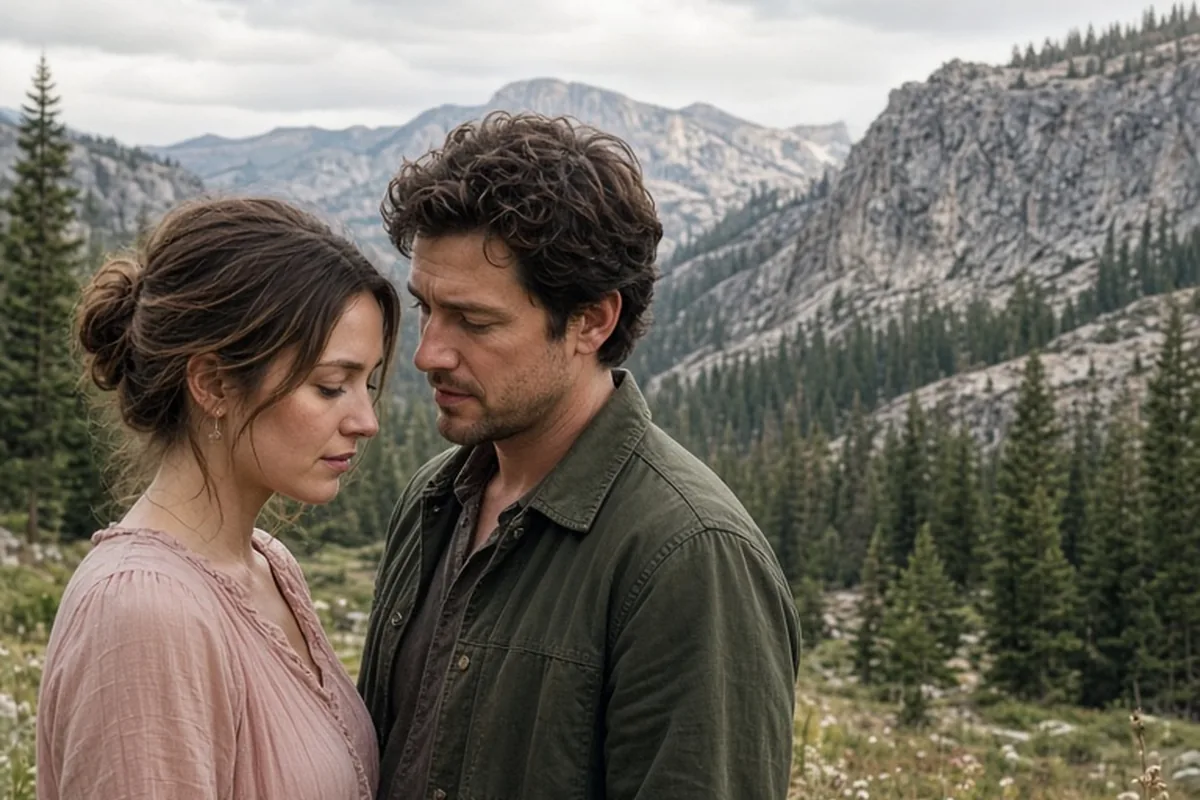
Most couples should begin planning a national park wedding 10 to 12 months in advance, though permit application windows vary by park. High-demand parks typically open Special Use Permit applications exactly 12 months before the event date on a first-come, first-served basis, while smaller parks may accept permits only 3 to 6 months prior. Securing your date requires synchronizing your permit submission with lodging blocks, vendor commercial use authorizations, and seasonal access considerations.
A national park wedding offers dramatic natural backdrops, from towering granite monoliths to rugged alpine meadows, but public lands operate under strict regulatory calendars rather than standard commercial venue timelines. Navigating park service rules, fluctuating application windows, and regional vendor regulations requires a structured scheduling approach.
National Park Special Use Permit Application Windows
Every national park manages its land under federal conservation mandates, which means that holding a wedding ceremony on park grounds requires an approved Special Use Permit (SUP). The window for submitting this paperwork is the single most critical factor in your planning timeline. In major, high-visitation parks such as Yosemite, Rocky Mountain, Glacier, and Zion, the permit office generally accepts applications up to one year (12 months) in advance of your proposed date. Because popular ceremony spots within these parks operate on strict daily quotas—frequently limiting specific overlooks or amphitheaters to just one or two weddings per day—permits for peak weekend dates can be claimed within minutes of the opening window.
Conversely, several regional or less heavily visited national parks enforce shorter rolling submission periods, accepting applications no earlier than 6 months or even 90 days before the event. Submitting an application too early in these parks can result in immediate rejection or administrative return, while applying too late leaves your date vulnerable to backlogged processing queues. Most park permit offices require between 30 and 90 business days to review an application, verify park ranger availability, check environmental compliance, and issue the final permit document. Contacting the specific park’s Special Park Uses Coordinator at least 12 months out allows you to verify their exact opening calendar and avoid missing the filing date.
Aligning National Park Permit Windows With In-Park and Gateway Lodging
While your wedding ceremony permit is handled by the National Park Service (NPS), guest accommodations follow entirely separate booking schedules that often open well before permit applications. In-park historic lodges, managed by third-party concessionaires such as Xanterra or Delaware North, typically release room reservations 365 to 400 days in advance. If you envision your wedding party staying inside the park boundaries to eliminate morning drive times and gate congestion, reserving lodging must happen the moment the lodging calendar opens, even if your ceremony permit application has not yet been processed.
Gateway towns situated outside park entrances present their own scheduling challenges, particularly in remote regions where hotel and vacation rental inventory is limited. During peak summer and fall foliage months, lodging in towns like Springdale outside Zion, Estes Park outside Rocky Mountain, or West Glacier can sell out nearly a year in advance due to regular tourist demand. Securing room blocks or renting private properties 10 to 12 months ahead ensures your guests have accessible housing. When reserving accommodations before your ceremony permit is formally approved, ensure you select lodging with flexible cancellation or date-change policies in case the park assigns an alternate time slot or ceremony location.
Hiring Vendors With Active Commercial Use Authorizations
Hiring vendors for a national park wedding involves a layer of administrative clearance beyond traditional event contracts. Any professional operating on park land—including wedding photographers, videographers, officiants, hair and makeup artists, and mountain guides—must hold an active Commercial Use Authorization (CUA) or be listed on your event permit, depending on the specific park's commercial regulations. Sourcing and booking these vendors should occur 9 to 12 months in advance, as local professionals who already hold valid CUAs book their limited wedding dates early.
If you hire vendors from outside the park’s immediate geographic region, verify whether they already possess a CUA for that specific park unit or if they must apply for one. The vendor permit process can take anywhere from 4 to 8 weeks and requires vendors to submit proof of commercial general liability insurance naming the United States government as an additional insured. Factoring this administrative timeline into your hiring decisions prevents last-minute compliance issues, as park rangers routinely check vendor permits at popular ceremony locations and trailheads.
Accounting for Timed-Entry Systems, Road Openings, and Seasonal Windows
Planning a national park wedding date requires understanding the physical access limitations of the terrain. High-altitude mountain passes and backcountry roads—such as Trail Ridge Road in Rocky Mountain National Park or Tioga Pass in Yosemite—are frequently closed by heavy snowpack from late October through late May or early June. If your dream ceremony location depends on high-elevation access, you must restrict your booking window to the reliable mid-summer to early-autumn months, typically July through September.
In addition to seasonal weather, several popular national parks utilize timed-entry vehicle reservation systems to manage overcrowding during peak visitation hours. Depending on park rules, an approved Special Use Permit may grant vehicle entry for the couple and immediate wedding party, but it rarely extends automatic entry to all wedding guests. If guests must obtain their own timed-entry vehicle passes through Recreation.gov, you will need to track reservation release dates—which typically drop either 30 days or several months in advance on a rolling basis—and communicate clear instructions to your attendees well ahead of travel.
Month-by-Month Timeline for National Park Wedding Planning
To maintain order across permit submissions, travel coordination, and vendor hiring, couples should structure their planning milestones along a systematic chronological path. Twelve to fourteen months prior to the wedding, research the exact permit policies of your target park, identify designated ceremony sites, and book in-park concessionaire lodging or gateway accommodations. This phase centers on understanding capacity limits and administrative filing dates for the permit office.
Ten to twelve months out, submit your Special Use Permit application on the very first day the park’s submission window opens. Simultaneously, retain local vendors who possess valid Commercial Use Authorizations, paying special attention to experienced mountain photographers and transport operators. Six to nine months out, finalize your guest list according to the site’s permitted guest cap, send formal save-the-dates with travel guidance, and confirm backup indoor reception venues outside the park boundaries.
Three to six months before the event, confirm that the permit office has processed your paperwork and returned your signed permit agreement, including paying any administrative or monitoring fees. Provide your guests with detailed information on entrance fees, park shuttle systems, offline mapping applications, and Leave No Trace requirements. One month out, conduct a final review with your vendors, assemble required physical paperwork to carry during the ceremony, and confirm all seasonal road statuses.
Guest Capacity Limits and Leave No Trace Policy Constraints
Unlike private event venues that can expand seating areas or erect temporary marquees, national parks protect natural resources through strict environmental regulations. Every park establishes a list of designated wedding locations, each with an absolute ceiling on group size that cannot be negotiated. Some delicate alpine overlooks limit gatherings to 10 or 15 participants total, including the couple, guests, officiant, and photographer, whereas dedicated park amphitheaters may accommodate 50 to 100 people. You must establish your guest list size before applying for a permit, as exceeding the approved number on site violates federal regulations.
National parks also enforce strict Leave No Trace principles that dictate what can physically be brought to a ceremony. Most parks prohibit chairs (except for guests with medical accessibility needs), freestanding wedding arches, floral installations, amplified music, portable speakers, generators, and non-native botanicals. Tossing rice, flower petals, birdseed, or confetti is strictly banned across all public lands. Understanding these decorative restrictions early helps prevent wasted spending on rental items and ensures your ceremony respects the natural ecosystem.
Developing Contingency Plans for Environmental and Park Closures
Outdoor public lands carry environmental variables that private venues rarely face, making a documented contingency plan essential. Wildfire activity and regional smoke can degrade air quality or trigger emergency area closures during late summer and early autumn across the western United States. Similarly, flash flooding in desert canyon parks, unexpected snowstorms at high elevations, or periodic federal government funding disruptions can abruptly close access gates or cancel event permits.
When booking your ceremony date, establish an alternative private venue or commercial space in the gateway town where you can legally hold the ceremony if the park becomes inaccessible. When drafting contracts with wedding vendors, include specific clauses addressing natural disasters, public land closures, and weather delays. Carrying a printed physical copy of your approved Special Use Permit, receipt of fee payments, and the park coordinator's contact details on the day of the event ensures you can resolve any access questions smoothly with on-duty park rangers.
Frequently asked questions
What happens if my national park wedding permit application is denied?
If your permit application is denied due to date conflicts or site capacity limits, the Special Park Uses Coordinator will usually offer alternative designated ceremony sites or adjacent open time slots. To avoid losing your travel investments, list two or three acceptable backup locations within the park on your initial application.
Do national park wedding permits include entrance fees for my guests?
Special Use Permits cover the administrative authorization for holding a ceremony on park land, but they generally do not waive standard per-vehicle park entrance fees for guests. Guests must pay standard entrance fees, present an interagency America the Beautiful pass, or follow vehicle-entry reservation rules unless your specific park explicitly notes otherwise on your permit.
Can I set up a tent, arch, or chairs for my national park ceremony?
Most national parks strictly prohibit temporary structures, including wedding arches, tents, rugs, and portable shade structures, to protect natural terrain and native flora. Seating is usually restricted to existing park benches or a minimal number of folding chairs reserved strictly for elderly or mobility-impaired attendees.
Your next step
Check the official National Park Service website for your specific park today to identify its Special Park Uses coordinator and confirm the exact opening date for your wedding permit window.