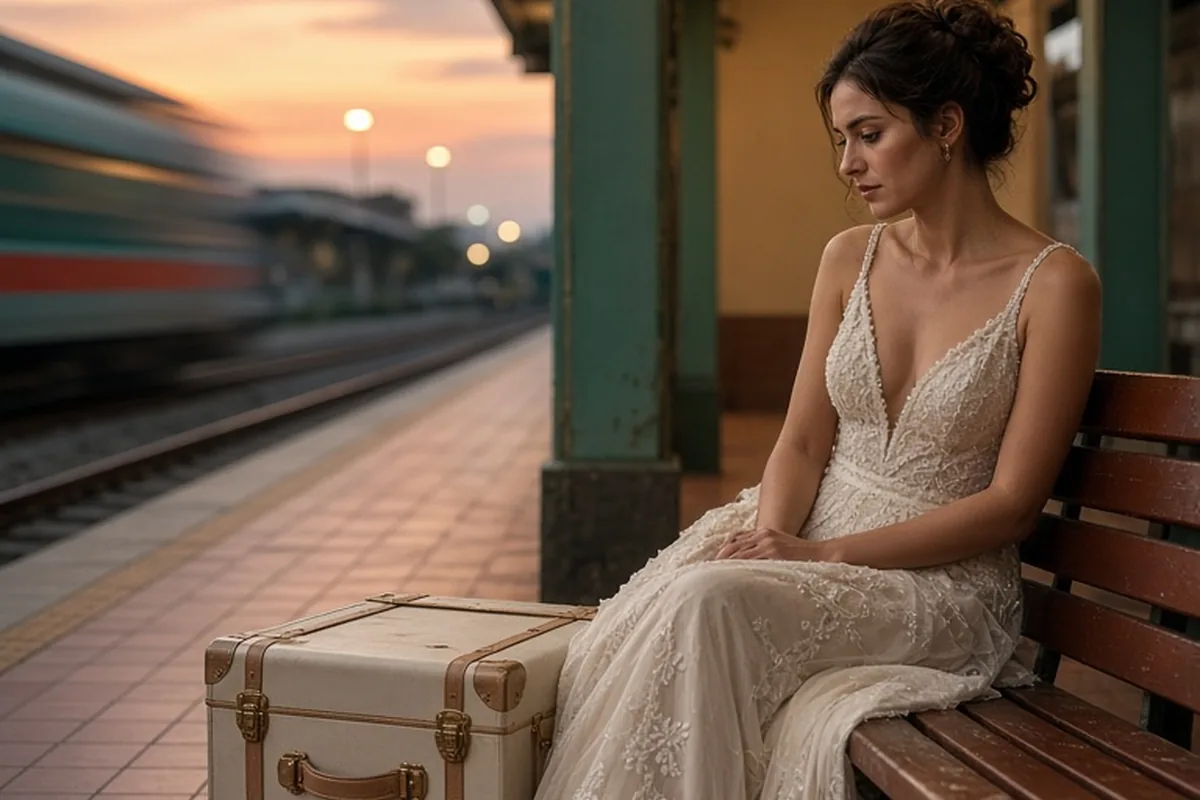
Wedding dress prices vary significantly depending on construction, designer tier, and retail channel. Off-the-rack and ready-to-wear gowns represent the most accessible tier, mid-range boutique and made-to-order dresses occupy standard bridal budgets, and custom couture occupies the highest tier. Beyond the sticker price of the gown, total out-of-pocket costs always include mandatory professional alterations, taxes, shipping, undergarments, and post-wedding cleaning or preservation.
Establishing a realistic bridal attire budget requires understanding that the gown itself is rarely the only expense you will encounter. Planning ahead allows you to balance personal style preferences with the practical realities of construction labor, material sourcing, and post-purchase tailoring.
Wedding Dress Price Tiers and Retail Categories
Bridal attire falls across several distinct retail tiers, each reflecting different manufacturing methods, distribution models, and design complexities. At the entry level, ready-to-wear retailers, direct-to-consumer online brands, and high-street occasion wear offer mass-manufactured gowns. These garments are produced in standard factory sizes using synthetic fabrics like polyester chiffon, standard tulle, and machine-woven lace. Because these retailers produce inventory in high volumes with standardized patterns, overhead costs remain low, making this category the most budget-conscious path for brides seeking modern styling without boutique markups.
The traditional bridal boutique category represents the standard made-to-order market. When you order a dress through an independent salon, you try on sample gowns, and the boutique orders a new piece from the designer based on the closest standard size on their sizing chart. These dresses typically feature higher-grade textiles, such as crepe, layered organza, or embroidered lace, along with structured internal boning and hand-finished details. Production times for this tier generally range from four to nine months because the garment is manufactured specifically for your order cycle.
At the upper end of the spectrum, luxury designer collections and bespoke couture houses offer custom pattern drafting, exclusive European textiles, and extensive handwork. Couture gowns involve multiple muslin toile fittings where a master tailor crafts an individualized pattern directly to your body measurements. Fabrics in this category frequently include pure silk mikado, handmade French Chantilly lace, and intricate glass beadwork applied by hand. The extensive labor hours required by master artisans directly determine the premium cost of these heirloom garments.
Fabric, Construction, and Labor Cost Drivers
The physical materials chosen for a wedding gown represent one of the clearest differentiators in garment pricing. Natural fibers like pure silk, duchess satin, and silk organza cost significantly more to cultivate, weave, and handle than synthetic alternatives like polyester satin or nylon tulle. Silk breathes naturally and drapes with distinctive fluid weight, but it requires delicate handling during cutting and sewing. Similarly, genuine Alencon or Chantilly lace produced on traditional European looms commands a higher price per yard than machine-printed nylon lace overlays.
Internal construction architecture also dramatically influences the price tag. A gown with a fully structured interior bodice containing steel boning, waist stays, multi-layered interfacing, and integrated bra cups takes several times longer to assemble than an unlined slip dress. This internal engineering ensures the gown stays in place and supports the wearer without slipping throughout a long event, but it requires advanced technical sewing expertise. When evaluating dresses, examining the neatness of the interior seams, lining quality, and support structures reveals whether the price reflects true construction quality or solely brand marketing.
Surface embellishment represents another primary variable in overall manufacturing labor. Hand-sewn pearl clusters, three-dimensional floral appliques, and individual crystal beading require dozens or even hundreds of artisan hours per gown. Conversely, machine-embroidered motifs or pre-beaded fabric panels reduce factory assembly time considerably. If you love the look of rich texture but want to control costs, choosing localized embellishments, such as beading focused only on the bodice rather than an all-over patterned skirt, significantly reduces the garment baseline price.
Essential Wedding Dress Alterations and Tailoring Fees
Almost every wedding dress requires professional tailoring before it fits properly, regardless of whether it is an off-the-rack purchase or a made-to-order boutique gown. Made-to-order dresses are built to standard manufacturer size charts, not your exact measurements, meaning adjustments to the bust, waist, and hips are standard. Common basic alterations include taking in or letting out side seams, adjusting shoulder straps, shortening the hemline to match your wedding shoe height, and adding a functional bustle to keep the train off the ground during the reception.
The complexity of your dress design directly dictates your alteration expenses. A simple crepe sheath dress with clean seams is straightforward for a seamstress to shorten and fit. In contrast, a ballgown featuring horsehair braid along the hem, multiple layers of crinoline, and a scalloped lace border requires the tailor to carefully unpick the lace trim by hand, cut each skirt layer individually, and reattach the border seamlessly. Similarly, altering heavily beaded bodices requires removing beads before stitching seams and hand-sewing them back on afterward to prevent broken needles and puckered fabric.
To manage tailoring expenses effectively, plan for two to four fitting appointments starting roughly eight to twelve weeks before your wedding date. Requesting a line-item estimate from an experienced bridal seamstress before committing to alterations prevents unexpected charges. If you require a shortened turnaround timeline due to late gown delivery, expect rush fees that can add substantial surcharges to standard tailoring labor.
Follow-On Expenses: Veils, Undergarments, and Preservation
A complete bridal look involves several auxiliary purchases that can catch unprepared shoppers off guard if omitted from initial budget planning. Bridal accessories sold in traditional salons carry substantial retail markups. Cathedral-length veils with lace trim, custom headpieces, tiaras, specialty jewelry, and bridal shoes represent distinct line items that quickly accumulate. Deciding in advance whether you prefer heirloom accessories, boutique statement pieces, or affordable high-street accents keeps these complementary purchases proportionate to your overall budget.
Specialized foundation garments and undergarments are equally essential for achieving the intended fit of your gown. Low-back dresses, plunging necklines, and corseted silhouettes often demand specialized bustiers, adhesive cups, seamless shaping shorts, or custom-sewn bra inserts. You must purchase and bring these exact undergarments, along with your planned wedding shoes, to every single alteration fitting. Changing your heel height or shapewear between fittings will alter the dress hang and necessitate costly rework by your tailor.
Post-wedding care is the final financial consideration in the dress lifecycle. Professional cleaning and preservation services protect delicate textiles from yellowing, oxidized sugar stains from spilled drinks, and environmental degradation over time. Standard dry cleaners are rarely equipped to handle complex bridal gowns with delicate beading or raw silk. Professional wedding dress preservation involves gentle wet cleaning or solvent treatment tailored to specific fabric fibers, followed by packaging the gown in an acid-free, windowed storage chest designed for long-term textile protection.
Strategies for Finding Quality Gowns on a Budget
Brides looking to optimize their spending have multiple legitimate avenues for acquiring designer-quality gowns at reduced price points. Attending salon sample sales is one of the most effective strategies. Boutiques regularly discount floor sample gowns to make room for incoming seasonal inventory. While sample dresses may show minor wear from being tried on in-store, such as loose threads or minor makeup dust along the neckline, professional cleaning and minor repairs can restore them to pristine condition for a fraction of their original made-to-order price.
Trunk shows offer another avenue for moderate savings and added value. During a trunk show, a salon showcases the full collection of a specific designer for a single weekend, frequently offering a standard promotional discount on purchases made during the event. While trunk show discounts are typically modest, securing savings directly on current-season gowns provides dependable value without sacrificing the traditional boutique ordering experience.
The secondary bridal market and rental platforms have also expanded significantly, offering verified designer garments through reputable pre-owned marketplaces and consignment boutiques. Many pre-owned gowns are pristine samples, cancelled orders, or dresses worn once and professionally cleaned. If you choose the secondary market route, always confirm the seller's original sizing, ask for exact current flat measurements rather than relying on labeled dress sizes, and verify that no irreversible alterations were performed on the garment.
Questions to Ask Your Bridal Salon Before Signing
Before placing a non-refundable deposit on a wedding gown, reviewing the sales contract carefully protects you against unexpected delays and surprise costs. Bridal salons typically require a 50 percent to 60 percent deposit before transmitting an order to the designer, with the remaining balance due upon delivery. Because bridal gowns are custom ordered according to manufacturer standard sizes rather than custom built to your measurements, understanding salon policies on sizing discrepancies is critical.
Clarify shipping timelines, rush production options, and delivery guarantees directly with your consultant. Inquire whether the salon performs in-house alterations or refers clients to independent seamstresses, as this impacts both scheduling convenience and pricing transparency. Knowing whether the store provides complimentary steaming, secure on-site storage until your wedding week, or garment transport bags helps you evaluate the true overall service package.
Consider asking these specific questions during your consultation to ensure full financial and operational clarity before signing:
- What specific size chart measurements are you using to select my order size, and why do you recommend this size?
- Are alteration services handled on-site with flat-rate packages, or are they billed separately per service?
- What is the estimated delivery window, and what are the specific rush fee options if production is delayed?
- Does the purchase price include shipping insurance, import tariffs, a garment bag, and final pre-wedding pressing?
- What is the store policy and cancellation protocol if the designer discontinues the style or experiences supply chain disruption?
How to Build a Complete Bridal Attire Budget
To establish a realistic wedding dress budget, use a comprehensive formula rather than allocating your entire attire allowance solely to the dress purchase. A reliable rule of thumb is the 70/20/10 allocation principle: allocate 70 percent of your total attire budget to the gown itself, 20 percent to anticipated alteration and tailoring needs, and 10 percent to accessories, undergarments, and post-wedding preservation. Following this split prevents you from buying a dress at the upper limit of your financial comfort zone only to be surprised by necessary alteration bills later.
Verify local market rates before scheduling appointments by researching bridal salons in your geographic area. Boutique price ranges often vary widely based on regional commercial real estate costs and brand exclusivity. Contact salons in advance to ask about their entry-level gown prices, alteration policies, and consultant fees. Establishing transparency early ensures you only visit showrooms that genuinely align with your financial boundaries, keeping your shopping experience stress-free and productive.
Frequently asked questions
How far in advance should I order my wedding dress?
Most made-to-order bridal salons recommend ordering your gown nine to twelve months before your wedding date. This timeline allows four to eight months for factory production and shipping, plus an additional eight to twelve weeks for multiple alteration fittings. If your wedding is less than six months away, you can explore off-the-rack samples, ready-to-wear collections, or pay designer rush fees.
Why do bridal sizes run smaller than standard street clothes?
Bridal sizing charts are largely based on legacy European sizing standards from the mid-twentieth century, which have not shifted alongside modern ready-to-wear sizing. As a result, a bride typically wears one to two sizes larger in a wedding gown than in standard everyday apparel. Salons order according to your largest measurement across your bust, waist, and hips, then tailor the remaining areas down.
Are wedding dress alterations always necessary?
Yes, alterations are almost universally required because made-to-order gowns are manufactured to standard proportion charts rather than your specific body shape. Even if the waist and bust fit well, nearly every bride requires hemline adjustments to match their exact footwear height and the addition of a functional bustle for the train. Budgeting for tailoring in advance ensures your gown fits comfortably and securely.
Can I negotiate the price of a wedding dress at a boutique?
Bridal salons rarely negotiate prices on current-season, made-to-order designer gowns due to manufacturer minimum pricing agreements. However, you can often negotiate on floor samples, ask about upcoming trunk show incentives, or request bundled perks such as discounted accessory packages, complimentary steaming, or free garment storage.
Your next step
Determine your total attire budget today, subtract 30 percent for alterations and accessories, and call three local salons to verify their starting price points before booking your first consultation.