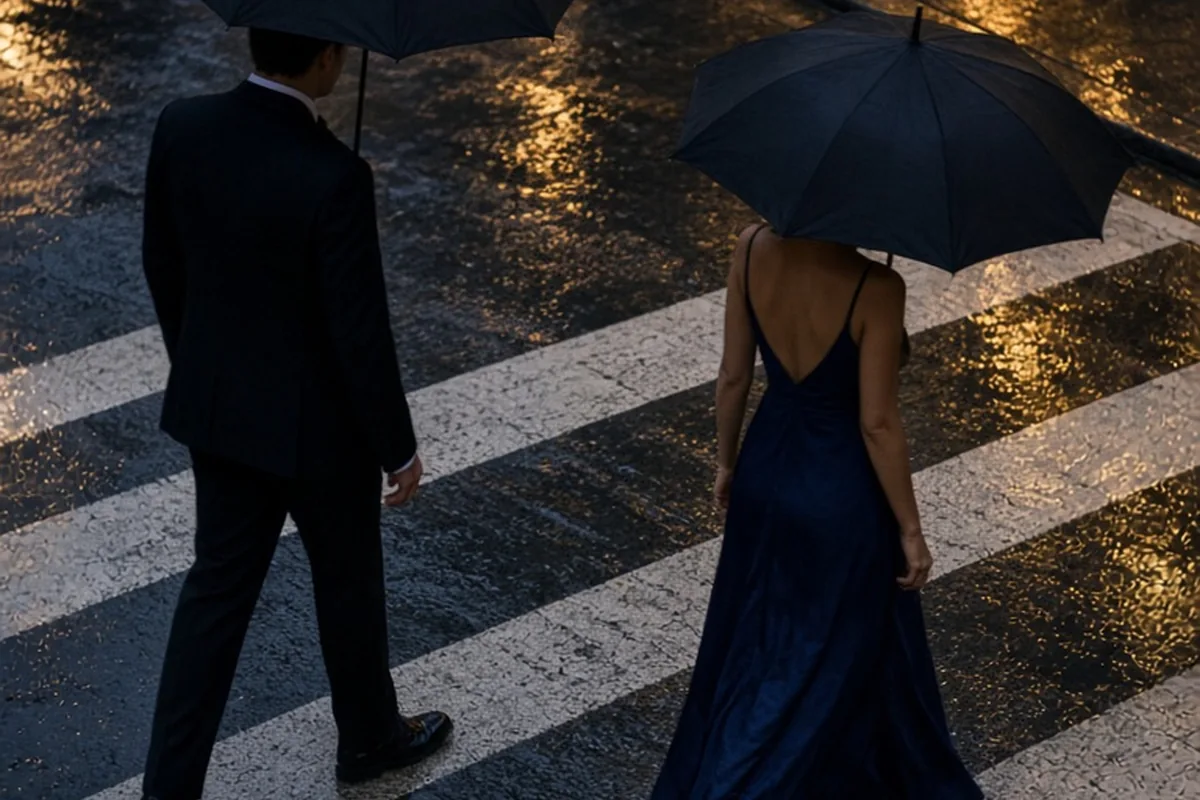
A black-tie wedding guest outfit generally spans a wide financial range depending on whether you rent, purchase off the rack, source secondhand, or commission custom tailoring. Beyond the core tuxedo or floor-length evening gown, your total expense incorporates essential alterations, specialized formal footwear, structured undergarments, jewelry or cufflinks, and grooming services, making the final investment highly dependent on your sourcing strategy and existing wardrobe.
Receiving a wedding invitation marked with a black-tie dress code signals an evening of high formality, classic elegance, and distinct wardrobe expectations. For guests, navigating this dress code involves balancing aesthetic tradition with personal budgeting, as the overall expenditure extends well beyond a single garment hanging on a rack.
Decoding the Black-Tie Standard: What the Dress Code Actually Requires
A traditional black-tie dress code sets a formal standard rooted in evening wear conventions. For masculine attire, the baseline standard is a tuxedo featuring a jacket with satin or grosgrain lapels, matching trousers with a formal stripe down the outer seam, a formal white evening shirt, a self-tie black bow tie, a cummerbund or formal waistcoat, and polished black patent leather or velvet shoes. Substituting a standard dark business suit for a tuxedo generally falls outside true black-tie criteria, which is why guests who do not own a tuxedo often face distinct wardrobe decisions.
For feminine attire, black-tie expectations center on full-length evening gowns that reach the floor, sophisticated formal evening pantsuits crafted from luxurious fabrics, or elevated dressy separates. Cocktail dresses that hit at the knee or mid-calf are traditionally reserved for black-tie optional or semi-formal events rather than strict black tie. Understanding these structural baseline rules is the first step in calculating realistic expenses, as adhering to traditional fabrications such as silk, velvet, crepe, satin, and fine wool naturally places these garments in a higher manufacturing and retail bracket than everyday occasion wear.
Tuxedo and Suit Costs: Renting, Buying Off the Rack, or Going Custom
When securing a tuxedo, your primary sourcing pathway determines the majority of your baseline expenditure. Rental packages from national formalwear chains or online delivery services typically provide a bundled package including the jacket, trousers, shirt, vest or cummerbund, cufflinks, and shoes for a single flat fee. While renting offers the lowest upfront commitment for a one-time event, rental garments are built with standardized boxy cuts designed to endure commercial dry cleaning cycles, meaning the fit cannot be permanently customized to your exact body measurements.
Purchasing an off-the-rack tuxedo represents a mid-tier financial path that offers long-term value if you anticipate attending multiple formal events over the coming years. Off-the-rack options from department stores or menswear retailers require you to purchase the jacket and trousers separately, while factoring in the added cost of buying an evening shirt, studs, and neckwear individually. High-end department stores and specialized menswear boutiques offer wool-blend and pure worsted wool constructions that provide superior drape and longevity compared to polyester rental garments.
At the highest tier, custom made-to-measure or bespoke tailoring represents a significant investment where every panel, lining, lapel width, and canvas interior is drafted specifically to your physical proportions. Made-to-measure garments adapt an existing stock pattern to your measurements, whereas true bespoke involves multiple in-person fittings and hand-stitched construction. While this path carries a premium price point, it yields a garment designed for a lifetime of formal events, eliminating future rental fees entirely.
Floor-Length Gowns: Sourcing Through Rentals, Department Stores, and Resale
Securing an appropriate floor-length gown offers diverse procurement paths that significantly influence your final spend. Multi-day designer gown rental services have become an increasingly popular route, allowing guests to wear high-end designer creations for a fraction of their retail price tags. Rentals typically run on four-to-eight-day windows and often include minor insurance policies to cover accidental spills or hem tears. However, rental gowns cannot be hemmed or structurally altered, which requires you to plan your footwear heel height precisely to match the fixed length of the sample garment.
Purchasing a gown from contemporary retail brands, bridal salon evening collections, or luxury department stores allows for complete customization and long-term ownership. Entry-level formal dresses from mainstream occasion-wear brands often utilize synthetic crepe, polyester satin, or chiffon blends. Mid-tier and designer formal collections feature structured internal boning, premium silk, intricate beading, or hand-pleated details, which reflect higher fabric costs and detailed manufacturing techniques.
Secondhand and designer resale platforms present an economical middle ground for purchasing high-end evening wear without paying full retail rates. Pre-owned luxury consignment marketplaces frequently stock current-season and vintage designer floor-length gowns that have only been worn once. When buying pre-owned formalwear, it is crucial to verify the seller's stated measurements rather than relying on tag sizes, as prior owners may have altered the bust, waist, or hemline.
The Unspoken Alteration Expenses That Change the Total Price Tag
A well-fitted, inexpensive garment will consistently look more elegant than an ill-fitting designer piece that lacks tailored precision. Consequently, alteration fees represent an unavoidable expense when buying off the rack or shopping secondhand. For gowns, standard tailoring adjustments include shortening a multi-layered hem, taking in or letting out side seams through the bodice, shortening delicate straps, or adjusting structured boning. If a dress features intricate beading, horsehair braid hems, delicate lace trims, or pleated tulle, tailoring prices increase substantially due to the labor-intensive handwork required.
For men's formalwear, tailoring is equally essential for achieving a polished silhouette. Essential adjustments typically include hemming the trouser cuffs to a clean break, tapering trouser legs, taking in the jacket waist for a tapered fit, and shortening or lengthening jacket sleeves. Sleeves with functional buttonholes require adjusting from the shoulder rather than the cuff, which commands a higher labor charge. Factoring in professional alteration estimates before purchasing an off-the-rack garment prevents unexpected additions to your final clothing budget.
Essential Black-Tie Accessories and Grooming Outlays
A complete black-tie ensemble requires specific accessories that carry their own distinct costs. Masculine attire demands a specialized tuxedo shirt featuring either a pleated or pique bib front, formal stud closures rather than standard buttons, cufflink-compatible French cuffs, and a self-tie silk bow tie. You will also need appropriate footwear, such as patent leather oxfords, formal pumps with grosgrain bows, or velvet evening slippers, along with over-the-calf black silk or fine cotton dress socks.
For feminine attire, accessories include evening-appropriate footwear such as formal satin, metallic, or velvet heels that provide sufficient support for extended hours of standing and dancing. Seamless, supportive foundation garments, shapewear, or specialized adhesive undergarments are frequently required to complement low-back, strapless, or bias-cut gowns. Additionally, formal evening clutches crafted from metallic mesh, satin, or acrylic hardware, along with statement or fine jewelry, complete the look.
Professional grooming and day-of preparations also factor into the total presentation cost. While optional, many guests opt for professional blowouts, formal updos, professional makeup application, barbering services, or hot towel shaves to match the refined aesthetic of a formal ballroom setting. Adding these personal care expenses into your overarching wedding budget provides a realistic picture of the total investment.
Strategic Ways to Lower Your Outfit Budget Without Compromising the Code
Adhering strictly to a black-tie dress code does not require overspending if you deploy deliberate sourcing strategies. One of the most effective approaches is investing in timeless, minimalist staples rather than trend-driven pieces. A classic black floor-length column gown in a heavyweight matte crepe can be styled in multiple distinct ways across several weddings by varying your jewelry, wrap, hairstyle, and footwear. Similarly, owning a classic peak-lapel black tuxedo amortizes its initial purchase and tailoring costs after just two or three formal engagements compared to repeated rental fees.
Another cost-saving strategy involves borrowing durable accessories from friends or family. Items such as cufflinks, tuxedo shirt studs, formal evening clutches, fine jewelry, and wraps do not require sizing adjustments and can easily be shared. When shopping online, timing your purchases around end-of-season designer sales or formalwear clearance events in late winter and mid-summer can yield significant discounts on luxury evening garments.
Timeline and Budget Checklist Before Finalizing Your Look
Managing formalwear expenses requires establishing a structured timeline well ahead of the wedding date. Beginning your search six to eight weeks before the event provides adequate time to compare prices between rental services, retail stores, and resale platforms. This window also ensures that you avoid expedited shipping fees, rush alteration charges, and limited inventory during peak spring and autumn wedding seasons.
Before making non-refundable purchases or rental reservations, conduct an itemized inventory of the pieces you already own versus what you need to acquire. Verify the venue details, seasonal weather, and specific wording on the wedding invitation to confirm whether the event is strict black tie, black-tie optional, or warm-weather black tie, ensuring every dollar spent aligns perfectly with the hosts' requested formality.
Frequently asked questions
Is it cheaper to rent or buy a tuxedo for a black-tie wedding?
Renting a tuxedo carries a lower single-event cost, making it the most economical choice if you only attend a formal gala or wedding once every several years. However, if you anticipate attending two or more black-tie events within a three-to-four-year span, purchasing an off-the-rack tuxedo and having it tailored is typically more cost-effective in the long run.
Do I have to wear a floor-length gown to a black-tie wedding?
Yes, traditional black-tie protocol calls for a full-length evening gown reaching the floor or an elevated, dressy formal evening pantsuit in a luxurious fabric. Wearing a midi-length or knee-length cocktail dress is generally acceptable only when the invitation states black-tie optional or cocktail attire.
How much should I expect to spend on formal alterations?
Tailoring prices depend on the garment construction, fabric type, and regional labor rates. Simple adjustments such as hemming trousers or shortening basic straps cost significantly less than complex work involving multi-layered gown skirts, delicate beading, or adjusting the shoulders and chest canvas of a tuxedo jacket.
Can I wear a standard dark navy or charcoal suit to a black-tie wedding?
If the invitation strictly specifies black tie, a standard business suit does not meet the dress code criteria because it lacks formal satin lapels, matching trimmed trousers, and evening wear proportions. If the dress code is labeled black-tie optional, a well-tailored dark charcoal or midnight navy suit paired with a white dress shirt and dark silk tie is an acceptable alternative.
Your next step
Take an inventory of your current wardrobe and accessories today, identify any missing elements, and schedule your garment sourcing and tailor appointments at least six weeks before the wedding to avoid rush fees.