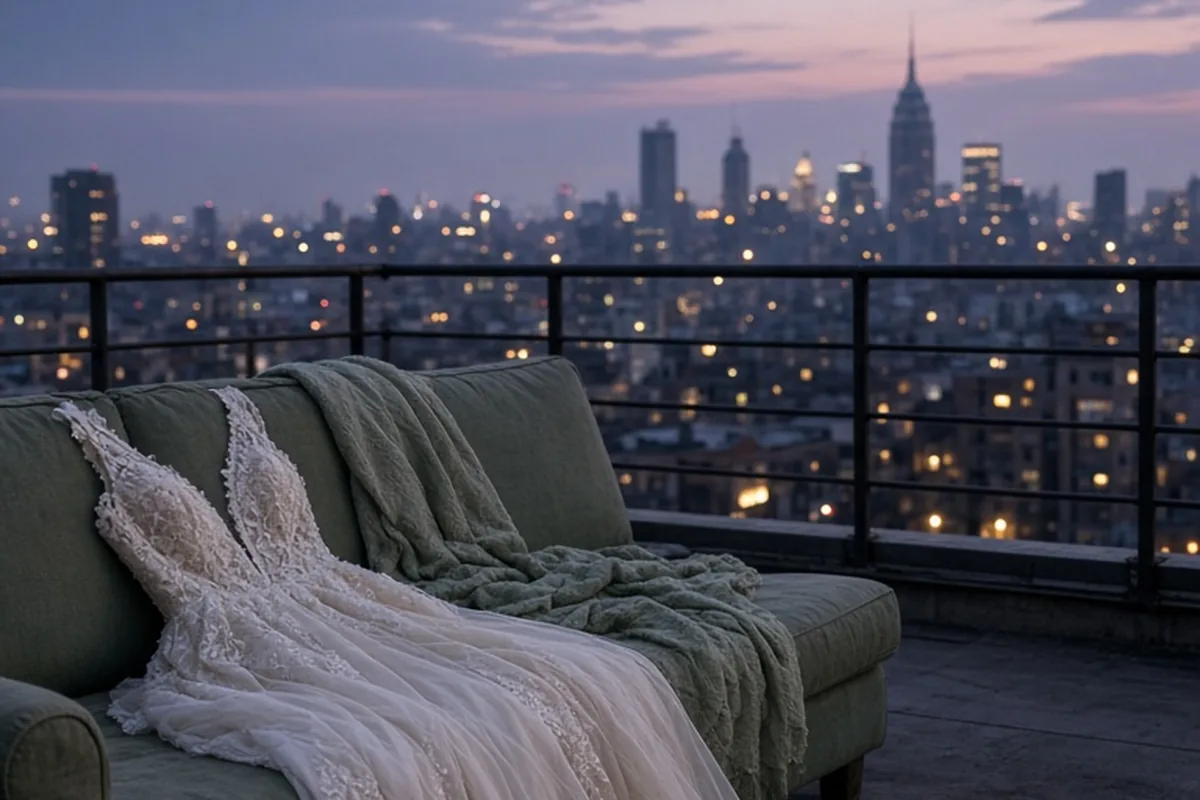
Sample wedding dresses for sale cost significantly less than made-to-order gowns because boutiques sell their in-store display models directly off the rack. The final price depends on the designer label, the original retail tier, how long the gown was tried on by shoppers, and whether the boutique is clearing seasonal inventory. However, your total investment also includes separate post-purchase expenses such as specialized bridal dry cleaning, structural repairs, and extensive tailoring.
Bridal salons stock floor samples so brides can try on different silhouettes and fabrics before placing a custom factory order. When a style is discontinued or a boutique needs rack space for new collections, these try-on gowns are marked down and sold as-is.
What You Pay for Floor Sample Gowns Versus Custom Orders
A sample wedding dress is a gown that a boutique purchased directly from a designer to serve as a floor model for appointments. Under standard bridal salon operations, brides try on these boutique-owned pieces, and the salon places a fresh factory order tailored to the bride's closest standard size. When you buy a sample dress, you bypass the standard production timeline and purchase the exact physical garment that has hung on the boutique floor, which is why salons discount them below their original retail list price.
The primary pricing distinction between a sample gown and a traditional special-order gown lies in the condition and production cycle. A brand-new custom order includes pristine fabric, zero wear, intact structural components, and custom color or hem configurations. A sample gown, by contrast, is sold as-is with all existing cosmetic and structural flaws. The discount reflects this prior floor handling, fabric fatigue from multiple try-ons, and the salon's desire to clear inventory space for incoming seasonal lines.
Physical Condition Factors That Drive Sample Gown Pricing
Boutiques assess the condition of their floor stock before assigning a markdown price. Dresses that arrived in the salon recently and experienced only a handful of try-ons command prices closer to full retail value, whereas older floor samples that have been handled by dozens of clients receive much steeper markdowns. Gowns crafted from sturdy, forgiving fabrics like structured mikado, heavy crepe, or clean satin tend to preserve their integrity better than delicate garments made of untreated silk chiffon or soft tulle, which show snags and pulls rapidly.
Salons also discount gowns based on specific localized damage. A broken invisible zipper, missing hook-and-eye closures, loose button loops, and stretched illusion mesh neckline panels all decrease the asking price because the buyer must take on the responsibility of fixing those defects. Similarly, cosmetic blemishes such as foundation smudges along the neckline, self-tanner marks along the inner bodice, and dust along the train hemline reduce what a boutique can reasonably charge for the piece.
The True Total Bill: Dry Cleaning, Repairs, and Tailoring
The sticker price on a sample sale tag rarely represents your final out-of-pocket expenditure. Because sample gowns are tried on by numerous shoppers, professional wet cleaning or dry cleaning is almost universally necessary before your wedding day. Bridal dry cleaning requires specialized processes to handle delicate lace, hand-beaded motifs, and horsehair braid hems without melting synthetic elements or dissolving fabric glues, making it a distinct expense that must be factored into your overall gown budget.
Tailoring represents another major portion of your true financial outlay. Traditional bridal sizing often runs smaller than contemporary ready-to-wear clothing, and floor samples frequently experience stretching around the bodice, armholes, and waistline from repeated fittings. Restoring structural boning, reinforcing loose beading, taking in side seams, shortening multiple layers of skirts, and adding a custom bustle system are billed separately by your independent seamstress or the salon's in-house alterations department.
Designer Tiers, Trunk Shows, and Boutique Liquidation Events
The original prestige of the fashion house dictates the baseline cost of a sample gown. High-end luxury couture samples constructed with genuine French lace, hand-embroidered pearls, and internal corsetry will retain a substantial price point even when discounted deeply, whereas diffusion lines and commercial bridal brands yield much lower initial purchase prices. When evaluating a sample tag, understanding the designer's standard retail tier helps you gauge whether the asking price represents genuine value or an overpriced floor piece.
The shopping venue and event type also influence pricing dynamics. Boutiques host periodic sample sale weekends to clear out discontinued collections, often offering tiered markdowns where prices drop further as the event progresses. Dedicated bridal outlet salons and consignment warehouses maintain permanent sample inventories with ongoing discounts, while luxury salon trunk show sample sales may feature gently handled runway pieces with smaller price reductions due to their exclusivity and current styling relevance.
Sizing Realities and the Cost of Major Structural Alterations
Salons typically order floor samples in standard middle bridal sizes to accommodate the widest range of prospective clients during standard appointments. If you fall significantly outside the sample gown's dimensions, altering the dress to fit your body can require substantial tailoring labor that erodes your initial purchase savings. Taking a gown in by multiple sizes involves unpicking delicate side zippers, repositioning intricate lace appliqués, reshaping armscyes, and rebalancing the bust cups.
Letting a sample gown out presents even greater technical challenges and potential financial risk. Factory seam allowances in sample dresses vary widely; some designers leave generous interior fabric margins, while others trim seams closely during construction. If a sample gown is too tight across the ribcage or hips and lacks sufficient interior fabric, your seamstress may need to source matching illusion tulle, insert gussets, or convert a traditional zipped back into a corset lace-up closure, all of which add complexity and tailoring fees.
Practical Inspection Checklist Before Signing an As-Is Sale Agreement
Sample dress purchases are almost universally final sale, meaning salons will not accept returns, issue refunds, or offer exchanges once you complete the transaction. Before handing over payment, conduct an exhaustive, methodical inspection of the entire garment in bright, natural light. Examine high-friction zones including the underarm seams, inner bodice boning channels, waist tape, zipper track, and the lower perimeter of the lining.
Bring a trusted alterations specialist or document close-up photographs of every damaged element to share with a tailor before purchasing. Check whether complex beaded patterns have unraveling threads that could shed embellishments across the skirt, verify that illusion mesh panels have no tears that cannot be hidden within seam lines, and ensure that train stains are on surface fibers rather than permanent chemical discolorations that resist professional treatment.
Frequently asked questions
Can every sample wedding dress be successfully altered to fit?
Most sample gowns can be taken in several sizes without compromising the silhouette, but letting a gown out depends entirely on the interior seam allowances left by the designer. If a dress is more than a couple of sizes too small, structural modifications like adding side panels or converting the closure to a corset back may be required.
Should I have a sample wedding dress cleaned before or after alterations?
You should generally clean the sample dress before major alterations begin. Cleaning removes oils, dust, and residues that could settle deeper during pressing, and it ensures your seamstress works with the fabric in its true, refreshed state without transferring floor grime during fittings.
Are sample wedding dresses sold with accessories like veils or belts?
Sample dresses are typically sold as standalone garments off the rack. Matching accessories like designer veils, decorative belts, detachable sleeves, and overskirts are usually sold separately unless explicitly bundled as part of a promotional package by the boutique.
How quickly can I take home a sample wedding dress after purchasing?
Unlike made-to-order gowns that take months to manufacture and ship, sample dresses are taken home immediately on the day of purchase. This makes sample buying an excellent choice for couples planning their wedding on a compressed timeline.
Your next step
Call local bridal boutiques to ask when they hold their next dedicated floor sample clearance, and schedule a consultation with an independent bridal seamstress to review alteration estimates before finalizing an as-is purchase.