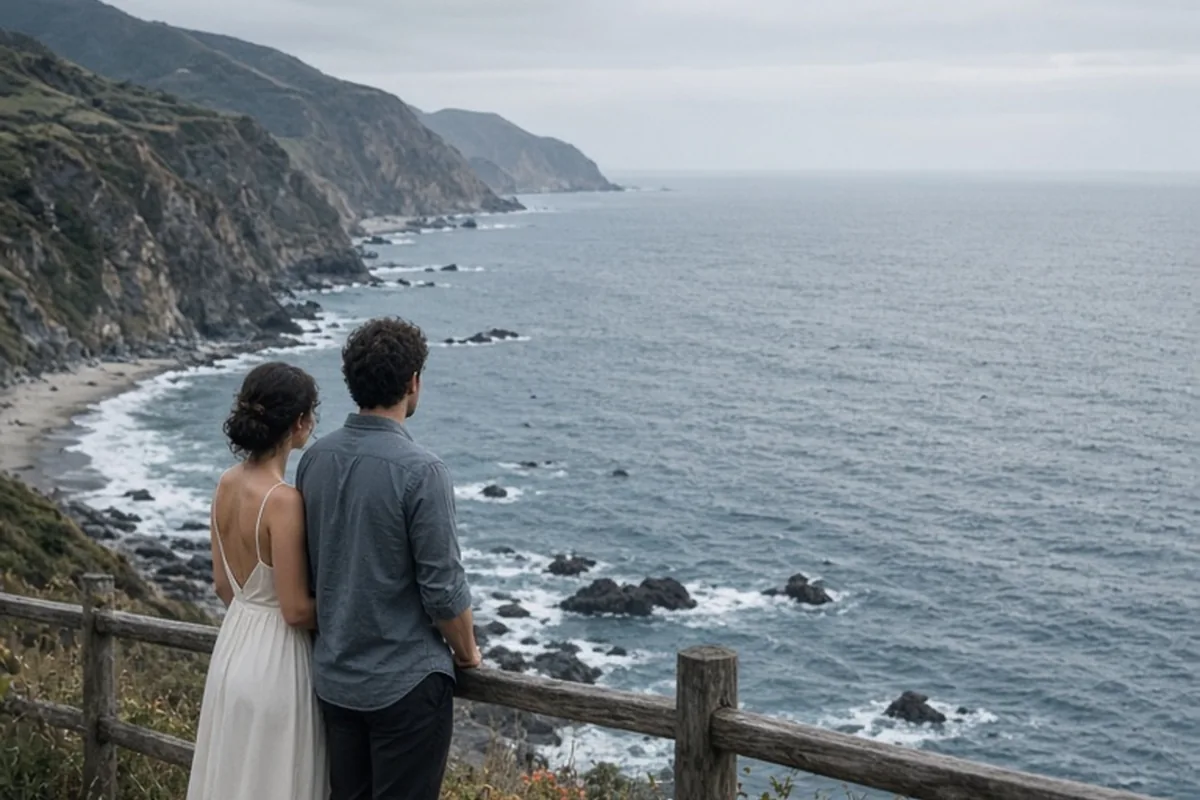
A wedding at a national park typically costs significantly less in venue fees than a traditional event venue, but total expenses vary widely based on logistics. Basic costs start with non-refundable permit application fees, site reservation fees, and potential hourly ranger monitoring charges. The primary budget drivers are vendor travel surcharges, commercial use authorizations, guest transportation, and renting an off-site reception venue outside park boundaries.
Exchanging vows against dramatic mountain ranges, deep canyons, or ancient forests draws thousands of couples to public lands each year. While federal park grounds provide an awe-inspiring natural backdrop at a fraction of standard ballroom rental rates, the total investment requires budgeting across unique logistical layers that standard wedding venues do not entail.
National Park Special Use Permits and Administrative Fee Structures
Every national park requires a Special Use Permit (SUP) to hold an organized ceremony on park land, regardless of whether the gathering includes two people or fifty. The fee structure for these permits is set individually by each park superintendent to recover administrative and management costs associated with reviewing applications and maintaining public grounds. Most parks charge a non-refundable permit application fee upfront, which covers staff time to review the proposed date, time, and specific location for environmental and visitor conflicts.
Beyond the baseline application fee, parks often assess location-specific fees or hourly monitoring charges if park rangers must oversee the event to protect natural resources or manage public access. High-traffic scenic overlooks or designated amphitheaters may carry established hourly or flat site fees on platforms like Recreation.gov. If your ceremony requires dedicated ranger staffing, utility access, or vehicle management, the park will bill monitoring fees per hour, per ranger. These fees must be verified directly with the specific park's Special Park Uses office before finalizing dates.
Commercial Use Authorizations and Vendor Licensing Expenses
Couples often overlook the legal licensing required for their creative team. Under federal regulations, any paid professional operating on National Park Service land—including photographers, videographers, floral stylists, and officiants—must hold a valid Commercial Use Authorization (CUA) or be covered under the park's specific commercial permitting rules. CUAs ensure that businesses carry proper general liability insurance and agree to follow park regulations.
Obtaining a CUA involves an application fee and sometimes an administrative recovery fee charged directly to the vendor by the park. When hiring local vendors who regularly operate within that specific park, these authorization costs are typically built into their standard service packages. However, if you hire an outside vendor who does not routinely work in that national park, you may be asked to reimburse the application fee or pay higher rates to cover their administrative compliance, specialized commercial insurance riders, and travel time.
Guest Count Limits and Transportation Logistics
National park ceremony locations have strict capacity limits designed to protect fragile trail ecosystems, preserve wildlife corridors, and prevent overcrowding. While small elopements with under ten participants have access to a broader variety of trailheads and viewpoints, larger groups of thirty to one hundred guests are generally restricted to developed amphitheaters, paved boardwalks, or historic structures. This boundary directly shapes your overall expenditure.
Parking is strictly limited at most scenic viewpoints, and parks rarely permit wedding parties to reserve parking spaces exclusively for private use. For gatherings larger than a few cars, couples often need to arrange group transportation, such as private shuttles, sprinter vans, or charter buses from nearby gateway towns. Budgeting for professional group transport avoids traffic congestion, guarantees all guests arrive on schedule, and complies with park policies regarding commercial bus permits and staging areas.
Leave No Trace Compliance and Infrastructure Expenses
All national parks enforce strict Leave No Trace (LNT) principles to preserve public lands in their natural state. These environmental protections eliminate several traditional wedding expenses while introducing alternative equipment requirements. Most park regulations prohibit temporary arches that must be staked into the ground, aisle runners, live potted plants, non-native flowers with loose seeds, candles, confetti, thrown flower petals, and amplified sound systems.
While eliminating heavy floral installations and elaborate backdrops saves money, you may need to invest in compliant alternatives. Portable battery-operated sound monitors, self-standing floral structures with weighted bases, and designated waste removal bags must be brought in and packed out completely. Furthermore, if you hold a ceremony in an undeveloped backcountry area, you may need to factor in portable sanitation rentals, bear-safe storage solutions, and handwashing stations depending on park superintendent mandates.
Vendor Travel Surcharges, Lodging, and Remote Site Premiums
National parks are often situated hours away from major metropolitan centers, which makes vendor logistics significantly different from urban weddings. Photographers, hair and makeup artists, and officiants generally charge travel stipends, mileage reimbursements, and overnight lodging fees to ensure they are on-site early in the morning or through the evening golden hour without risking highway delays.
Gateway communities surrounding popular national parks frequently feature elevated lodging, dining, and rental rates during peak tourist seasons. When bringing in specialized services—such as acoustic musicians or specialized outdoor catering—expect to cover two nights of lodging for critical personnel to avoid travel disruptions caused by mountain road closures, seasonal weather, or entrance gate traffic queues.
Budgeting for Reception Venues Outside Park Boundaries
A common misconception among couples is that the entire wedding day, including dinner and dancing, can occur at the ceremony site inside the park. The vast majority of national parks strictly forbid catered meal service, alcohol consumption, amplified dance music, and after-dark gatherings at outdoor public ceremony sites. Unless you secure a private event space within a historic park concessionaire lodge, you will need to host the reception outside the park.
Planning an off-site reception represents the largest portion of your overall wedding budget. Typical options in gateway towns include boutique mountain lodges, private guest ranches, independent restaurants with private dining rooms, or community event halls. Factoring in venue rental fees, catering minimums, beverage service, and guest transit between the park ceremony and the reception site ensures your total financial plan remains realistic.
Entrance Fees, Inclement Weather Plans, and Seasonal Surcharges
In addition to special event permits, wedding guests and vendors must pay the standard park entrance fee or present a valid Interagency Annual Pass (America the Beautiful pass) at the gate. If you have fifty guests arriving in individual vehicles, paying for their entrance passes in advance through the park's commercial or group ticketing office prevents surprise out-of-pocket costs for your attendees and speeds up entry at the toll booths.
Weather conditions in national parks are notoriously unpredictable, ranging from sudden mountain snowstorms and desert flash floods to high-wind events and regional wildfire smoke. Because parks do not refund permit fees for weather disruptions, couples must budget for a viable indoor or sheltered backup location. Securing a secondary indoor space in an adjacent town or ensuring your evening reception venue is available for a daytime ceremony pivot prevents costly emergency relocations.
How to Calculate Your Park Wedding Budget and Contact Rangers
To build an accurate budget, begin by separating non-negotiable federal fees from third-party vendor expenses. Start by reviewing the official website for your targeted national park under the Management and Special Park Uses tab to find current permit application instructions, approved location lists, and administrative fee schedules.
Reach out to the designated park coordinator well in advance—ideally six to twelve months ahead—to ask about specific date availability, maximum group sizes for your preferred overlooks, and any anticipated infrastructure repairs that might close roads or trails. Once park administrative parameters are clear, solicit itemized proposals from vendors that explicitly list travel fees, lodging stipends, and CUA licensing compliance.
Frequently asked questions
Do all wedding vendors need a Commercial Use Authorization to work in a national park?
Yes, any commercial service provider receiving compensation on park land—such as photographers, videographers, officiants, and setup crews—must hold an active Commercial Use Authorization or comply with the park's commercial filming and service rules. Verify with your prospective vendors that they hold the necessary permits or are prepared to obtain one before signing a contract.
Can you hold both a ceremony and a catered reception inside a national park?
Outdoor scenic sites generally prohibit full receptions, open catering, and alcohol service to preserve natural resources and prevent wildlife habituation. Receptions inside the park are typically limited to official historic concessionaire hotels and lodges with dedicated banquet facilities; otherwise, receptions must be held outside park gates.
Are park entrance fees included in the Special Use Permit cost?
No, Special Use Permits cover only the administrative and monitoring costs of holding the organized event. All vehicles and guests entering the park must still pay standard vehicle entrance fees or present valid federal recreation passes unless a specific park rule explicitly states otherwise.
What happens to permit fees if extreme weather or road closures shut down the park?
Permit application and administrative fees are generally non-refundable because they compensate the park for staff review time already expended. If the park is officially closed due to an emergency or severe weather, park staff may allow you to reschedule your permit for a future date without reapplying, but policies vary by jurisdiction.
Your next step
Contact the Special Park Uses Coordinator at your chosen national park to request their official permit application and approved ceremony location list before booking any external vendors.