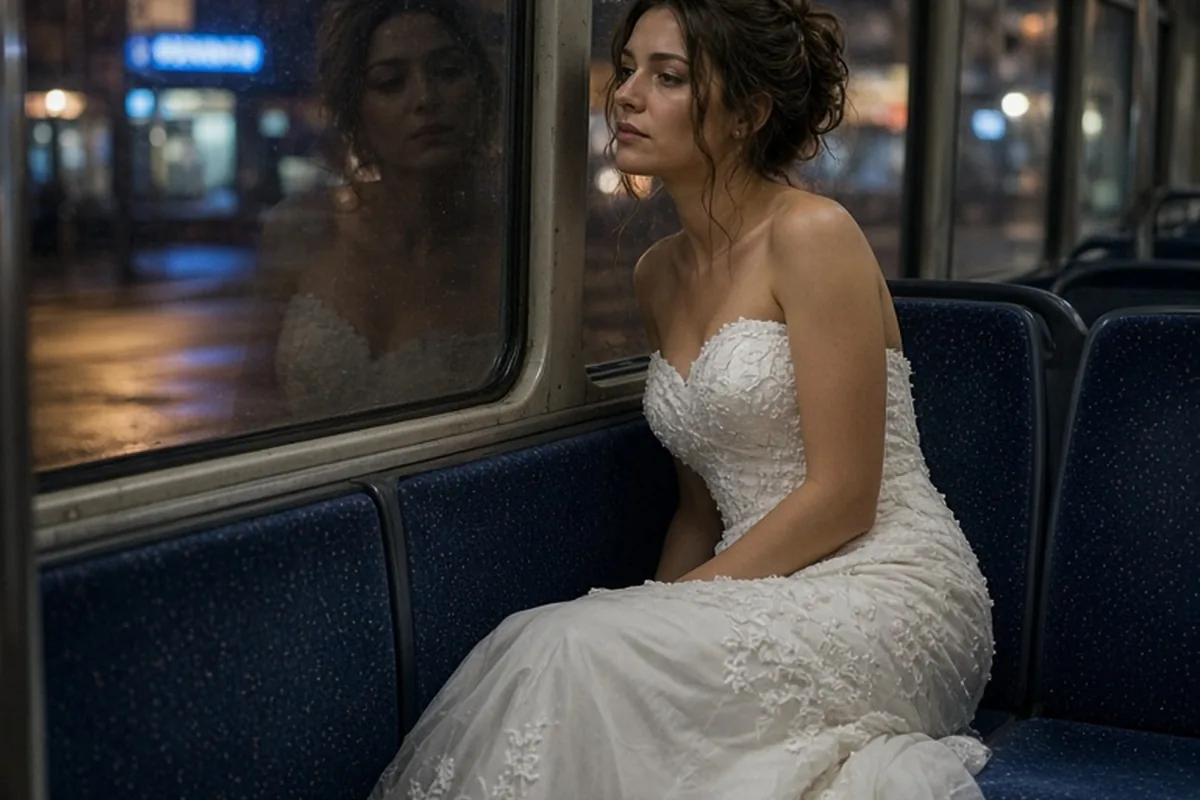
Wedding dress alteration costs depend on whether a bridal salon or independent tailor bills using flat package pricing, hourly labor rates, or itemized service menus. Because construction methods, fabric complexity, and the extent of tailoring vary significantly between gowns, total quotes reflect the specific labor required for tasks like shortening multi-layered hems, sculpting bodices, and building custom bustles. Tailors calculate final charges based on garment architecture, delicate embellishments, and turnaround deadlines rather than the retail price of the dress.
Purchasing a gown is rarely the final financial step before a wedding, as both off-the-rack samples and made-to-order dresses are manufactured to standardized size charts rather than an individual's unique proportions.
In-House Bridal Salon Packages vs. Independent Tailor Billing Models
Bridal alterations generally follow one of two financial structures: bundled service packages offered directly through bridal salons, or itemized, fee-for-service billing standard among independent alteration specialists. Salons frequently provide flat-fee tiers intended to cover routine adjustments. A baseline tier typically includes standard hem shortening, taking in or letting out side seams through the bust and waist, adjusting shoulder straps, and sewing in basic bra cups. Higher-tier salon packages may incorporate more complex bustles or minor neckline tweaks. The primary appeal of an in-house package is financial predictability, as brides receive a firm quote at the time of dress purchase without worrying about unforeseen hours spent adjusting internal seams.
Bundled salon packages, however, carry distinct limitations that require careful review before signing a contract. Salons frequently limit package coverage to standard gown modifications, deliberately excluding custom design changes, extensive reshaping, or dresses with intricate multi-tier skirts. If an in-house seamstress encounters unexpected internal boning complications or if you request a customized backline, the salon often bills those items on top of the base package rate. Furthermore, brides who purchase an off-the-rack sample gown requiring major reconstruction across multiple sizes may discover that standard packages do not apply, shifting their billing to variable custom rates.
Independent bridal tailors and couture alteration studios predominantly use itemized pricing or bill by the working hour. In an itemized framework, you pay exclusively for the specific physical alterations your garment demands. If your dress already fits your waist perfectly and only requires a two-inch hem adjustment and strap shortening, an independent tailor's itemized bill may prove considerably more economical than a salon's flat baseline package. Conversely, if your gown requires comprehensive disassembly across the bodice, multiple hem layers, and delicate bead repositioning, an hourly or itemized quote from an independent couture specialist will reflect that concentrated labor.
Structural Dress Construction Details That Drive Alteration Labor
The physical architecture of a wedding gown determines how many hours of manual needlework a tailor must invest, directly dictating the final quote. A hemline on an unembellished, single-layer crepe sheath requires straightforward marking, cutting, pressing, and machine stitching. In contrast, ballgowns and A-line silhouettes often feature five to eight individual layers, including slippery silk linings, stiff crinoline netting, volume-building horsehair braid, and external tulle or organza. Shortening a multi-tiered skirt requires the tailor to measure, trim, and finish every layer separately to preserve the skirt's natural drape, balance, and movement.
Embellishments introduce significant manual labor because sewing machines cannot sew directly across dense beading, sequins, crystals, or three-dimensional floral appliques without snapping needles and damaging delicate fabrics. When a seamstress takes in the side seams of a heavily beaded bodice, she must first painstakingly unpick individual beads and lace appliques by hand along the alteration line. Once the structural seam is stitched, reinforced, and pressed, she must hand-sew those individual decorative elements back over the new seam to ensure uninterrupted visual continuity. This labor-intensive unpicking and re-anchoring process can double or triple the bench hours required for what might otherwise seem like a minor adjustment.
Train engineering and bustle construction represent another major labor variable. Because wedding dresses do not arrive with pre-set bustles from the designer, every bustle must be custom-engineered to match the bride's height, walking stride, gown weight, and fabric structure. Lightweight silk skirts may require delicate three-point American over-bustles secured with clear buttons or ribbon loops, while heavy satin, velvet, or multi-layered royal trains require intricate five-to-nine-point French under-bustles reinforced with interior grosgrain ribbon ties to distribute weight evenly without tearing delicate outer layers.
Sizing Adjustments Versus Custom Structural Redesigns
Alteration billing clearly distinguishes between standard sizing adjustments and structural redesigns. Sizing work focuses on aligning an existing garment pattern with the wearer's physical measurements without altering the designer's foundational silhouette. Common sizing adjustments include taking in side seams, letting out seam allowances where extra interior fabric exists, raising or lowering strap tension, shortening hem lengths, and sewing in contoured soft cups to eliminate the need for specialty undergarments. These tasks modify fit while leaving the core design and structural engineering intact.
Structural redesigns, by comparison, involve altering the design footprint, silhouette, or functional closure of the dress. Converting a standard zipper back into a corset closure with lace-up loops and an modesty panel requires building new interior channels, installing grommets or fabric loops, and re-boning the bodice to handle the dynamic tension of corset lacing. Similarly, opening up an illusion mesh back, lowering a plunge neckline, detaching or adding tailored sleeves, or removing multiple layers of internal crinoline to transform a ballgown into an A-line shape constitutes custom dressmaking rather than routine tailoring.
When planning gown modifications, consider that altering a dress by more than two full sizes fundamentally changes the relationship between bust points, waistline position, darts, and armholes. While tailors can comfortably adjust a gown up or down by one or two sizes, downsizing a dress by three or more sizes requires completely disassembling the garment and re-cutting individual pattern pieces. Re-cutting alters the balance of the gown and approaches the labor level of constructing an entirely bespoke dress, which significantly increases total billable hours.
Fitting Timelines, Number of Appointments, and Expedited Scheduling
A standard bridal alteration process spans three to four distinct fitting appointments spread across two to three months. The initial fitting takes place approximately eight to twelve weeks prior to the wedding date, serving as the architectural baseline where the seamstress pins the side seams, evaluates strap tension, determines the hem height against wedding shoes, and sketches out bustle placement options. Pinning a complex dress accurately can take anywhere from forty-five to ninety minutes as the tailor assesses balance, posture, and fabric drape under movement.
The second fitting occurs roughly four to six weeks before the event, allowing the tailor to inspect the initial basted or stitched alterations while the seams remain accessible for fine adjustments. During this stage, you evaluate whether the bodice feels secure without pinching, whether the hem brushes the floor evenly on all sides, and whether the bustle holds securely when you walk and turn. A third fitting focuses on micro-adjustments, ensuring that minor body weight shifts have not compromised the fit, while a final pickup appointment includes a demonstration of the bustle mechanism for a designated attendant and the final pressing or steaming.
Compressing this timeline into a narrow window inevitably results in expedited service fees. Bridal tailors maintain strict appointment limits during peak wedding seasons, meaning late-notice alterations require evening or weekend overtime to meet deadlines. If you order a gown late or purchase an off-the-rack sample only weeks before your wedding date, rush fees are applied on top of standard labor rates to compensate for bumped queue positions and expedited turnarounds.
Essential Inquiries to Make Before Committing to a Bridal Seamstress
Securing an accurate, binding alteration quote requires asking specific structural and contractual questions during your initial consultation. Inquire directly whether the tailor provides an itemized written estimate detailing the exact scope of proposed work before any shears touch the fabric. A transparent estimate should separate hem labor, bodice work, strap adjustments, cup installation, and bustle mechanics into distinct line items, rather than presenting an undifferentiated lump sum that prevents you from prioritizing non-essential modifications.
Ask how the tailor addresses subsequent fit changes between the secondary fitting and the final collection appointment. Clarify whether minor refinement stitching performed at the third appointment is covered under the initial quote or if additional fitting fees will apply. Inquire specifically about their familiarity with your gown's specific fabric type and designer, as working with bias-cut silk slip dresses presents vastly different structural challenges than manipulating stiff mikado silk or heavily encrusted illusion lace.
Confirm whether gown pressing, steaming, and archival storage bags are incorporated into the estimated pricing. Professional bridal steaming requires specialized equipment capable of handling delicate tulle, taffeta, and beaded layers without creating water spots or melting synthetic fibers. When tailors exclude pressing from their core estimate, brides can encounter an unexpected add-on charge at the final collection appointment.
Strategic Decisions to Control Gown Fitting and Modification Expenses
Managing wedding dress alteration expenses begins well before your first appointment with a tailor. When ordering a made-to-order gown from a bridal boutique, carefully review the designer's sizing chart with your consultant. If your bust and waist measure as one size while your hips fall into a larger bracket, select the size that accommodates your largest measurement. Taking in excess fabric at the waist or bust is technically straightforward and cost-effective, whereas attempting to let out a gown that is too small often requires splicing in matching fabric panels or compromising structural seam allowances.
Stabilizing your foundation accessories is the most effective way to eliminate costly rework. Your tailor establishes hemline position based on the exact millimeter height of your chosen wedding shoes; changing footwear heel heights after the hem has been trimmed and finished forces the tailor to unstitch, re-measure, and re-sew the entire hem from scratch. The same rule applies to shapewear, adhesive bras, or waist trainers. Wearing varying support garments between appointments alters your posture and ribcage circumference, leading to conflicting alteration lines and duplicate fitting charges.
Carefully weigh the financial trade-offs of aesthetic modifications before greenlighting structural changes. Adding custom long illusion sleeves to a strapless gown requires sourcing matching lace appliques, matching skin-tone mesh, patterning custom armscyes, and anchoring sleeve balance points to prevent the bodice from pulling down. Often, opting for a complementary bridal capelet, bolero, or custom veil achieves the desired covered aesthetic with greater ease and without permanently restructuring the gown's internal architecture.
Illustrative Scenarios
Comparing Package Quotes Against Itemized Estimates for a Scalloped Lace Gown
A bride purchasing an A-line gown with an intricate scalloped lace border evaluated two alteration estimates: an in-house bridal boutique flat package and an independent couture alteration studio itemized quote. The boutique's package appeared convenient but specifically excluded relocating scalloped lace borders, meaning the tailor would either have to shorten the hem straight across the bottom—destroying the lace pattern—or bill custom surcharges on top of the base package. The independent tailor provided an itemized proposal that detailed lifting the skirt from the waist seam to preserve the bottom scalloped lace intact, alongside specific line items for side seam intake and a five-point French bustle.
Key point: Reviewing fine print exclusions in flat alteration packages prevents unexpected supplemental charges on gowns with complex hemline ornamentation.
Frequently asked questions
Can a wedding dress be altered if it is too small?
A wedding dress can typically be let out if the designer included sufficient seam allowances inside the garment, which usually permits gaining one size. If no extra fabric exists, a skilled tailor can insert matching fabric panels or replace a zipper closure with a lace-up corset back to expand the bodice circumference.
When should I bring my shoes and undergarments to my fitting?
You must bring your exact wedding shoes and chosen foundation garments to every single fitting appointment starting from day one. Altering a hemline without the final shoe height or pinning a bodice without the planned bra or shapewear results in inaccurate measurements that require costly duplicate labor to correct.
How do independent tailors determine their labor charges?
Independent bridal tailors establish charges based on the estimated manual bench hours required to modify your specific garment. Complex fabrics like beaded lace, multi-layered tulle, and structural interior boning demand more time and specialized handwork than unembellished, clean-finished textiles.
Is tipping expected for wedding dress alterations?
Tipping is not standard industry practice for wedding dress alterations, particularly when working with an independent business owner who sets their own service prices. If an in-house seamstress at a larger salon provides exceptional craftsmanship or accommodates tight timelines, a modest gratuity or a heartfelt note with wedding photos is widely appreciated but never required.
Your next step
Schedule an initial in-person consultation with your prospective bridal tailor with your wedding shoes in hand to receive a written, itemized breakdown before authorizing any seam adjustments.