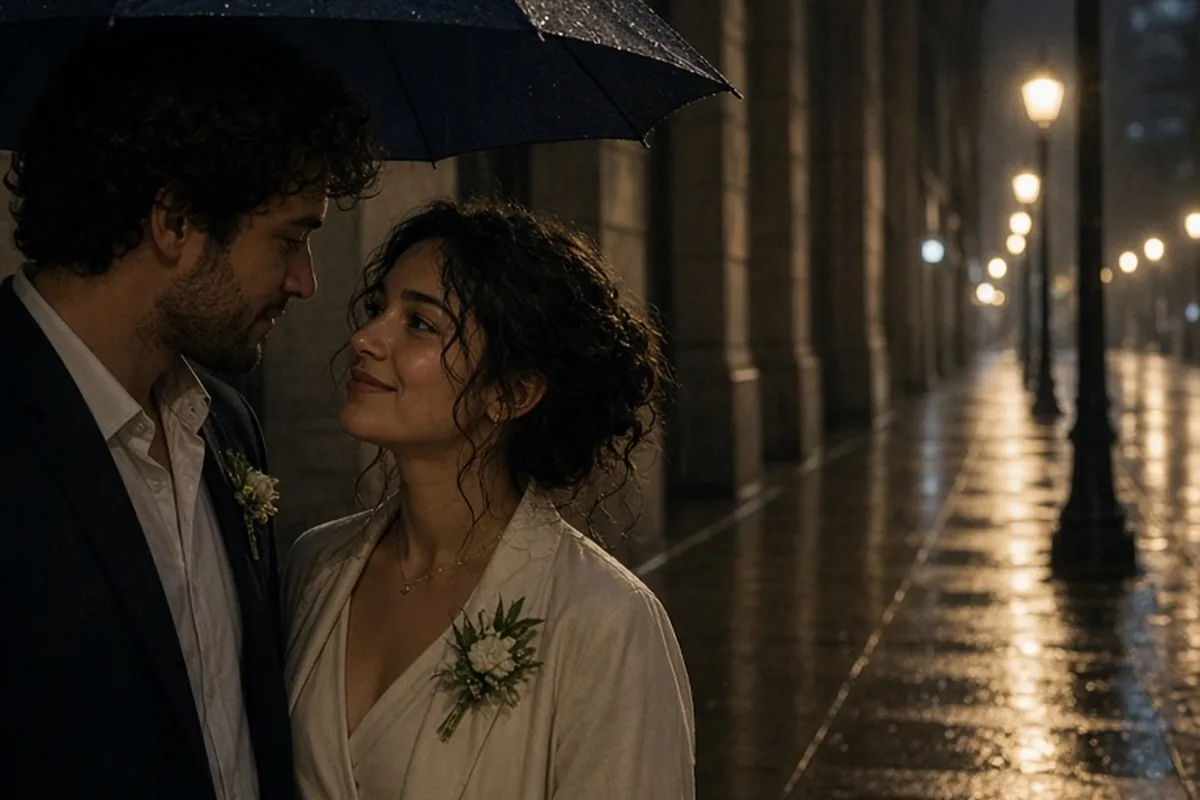
Budgeting for a courthouse wedding involves prioritizing three core expense categories: municipal legal fees, personal visual elements, and celebration logistics. Couples should first verify mandatory county marriage license and ceremony charges, then decide how much to allocate toward optional enhancements such as professional photography, tailored attire, florals, and a post-ceremony meal. Establishing clear spending limits for each category ensures a legally sound, meaningful civil ceremony without unplanned expenses.
A civil ceremony offers a streamlined, intimate path to marriage, yet couples often underestimate the administrative requirements and variable costs that accompany a courthouse wedding. Approaching the process with a realistic spending plan ensures you satisfy municipal legalities while creating an intentional, memorable day that aligns with your personal budget.
Navigating County Marriage License and Civil Ceremony Fees
The primary non-negotiable expense of any courthouse wedding is the statutory fee structure established by your local municipal, county, or district clerk. Every jurisdiction sets its own independent rates for issuing marriage licenses, and these fees frequently vary based on state residency, completion of premarital preparation courses, and specific county ordinances. In addition to the license application itself, many courthouses charge a separate civil officiant or judge fee to perform the ceremony on-site. Because municipal offices typically operate on fixed fee schedules, reviewing your local clerk's official website or calling their records division is the most reliable way to obtain exact current figures before drafting your initial budget.
Payment methods at government offices can also introduce logistical hurdles if not planned in advance. Some county clerks accept major credit cards with an added administrative processing surcharge, while others strictly require exact cash, money orders, or certified cashier's checks. Furthermore, you must budget for certified copies of the recorded marriage certificate following the ceremony. Obtaining several official copies is necessary for updating legal records, insurance policies, immigration filings, and identification documents. Factoring in both the initial license, the magistrate fee, and multiple certified copies gives you a complete, accurate baseline for the legal portion of your wedding expenses.
Allocating Funds Between Courthouse Attire and Personal Styling
Courthouse weddings grant couples tremendous aesthetic flexibility, removing the rigid formal wear expectations often associated with traditional venues. Your wardrobe budget can range from off-the-rack contemporary suits and ready-to-wear midi dresses to custom tailoring, vintage heirlooms, or repurposed garments you already own. When allocating funds for your ceremony look, it is vital to account for alterations alongside the purchase price. Even ready-to-wear clothing often requires minor adjustments to the hem, waist, or shoulders to achieve a polished fit, and tailor fees vary widely depending on garment construction, fabric delicacy, and the timeline required.
Beyond the primary outfit, personal styling costs encompass footwear, accessories, outer layers, and grooming. Historic courthouses and modern municipal buildings often have varied indoor climates and marble hallways, making comfortable shoes and seasonal outer layers like coats, wraps, or blazers both practical and stylistic necessities. If you choose to hire professional hair and makeup artists, consider whether you want on-site services at your home or prefer visiting a salon chair on the morning of the ceremony. Salon visits generally carry lower minimum service thresholds than on-location travel appointments, making them a cost-effective option for courthouse timelines.
Deciding on Professional Photography Versus Candid Courthouse Snaps
Photography is frequently the largest discretionary line item in a courthouse wedding budget, yet it provides lasting visual documentation of the milestone. Because civil ceremonies are typically brief—often lasting under fifteen minutes—many independent wedding photographers offer dedicated elopement or hourly packages rather than their full-day standard rates. An hourly rate structure allows you to secure coverage for the ceremony itself, portraits inside the courthouse architecture, and candid photos on the surrounding city streets without paying for unnecessary multi-hour reception coverage.
When collecting quotes from local photographers, request portfolio examples of civil ceremonies they have previously documented in your specific jurisdiction. Courthouses present unique lighting conditions, from fluorescent government offices to high-ceilinged historic rotunda spaces with strict flash restrictions. A professional familiar with your local building will understand permit requirements, restricted areas, and optimal outdoor portrait spots nearby. If a professional photographer falls outside your spending limits, designate a trusted guest with a quality digital camera or smartphone to take structured portraits, ensuring they understand the venue's photography rules in advance.
Budgeting for Guest Limitations, Witness Requirements, and Post-Ceremony Meals
Courthouse ceremony spaces vary substantially in physical size and legal guest capacity. Many city halls and magistrates enforce strict attendance caps, restricting room occupancy to anywhere from two to twenty individuals, including the couple, legal witnesses, and any hired photographer. Before booking reservations for an after-party or sending invitations, contact the clerk to confirm the maximum allowable number of attendees in the ceremony room. Additionally, verify your state's witness laws; while some jurisdictions require one or two adult witnesses to sign the certificate, others require none, which directly influences who must attend the official proceeding.
Celebrating after the ceremony usually centers around a shared meal, which represents a flexible spending category that can be scaled to fit your budget. Options range from hosting an intimate private dining room lunch at a favorite restaurant to organizing a relaxed family-style brunch or reserving a table at a local bistro. Private dining spaces often involve food and beverage minimum spends along with mandatory service charges and local taxes, whereas standard group table reservations allow guests to order individually. Clarifying payment expectations in advance—whether you are hosting the entire meal or gathering informally—keeps expectations clear and prevents unexpected dining expenses.
Managing Hidden Administrative, Parking, and Expedited Filing Costs
Small logistical details can quickly add up if they are omitted from your primary wedding spending sheet. Municipal buildings are typically situated in dense downtown cores or civic centers where free parking is rare. Budgeting for downtown parking meters, structured parking garages, or rideshare services for yourselves and close family prevents last-minute stress on the morning of the ceremony. Additionally, some metropolitan clerks require advance security screening or paid building entry permits for commercial equipment brought by professional photographers, which should be verified prior to the date.
Another administrative variable is the processing timeline for marriage documentation. Standard filing procedures through county records offices can take several business days or weeks to officially record the union and issue final paperwork. If you need your completed marriage certificate quickly for health insurance enrollment, visa processing, or impending travel, your clerk's office may offer expedited filing or rush delivery for an additional statutory charge. Incorporating a modest contingency line item into your budget covers these miscellaneous civic expenses, postage fees, and local administrative surcharges seamlessly.
Creating a Scalable Courthouse Celebration Budget Structure
Structuring a realistic courthouse wedding budget requires categorizing expenses into essential legalities, personal priorities, and discretionary enhancements. Begin by establishing your non-negotiable legal floor, which includes the marriage license, ceremony fee, and certified copies. Once this municipal baseline is secured, determine your primary aesthetic and experiential priorities as a couple. For example, if professional imagery is your highest priority, allocate the largest share of your remaining funds to an experienced elopement photographer while choosing accessible off-the-rack attire and a simple post-ceremony toast.
Conversely, couples who prioritize a celebratory gathering with close friends and family can allocate more of their resources toward a multi-course private lunch, custom floral arrangements, and formal attire while relying on simpler photo coverage. To maintain financial control, create a dedicated digital tracking sheet divided into clear categories: Municipal & Legal, Attire & Beauty, Documentation, Florals & Decor, and Celebration & Hospitality. Assigning realistic spending caps to each category and noting payment due dates prevents impulse purchases and keeps your total investment aligned with your financial parameters.
Step-by-Step Timeline to Coordinate County Deadlines with Vendor Bookings
Executing a courthouse wedding smoothly requires aligning municipal administrative deadlines with independent vendor schedules. Most states mandate an active statutory window for marriage licenses: the license is often valid for a specific timeframe (such as thirty, sixty, or ninety days) after issuance, and some jurisdictions enforce a mandatory waiting period between license application and the actual ceremony. Missing these parameters can invalidate the paperwork or force you to repurchase a license, creating unnecessary costs and scheduling conflicts.
Begin your planning approximately two to three months before your desired date by researching appointment availability at your county office. Some courthouses allow online ceremony reservations months in advance, while others operate strictly on walk-in calendars on designated days of the week. Once your date or municipal appointment is confirmed, secure your photographer, order any custom attire, and finalize dining reservations. One to two weeks prior to the date, re-confirm valid government-issued photo identification requirements, ensure you have the correct payment method ready for the clerk, and review the venue's guest rules with your attendees.
Frequently asked questions
How much does a marriage license typically cost at a courthouse?
Marriage license fees are set by individual county or municipal governments and vary based on state laws, residency status, and premarital course completion. Contact your local county clerk's office or visit their official website to verify their exact current fee schedule and accepted payment methods before your appointment.
Do courthouses provide an officiant, or do we need to hire one?
Most courthouses have a presiding judge, magistrate, or designated deputy clerk available to perform civil ceremonies on-site, often for a standard municipal fee. Some jurisdictions require you to schedule the officiant in advance, while others allow walk-in ceremonies during specific public hours.
Can we bring our own photographer into the courthouse ceremony room?
In most jurisdictions, couples are permitted to bring a professional photographer or guest to take photos, provided the room's maximum guest capacity is not exceeded. Always verify local courtroom rules in advance, as some historic or active judicial chambers restrict flash photography, tripods, or video recording.
How far in advance should we apply for our marriage license?
Check your local county regulations for validity windows and mandatory waiting periods, as some states require a 24-to-72-hour waiting period after issuance before the ceremony can occur. Most marriage licenses expire within 30 to 90 days of issuance, so applying two to four weeks before your scheduled date is standard.
Your next step
Visit your local county clerk's official website today to verify their marriage license fee, ceremony reservation requirements, and accepted payment methods to establish the legal baseline for your wedding budget.