To choose a wedding nail design that fits your dress, align your nail polish undertone with your gown shade, balance intricate embellishments with simpler nail art, and select a nail shape that echoes your dress silhouette. Delicate lace and heavy beading pair best with clean, glazed, or sheer finishes, while minimalist crepe gowns allow for subtle 3D textures, chrome accents, or gentle color pops.
Your bridal manicure serves as an intentional accessory that ties together your dress, your ring, and your bouquet in close-up photographs. Choosing the right design requires considering fabric texture, garment movement, metal tones, and practical day-of durability.
Aligning Polish Shades with Dress Fabrics and Undertones
Bridal gowns rarely come in a single universal white, and your nail color should complement the exact undertone of your gown rather than compete with it. True optic white fabrics pair cleanly with crisp sheer pinks, cool-toned milks, or bright classic French tips. If your dress is warm ivory, champagne, or antique cream, a stark white polish can look chalky and make the gown appear slightly yellowed in photographs. For warmer fabrics, opt for soft alabaster, linen cream, or sheer peach-toned bases that echo the gown's natural warmth.
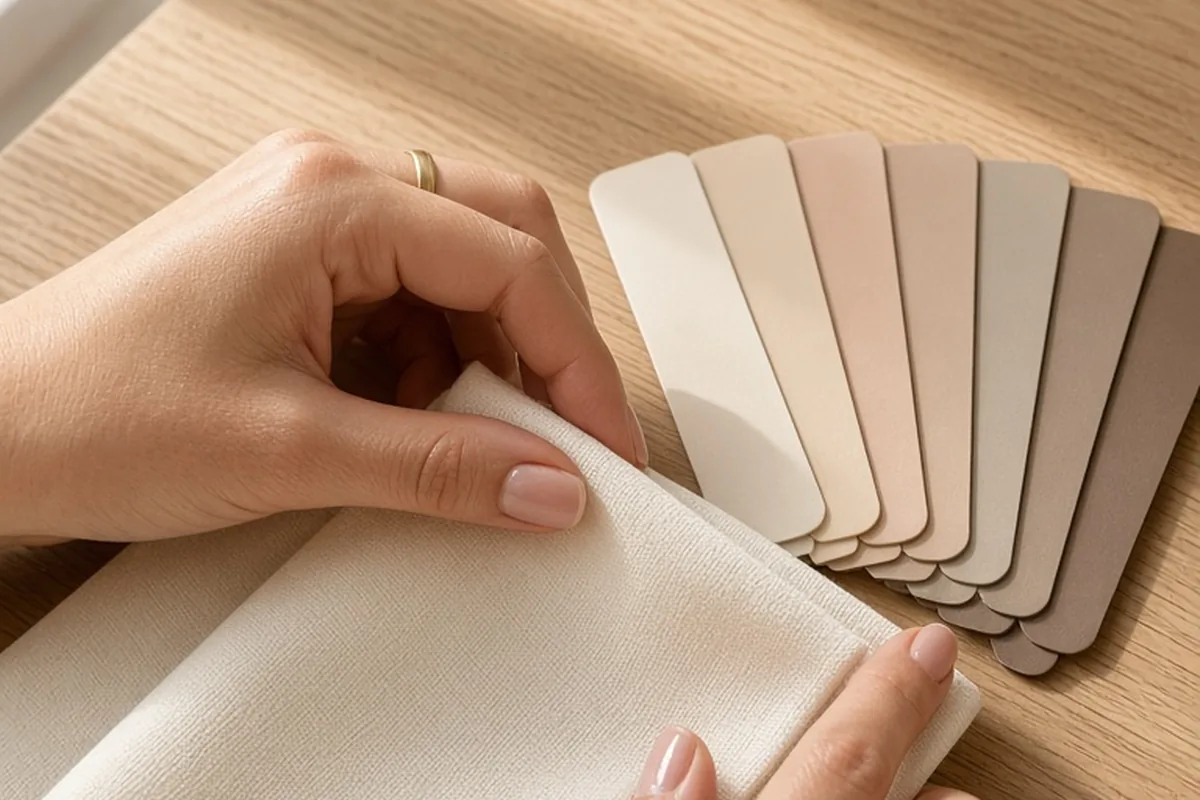
Color complexity increases with modern gowns featuring blush, mocha, or lavender underlays beneath tulle. When your gown incorporates subtle pastel lining, you have the option to match the nail base directly to that hidden hue or stick with an ultra-sheer neutral. A useful test is placing a swatch of your dress fabric next to a set of polish swatch sticks under natural daylight. If the swatch pulls out gray or muddy tones in the polish, shift to a warmer or more translucent formula.
A common trade-off with heavily pigmented opaque nudes is visible regrowth or small chips near the cuticles. If your wedding events span several days, sheer jelly polishes and semi-translucent milky tones provide a more forgiving wear window while blending seamlessly with multi-toned fabrics.
Balancing Gown Embellishments with Nail Art Complexity
Visual balance determines whether your overall bridal look feels cohesive or cluttered. If your wedding dress is heavily encrusted with pearl beading, sequins, metallic embroidery, or dramatic floral applique, your hands should act as an elegant resting point. An understated sheer gloss, a micro-French edge, or a subtle glazed chrome allows your gown's artistry to remain the focal point while keeping your hands looking manicured and finished.
Conversely, if you are wearing an unembellished architectural gown—such as a clean silk crepe slip, a structured mikado ballgown, or a modern satin column—your nails have more room to showcase intricate detail. You can introduce raised 3D floral accents, embedded gold leaf, scattered crystal cuticles, or textured velvet finishes without overwhelming the visual composition of the ensemble.
When incorporating embellishments on both your gown and your nails, mirror the scale and type of detail. For example, if your dress features tiny freshwater pearls along the spine, subtle micro-pearl placements on an accent nail create an intentional motif. However, avoid mixing completely contrasting textures, such as heavy geometric foil alongside romantic vintage lace, which can create visual discord.
Matching Nail Shape and Length to Dress Silhouettes
The overall silhouette of your gown sets the mood and lines of your wedding look, and your nail shape can reinforce that geometry. Sleek, contemporary gowns—such as high-neck sheaths, sharp halter cuts, and modern tailoring—pair naturally with structured nail shapes like soft squares, squovals, or precise short almonds. These angular contours mirror the clean vertical lines and sharp construction of the garment.
Romantic ballgowns, ethereal tulle skirts, and cascading A-line dresses tend to favor softer, flowing shapes like traditional oval or medium almond. These curved contours extend the line of your fingers and harmonize with the soft drapes, ruffles, and rounded movement of voluminous skirts.
Length is equally important to evaluate alongside silhouette. Dramatic lengths like long coffin or stiletto shapes suit avant-garde or glamorous evening gowns, but they can clash with rustic or relaxed outdoor wedding styles. Ensure the chosen length feels authentic to your daily comfort level, as unnatural lengths can alter how you hold your bouquet, adjust your veil, or grip your partner's hand during the ceremony.
Coordinating with Jewelry Metals and Bouquet Tones
Your hands are rarely viewed in isolation from your wedding jewelry and floral arrangements. The metals you wear—whether platinum, yellow gold, rose gold, or mixed metals—should inform the metallic undertones of your manicure. Warm yellow gold rings look rich against warm creamy bases and delicate gold chrome accents, whereas platinum or white gold rings shine alongside cool iridescent glazes, silver foil touches, or cool-toned baby boomer gradients.
Your bouquet also plays a role in how your nails photograph. Holding vibrant, dark blooms like burgundy dahlias or deep emerald greenery against a pale dress creates high contrast where your nails will sit directly in the frame. If your bouquet contains bold colors, a neutral nail prevents excessive color clash. If your bouquet consists entirely of monochromatic white roses, a soft blush or tinted glazed nail can add gentle depth to close-up ring and bouquet shots.
A trade-off with metallic chrome powders and leafing is their sensitivity to topcoat wear. High-friction activities like fastening clasps or smoothing textured bouquets can rub chrome at the free edge if not thoroughly capped by your technician. Request a double layer of builder gel or high-durability topcoat over any metallic embellishment.
Preventing Fabric Snags and Preserving Gown Integrity
A critical yet frequently overlooked factor is how your nail design physically interacts with delicate dress materials. Ultra-fine fabrics such as French Chantilly lace, silk chiffon, raw organza, and fine illusion tulle catch easily on raised nail art, rough 3D charms, sharp square corners, or unsealed rhinestones. A single sharp edge can pull threads or tear fragile illusion mesh while you adjust your bodice or lift your skirt to walk.
If you select crystal or pearl nail art, ask your nail artist to encapsulate the elements in a smooth layer of clear builder gel or ensure every claw setting is fully rounded without sharp prongs. Avoid open metal settings on rhinestones, which act as tiny hooks against open-weave laces.
Inspect your nails the day they are finished by gently running your fingertips over a clean pair of microfiber cloths or a fine nylon stocking. If any edge catches or pulls the fabric fibers, have your nail technician buff and seal that specific point immediately rather than risking damage to your wedding gown on the morning of the event.
Comparing Popular Bridal Manicure Styles and Lifespans
Different bridal nail styles offer distinct visual effects and wear characteristics. Understanding the practical realities of each popular aesthetic helps you choose a design that matches your dress while holding up throughout your celebration:
Consider your wedding schedule when making a selection. If you are departing directly on a tropical honeymoon involving sand, saltwater, and sunscreen, sheer milky gel or encapsulated shimmer maintains its finish longer than chrome powders or delicate 3D elements, which can dull or lift with prolonged exposure to oils and water.
- Glazed and Chrome Finishes: Impart a luminous, pearl-like sheen that catches light beautifully against satin and silk, though they require precise surface prep to prevent visible ridges.
- Baby Boomer and French Ombre: Offer a soft, seamless white-to-pink gradient that eliminates harsh smile lines, making it versatile across both modern and vintage gown styles.
- Micro-French Tips: Feature an ultra-thin line along the edge that defines the nail without cutting the visual length of shorter nail beds, pairing well with minimalist and tailored gowns.
- Sheer Milky Base: Provides a clean, clean-girl aesthetic that works with any dress fabric and forgives minor nail growth during multi-day events.
Timing Your Manicure Trial and Final Wedding Application
Proper scheduling prevents last-minute panic and allows you to test how your nails perform with your gown. Schedule a manicure trial approximately four to six weeks before the wedding, ideally coordinating it with your final dress fitting. This timing gives you the opportunity to view the polish alongside the exact fabric, test for snags during dressing, and check how the color appears under the boutique's lighting.
Book your final wedding manicure appointment two to three days before the ceremony. Applying your nails too early increases the risk of accidental chips, dulling, or visible cuticle regrowth, while booking the morning of the wedding creates unnecessary stress and leaves no time to fix broken extensions or smudged art. Two to three days prior provides a safe buffer for cuticle oils to absorb and ensures the high-gloss shine remains fresh.
If you plan to transition from natural nails to enhancements like structured gel overlays, Apres Gel-X, or acrylics, begin working with your nail artist three to four months in advance. This gives your natural nails time to adjust to the length and allows you to identify any adhesive sensitivities well before the wedding week.
Frequently asked questions
Can I wear colorful nail polish if my dress is traditional white?
Yes, subtle pastels, muted sage, soft dusty blue, or classic red can work nicely with a traditional white gown. To keep the look cohesive, tie the nail color to your floral accents, bridesmaid dresses, or wedding shoes.
Should my toenails match my wedding manicure exactly?
Your pedicure does not need to match your manicure identically, but it should remain in the same color family. A solid sheer nude or neutral cream on your toes complements a more detailed manicure without competing for attention if you wear open-toe shoes.
What is the best nail enhancement type for delicate wedding dresses?
Soak-off builder gel or smooth soft-gel extensions are generally the safest choices for delicate lace and tulle. They cure completely smooth, lack sharp underside edges, and flex naturally with your fingers to prevent snagging.
How do I choose between matte and glossy topcoats for my bridal nails?
Glossy topcoats are the standard choice because they reflect light cleanly in photographs and resist dirt better throughout the day. Matte finishes can look modern with textured crepe dresses, but they require extra care to avoid scuffs and oil stains from makeup and food.
Your next step
Take a fabric swatch of your dress and photos of your accessories to a nail trial scheduled alongside your dress fitting, ensuring the undertones, finish, and edge smoothness complement your gown before the big day.