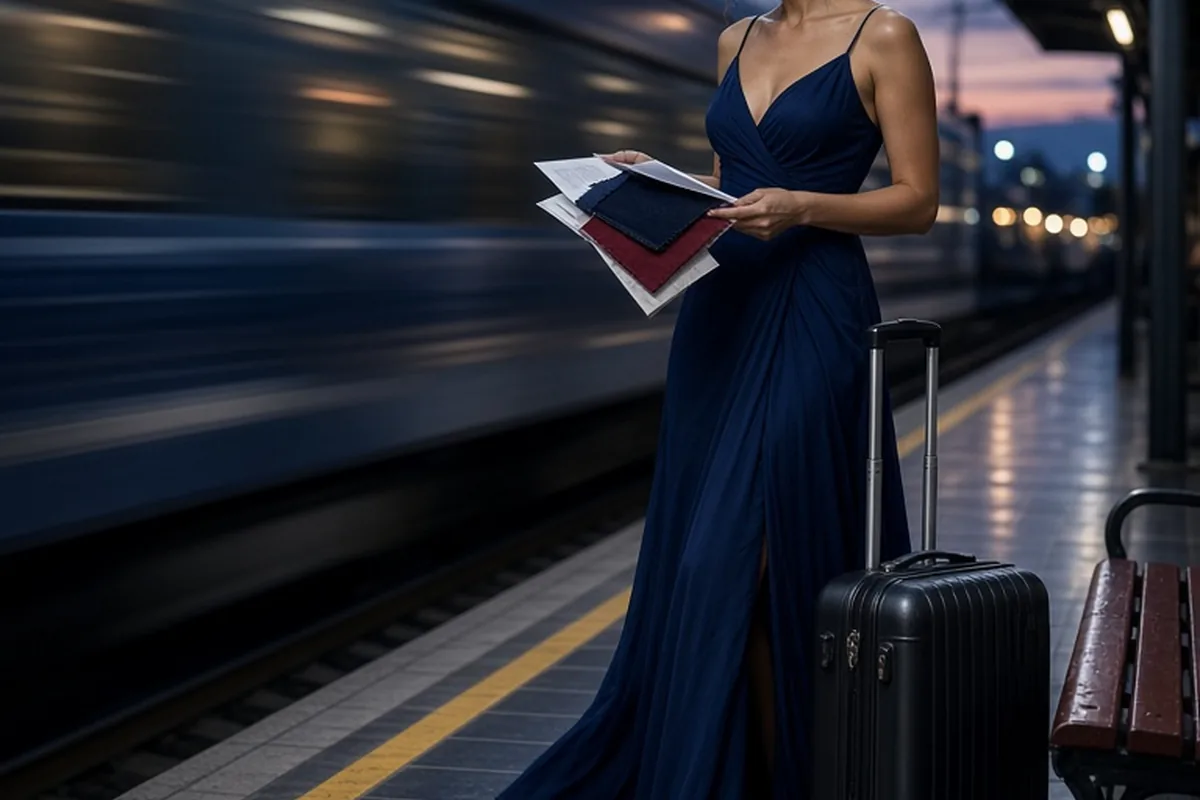
To compare black tie wedding guest outfit options, evaluate four core criteria: dress code strictness, garment construction, acquisition method, and event context. For feminine attire, compare floor-length gown silhouettes, elevated fabrics, and movement. For masculine attire, compare tuxedo lapels, midnight blue versus black wool, and proper shirting. Balance long-term purchase value against rental timelines, and test each outfit for seated comfort, temperature regulation, and tailoring requirements.
Navigating a black tie invitation requires balancing timeless formal etiquette with modern personal style, practical mobility, and budget considerations.
Differentiating Strict Black Tie from Associated Dress Codes
Before selecting garments, determine whether the invitation specifies standard black tie, black tie optional, or creative black tie. Standard black tie establishes a defined baseline where floor-length evening gowns and traditional tuxedos are expected. Choosing a midi-length cocktail dress or a standard charcoal business suit under this strict designation often leaves guests feeling underdressed during formal evening portraits and seated dinners.
When an invitation indicates black tie optional, the hosts encourage traditional black tie while welcoming dark, polished alternatives such as charcoal or midnight navy suits paired with subtle neckties and crisp white dress shirts. Creative black tie introduces room for unconventional textures like velvet dinner jackets, rich jewel tones, subtle jacquard weaves, or statement jewelry, while still demanding elevated tailoring and refined footwear. Clarifying this baseline prevents over-investing in rigid garments when a versatile formal suit would suffice, or conversely, under-dressing for a truly traditional gala-style reception.
Comparing Floor-Length Gowns and Evening Silhouettes
When evaluating evening gowns, prioritize fabric structure and drape alongside the aesthetic cut. Heavyweight silk, crepe, structured mikado, velvet, and rich georgette hold their shape throughout an evening of sitting, dining, and dancing, whereas lightweight synthetic jerseys can cling unpredictably under bright photography lighting. Examine seam allowances and lining quality, as a fully lined gown drapes smoothly over foundation garments and prevents static cling in climate-controlled banquet spaces.
Silhouette choice dictates both comfort and visual proportionality. Column and sheath gowns offer streamlined, modern aesthetics but require carefully placed back or side slits to allow an unhindered walking stride. A-line and ballgown cuts provide ease of movement around the hips and legs, making them reliable choices for all-night receptions, though they require careful hem measurements so the skirt skims just above the shoe sole without catching. Compare neckline styles against the venue setting; structural off-the-shoulder cuts and deep halter necklines offer dramatic elegance, but they must be evaluated for whether they stay securely in place during active movement.
Comparing Tuxedo Details, Lapels, and Formal Suiting
A proper tuxedo is distinguished from a standard dark suit by specific construction elements, primarily satin or grosgrain facing on the lapels, buttons, pocket welts, and outer trouser seams. When comparing tuxedo jacket styles, contrast peak lapels with shawl collars. Peak lapels point upward toward the shoulders, creating an athletic silhouette that broadens the chest, while shawl collars feature a smooth, unbroken curve that offers a classic, vintage-inspired look. Notch lapels, while common in contemporary rental inventory, originate from business suiting and are considered less traditionally formal.
Color and fabric weight also play crucial roles in your comparison. Classic black barathea wool remains the traditional standard, but midnight blue wool can appear richer and deeper under artificial evening lighting. If opting for a separate dinner jacket, such as a deep emerald or burgundy velvet piece, ensure the trousers remain tailored black formal wool with matching side braiding. Always pair the jacket with a formal dress shirt featuring a turned-down collar, French cuffs, and either a pleated or piqué bib front secured with formal studs rather than ordinary plastic buttons.
Evaluating Rental Services Against Direct Purchase and Tailoring
Deciding whether to rent or purchase formalwear depends on your anticipated frequency of wear, budget flexibility, and fit requirements. Rental platforms provide access to high-end designer gowns and complete tuxedo packages at a fraction of the retail cost, which works well for one-off events or distinct theme requirements. However, rental garments cannot undergo permanent structural alterations, meaning you must rely on standard sizing charts, adjustable waistbands, and temporary hem tape, which may lead to an imperfect fit.
Purchasing an outfit represents a higher initial financial commitment but permits custom tailoring to your exact body measurements. A well-tailored black tuxedo or a versatile, understated dark gown can serve as a dependable wardrobe staple for years across multiple charity galas, formal weddings, and evening functions. When comparing costs, factor in the price of necessary alterations, professional dry cleaning, and specialized accessories such as cufflinks, studs, formal suspenders, and foundation wear.
Factoring Venue Environment and Climate into Fabric Selection
The physical location and season of the wedding significantly influence how practical your outfit choices will be throughout the event. A winter celebration inside a historic ballroom or metropolitan hotel naturally accommodates heavier textiles like velvet, brocade, and multi-layered satin, paired with structured evening outerwear. In contrast, an early-fall coastal reception or a warm-climate estate requires breathable silk crepe, lightweight wool-mohair blends, or chiffon overlays to prevent overheating during outdoor cocktail hours.
Terrain also dictates garment length and footwear choices. If the event features an outdoor lawn ceremony followed by an indoor ballroom reception, trailing trains and delicate chiffon hems risk grass stains, dirt collection, and water damage. In such environments, a gown hemmed precisely to clear the lawn or a tuxedo paired with substantial dress shoes rather than delicate leather soles will prevent accidental damage and maintain a pristine appearance.
Coordinating Essential Footwear and Formal Accessories
Accessories complete a black tie look and must adhere to the same standard of restrained elegance as the primary garment. For tuxedo attire, traditional footwear choices include high-shine patent leather oxfords or polished black calfskin wholecut shoes, paired with black over-the-calf silk or fine-gauge wool socks. Complete the ensemble with a self-tied black silk bow tie that matches the jacket lapel facing (satin paired with satin, grosgrain paired with grosgrain), a formal waist covering such as a low-cut waistcoat or cummerbund, and a subtle dress watch with a slim profile that slips easily under the shirt cuff.
For gown wearers, footwear must balance refined aesthetics with multi-hour stability. Metallic or satin evening sandals and pointed-toe pumps with moderate, sturdy heels prevent foot fatigue during prolonged standing. Pair the outfit with an evening clutch made from structured metal, satin, or delicate beading that accommodates essentials without bulging. Jewelry should serve as a deliberate focal point rather than an overwhelming distraction; a dramatic pair of chandelier earrings often looks best paired with a clean, bare neckline, while an intricate necklace demands understated ear studs.
Conducting Movement Tests and Final Fit Verification
Before finalizing your outfit choice, perform a thorough physical assessment while wearing the exact undergarments and shoes intended for the wedding. Stand in natural and artificial light to verify that the fabric remains completely opaque under bright camera flash. Practice sitting in a firm dining chair to check whether the jacket pulls across the shoulders, the trousers tighten uncomfortably at the thighs, or the gown bodice creates awkward creases across the torso.
Walk a normal stride, climb a flight of stairs, and lift your arms to simulate dancing. If a gown catches under your heel, schedule a hem adjustment immediately rather than relying on holding the skirt all evening. If a tuxedo jacket collar gaps away from your shirt collar or the sleeve shows no shirt cuff, a tailor can often adjust the collar roll and sleeve length in a single session. Addressing these small fit issues well in advance ensures complete confidence and physical ease on the wedding day.
Frequently asked questions
Can I wear a midi-length dress to a black tie wedding?
Traditional black tie dress codes call for floor-length gowns. While an exceptionally formal, dressy midi dress made of rich fabric like velvet or jacquard may work for black tie optional, choosing a full-length silhouette remains the safest way to honor a strict black tie request.
Is wearing a regular dark suit acceptable for black tie?
For a strict black tie event, a tuxedo with satin or grosgrain details is the expected standard. If the invitation states black tie optional, a well-tailored charcoal or midnight black suit paired with a crisp white shirt, dark necktie, and polished black leather shoes is entirely acceptable.
How far in advance should I arrange my black tie outfit?
Begin comparing and securing your options six to eight weeks before the wedding. This timeline provides adequate room for rental reservations, shipping delays, custom alterations, and at-home fit checks with your selected footwear and accessories.
Your next step
Review your wedding invitation details today, select your two strongest outfit candidates, and schedule a tailoring consultation or rental order at least six weeks before the event.