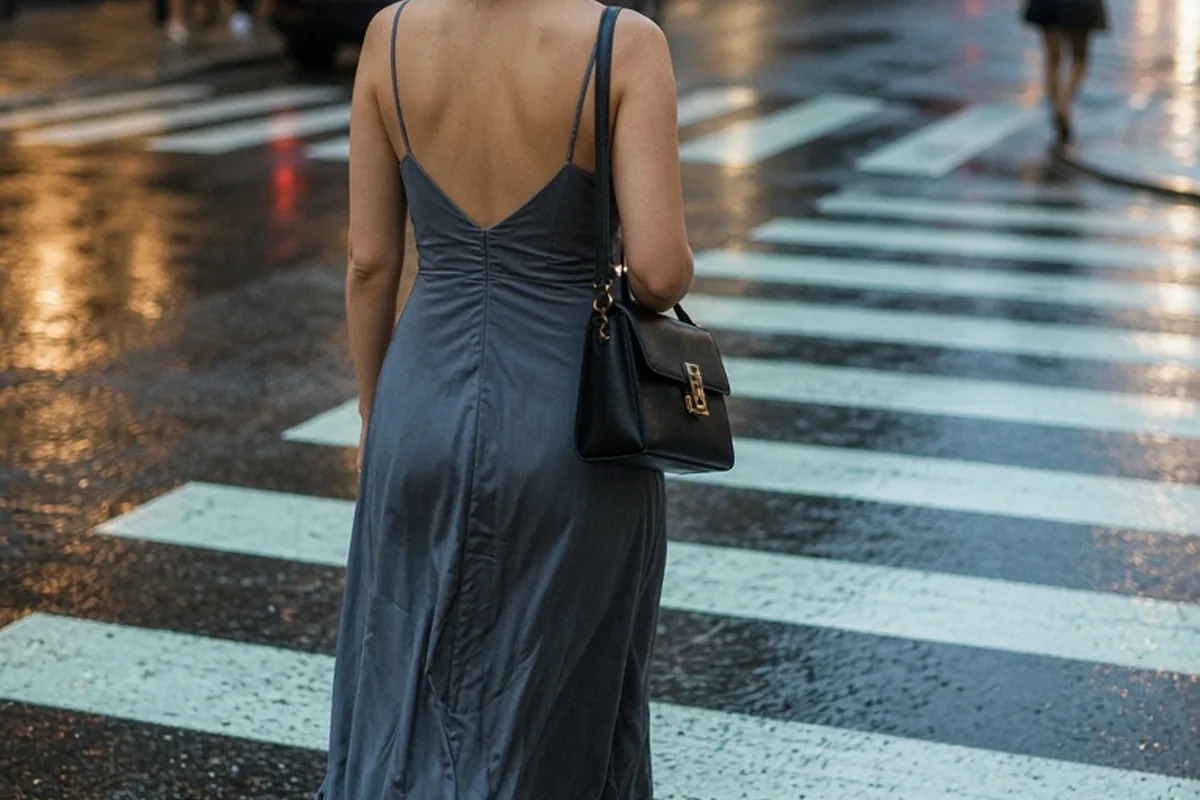
To compare cocktail attire wedding guest options, evaluate how each outfit balances elevated formality with celebratory ease. Assess garment silhouettes, fabric weight, and hemline lengths against the wedding's venue, season, and start time. Compare total real costs by factoring in required undergarments, tailoring, and footwear alongside the purchase or rental price. Prioritize pieces that satisfy traditional etiquette while offering sufficient mobility for dining and dancing, as well as versatility for future occasions.
Navigating a cocktail dress code requires walking a fine line between effortless partywear and refined evening formality. With countless dress silhouettes, tailored suits, jumpsuits, and separates available, choosing the best option comes down to a methodical assessment of setting, construction, personal comfort, and overall styling investment.
Decoding Venue Nuances and Time of Day for Cocktail Attire
The first step in comparing your guest options is grounding your choices in the specific environment and schedule of the celebration. A cocktail dress code at an upscale downtown hotel rooftop calls for sharper, more contemporary tailoring or sleek, structured midi dresses, whereas the exact same dress code at a coastal resort or rustic vineyard leans toward softer draping, breathable weaves, and richer textural interest. Ignoring the venue often results in feeling either uncomfortably overdressed or out of place on uneven terrain.
Timing provides an equally critical filter when weighing one outfit against another. Mid-afternoon ceremonies transitioning into evening cocktail hours generally accommodate vibrant jewel tones, botanical prints, lighter wool blends, or elevated linen-silk blends. In contrast, evening events starting after six o'clock typically demand deeper palettes, such as navy, emerald, plum, slate, or classic black, paired with more formal fabric sheens. By comparing each garment option directly against the ceremony start time and reception floor plan, you immediately eliminate pieces that clash with the visual tone and logistical realities of the day.
Comparing Hemlines, Silhouettes, and Structural Drape
Cocktail attire offers broad stylistic flexibility, but distinct cuts produce vastly different aesthetic impressions and practical comfort levels. When comparing dresses, evaluate the merits of midi, knee-length, and elevated asymmetric hemlines. A tailored midi dress provides undeniable refinement and effortless coverage during seated dinners, while a structured knee-length sheath presents a classic, sharp silhouette. Full floor-length gowns should generally be avoided because they drift into black-tie territory, while ultra-short mini dresses risk looking too casual or nightclub-oriented for traditional vows.
Beyond standard dresses, consider tailored jumpsuits, matching separates, and structured co-ords. A wide-leg jumpsuit crafted in a heavy crepe or satin finish can offer the formal presence of an evening dress with significantly greater mobility and ease. When comparing silhouettes, look closely at structural elements such as internal boning, lining, darts, and waist seams. Garments with thoughtful architectural tailoring hold their shape through hours of sitting, standing, and socializing, whereas unlined, stretch-heavy options can wrinkle, cling, or lose definition as the celebration progresses.
Evaluating Fabric Weight, Weave, and Seasonal Functionality
A garment's fabric composition is often the deciding factor between a look that feels luxurious and one that falls flat. Compare materials not only for visual luster but also for functional breathability, wrinkle resistance, and drape. High-twist wool, crepe, silk chiffon, textured jacquard, and structured mikado represent premium cocktail-weight choices that resist creasing during transit and prolonged sitting. On the other hand, synthetic polyester satin can trap body heat in warmer weather and show sweat rings, while lightweight cotton broadcloth or casual jersey often reads as too informal regardless of the cut.
Seasonal alignment is critical when choosing between two competing options. For spring and summer weddings, compare lightweight crepes, sheer overlays, silk twill, and high-quality georgette that allow airflow during outdoor cocktail hours. For autumn and winter celebrations, compare heavier materials like plush velvet, rich brocade, structured wool blends, and weighted satin. Assessing fabric weight beforehand ensures you remain thermally comfortable from the outdoor photo session through the late-night dance floor sets without relying on makeshift layers.
Navigating Suit and Tailoring Choices for Cocktail Celebrations
For guests choosing a tailored suit, cocktail attire requires a deliberate middle ground between business suiting and full black-tie tuxedos. Compare standard two-piece and three-piece suits by focusing on color, texture, and lapel details. A sharp suit in charcoal, midnight navy, deep burgundy, or forest green instantly communicates party elegance. Avoid standard everyday office suits in dull corporate pinstripes or light gray worsted wools, which can look utilitarian rather than celebratory.
When comparing suiting ensembles, evaluate the accompanying shirt, tie, and pocket square combinations. A crisp white or pale blue dress shirt with a subtle sheen elevates the suit instantly. Compare neckwear options by pairing matte silk, grenadine, or micro-patterned ties with polished leather dress shoes. While a tuxedo is technically too formal for a standard cocktail code, skipping the tie entirely can sometimes look too dressed-down; comparing a tie look against a neatly tailored spread collar with a structured pocket square will help you pinpoint the precise level of polish needed for the specific couple's aesthetic.
Calculating the Total True Cost of Ownership and Styling
The purchase price listed on a tag rarely represents the full cost of assembling a wedding guest outfit. When comparing two or three favorite garments, calculate the total investment required to make each option event-ready. One dress or suit may appear cheaper up front, but it might require specialized specialty undergarments, custom hem adjustments, sleeve shortening, or dry-cleaning treatments before wear. Another slightly more expensive option might fit perfectly off the rack and work seamlessly with accessories you already own.
Break down your comparison by adding potential alterations, complementary footwear, outerwear, and accessories to each candidate. If a daring backless dress demands a unique adhesive foundation garment and new strappy heels, its actual cost rises substantially. Conversely, a versatile tailored suit or classic crepe midi dress that coordinates with your existing dress shoes, baseline jewelry, and formal coat delivers a significantly lower real-world cost. Factoring in rental services versus direct purchase can also clarify whether investing in long-term ownership makes financial sense for a one-time distinct theme.
Judging Versatility, Rewearability, and Long-Term Wardrobe Value
A truly superior cocktail outfit offers utility beyond a single calendar date. When choosing between candidate pieces, assess how easily each can be restyled for other settings, such as holiday parties, charity galas, milestone anniversary dinners, or professional awards ceremonies. Garments with ultra-specific, high-contrast novelty prints or distinctive cutouts are frequently memorable in photographs, making some guests hesitant to rewear them within the same social circle.
Compare each piece's modularity by imagining it styled in at least two different ways. A clean-lined slip dress or structured sheath can be paired with an understated wrap and classic pumps for an intimate dinner wedding, then transformed with statement jewelry, metallic accents, and bold makeup for an energetic city celebration. Similarly, a tailored suit jacket can be worn as an elevated separate with tailored trousers for semi-formal dinners. Selecting the option with the highest styling flexibility ensures your wardrobe investment continues to deliver value for years to come.
Evaluating Footwear, Outerwear, and Movement Logistics
A cocktail outfit is only as successful as your ability to wear it comfortably through ceremony seating, standing cocktail hours, multi-course dining, and continuous dancing. When comparing your final selections, test your range of movement thoroughly. Sit in a firm chair to ensure the waistline does not pinch, check whether the neckline remains secure when bending forward, and confirm that the hemline does not ride up excessively when walking.
Footwear and outerwear choices must integrate effortlessly with the silhouette you select. Compare how each outfit pairs with your preferred footwear: stilettos, block heels, dress flats, or polished dress oxfords. If the reception involves lawn cocktail hours or cobblestone pathways, dresses that require needle-thin heels may prove impractical compared to options that look balanced with sturdy block heels or dressy wedges. Finally, compare how each garment accommodates seasonal layering—such as a tailored overcoat, wrap, or bolero—so you stay warm during evening departures without obscuring your overall look.
Frequently asked questions
How does cocktail attire differ from semi-formal and black-tie optional dress codes?
Cocktail attire sits directly between semi-formal and black-tie optional on the formality scale. It requires more elevated fabrics and sophisticated tailoring than semi-formal daytime wear, but it avoids the floor-length ballgowns and traditional tuxedos expected at black-tie optional events.
Can I wear a black dress or suit to a cocktail wedding?
Yes, black is completely acceptable for modern cocktail weddings, particularly for evening receptions and urban venues. To keep the look celebratory rather than somber, choose elevated textures like satin or lace, or pair the outfit with warm accessories and thoughtful styling accents.
Is a knee-length dress or a tailored jumpsuit better for cocktail attire?
Both options are equally appropriate under cocktail etiquette when crafted from elevated fabrics like crepe, silk, or structured jacquard. Your choice should depend on personal comfort, mobility preferences, and which silhouette best aligns with the venue's overall aesthetic.
How far in advance should I finalize and tailor my cocktail guest outfit?
Finalize your outfit selection at least four to six weeks before the wedding. This timeline provides adequate room for professional alterations, footwear breaking-in, and acquiring any necessary specialty undergarments without incurring rush fees.
Your next step
Inspect your top two outfit candidates against the wedding venue layout and evening timeline, then calculate any needed alteration costs before making your final purchase.