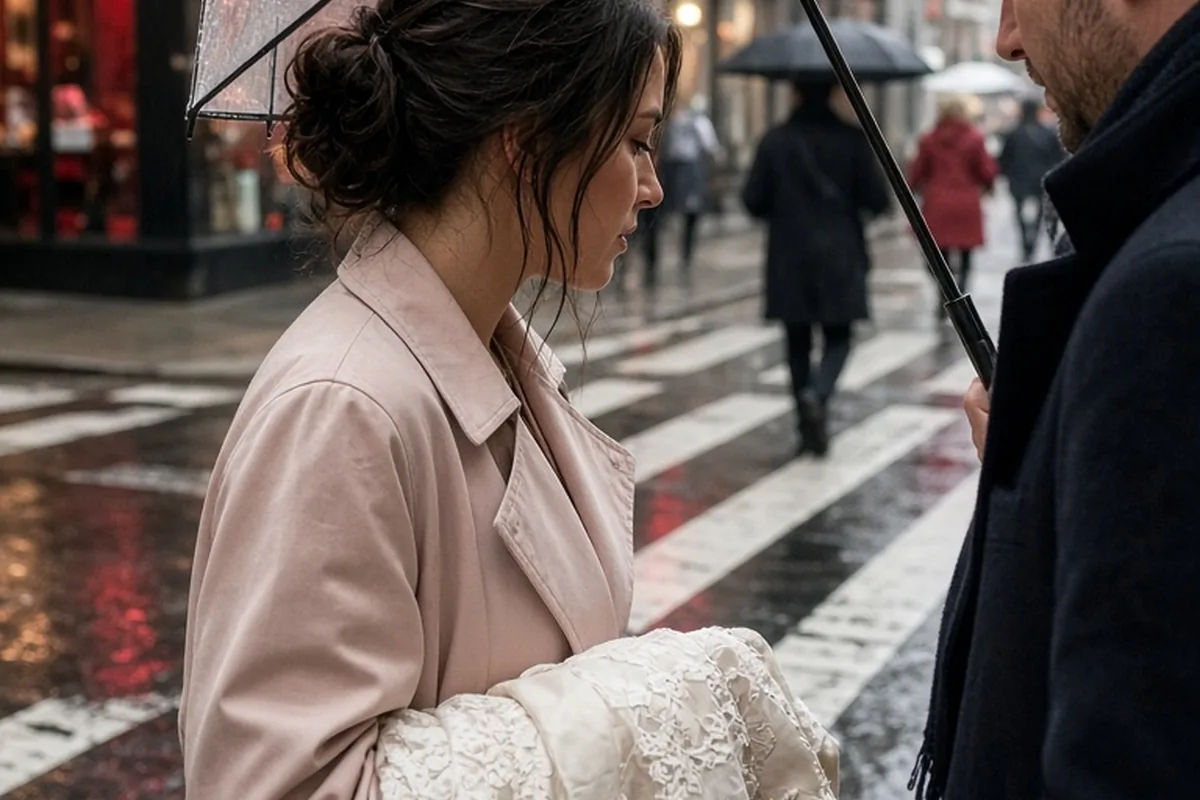
To compare sample wedding dress sale options effectively, evaluate four primary factors: the physical condition of each gown, the feasibility and cost of required alterations, the true final price including repairs, and the boutique's purchase policies. Inspect delicate fabrics, boning, zippers, and hemline wear closely. Because bridal sizing runs smaller than street sizing and sample sales are almost always final sale, base your comparison on verified structural integrity rather than the initial discount tag alone.
Shopping for an off-the-rack sample gown can significantly reduce your bridal wardrobe timeline and budget, but floor models vary drastically in their condition, sizing integrity, and necessary repairs. Navigating racks of designer gowns requires an organized evaluation method so you can weigh cosmetic flaws against genuine structural defects before making a non-refundable commitment.
Evaluating Fabric Wear, Snags, and Surface Stains on Floor Models
When comparing multiple sample gowns, begin with a thorough examination of the exterior materials under natural or balanced lighting. Sample dresses spend months or even years being handled, tried on, and clipped back, which leaves distinct traces on delicate textiles. Carefully inspect high-friction zones such as underarm seams, neckline edges, waistbands, and the lower hemline. Look for fabric pilling on crepes, pulls or runs in silk satins, and micro-tears in illusion tulle or delicate Chantilly lace. While minor snags in a lower layer of tulle can easily be trimmed or hidden, large tears across an illusion bodice or pulled metallic embroidery threads are often impossible to reverse without replacing entire panels.
Surface staining is another critical differentiator between potential sample dresses. Differentiate between water-soluble makeup transfer along the neckline or zipper and deep-set chemical stains from spray tans, body oils, or wine spills. Check the underside of the train and hem for dark grime accumulated from salon floors. Certain fabrics, like heavy polyester mikado or structured jacquard, withstand professional wet cleaning or spot treatment remarkably well, whereas raw silk, organza, and untreated chiffon can watermark permanently or lose their natural luster during aggressive stain removal. When weighing two dresses, rank the gown with minor, cleanable surface marks higher than one with localized textile damage or chemical discoloration.
Inspecting Internal Boning, Zippers, and Structural Integrity
A sample gown might look pristine on a hanger while harboring serious structural fatigue inside the bodice. Open the gown completely and examine the internal construction, starting with the boning channels. Plastic boning in frequently tried sample gowns can warp, bend, or snap under the tension of bridal clamps, creating permanent ridges that will poke through the outer fabric or distort your silhouette. In contrast, higher-end gowns utilizing spiral steel boning or reinforced waist stays retain their architectural shape much longer. Run your hands firmly along every seam line to ensure the internal framework remains straight, smooth, and securely anchored.
Next, test all mechanical closures and support elements repeatedly. Zip the zipper up and down multiple times to check for missing teeth, separated tracks, or frayed tape at the base, which necessitates a full zipper replacement rather than a simple slider fix. Inspect hook-and-eye closures, elastic button loops, and built-in bra cups. Stretched-out illusion button loops or ripped waist stay grosgrain ribbons indicate heavy handling and will require seamstress intervention. If one sample gown requires only a new hook-and-eye while another needs reconstructed bodice boning and a new invisible zipper, factor the technical complexity of those internal repairs into your comparison.
Assessing Designer Construction Quality Across Different Sample Wedding Dresses
Not all sample wedding dresses are engineered with the same tolerance for wear and modification. When comparing gowns from different designers or price tiers, evaluate the underlying craftsmanship that dictates how well the dress can be restored. High-caliber designer gowns typically feature generous internal seam allowances of an inch or more, cleanly finished french seams or bias-bound edges, and hand-applied appliques that can be gently unstitched and repositioned. These details make alterations and cosmetic repairs significantly easier, safer, and cleaner for an experienced seamstress.
Conversely, mass-produced or lower-tier samples often utilize minimal, overlocked seam allowances that leave virtually no excess fabric for letting out tight areas. Heavily glued-on lace appliques, synthetic stiffeners that turn brittle over time, and single-stitched seams are common in lower-cost gowns and can deteriorate during cleaning or restyling. If you are comparing a heavily discounted luxury sample against a less discounted entry-level sample, the luxury gown may actually present better long-term value simply because its superior internal materials and generous seam allowances make a flawless final fit possible.
Calculating Sizing Variances and Alteration Boundaries
Bridal sizing operates on proprietary sizing charts that typically run one to two sizes smaller than standard US ready-to-wear clothing. Furthermore, sample dresses on salon racks frequently stretch over time due to repeated fittings, meaning a tag size 10 might fit more like a size 12 in the bust while remaining a size 8 in the waist due to previous clip placement. Never rely on the label alone; compare each gown against your precise bust, waist, and hip measurements taken with a flexible tape measure while wearing appropriate undergarments.
As a general tailoring guideline, most structured bridal gowns can be safely taken down up to two full sizes without compromising the proportions of the neckline, cup placement, or side seams. Taking a dress down more than two sizes often requires a complete deconstruction of the bodice, which can alter the design lines and substantially inflate labor costs. Conversely, letting a sample gown out is strictly limited by the remaining internal seam allowance, usually allowing for no more than a half to one full size increase. When comparing two sample dresses, prioritize the gown that is slightly too large in areas with intricate beadwork or lace over a gown that is uncomfortably tight, as adding fabric to an intricate bodice is far more difficult than taking excess material in.
Factoring Cleaning, Alteration, and Restoration Quotes into Total Costs
The sticker price on a sample sale tag represents only the baseline entry fee of owning that gown. To compare options objectively, you must establish an all-in cost estimate for every dress on your shortlist. Contact reputable local bridal alterations specialists and specialized dry cleaners to gather baseline pricing for standard services in your area. Specialty wedding gown dry cleaning, particularly for dresses with extensive train soil or delicate beadwork, represents an upfront cost that should be factored directly into the purchase price of any sample that cannot be worn as-is.
Alteration costs also vary wildly based on the gown's architectural complexity. Hemming a simple, single-layer crepe skirt is straightforward, whereas shortening a multilayered tulle ballgown with an intricate horsehair braid or a scalloped lace border requires significantly more labor hours. Similarly, restringing loose seed beads, securing detached 3D floral appliques, or reshaping deep illusion armholes adds specialized labor costs. Build a simple balance sheet for each candidate gown: add the purchase price, estimated dry cleaning fees, necessary structural repairs, and standard fit adjustments to determine which sample represents the true financial winner.
Reviewing Salon Sale Terms, Storage Options, and Take-Home Timelines
Bridal salons manage sample sales under strict retail parameters that differ sharply from standard made-to-order gown orders. Nearly all sample sale purchases are strictly final sale, meaning returns, exchanges, and cancellations are not permitted regardless of what hidden issues you might uncover later. When comparing options across different salons or pop-up events, carefully read the fine print regarding take-home policies. Some boutiques require you to take the gown home on the day of purchase, requiring you to arrange safe, climate-controlled storage and a breathable garment bag immediately.
Other bridal boutiques offer comprehensive sample packages that include complimentary in-house storage until your wedding date, a protective breathable garment bag, or even a discounted initial steaming service. If one boutique provides a clean storage solution and basic pre-wear pressing while another sends you out the door with an uncovered dress on a wire hanger, that logistical difference carries tangible value. Clarify whether the salon maintains relationships with trusted local seamstresses who are experienced with sample restorations, as an established vendor recommendation can streamline your entire alteration timeline.
Developing an Objective Scoring System for Competing Sample Gowns
When browsing dozens of discounted gowns under time-pressured sale conditions, emotional overwhelm can easily cloud your judgment. To maintain clarity, establish an objective scoring rubric before you begin trying on dresses. Rate each candidate on a consistent scale across four non-negotiable categories: physical fabric integrity, structural bodice condition, alignment with your actual body measurements, and estimated total expenditure including post-purchase tailoring.
Take detailed, well-lit photographs and close-up videos of every potential dress from the front, back, sides, and interior lining. Note specific flaws on your phone or a notepad, noting whether each issue is purely aesthetic or fundamentally structural. Stepping away from the showroom floor for a short break to review your photos and tally your objective scores prevents impulsive purchases driven purely by deep discounts, ensuring you select a sample dress that is genuinely ready to be tailored to perfection.
Frequently asked questions
How do bridal sample dress sizes differ from standard everyday clothing sizes?
Bridal sample sizes typically run one to two sizes smaller than contemporary US street clothing. A bridal sample tagged as a size 10 generally corresponds to a standard street size 6 or 8. Additionally, floor samples often stretch or distort slightly from being tried on repeatedly, making it essential to rely on your actual body measurements rather than the tag number.
Can professional dry cleaning remove all makeup and floor stains from a bridal sample gown?
Specialized bridal cleaners can successfully remove most water-based makeup, surface dust, and minor floor grime from robust fabrics like polyester mikado and crepe. However, deep-set chemical stains from self-tanner, body oils, or aged wine on delicate raw silks, chiffons, or unsealed lace may be permanent or leave faint watermarks after cleaning.
How much can a sample wedding dress realistically be altered up or down?
Most bridal seamstresses recommend taking a sample dress down by no more than two full sizes to preserve the original balance of the bodice, neckline, and darts. Letting a sample gown out is much more restrictive and depends entirely on the existing internal seam allowances, which usually permit an expansion of only a half to one full size.
What questions should you ask the bridal salon before paying for a sample gown?
Before finalizing a sample purchase, ask whether the sale is final, if the salon provides a breathable garment bag, and whether they offer in-house cleaning or storage. You should also ask how long the gown was on the display floor and whether they have an itemized list of any known defects or past repairs.
Your next step
Take your precise bust, waist, and hip measurements, establish baseline quotes from a local bridal seamstress and cleaner, and use an itemized physical checklist to inspect fabric, boning, and zippers before purchasing any final-sale sample dress.