To compare wedding dress options effectively, evaluate each contender across five practical criteria: structural comfort and mobility during sitting or dancing, total delivered cost including alterations and undergarments, venue and climate compatibility, production lead time relative to your timeline, and emotional resonance. Score your top gowns immediately after try-ons using identical assessment categories, video documentation, and written alteration quotes to eliminate visual fatigue and make an objective, confident final decision.
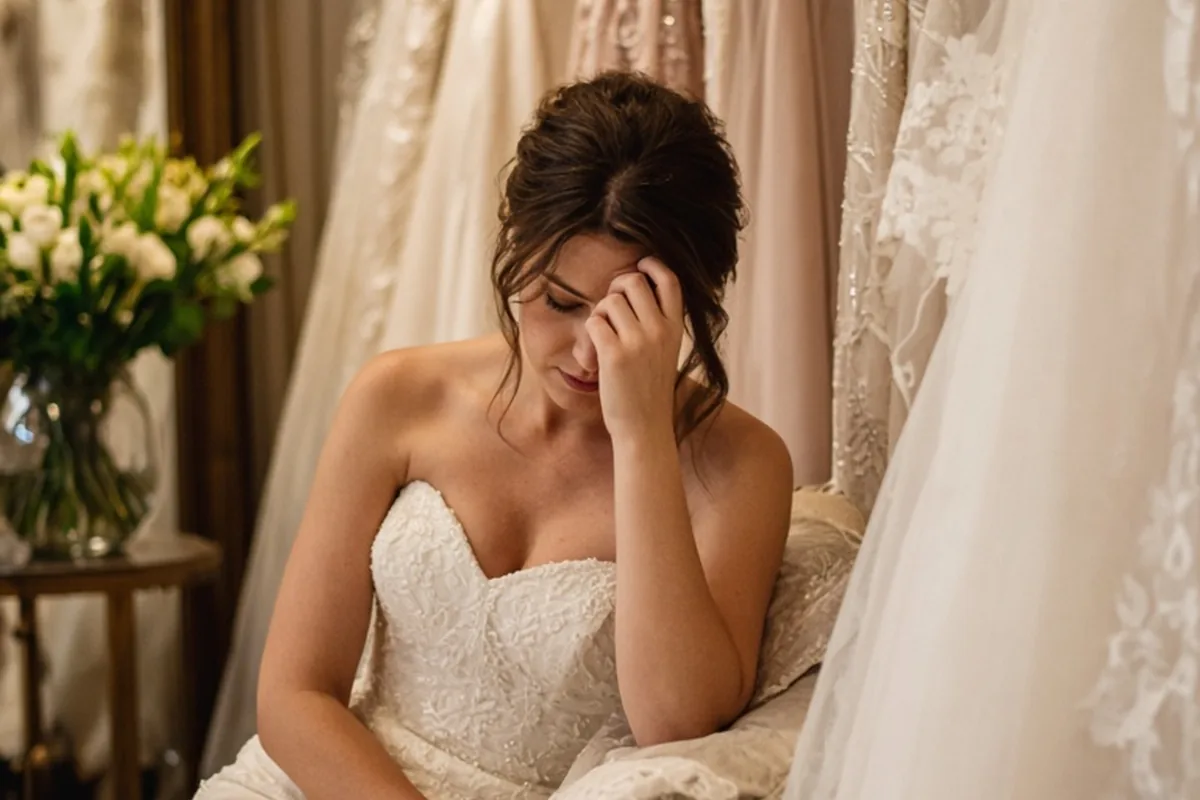
Stepping into bridal boutiques often leads to sensory overload, where dozens of delicate fabrics, intricate embellishments, and varying silhouettes quickly blur together after a few hours in the fitting room.
Establish a Standard Scoring Framework Across All Bridal Salons
Trying on gowns across multiple appointments creates decision fatigue, especially when different salons offer varying lighting, pedestal heights, and sales environments. Without an objective framework, your memory naturally favors the most recent dress you tried on or the salon with the most flattering mirrors. Creating a standardized comparison worksheet on your phone or in a notebook allows you to capture practical realities while they are fresh.
For every dress that makes your preliminary shortlist, record four core metrics before leaving the dressing room: physical comfort on a scale of one to five, fabric weight and breathability, the base retail price alongside mandatory salon fees, and the specific structural modifications needed for a proper fit. Taking short, natural-light video clips of yourself walking, turning, and sitting provides far more accurate reference material than static photos taken from elevated boutique pedestals.
Evaluating Wedding Dress Silhouettes for Comfort, Movement, and Venue Fit
A gown's silhouette dictates not only how it frames your body but also how freely you can move throughout your celebration. Ballgowns and dramatic A-line designs offer classic proportions and structural support, but multiple layers of crinoline and extended trains add physical weight and require wider aisles, larger restroom stalls, and dedicated bustling assistance. If your celebration takes place in a compact historic venue, garden setting, or loft with narrow staircases, navigating heavy skirts can present logistical hurdles.
Conversely, sheath, column, and mermaid cuts provide streamlined aesthetics that pack easily for destination events and allow effortless movement through crowded dining rooms. However, heavily fitted mermaid or trumpet designs restrict hip and knee extension, which can make climbing steps, sitting down for a seated dinner, or dancing difficult unless the garment incorporates stretch lining or gusset panels. Perform dynamic movement checks in the salon—raising your arms, taking wide strides, and sitting in a standard chair—to ensure the cut aligns with your day's actual itinerary.
Comparing Fabric Types, Weaves, and Weight for Practical Wearability
Fabric selection directly influences a gown's drape, wrinkle resistance, thermal comfort, and tailoring requirements. Structured textiles such as silk mikado, heavy satin, and brocade hold architectural shapes cleanly and smooth body contours, making them ideal for cool-weather weddings and formal cathedral settings. The trade-off is their density: these fabrics retain body heat, show water spots easily, and require meticulous steaming to remove deep creases formed during transit.
Lightweight textiles such as silk chiffon, tulle, organza, and stretch crepe provide exceptional mobility and breathability for outdoor, coastal, or warm-weather settings. Crepe offers a modern drape that hugs the body, but unlined varieties may reveal undergarment lines and require seamless shapewear. Lace varieties also differ significantly; heavy Alençon or corded lace adds texture and hides minor fit imperfections, whereas delicate Chantilly lace is prone to snagging on jewelry or outdoor vegetation.
Calculating the True Total Cost Beyond the Boutique Price Tag
The sticker price on a bridal hanger rarely represents your final expenditure. A gown priced lower on the rack can easily surpass a higher-priced alternative once necessary alterations, structural additions, and foundation garments are factored into the total. Basic alterations typically encompass hem adjustments, side seam tailoring, and strap adjustments, but intricate design details rapidly increase labor complexity and custom fitting costs.
Hems finished with wide horsehair braid, scallop lace borders, or multiple layers of raw-edge tulle require extensive hand-sewing to shorten. Similarly, adding a multi-point French or ballroom bustle to support a long cathedral train demands specialized tailoring. Before finalizing your comparison, request itemized estimates for standard alterations, tax, shipping, rush fees if applicable, and garment steaming or pressing. Factor in the cost of matching veils, specialty bras, and shoes to compare the actual out-of-pocket investment across your final candidates.
Assessing Construction Details, Internal Support, and Tailoring Feasibility
Examining how a dress is built on the inside reveals whether it will hold its shape comfortably over ten to twelve hours of wear. Quality construction includes sturdy internal waist stays, layered lining that prevents outer fabrics from clinging, and flexible boning that supports the bust without digging into the ribcage. Dresses with minimal interior structure often demand expensive specialty shapewear, adhesive supports, or custom bra cups sewn directly into the bodice during alterations.
Tailoring feasibility also depends on the seam allowances left by the manufacturer. If you anticipate needing adjustments across the bust or hips, inspect the inner side seams to confirm there is adequate fabric margin to let the dress out. Heavily beaded gowns require the tailor to painstakingly remove beads along every altered seam and re-sew them by hand afterward, which significantly increases labor hours and cost compared to unembellished gowns.
Navigating Production Timelines, Delivery Windows, and Off-the-Rack Options
Comparing dress options requires matching each gown's ordering model against your wedding calendar. Made-to-order designer gowns follow standard manufacturing cycles that typically take several months for production and international shipping, followed by a necessary window of six to ten weeks for multiple alteration fittings. If your wedding date falls within a compressed timeline, ordering a traditional gown may incur substantial rush production surcharges or limit you to existing warehouse inventory.
Off-the-rack purchases, sample sales, and ready-to-wear bridal collections eliminate production lead times entirely and often provide steep discounts. However, purchasing an existing boutique floor sample requires careful scrutiny: check for loose beadwork, broken zippers, makeup stains along the neckline, and stretched armholes from previous try-ons. Always weigh the savings of an immediate off-the-rack purchase against the potential dry cleaning and restoration costs required to return the gown to pristine condition.
Filtering Entourage Opinions to Maintain Personal Style Alignment
Bridal appointments frequently involve well-meaning input from family members and friends whose stylistic preferences, cultural traditions, or personal budgets clash with your own vision. When comparing gowns, separate external reactions from your authentic comfort level. A dress that receives enthusiastic applause from an audience may still feel overly restrictive, heavy, or out of place for your planned celebration.
Give yourself a mandatory twenty-four-hour buffer between your final salon appointment and placing a non-refundable financial deposit. Stepping away from the high-pressure sales environment allows the adrenaline to subside so you can review your comparison notes, look at unbiased video footage, and determine which gown feels most authentic to your personal identity and wedding day priorities.
Frequently asked questions
How many dresses should I narrow my selection down to before making a final decision?
It is best to narrow your choices down to no more than two or three final contenders. Comparing more than three dresses simultaneously often leads to analysis paralysis and visual confusion. Evaluate those top candidates strictly against your venue logistics, total alteration budget, and physical comfort.
How do I compare two dresses when one is significantly cheaper but needs extensive alterations?
Obtain an itemized alteration estimate from an independent bridal tailor before purchasing either gown. Add the estimated alteration, cleaning, and custom accessory costs directly to the base price of the cheaper gown to calculate the true bottom line against the more complete, higher-priced option.
What is the most accurate way to photograph wedding dresses to compare them later?
Take short, continuous video clips in natural lighting while walking toward the camera, turning around, and sitting in a standard chair. Still photos taken from low angles or on elevated salon pedestals distort gown proportions and fail to capture how the fabric moves in real conditions.
Can I negotiate the price when comparing wedding dress options across different boutiques?
While established designer retail prices are generally fixed, bridal salons often have flexibility on ancillary costs. When deciding between options, ask if the salon can offer incentives such as discounted in-house preservation, a credit toward accessories or veils, or waived trunk show shipping fees.
Your next step
Build a simple comparison spreadsheet listing your top three gowns alongside their base price, estimated alteration costs, fabric weight, and movement rating, then sleep on your decision for twenty-four hours before placing a non-refundable deposit.