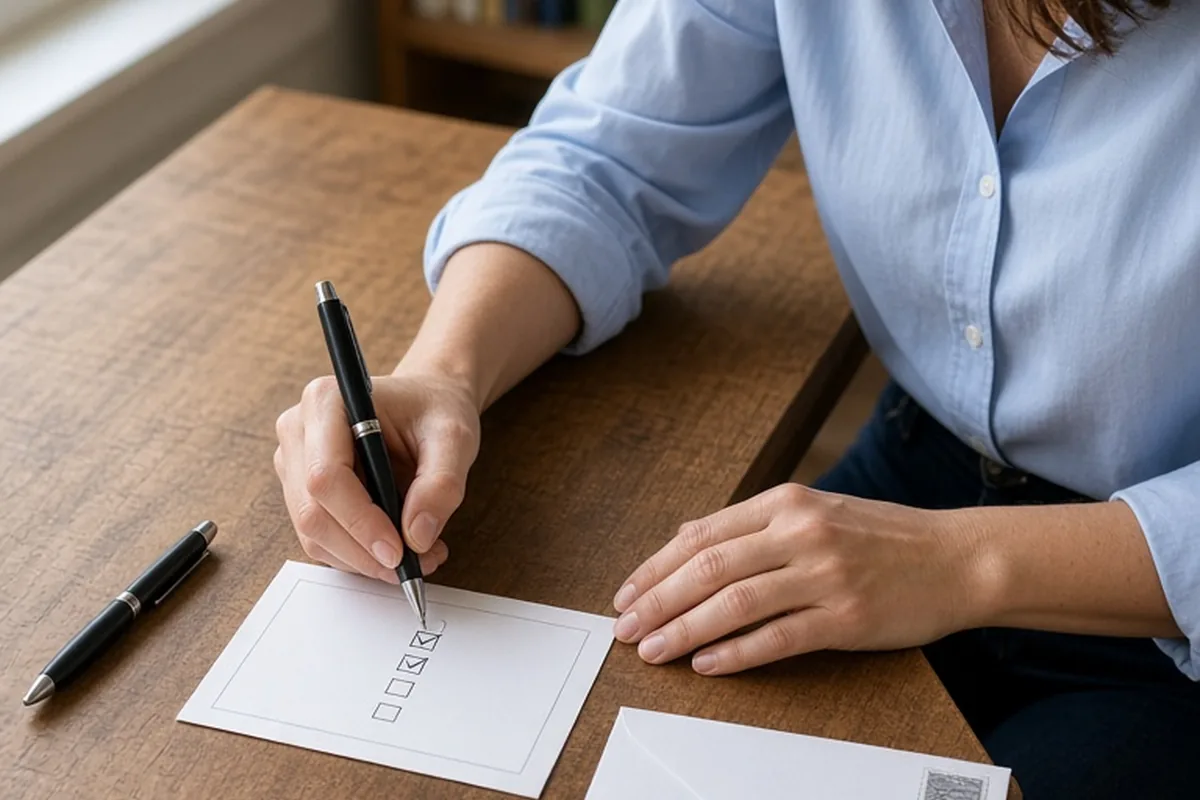
To decline a wedding invitation, respond promptly using the couple's requested RSVP method. Express warm gratitude for the invite, state clearly that you cannot attend without over-explaining or fabricating excuses, and wish them a joyful celebration. If you share a close relationship, follow up with a personal card or thoughtful registry gift to show ongoing support and connection.
Receiving a wedding invitation is an honor, but schedule conflicts, financial limits, travel demands, and personal boundaries often make attendance impossible. Navigating this refusal requires balancing firm personal decision-making with genuine warmth toward the hosts.
Why Promptness and Directness Protect Your Relationship
The primary etiquette rule of declining any wedding invitation is speed. Couples must deliver final guest counts to caterers, coordinate venue seating charts, and finalize table arrangements weeks before the event. Delaying your response while agonizing over how to say no creates unnecessary administrative stress for the hosts. When guests hesitate, couples are often left chasing replies, which strains goodwill far more than a clean, early decline.
A prompt response also respects the reality of guest tiering. Many couples maintain a secondary guest list of colleagues, extended family, or casual acquaintances whom they genuinely want to invite if venue capacity allows. By submitting your decline well before the RSVP deadline, you provide the hosts with enough lead time to extend an invitation to someone else without making that person feel like an afterthought. Promptness demonstrates consideration for their planning logistics and their budget.
Matching Your Response to the Couple's Chosen RSVP Channel
Always submit your response through the exact channel the couple specified on the invitation suite. If they included a physical response card with a pre-stamped envelope, fill it out neatly, check the decline box, write a brief warm note in the margin, and mail it immediately. If they established an online portal through a wedding website, complete the digital form directly so their automated tracking spreadsheets update accurately.
A common mistake is replying via text message or social media direct message while ignoring the formal response card or digital form. While a quick text to a close friend is a kind informal touch, it does not replace the official headcount mechanism. The couple may easily forget a casual chat message while compiling official numbers for their caterer. For close friends or immediate family members, pair the formal system response with a warm phone call or personal voice note to preserve emotional closeness.
Wording Formulas for Different Social Distances
The language you choose should reflect your actual relationship with the couple. When declining an invitation from a close friend or close family member, your tone should emphasize affection, regret at missing the milestone, and an offer to celebrate together at another time. You might say: 'Thank you so much for including me in your wedding plans. I am heartbroken that I will be unable to attend due to an unavoidable conflict, but I cannot wait to celebrate with you both soon. Wishing you the most beautiful wedding day.'
For coworkers, distant acquaintances, or casual family friends, keep your response brief, polite, and straightforward. Over-explaining can make the message awkward or sound defensive. A polished, effective decline reads: 'Thank you for the warm invitation to your wedding celebration. Unfortunately, I am unable to attend. I wish you both a wonderful wedding day and a lifetime of happiness.' This phrasing delivers absolute clarity while maintaining courteous distance.
Navigating Difficult Obstacles: Finances, Distance, and Family Tension
Financial limitations and travel requirements represent two of the most common reasons people decline wedding invitations. Destination weddings or out-of-state ceremonies require plane tickets, hotel stays, attire, and days off work. You are never obligated to go into debt or exhaust your annual leave to attend someone's celebration. When declining for financial or logistical reasons, you do not need to disclose your bank balance or private budgets; stating that travel is not feasible this season is entirely sufficient.
Interpersonal friction and complicated family dynamics create another valid reason to decline. If attending a wedding would expose you to an unsafe environment, severe emotional distress, or unresolved conflicts, declining is a sensible protective choice. Avoid using your RSVP as an opportunity to air grievances or litigate past arguments. Keep the formal reply completely neutral, decline without drama, and handle any necessary family conversations in private, separate settings well away from wedding logistics.
Gift Etiquette and Gestures When You Are Not Attending
Traditional etiquette does not strictly obligate you to send a physical gift if you decline an invitation, but social customs vary based on closeness. If the invitation came from a close friend or immediate relative, sending a registry gift, a contribution to a honeymoon fund, or a thoughtful physical keepsake is standard practice. It reinforces that your absence is logistical rather than a lack of affection for their partnership.
For distant relatives, professional colleagues, or acquaintances you rarely see, a heartfelt handwritten greeting card sent near the wedding date is completely sufficient. You do not need to spend money on high-end registry items for people outside your core circle simply because an invitation arrived. A sincere card acknowledging their milestone fulfills all social expectations without creating an unnecessary financial burden.
Handling Follow-Up Inquiries and Guilt Trips With Poise
Occasionally, a host or an intermediary family member may push back against your decline, asking for specific explanations or attempting to negotiate your attendance. When faced with follow-up pressure, avoid creating elaborate fake excuses. Fabricated stories about fictitious trips or manufactured illnesses often unravel and cause long-term damage to trust.
Instead, use the broken-record technique with calm, polite firmness. Reiterate your appreciation while holding your boundary: 'I truly wish I could make the logistics work, but my schedule simply will not permit it. I am excited to see photos and hear all about it afterward.' By declining to debate the details of your schedule, you close the door to negotiation while remaining warm and dignified.
Managing Last-Minute Cancellations Due to Emergencies
Unexpected emergencies, sudden illnesses, or severe personal crises sometimes force guests to cancel after having already submitted an affirmative RSVP. If you find yourself in this rare situation, notify the couple as quickly as possible. If the wedding is days or hours away, do not text the couple directly on their wedding morning; contact the wedding coordinator, maid of honor, best man, or a parent who is managing operational logistics.
Recognize that late cancellations mean the couple has almost certainly already paid for your plate and seating. Acknowledge this graciously, express sincere regret for the unavoidable disruption, and follow up a week or two after their honeymoon with a handwritten note and a thoughtful gift. Taking personal responsibility for the unexpected change mends any logistical frustration your absence may have created.
Frequently asked questions
Is it considered rude to decline a wedding invitation without providing a detailed reason?
No, it is not rude to keep your reason general. A simple statement that you have an unavoidable conflict or are unable to attend is standard etiquette and prevents awkward over-explaining.
Should I still send a wedding gift if I decline the invitation?
If you are close with the couple, sending a registry gift or meaningful card is customary and shows support. For distant acquaintances or colleagues, a warm handwritten congratulatory card is entirely sufficient.
How quickly should I send in my response if I know immediately that I cannot go?
Send your decline as soon as you are certain of your schedule, ideally within one to two weeks of receiving the invitation. Replying early helps the hosts manage their catering deadlines and guest capacity.
Can I decline an invitation for my plus-one while still attending the wedding myself?
Yes, you can accept for yourself while declining the additional seat. Simply indicate on the response card or online portal that only one guest will be attending so the hosts can adjust their headcount.
Your next step
Locate the RSVP card or website link from your invitation, choose a clear and courteous response script, and submit your official decline today to give the hosts the timely information they need.