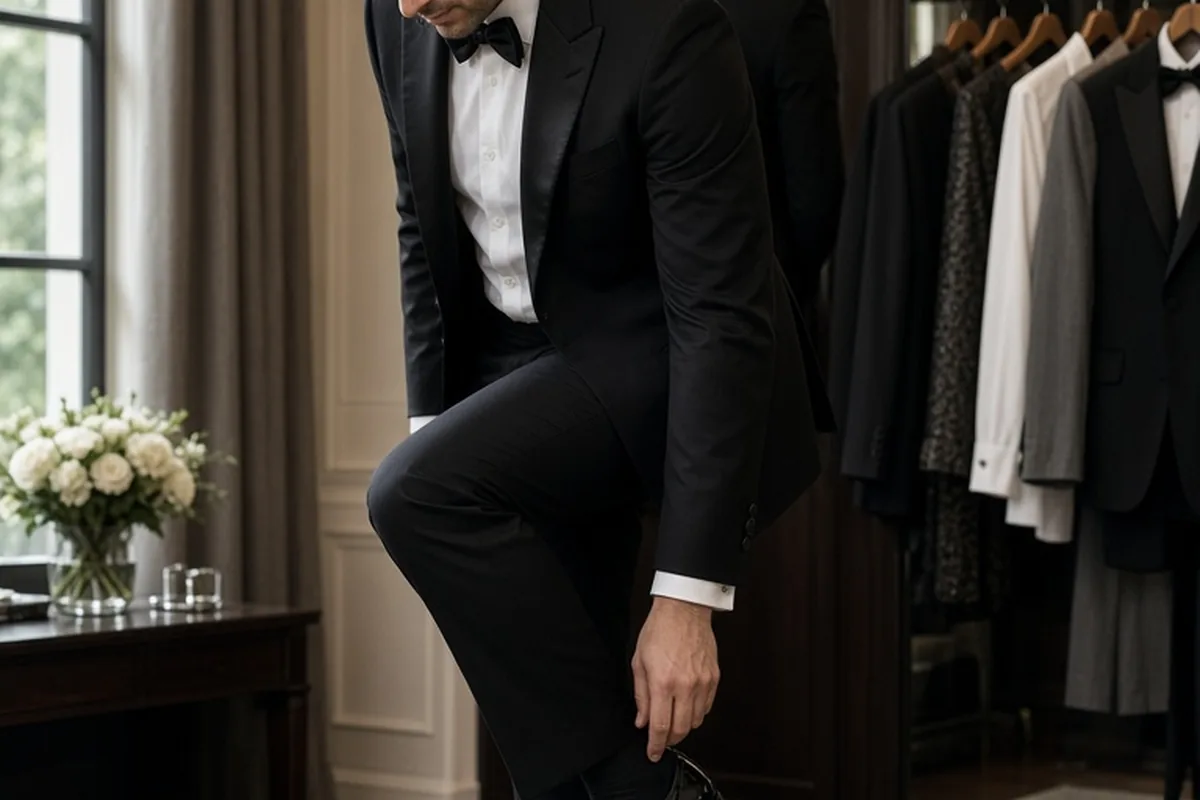
Dressing for an evening wedding typically calls for elevated, formal attire because events scheduled after 5:00 PM lean dressier than daytime celebrations. If the invitation specifies black-tie, choose a floor-length gown or a classic tuxedo with a black bow tie. For black-tie optional or formal dress codes, opt for a dark suit with a silk necktie, an elegant maxi dress, or a tailored dressy jumpsuit. Choose rich colors, luxurious evening fabrics, and polished accessories.
Evening wedding celebrations carry an atmosphere of celebration and refinement shaped by ambient candlelight, dimmer venue lighting, and formal dinner service. Selecting the right outfit requires balancing the host's specified dress code, the setting of the reception, and practical comfort for an event that extends late into the night.
Decoding Evening Wedding Dress Codes from Black Tie to Formal
The printed dress code on an evening wedding invitation establishes the baseline for how dressed up guests are expected to be. When an event starts at 5:00 PM or later, formality automatically rises by a tier compared to daytime gatherings. A white-tie designation represents the highest level of formal dress, requiring a full black tailcoat, matching trousers with satin stripes, a white pique wing-collared shirt, a white vest, a white bow tie, and a full-length ballgown for women. While rare outside of state dinners and ultra-traditional galas, adhering strictly to these exact components is essential if white-tie is specified.
Black-tie is far more common for evening celebrations and has clear, defined boundaries. Men should wear a tuxedo consisting of a black or midnight blue dinner jacket with satin or grosgrain lapels, matching trousers, a black silk bow tie, a white formal shirt with French cuffs, and patent leather shoes. Women should choose a floor-length evening gown made of elevated materials such as silk, crepe, velvet, or chiffon. While a very dressy ankle-length cocktail gown in an opulent fabric may occasionally pass in modern settings, a floor-sweeping hemline remains the most reliable standard for black-tie.
Black-tie optional and formal designations give guests slightly more flexibility while keeping the overall aesthetic refined. For men, a well-tailored tuxedo remains entirely appropriate, but a dark charcoal or midnight navy suit paired with a crisp white dress shirt and a conservative silk necktie is equally acceptable. Women can wear a floor-length gown, an ankle-length formal dress, or a tailored, dressy evening jumpsuit featuring structured lines and sophisticated fabric. The goal for black-tie optional is to match the visual gravity of black-tie guests without strictly requiring tuxedo rental.
Styling Evening Cocktail and Semi-Formal Receptions
When an evening invitation lists cocktail attire, the dress standard shifts away from floor-length gowns toward sharp, knee-length or midi-length silhouettes. Evening cocktail differs noticeably from daytime cocktail: lighter pastel linens and playful sundresses give way to structured sheaths, A-line midi dresses with refined draping, and tailored separates in richer color tones. A dark, well-fitted suit paired with a dress shirt, leather dress shoes, and a coordinated tie or pocket square represents the standard menswear approach for evening cocktail events.
Semi-formal or dressy casual evening receptions require a thoughtful balance between relaxed comfort and celebratory polish. Even though semi-formal sounds casual, evening timing means you should still avoid polo shirts, chinos, denim, sundresses, and casual flats. Men should wear dress trousers, a pressed collared shirt, and a tailored sport coat or blazer, with a necktie remaining optional depending on the venue. Women can select tailored jumpsuits, wrap dresses in matte jersey or crepe, or coordinated skirt-and-top ensembles elevated with polished evening jewelry.
Selecting Evening Fabrics, Colors, and Silhouettes
The texture and weight of your garment significantly influence how formal it looks under artificial and dim ballroom lighting. Daytime fabrics like seersucker, casual linen, raw cotton, and jersey knit often appear dull or overly casual at night. Instead, prioritize fabrics that hold structure or capture ambient light subtly, such as silk satin, mikado, velvet, structured jacquard, metallic brocade, and heavy crepe. These materials drape cleanly and project the polish expected at nighttime events.
Color choice for an evening wedding should complement the evening setting. Deep jewel tones—including emerald green, sapphire blue, rich burgundy, ruby, amethyst, and midnight navy—are universally flattering and blend seamlessly into formal nighttime venues. Dark neutrals like charcoal, slate, and classic black are equally stylish and widely accepted at modern evening weddings. If you prefer metallic finishes, subdued gold, bronze, and pewter accents add elegance without distracting from the wedding party.
Avoid any colors that could be confused with the wedding party or bridal attire. White, ivory, cream, eggshell, champagne, and very pale blush shades can photograph white under bright flashes and indoor chandeliers, making them inappropriate choices for guests. Similarly, extremely loud neon colors or casual floral prints with white backdrops can look out of place in a formal nighttime setting.
Men's Evening Suiting, Tuxedo Guidelines, and Tailoring Details
A formal evening wedding requires close attention to the construction and fit of men's tailoring. If wearing a tuxedo, the dinner jacket should feature either a peak lapel or a shawl collar in satin or grosgrain, matching the trim down the outer seam of the trousers. Traditional black-tie requires waist coverage in the form of a low-cut black waistcoat or a pleated cummerbund (with pleats facing upward), though many modern tailored tuxedos with high-rise trousers forgo the cummerbund in favor of clean internal suspenders. Belts should never be worn with a tuxedo, as formal trousers are designed without belt loops.
For formal and cocktail dress codes where a standard suit is worn, color and fit make the difference between business wear and celebratory evening wear. Select a suit in deep charcoal, ink blue, or black. Pair it with a white dress shirt featuring a semi-spread or point collar, polished cuff links, and a 100 percent silk necktie in a solid dark shade, subtle pin-dot, or micro-geometric pattern. Ensure trousers feature a slight or medium break over the shoe, and check that jacket sleeves allow approximately one-quarter to one-half inch of shirt cuff to show.
Choosing Evening Outerwear and Footwear for Late-Night Comfort
Evening weddings frequently involve moving between indoor reception spaces, outdoor cocktail terraces, and late-night departure areas where temperatures drop noticeably. Casual outerwear like puffer jackets, denim jackets, parkas, or athletic raincoats can quickly detract from a formal outfit. Instead, invest in a tailored wool overcoat, a cashmere wrap coat, a structured trench in a dark tone, or a velvet shawl that covers the shoulders without crushing your garment.
Footwear must balance strict dress-code etiquette with hours of standing, mingling, and dancing. For men, formal evening wear pairs best with black patent leather oxford shoes, polished calfskin dress oxfords, or formal velvet dress slippers for black-tie settings. For women, open-toe heeled sandals, pointed-toe pumps, or dressy embellished flats work well, provided they are made of satin, metallic leather, or polished calfskin. If navigating outdoor lawns or historic stone venues during cocktail hour, a block heel or structured formal wedge prevents sinking while maintaining an elegant posture.
Coordinating Formal Jewelry, Evening Bags, and Accessories
Accessories serve as the finishing touches that transform a simple silhouette into an evening-appropriate ensemble. Large daytime totes, canvas shoulder bags, and everyday crossbody bags feel out of place at an evening reception. Replace them with a small structured clutch, a minaudière, or a petite satin pouch with an optional tuck-away chain strap. Your evening bag should be compact—just large enough to hold essentials such as a phone, identification, lipstick, and emergency mints.
Jewelry should create a balanced focal point rather than competing for attention. If your gown has an intricate neckline or heavy embellishment, opt for drop earrings and a delicate bracelet while skipping the necklace entirely. Conversely, if you are wearing a simple, solid-colored strapless or sweetheart gown, a statement collar or dramatic pendant can elevate the entire look. For men, a slim dress watch with a black leather band or a subtle metallic bracelet is preferred over bulky silicone-banded smartwatches or rugged sports chronographs.
Handling Ambiguous Evening Invites and Venue-Specific Nuances
Occasionally, an evening wedding invitation provides no stated dress code, leaving guests to infer the appropriate level of dress. When an event begins after 5:00 PM and lacks attire instructions, defaulting to dark formal cocktail attire is the safest strategy. A dark suit with a tie or a refined midi-to-maxi dress in a rich tone ensures you will not feel underdressed if the room leans formal, nor overly formal if the setting is slightly more relaxed.
The venue itself offers crucial clues regarding practical attire adjustments. A ballroom reception at a luxury metropolitan hotel demands strict adherence to formal dress codes, polished footwear, and full evening glamour. An evening reception held at a rustic vineyard, botanical conservatory, or private seaside estate still calls for evening polish, but allows for heavier textures, breathable fabrics, and flat or block-heeled shoes designed for uneven terrain. If the ceremony takes place in a traditional house of worship beforehand, bring a tailored jacket, pashmina, or bolero to cover bare shoulders during the service.
Frequently asked questions
Can I wear a short dress to an evening wedding?
A short dress is acceptable for cocktail or semi-formal evening weddings as long as the hemline sits near the knee and the fabric is dressy, such as crepe, lace, or satin. For black-tie and formal dress codes, however, short dresses are generally too casual, making a midi or floor-length gown the standard choice.
Is it acceptable to wear black to an evening wedding?
Yes, wearing black to an evening wedding is fully acceptable and considered a classic, chic choice in modern etiquette. To keep the look celebratory rather than somber, choose elevated fabrics like velvet or silk and pair the outfit with metallic accents, statement jewelry, or formal shoes.
What should men wear if an evening invite says black-tie optional but they do not own a tuxedo?
Men can wear a well-tailored dark charcoal or midnight navy suit instead of a tuxedo. Pair the suit with a clean white dress shirt, black polished dress shoes, and a solid or subtle silk necktie to match the formal tone of the room.
Are smartwatches appropriate for formal evening weddings?
Traditional dress etiquette favors a classic analog dress watch with a slim profile and a leather or metal band for formal evening events. If you prefer to wear a smartwatch, swap casual silicone or nylon sport bands for a sleek black leather or polished metal link band.
Your next step
Review the specific wording on your invitation and the reception venue details today, then select a dark, well-tailored suit or floor-length silhouette in an elevated evening fabric to ensure effortless style and comfort.