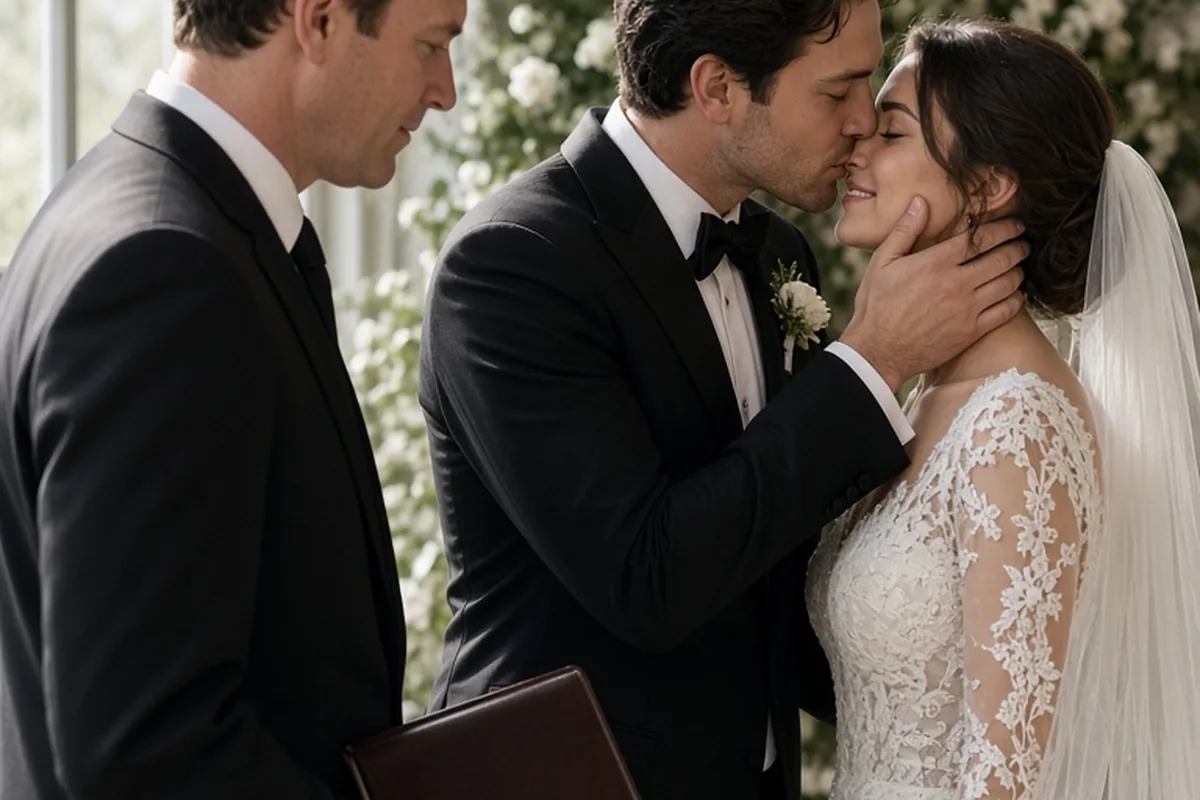
To officiate a wedding, first verify the county clerk's legal credentials and registration rules in the jurisdiction where the ceremony occurs. Next, interview the couple to identify their preferred tone and traditions, write a structured script with spoken cues and required declarations of intent, and lead the ceremony rehearsal. On the wedding day, project clearly, step aside during the first kiss, complete the marriage license with witnesses, and submit it within the statutory deadline.
Standing before a crowd to unite two people is an incredible privilege, but it also carries serious legal duties and emotional expectations. Whether you are an ordained minister or a close friend stepping behind the lectern for the first time, a memorable service requires thoughtful writing, clear stage direction, and meticulous legal follow-through.
Verifying Legal Ordination and County Clerk Requirements
Before drafting a single line of your speech, you must ensure you have the legal standing to solemnize a marriage in the specific county where the ceremony takes place. Marriage laws in the United States are determined at the state and county levels rather than nationally. In many states, getting ordained online through organizations like the Universal Life Church or American Marriage Ministries takes only a few minutes and grants full legal authorization. However, several jurisdictions require ordained ministers to register with the local city clerk, probate court, or county clerk before performing the ceremony.
Contact the clerk's office in the county where the venue is located, which may differ from where the couple resides or where you live. Ask whether they require an application, an official letter of good standing, or a copy of your ordination certificate bearing a physical seal. Certain areas, including parts of Virginia, New York City, Nevada, and Ohio, maintain specific registration procedures or restrictions regarding online ordinations. Verifying these administrative details months in advance prevents procedural errors that could invalidate the marriage.
Designing the Ceremony Arc and Pacing the Program
A well-structured wedding ceremony balances solemnity, joy, and momentum, typically lasting between fifteen and twenty-five minutes. Services that run shorter often feel rushed, while those extending past thirty minutes risk losing the audience's engagement. A standard secular or modern ceremony follows a proven arc: the processional, opening remarks, a personalized narrative or reading, the declaration of intent, the exchange of vows, the exchange of rings, the pronouncement, the first kiss, and the recessional.
Your first crucial duty as officiant occurs immediately after the processional ends. Once the couple is in place at the altar and music fades, you must instruct the assembly to be seated. Guests naturally remain standing after the bride or partners walk down the aisle and will uncomfortably stand for the entire service unless directed to sit. Building clear transitions between sections also keeps the service moving naturally. For example, moving smoothly from a reading about partnership directly into the formal vows creates an emotional escalation that feels intentional.
Interviewing the Couple to Capture Their Authentic Voice
The best officiants tailor their remarks directly to the couple rather than relying on generic observations about romance. Schedule a formal conversation with both partners roughly two to three months before the wedding day. Send them a questionnaire ahead of time or conduct a joint interview where you ask them how they met, what traits they admire in each other, how they navigated significant challenges, and what commitments they value most for their future.
During this conversation, clarify the boundaries and emotional tone they envision. Determine whether they prefer a lighthearted service with gentle humor, a formal and traditional presentation, or an intimate and sentimental reflection. Ask explicitly if there are topics, past relationships, deceased relatives, or sensitive family dynamics they want excluded from the remarks. Clarifying these expectations prevents awkward surprises and ensures both partners feel respected and accurately represented.
Writing the Script and Formatting Spoken Stage Cues
When drafting the ceremony script, write for the ear rather than the page. Use shorter sentences, active verbs, and natural conversational cadence. Avoid inside jokes that only five people in the room understand; the story you tell should invite the entire audience into the couple's world. If the couple chooses to write their own vows, review their lengths beforehand so one partner does not recite a thirty-second promise while the other delivers a five-minute monologue.
Format your script with prominent, color-coded stage cues placed directly inside the text. Mark moments where you must pause for laughter, cue the best man for the wedding rings, or invite the couple to turn and face each other. Never read from a smartphone or loose sheets of printer paper, which look messy and rustle in the wind. Print your final text in a clean 14-point or 16-point font with double spacing, and place the pages inside a dark, professional folio or a small leather binder that you can hold securely in one hand.
Directing the Wedding Rehearsal and Altar Blocking
The rehearsal is where you establish physical confidence for the wedding party. If the couple does not have a professional wedding coordinator, you will guide the flow. Begin by positioning everyone at the altar exactly as they should stand during the ceremony. This reverse approach gives the wedding party a visual benchmark of where their feet should be before you practice the entrance. Ensure attendants stand at a slight angle facing the couple rather than looking straight ahead, and remind bridesmaids to hold their bouquets at belly-button level to avoid hiding their dresses.
Pay careful attention to the space between you and the couple. Stand centered, roughly three to four feet behind them, which forms a visually balanced triangle. Practice the handoffs: who holds the bouquet during the ring exchange, who holds the rings, and who steps forward to make adjustments to a wedding dress train. Run through the entire processional and recessional twice so that everyone knows their walking pace, spacing intervals, and exit path.
Managing Voice Projection, Microphones, and Stage Presence
Public speaking anxiety is normal, but deliberate physical habits will keep you grounded. When speaking into a microphone, maintain consistent distance from your mouth, keeping a handheld microphone roughly two inches below your lower lip at a forty-five-degree angle. If using a wireless lapel microphone, remember that it picks up sound based on the orientation of your chest; turning your head sharply toward the couple while speaking will cause your volume to drop for the audience. Speak approximately twenty percent slower than your normal conversational rate, using deliberate pauses to let emotional moments settle.
One of the most important professional habits of an officiant is clearing the frame for the couple's first kiss. Right after you announce, 'You may now kiss,' deliberately take two large steps to the side or backward out of the camera's sightline. If you remain standing dead center, your face will appear between the couple in their primary wedding portrait. Once the kiss ends, step back into position to present the newlyweds to their guests and initiate the recessional.
Completing the Marriage License and Submitting Official Records
Your legal authority culminates in properly executing and filing the marriage license. The couple is responsible for obtaining the blank license from their local clerk before the wedding, but you must ensure it is present on the day of the event. Do not sign the document during the ceremony itself unless the couple specifically wants it as a visual ritual; signing in a quiet room immediately following the ceremony keeps the paperwork protected from spills, wind, and misplaced pens.
Use a black ink pen, write legibly, and double-check every date, municipality name, and spelling. Ensure the required number of adult witnesses sign their legal names where designated. As the officiant, you are legally responsible for returning the completed license to the issuing clerk's office within the statutory window, which varies by state from a few days to thirty days. Deliver the license in person if local, or send it via certified mail with tracking to guarantee delivery, and notify the couple once it has been processed.
Frequently asked questions
Do I need to memorize the entire wedding ceremony script?
No, officiants are expected to read from a script or folio. Memorizing the entire ceremony creates unnecessary stress and increases the risk of stumbling over critical legal wording. Focus on familiarizing yourself with the text so you can maintain regular eye contact with the couple and the audience while glancing down at your binder.
What should I do if the couple begins crying during their vows?
Pause gracefully and give the couple time to collect themselves without rushing to fill the silence. Keep a clean handkerchief or tissue discreetly tucked into your pocket or folder so you can offer it without drawing attention. Speak softly to encourage them, and let them set the pace before resuming the exchange.
Can any ordained friend officiate a wedding in any US state?
Rules vary significantly depending on the jurisdiction. While many states permit any adult ordained through online ministries to solemnize marriages, others require state registration, background credentials, or place strict limitations on non-traditional ordinations. Always contact the clerk in the county where the marriage will take place to confirm local rules.
How early should the officiant arrive on the wedding day?
Plan to arrive at least forty-five to sixty minutes before the scheduled start time. This buffer allows you to test the audio system with the sound technician, confirm that the marriage license is physically on-site, check in with both partners, and review last-minute logistics with the wedding coordinator.
Your next step
Contact the local county clerk's office where the wedding will occur this week to verify their officiant registration rules, credential filing deadlines, and marriage license requirements.