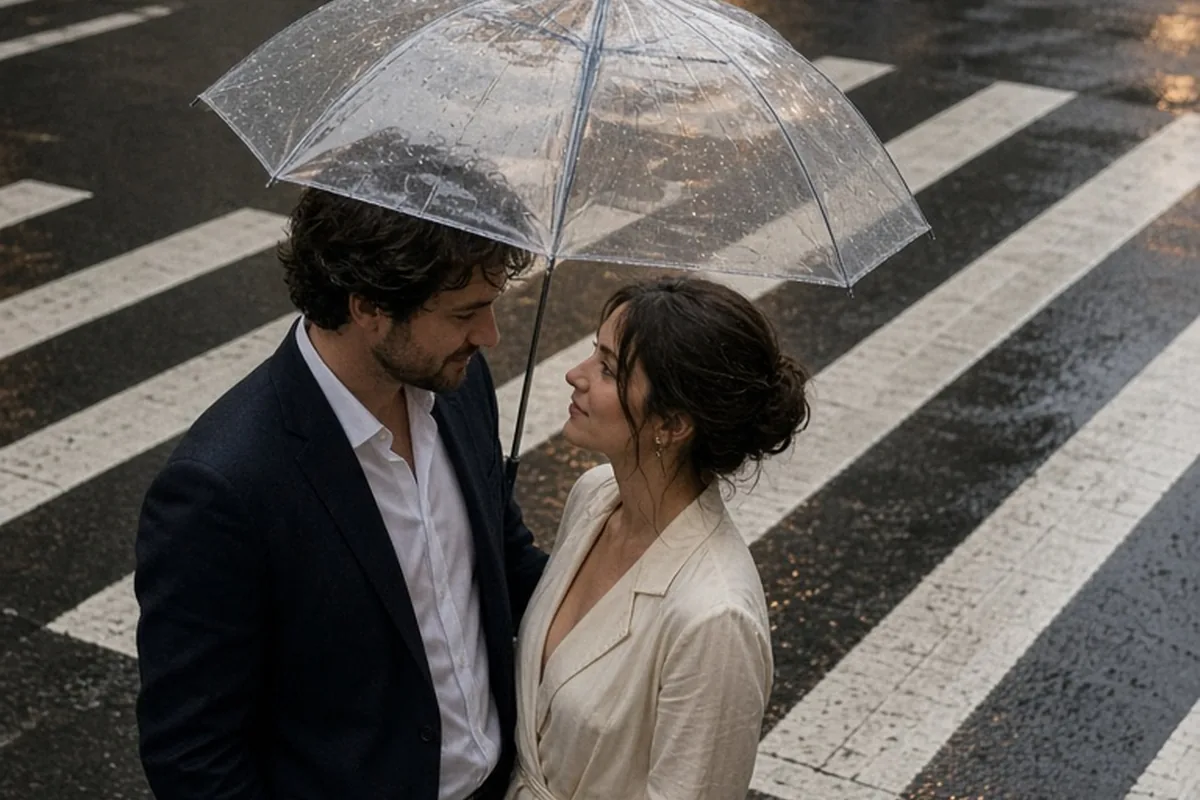
Planning a courthouse wedding involves calculating administrative expenses alongside optional personal elements. The baseline budget covers the county marriage license, the civil ceremony appointment fee, and official certified certificate copies. Couples then layer on variable expenses like courthouse attire, a photographer for one or two hours, personal flowers, and a celebratory post-ceremony meal. Total spending ranges from minimal mandatory municipal fees to several thousand dollars depending on guest count, photography, and dining choices.
A civil ceremony at your local city hall, county clerk office, or municipal courthouse offers an intimate, legally binding way to marry without the complex logistics of a traditional venue. Because expenses shift significantly depending on your jurisdiction and how you choose to celebrate, building a clear spending framework helps you allocate funds toward the personal touches that matter most to you.
Mandatory Legal Paperwork and Municipal Ceremony Costs
The only mandatory expenses for a courthouse wedding are the legal documents and administrative fees required by your local government. Every couple must first purchase a marriage license from their county clerk or city registrar before the ceremony can take place. License costs vary widely by state, county, and municipality, often fluctuating based on whether you are local residents or out-of-state applicants. Some jurisdictions also offer a discount if you complete a state-approved premarital education course. In addition to the application fee, pay close attention to the validity window of the license, which typically ranges from thirty to ninety days, as well as any mandatory waiting periods between receiving the license and holding the ceremony.
The civil ceremony itself usually incurs a separate administrative or judicial fee. In many city halls and municipal courts, couples book a brief appointment with a clerk, judge, or designated officiant. This charge covers the official performing the ceremony and filing the completed return with the records bureau. While some smaller municipal offices include this in the initial appointment booking, major metropolitan halls often separate the ceremony appointment fee from the licensing transaction. If you plan to bring an outside ordained officiant to perform the ceremony in a public rotunda or courthouse courtyard, you may also encounter short-term space reservation fees.
After the ceremony concludes and your signed license is submitted to the county, you will need official certified copies of your marriage certificate for legal name changes, health insurance updates, joint banking, and passport amendments. Certified copies are rarely provided free with the initial ceremony fee; they must be purchased individually from the vital records division. Factoring in two to three certified copies from the start ensures your administrative budget remains accurate and covers all post-wedding legal paperwork.
Courthouse Wedding Attire and Accessory Budgeting
Attire for a courthouse wedding offers immense flexibility, allowing you to choose anything from casual ready-to-wear pieces to formal designer wedding garments. Many brides opt for chic short dresses, midi-length slip gowns, tailored white pant suits, or modern jumpsuits purchased from contemporary fashion retailers rather than traditional bridal boutiques. Grooms frequently select sharp tailored suits, blazers with coordinating trousers, or clean business casual combinations that can be worn again for future professional or social events. Because city hall weddings lack the strict formality of traditional ballrooms, you have complete freedom to define your look without adhering to customary bridal expectations.
When calculating your wardrobe budget, factor in the cost of professional alterations, shoes, undergarments, and outer layers. Tailoring is often essential to achieve a polished fit, particularly for suits and structured dresses, and complex alterations can add noticeable costs. If your courthouse features historic stone steps, outdoor colonnades, or nearby downtown parks, you may spend significant time walking on hard or uneven surfaces, making supportive, comfortable footwear a priority. Depending on the season, a stylish coat, cape, leather jacket, or tailored wrap can serve as a functional and photogenic accessory during transit between the clerk's office and your celebration venue.
Renting or shopping second-hand is an increasingly popular way to wear high-end designer pieces while keeping the overall clothing budget controlled. Online designer rental platforms and curated consignment boutiques allow you to access luxury garments, fine jewelry, and statement accessories for a fraction of their retail purchase price. Alternatively, purchasing versatile items that seamlessly integrate into your permanent wardrobe delivers long-term utility from your wedding attire investment.
Hiring a Photographer for Short Civil Ceremonies
Photography is frequently the single largest elective investment for a courthouse wedding, yet it operates very differently from standard full-day wedding coverage. Instead of booking an eight-to-ten-hour package, couples planning a city hall ceremony typically hire a professional photographer for one to three hours. This focused timeframe is sufficient to capture arrival moments, the legal ceremony inside the clerk's office or judge's chambers, the signing of the marriage register, family portraits on the courthouse steps, and a relaxed couples portrait session throughout the surrounding neighborhood.
When evaluating photography quotes, look specifically for elopement, civil ceremony, or hourly micro-wedding collections. Some photographers charge standard commercial hourly rates, while others build specialized city hall packages that include location scouting, digital image licensing, high-resolution gallery delivery, and print rights. Inquire whether travel fees apply if you plan to move between the municipal building and a separate dining or park location for portraits. Because natural light inside older municipal buildings can be dim or uneven, prioritize photographers with strong portfolios demonstrating proficiency with available indoor light and direct flash.
It is also critical to verify municipal photography policies prior to hiring your vendor. Certain historic courthouses and working justice complexes enforce strict security guidelines, prohibiting tripods, standalone lighting equipment, or photography outside designated rooms. A photographer familiar with your specific local government building will know the best backdrops, security checkpoint procedures, and legal guidelines, saving time and preventing unexpected friction on your wedding day.
Florals, Hair, and Personal Styling Options
Personal flowers and beauty services add celebratory texture to a civil ceremony without demanding the expansive floral installations of a traditional wedding venue. For flowers, most courthouse couples focus solely on personal items: a single bridal bouquet, a boutonniere, a corsage, or a small hair floral piece. Ordering a bespoke bouquet from an independent florist allows for customized color palettes and premium blooms, while assembling stems sourced from a local flower market or grocery store offers a charming, budget-friendly alternative that requires minimal preparation.
Professional beauty services can be tailored to match your personal routine and budget constraints. Booking an appointment at a local salon or blowout bar on the morning of your ceremony is often significantly more cost-effective than hiring artists to travel on-site to your home or hotel. If you are comfortable doing your own hair and makeup, you can allocate those funds toward high-quality skincare, long-lasting setting products, or a new lip shade purchased specifically for the day.
Small decorative accents and keepsake items should also be accounted for in this category. Consider whether you wish to purchase specialized velvet ring boxes, personalized vow notebooks, a custom certificate folder, or a unique guestbook if you are hosting a small group. While each of these items carries a modest price individually, totaling them in advance prevents small impulse purchases from expanding your miscellaneous expenses.
Post-Ceremony Meals, Private Dining, and Reception Formats
How you choose to celebrate after the courthouse ceremony will heavily influence your overall financial plan. Common approaches range from an intimate champagne toast at a quiet cocktail lounge to a multi-course private dining room lunch or a relaxed backyard dinner party with close friends. Because civil ceremonies typically occur during weekday business hours, lunch or early afternoon reservations are common, often carrying lower food and beverage minimums than prime Friday or Saturday evening dinner services.
If you reserve a private or semi-private dining room at a local restaurant, request a complete breakdown of expected costs before signing an event agreement. In addition to menu prices per person, restaurant contracts routinely include minimum food and beverage spends, mandatory gratuity, administrative service charges, state and local sales taxes, and potential corkage or cake-cutting fees. Clarifying whether alcohol is billed on consumption or through a flat-rate beverage package helps prevent surprises when the final bill is presented at the end of the meal.
For couples seeking a casual gathering, reserving tables at a favorite neighborhood bistro, renting a private patio at a local brewery, or ordering family-style catering for a home gathering keeps the atmosphere relaxed and the costs flexible. Keeping your guest count small ensures you can treat your attendees to an exceptional dining experience while maintaining an accessible overall event cost.
Navigating Municipal Restrictions, Guest Limits, and Officiants
Before finalizing any travel or celebration plans, you must understand the logistical parameters established by your local municipal court. Courthouse ceremony spaces vary widely in size and formality, ranging from functional administrative cubicles and customer service windows to historic ceremonial courtrooms. Because these offices conduct active civic business, strict occupancy limits are standard. Many county clerk offices restrict attendees to anywhere between two and ten guests, and that guest count almost always includes your professional photographer.
Witness regulations are another crucial legal detail that varies by state and county. Some jurisdictions mandate the presence of one or two adult witnesses who must observe the ceremony and sign the legal registry, while other states require no witnesses beyond the presiding official. If you are eloping privately without family or friends in a jurisdiction that requires witnesses, you must arrange for your photographer, an elopement coordinator, or local acquaintances to serve in that role, or confirm whether court personnel can sign as witnesses.
Be prepared for strict time management and courthouse security protocols. Most civil marriage appointments are scheduled in narrow increments of ten to twenty minutes, and ceremonies usually follow a concise, standardized civil script. You will pass through standard building security and metal detectors upon arrival, which can cause unexpected delays during peak court hours. Planning to arrive thirty to forty-five minutes before your scheduled appointment prevents rushed check-ins and guarantees your legal time slot is protected.
Step-by-Step Scheduling and Document Verification Timeline
A smooth courthouse wedding relies on disciplined scheduling and meticulous document verification. Begin by visiting your official county clerk or vital records website two to three months prior to your target wedding date. Check whether license applications and ceremony appointments open on a rolling basis, and note how far in advance appointment slots are released. In high-demand metropolitan city halls, ceremony slots can fill within minutes of being posted online, making early planning vital for securing your preferred date and time.
Gather all required legal identification well in advance of your appointment. Most jurisdictions require valid government-issued photo identification such as a driver's license, state ID card, or passport, along with proof of age and residency. If either partner was previously married, you will typically need to present a certified copy of the final divorce decree or dissolution paperwork showing the legal termination date. Ensuring that all names across your legal documents match precisely avoids administrative delays or rejected applications on the day of your appointment.
In the final weeks leading up to the ceremony, confirm all logistics with your guests, photographer, and lunch venue. Verify the exact payment methods accepted by the county clerk, as some municipal offices do not accept credit cards or personal checks and instead require exact cash, money orders, or certified cashier's checks. Review driving routes, downtown parking options, and building entry points so that you and your guests arrive composed and ready to celebrate.
Frequently asked questions
How far in advance should we schedule our courthouse ceremony?
Most municipal courts and clerk offices allow couples to book ceremony appointments between thirty and ninety days in advance. In high-demand metropolitan areas, slots can book out quickly, so it is best to check your local county clerk website as soon as you have a target date in mind.
Are witnesses required for a courthouse wedding?
Witness requirements depend entirely on state and county marriage laws. Some jurisdictions do not require any witnesses, while others mandate one or two adult witnesses to sign the marriage license. If you are eloping alone in a state that requires witnesses, you can often ask your photographer or court staff to sign.
Can we exchange personalized vows during a civil ceremony?
Most courthouse ceremonies follow a concise, standardized legal script due to tight appointment schedules. While many judges and clerks welcome a brief exchange of personal vows or rings, you should confirm this in advance with the clerk's office on the day of your appointment.
What payment methods do courthouse clerks accept for license and ceremony fees?
Payment policies vary by government office. While many larger city halls accept major credit cards, some smaller municipal courts require exact cash, cashier's checks, or money orders, and may charge processing fees for card payments. Check your local clerk's official payment guidelines before arriving.
Your next step
Visit your local county clerk's official website today to verify current license fees, accepted payment methods, and appointment availability for your desired wedding date.