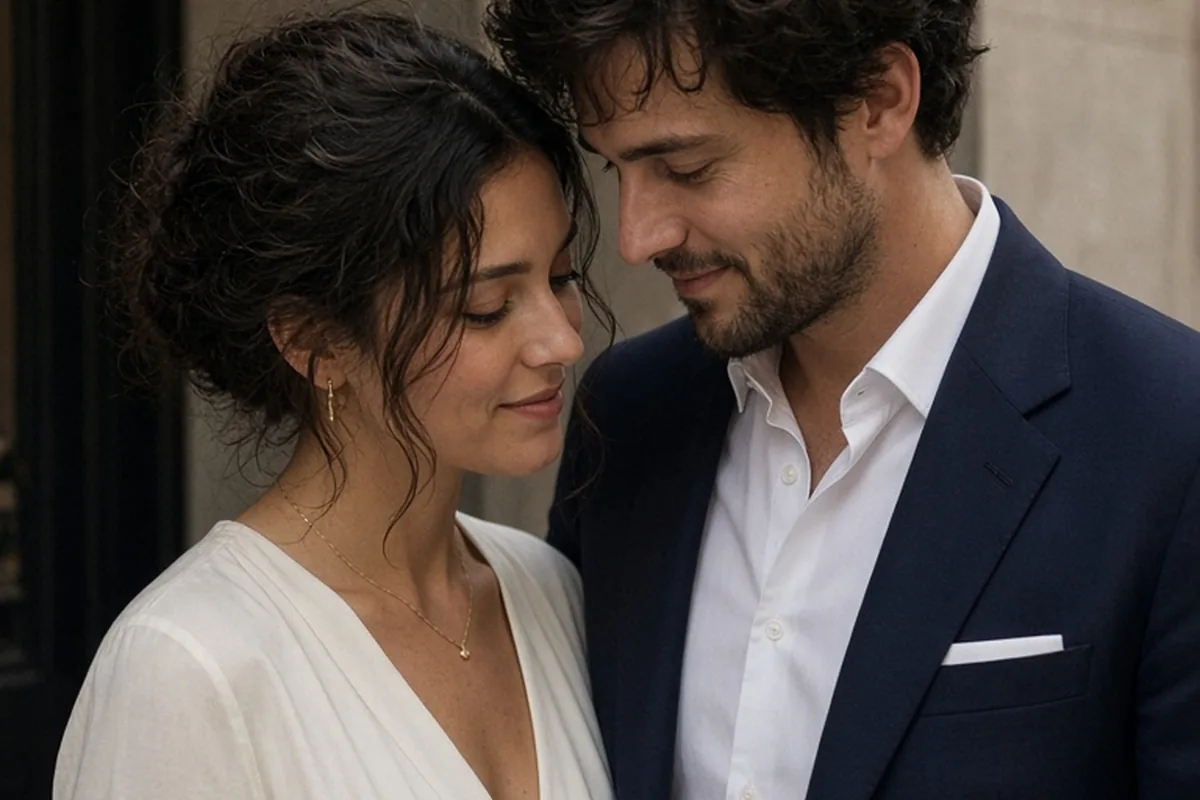
To plan a courthouse wedding for a small group, start by checking your local county clerk requirements for marriage license waiting periods, appointment availability, and strict guest count limits. Secure your ceremony date and schedule a photographer for ceremony coverage and nearby portraits. Choose comfortable, elevated attire suited to the venue, prepare personal vows or brief readings if permitted, and reserve a private dining room, restaurant terrace, or intimate venue nearby for your post-ceremony reception.
A civil ceremony offers an intimate, low-stress alternative to a traditional large-scale event, allowing couples to focus on meaningful commitment without months of complex vendor coordination. Planning a small civil celebration still requires thoughtful organization to ensure legal requirements are met, guests feel welcomed, and the occasion feels celebratory.
Navigating Marriage License Timelines and Civil Ceremony Booking
The foundation of any successful courthouse wedding begins with understanding the specific legal procedures of your municipal jurisdiction or county clerk office. Marriage laws vary significantly across states and counties, particularly regarding the separation between obtaining a marriage license and the actual ceremony appointment. In some regions, you can obtain a license and get married in the same administrative visit, whereas many jurisdictions enforce a mandatory statutory waiting period between issuance and solemnization. Additionally, marriage licenses carry expiration dates ranging from a few weeks to several months, meaning applying too early or too late can disrupt your schedule.
Contact your municipal clerk or review their official government website to confirm whether civil ceremonies are conducted by appointment or on a walk-in basis. If appointments are required, note that popular dates, such as Fridays or dates with repeating numbers, often book out weeks or months in advance. Make a list of required documentation, which typically includes government-issued photo identification, certified birth certificates, and official documentation of finalized dissolutions from any previous marriages. Confirm payment methods ahead of time, as some municipal buildings accept only cash, certified cashier checks, or specific money orders for civil service fees.
Determining Your Guest List Under Courthouse Capacity Limits
One of the most rigid constraints of a courthouse wedding is room capacity, which is governed by local fire codes and municipal building regulations rather than couple preference. Some historic city halls or municipal courtrooms permit only two witnesses alongside the couple, while others accommodate small groups of ten to twenty seated guests. Contact the clerk directly to ask for the exact head count allowed inside the ceremony room, and ask whether children or your professional photographer count toward that limit. Knowing these boundaries early prevents awkward day-of exclusions at building security checkpoints.
If your ideal guest list exceeds the courtroom maximum, decide how to structure the day so loved ones can participate without violating municipal rules. You might invite immediate family and designated witnesses into the legal ceremony while organizing a secondary gathering point, such as a nearby park, scenic plaza, or hospitality suite, where a larger circle of friends and extended family can greet you immediately afterward. Communicate these arrangements clearly on your invitations or personal wedding website so guests understand arrival times, security procedures, and expectations for the day.
Selecting Meaningful Attire and Styling for a City Hall Setting
Courthouse ceremonies allow couples total freedom regarding attire, ranging from classic bridal fashion to tailored contemporary suiting or chic separates. When choosing garments, consider the architectural backdrop of your venue, which may feature neoclassical stone columns, mid-century wood paneling, or modern utilitarian courtrooms. Tea-length dresses, tailored jumpsuits, two-piece suits, and classic floor-length gowns all suit the environment well. Consider practical elements such as navigating security metal detectors, climbing wide stone steps, and walking across marble floors or city sidewalks for photos.
Accessories serve as an effective way to elevate civil wedding attire while honoring personal style. A compact, hand-tied floral bouquet, a statement birdcage veil, tailored cufflinks, or bold footwear can infuse personality into the civil setting. Ensure your outerwear aligns with your overall aesthetic if you are marrying in cooler weather, as coats, capes, and wraps frequently feature in outdoor entrance and exit photographs. Schedule professional hair and makeup services with adequate buffer time so you feel prepared and unhurried before traveling to the municipal building.
Hiring Photography to Capture Ceremony Moments and Urban Portraits
Because a civil ceremony is often brief, professional photography plays a vital role in documenting the emotion and significance of the day. When reaching out to photographers, look for professionals experienced in working with civil ceremonies, public municipal buildings, and available light. Government buildings frequently have restrictions on flash photography, tripods, or designated shooting zones inside active courtrooms. An experienced photographer will know how to work unobtrusively within courtroom constraints while navigating challenging interior lighting conditions.
Structure your photography package to capture three distinct phases: pre-ceremony arrivals outside the building, the vows and document signing, and a post-ceremony portrait session. Many municipal buildings boast striking architectural details such as grand staircases, tall arched doorways, and ornate corridors that offer timeless portrait backdrops. Plan an extra hour following the ceremony to stroll through adjacent neighborhoods, historic districts, or public gardens to create a varied gallery of candid, joyful couple and small-group portraits.
Personalizing a Brief Civil Vow Exchange Within Municipal Rules
Standard civil ceremonies conducted by judges, magistrates, or city clerks are typically concise, often concluding in five to ten minutes. While the officiant follows a standardized legal script, many officials welcome small personal touches if arranged in advance. When checking in on the day of your wedding, ask the officiant whether you may read brief personal vows to each other, incorporate an additional short reading by a guest, or exchange wedding rings. Keeping personal vows to one or two minutes ensures the ceremony remains meaningful without exceeding the clerk's allotted time slot.
If your local jurisdiction utilizes a strict legal script that cannot be altered, consider establishing your own vow exchange ritual before or after the official appointment. You can share handwritten private vows during a first look in a nearby park, exchange letters in the transport vehicle on the way to the courthouse, or read commitments to one another during an intimate toast at your post-ceremony celebration. This hybrid approach guarantees compliance with municipal schedules while preserving the depth and vulnerability of personal promises.
Curating Post-Ceremony Celebrations from Private Dining to Casual Toasts
The conclusion of your civil ceremony marks the transition into a celebratory gathering tailored to your small guest list. One popular approach is reserving a private or semi-private dining room at a local restaurant, bistro, or boutique hotel near the courthouse. Private dining rooms provide an intimate, focused environment where you can design a multi-course tasting menu, arrange custom table florals, and enjoy speeches without competing against regular dining room noise. Inquire with venues about minimum food and beverage spends, corkage policies, and audiovisual access if you wish to play music or share slideshows.
For couples seeking a more informal post-ceremony experience, consider alternative formats such as an afternoon champagne picnic in a manicured botanical garden, a catered brunch at a private residential rental, or a cocktail reception on an open-air rooftop. Because your guest count is small, you have the budgetary flexibility to prioritize premium hospitality elements, such as bespoke cocktail pairings, personalized place cards, specialized dessert tastings, or thoughtful welcome gifts for each guest. Select a venue that matches your desired pacing, whether that involves a relaxed four-hour meal or an upbeat cocktail party.
Managing Day-of Schedules, Parking Logistics, and Guest Navigation
Government facilities operate on strict operational routines, making logistical planning essential for a seamless wedding day. Civil courtrooms and administrative buildings often require all visitors to pass through security screening and metal detectors, which can create entry delays during peak business hours. Instruct your guests to arrive at least twenty to thirty minutes prior to your official appointment time, carrying government identification and avoiding prohibited items such as sharp objects or large bags.
Downtown civic centers often have limited parking, congested one-way streets, and active commuter traffic. Research nearby parking garages, valet options, or rideshare drop-off points in advance, and provide clear directions and parking addresses on an itinerary sheet or message to your guests. Appoint a trusted friend, family member, or day-of coordinator to gather guests in the main lobby, confirm all required legal witnesses are present, and liaise with building staff so you can focus entirely on the experience.
Frequently asked questions
Do we need witnesses for a courthouse wedding ceremony?
Witness requirements depend entirely on state and local county laws. Some jurisdictions require one or two adult witnesses to observe the ceremony and sign the legal register, while other areas require none. Always check with your local marriage bureau beforehand to determine whether you must provide witnesses or if clerk staff can assist.
Can we bring a photographer inside the courthouse ceremony room?
Most courthouses allow professional photographers inside the ceremony room, but restrictions can apply depending on local judicial rules. Some judges prohibit flash photography, video recording, or the use of tripods in active court facilities. Confirm the building photography guidelines with the clerk when scheduling your appointment.
How far in advance should we schedule a courthouse wedding?
Booking windows vary by municipality, ranging from same-day walk-in services to appointment schedules opening sixty to ninety days in advance. In major metropolitan areas or popular historic city halls, prime Friday and holiday appointments fill up rapidly. Check your local clerk appointment calendar as soon as you settle on a target month.
Your next step
Contact your local county clerk office or visit their official website today to verify marriage license processing timelines, witness rules, and civil ceremony appointment availability for your desired date.