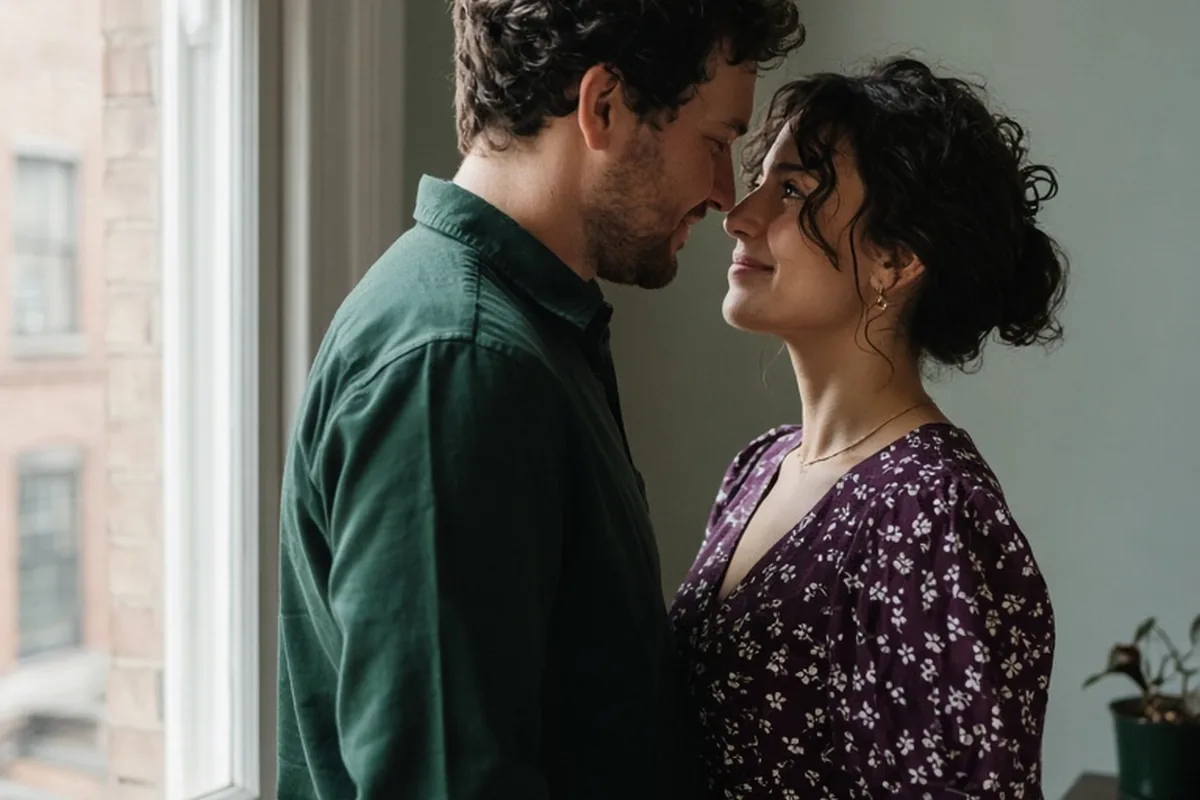
To plan a courthouse wedding on a budget, first check your local county clerk requirements for marriage license waiting periods, appointment rules, and administrative fees. Next, prioritize your spending by selecting off-the-rack attire, hiring a photographer for one or two hours instead of a full day, and hosting a modest celebration afterward, such as a family meal at a favorite restaurant or a casual park picnic.
A civil ceremony at a local city hall or municipal building offers an intimate, stress-free alternative to traditional large-scale events while keeping expenses under control.
Navigating County Clerk Rules, Marriage Licenses, and Booking Slots
The first step in coordinating a civil ceremony is understanding that every municipality and county clerk office operates under distinct legal frameworks and appointment schedules. Before making any celebratory plans, visit your local government website to review the exact prerequisites for obtaining a marriage license and scheduling a civil ceremony. Some jurisdictions permit walk-in ceremonies on designated weekdays, while others require couples to book an appointment weeks or even months in advance. You must also determine whether the marriage license application and the actual ceremony occur during the same visit or require separate appointments with a mandatory statutory waiting period between them.
Administrative requirements generally dictate that both partners appear in person with government-issued photo identification, such as a passport or driver license, along with certified copies of any relevant legal records like final divorce decrees or name change documentation. Because licensing fees, civil officiant fees, and certified copy charges vary widely across different jurisdictions, verify the accepted payment methods ahead of time, as many government offices do not accept personal checks or certain credit cards. Identifying these administrative steps early prevents scheduling conflicts and eliminates unexpected processing delays.
Managing Guest Limits, Waiting Rooms, and Ceremony Timing
Courthouse wedding chambers and clerk offices usually enforce strict physical capacity limits due to local fire codes and municipal building regulations. While some historical city halls offer spacious ceremonial rooms that can accommodate ten to twenty guests, many standard municipal offices limit attendance to only two witnesses or a handful of close family members. Contact your clerk office directly to confirm the maximum number of permitted attendees, including photographers and young children, so you can set expectations with loved ones before extending invitations.
Because municipal courts handle public business throughout the day, civil ceremonies typically operate on tight schedules, often lasting between five and fifteen minutes. Prepare your guests for the practical realities of a civic venue, which may include clearing building security, waiting in shared public corridors, and adhering to strict building conduct rules. Communicating these logistics clearly in advance ensures that your guests arrive on time with appropriate identification and understand the brief nature of the civil proceedings.
Choosing Budget-Friendly Attire, Styling, and Simple Bands
A civil ceremony allows for complete flexibility regarding what you wear, freeing you from traditional bridal salon markups and extensive alteration timelines. Many couples opt for contemporary ready-to-wear dresses, tailored suits, vintage finds, or elegant separates from standard retail stores. Choosing versatile garments that can be worn again for future occasions maximizes your clothing investment while maintaining an elevated, polished look suited to a formal legal ceremony.
You can manage beauty and accessory expenses by styling your own hair and makeup or booking a standard salon blowout rather than a premium wedding styling package. For florals, consider assembling a simple hand-tied bouquet using fresh stems from a local flower market or grocery store wrapped with satin ribbon. When selecting wedding bands, explore classic metal bands such as sterling silver, titanium, or standard gold, which provide durable, timeless elegance without the high retail markup associated with elaborate bespoke jewelry.
Capturing Courthouse Moments Without Expensive Photography Packages
Professional photography often represents one of the largest single wedding expenses, but a courthouse timeline does not require an eight-hour package. Instead, seek out local professional photographers who offer hourly rates, portrait mini-sessions, or dedicated elopement packages covering only one to two hours of service. This timeframe is typically sufficient to document the ceremony inside the chamber, capture family group portraits on the courthouse steps, and take a brief series of couple portraits around surrounding architectural landmarks.
If hiring a professional photographer does not fit your financial plan, designate a trusted friend or family member with a modern smartphone or entry-level camera to capture the ceremony. Provide them with a short list of key moments to photograph, such as the vows, the ring exchange, the signing of the marriage register, and a candid exit shot outside the building. Review the lighting conditions of the municipal building beforehand, as some courtrooms have low artificial lighting where clean framing and a steady hand are essential for clear images.
Designing an Intimate Reception or Low-Cost Gathering
After concluding the legal formalities, transitioning to a low-cost reception allows you to celebrate with loved ones without paying traditional venue rental fees or full-service catering minimums. A popular and cost-effective approach is reserving a large table or private dining room at a favorite local restaurant for a post-ceremony lunch or brunch. Midday meals and set lunch menus are generally far less expensive than evening dinner services, and the restaurant handles all seating, food preparation, and cleanup.
Alternatively, consider hosting a relaxed gathering at home or in a public park pavilion. An afternoon dessert and champagne toast, a catered taco bar, or a casual family potluck offers a warm, hospitable atmosphere where guests can mingle comfortably for hours. When using outdoor public spaces, check whether your local municipal parks department requires a modest permit for small group gatherings or table reservations, and prepare a simple weather contingency plan in case of rain.
Structuring Your Budget Across Administrative Fees and Personal Priorities
Creating a successful budget for a courthouse wedding involves separating mandatory legal fees from discretionary aesthetic expenses. Start by listing non-negotiable costs, which include the marriage license fee, the civil ceremony officiant fee, certified copies of the marriage certificate, and transportation or parking near the government complex. Setting aside funds for these administrative requirements ensures that your legal baseline is fully covered before you allocate resources to personal preferences.
Once mandatory legal fees are accounted for, distribute your remaining budget based on what matters most to you as a couple. For instance, if having high-quality portraits is your primary goal, you might allocate the bulk of your discretionary funds to a skilled portrait photographer while keeping attire and food modest. Conversely, if sharing a multi-course meal with immediate family is your priority, you can focus your resources on a private dining experience and use simple ready-to-wear clothing and DIY florals to maintain balance.
Organizing Day-of Logistics, Witnesses, and Legal Documents
Smooth execution on your wedding day depends on careful attention to municipal logistics. Plan to arrive at the courthouse at least thirty to forty-five minutes before your scheduled appointment time to account for downtown traffic, parking garage navigation, and building security screening checkpoints. Ensure you have a physical folder containing all required identification, your marriage license paperwork, proof of fee payment or the required payment method, and any necessary witness information.
State and local laws differ on whether witnesses are required to sign the official marriage record. Some jurisdictions require one or two adult witnesses over the age of eighteen, while others require none for a civil ceremony performed by a magistrate or clerk. Verify these legal witness rules ahead of time and ensure your designated witnesses bring valid government identification. Once the ceremony concludes, confirm whether the clerk will file the signed license directly or if you need to submit it to the recording division yourself to receive your certified copies.
Frequently asked questions
How far in advance should we schedule a courthouse wedding ceremony?
Booking timelines depend on your local jurisdiction. Some small clerk offices accept walk-ins or schedule appointments only a few days ahead, while popular city halls in major metropolitan areas may release appointment slots several weeks or months in advance. Check your county clerk office website to review their specific booking calendar.
Do we need to hire a private officiant for a civil courthouse wedding?
In most cases, you do not need to hire a private officiant because a civil magistrate, justice of the peace, or deputy clerk performs the ceremony as part of the scheduled service. However, some jurisdictions require you to bring an ordained officiant if court staff is unavailable, so confirm local staffing policies prior to your date.
What is the difference between a marriage license and a marriage certificate?
A marriage license is the legal permit that authorizes you to marry, which you must apply for and receive before the ceremony takes place. A marriage certificate is the official document issued after the ceremony has been solemnized and recorded, proving that the legal marriage is complete.
Are witnesses required to attend a courthouse wedding ceremony?
Witness requirements vary by state and county. Some jurisdictions mandate that one or two adult witnesses attend and sign the marriage license, while other locations do not require any witnesses for civil ceremonies performed by a judicial official. Review your county guidelines to determine your specific legal requirements.
Your next step
Check your local county clerk website today to confirm marriage license fees, appointment availability, and identification requirements before booking your ceremony date.