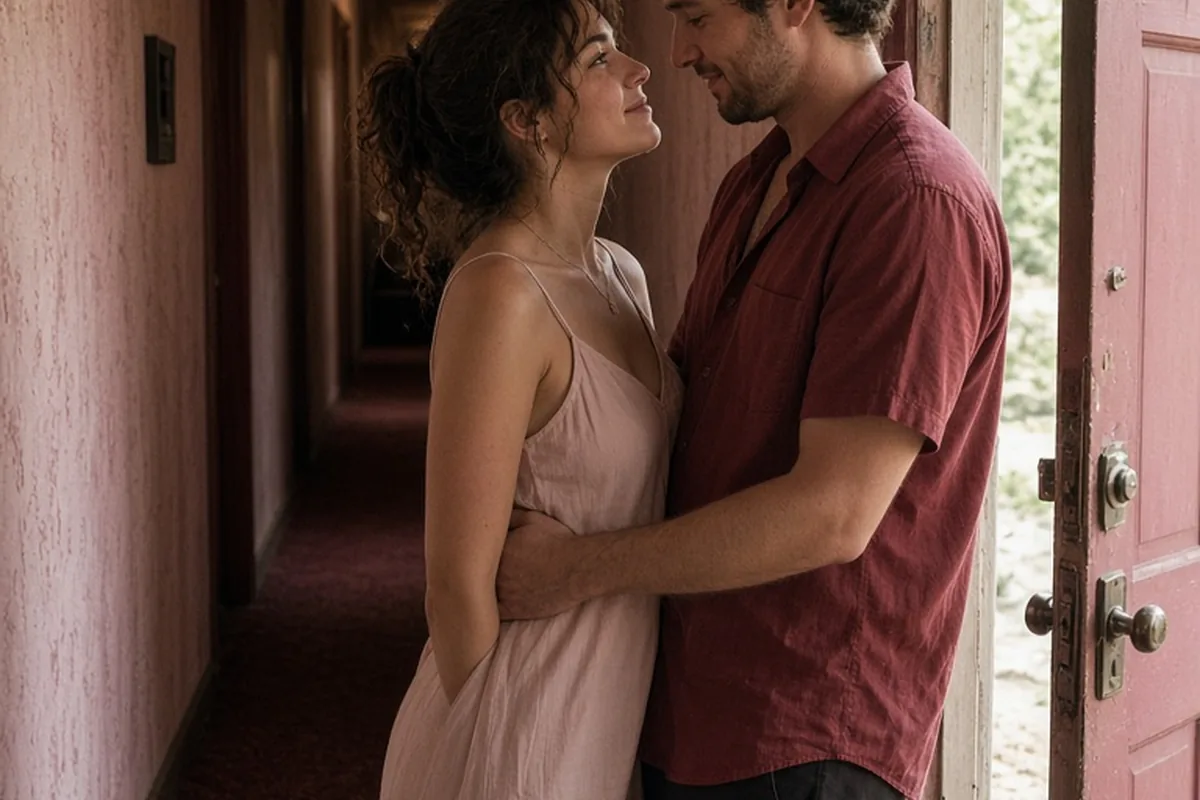
To plan a courthouse wedding with a savings checklist, schedule your marriage license appointment and civil ceremony slot with your local municipal clerk, establish strict guest limits based on room capacity, source ready-to-wear attire, hire a photographer for a short portrait-and-ceremony window, and host a relaxed lunch or private dining reception to avoid conventional venue markups.
Opting for a civil ceremony eliminates the high operational expenses of standard banquet venues, elaborate productions, and sprawling guest lists, allowing couples to redirect financial resources toward investments, housing, or debt reduction.
Navigating County Clerk Fees, Licenses, and Appointment Rules
The legal foundation of a courthouse wedding begins with your local county clerk, municipal court, or city hall. Because each state and municipality maintains its own statutory framework, requirements and costs differ widely across jurisdictions. A standard courthouse marriage generally involves two distinct administrative charges: the marriage license filing fee and the ceremony fee paid to the officiant, judge, or justice of the peace. Additionally, couples should account for certified copies of the marriage certificate, which are necessary for updating identification records, tax filings, health insurance policies, and legal documentation following the wedding.
Scheduling demands careful timing to prevent costly resubmissions. Many counties impose mandatory waiting periods between the issuance of the marriage license and the moment you can legally solemnize the union, ranging from twenty-four hours to several days. Conversely, licenses carry firm expiration windows, often between thirty and ninety days. If you obtain your license too early or fail to hold the ceremony before the deadline, you will forfeit the original filing fee and must reapply. Research your specific county website to determine whether civil ceremonies operate on a walk-in basis or require advance calendar reservations, as high-volume metropolitan courthouses frequently book slots months in advance.
Administrative friction is one of the easiest ways to incur unnecessary expenses and delays on your wedding day. Every jurisdiction requires verified identity documentation, which may include state-issued driver's licenses, valid passports, certified birth certificates, or foreign documentation with certified translations. If either party has been previously married, municipal clerks strictly require certified copies of final divorce decrees or death certificates before issuing a new license. Forgetting these original physical documents can result in missed appointments, administrative cancellation fees, and the added expense of rescheduling expedited paperwork processing.
Managing Strict Courthouse Capacity Limits and Guest Expectations
One of the primary drivers of savings in a courthouse wedding is the physical constraint of the ceremony space. Municipal chambers, judges' offices, and city hall chapels enforce rigid fire codes and administrative guidelines that limit the number of attendees. Many facilities allow only the couple and two legal witnesses, while others accommodate small groups of ten to twenty guests. Understanding these legal caps early prevents you from ordering printed stationery, favors, or transportation for guests who will not be permitted past courthouse security.
Managing family expectations around these limitations requires clear, compassionate communication well before the wedding date. Emphasize that room restrictions are strictly enforced by municipal building policies and courtroom security personnel rather than personal preference. For close relatives and friends who cannot be physically present during the vows, consider setting up a digital live-stream from a personal mobile device if the courthouse allows recording, or invite them to gather immediately outside the building steps for group photographs after the paperwork is signed.
Logistical clarity on the day of the ceremony also prevents unnecessary stress and extra costs. Advise attending guests to arrive early to clear building security checkpoints, which frequently include metal detectors and baggage screenings similar to airport security. Providing guests with detailed instructions regarding courthouse parking garages, metered street parking, or nearby public transit avoids frantic phone calls, parking violations, and missed ceremony windows that courts cannot extend due to full daily dockets.
Sourcing Civil Ceremony Attire Without Traditional Bridal Markups
Traditional wedding apparel often represents one of the largest single budget line items, driven by bridal salon markups, extended manufacturing timelines, and custom tailoring fees. A courthouse ceremony offers complete sartorial freedom, allowing couples to bypass specialized bridal retail altogether. High-street fashion retailers, department stores, and independent boutiques offer white cocktail dresses, tailored pantsuits, sleek midi silhouettes, and contemporary two-piece ensembles at a fraction of traditional bridal gown pricing without requiring six-month lead times.
Suits and formal wear present another immediate opportunity for practical savings. Rather than renting an ill-fitting tuxedo with non-refundable rental insurance fees, grooms or partners can purchase a classic navy, charcoal, or neutral suit from off-the-rack retailers. Investing in high-quality everyday tailoring ensures the garment remains a permanent, versatile staple in their working wardrobe for years to come. Alternatively, styling an exceptional suit or dress already owned by selecting modern accessories like leather dress shoes, silk pocket squares, or textured neckwear keeps clothing costs close to zero.
Beauty and grooming routines can be streamlined effectively without sacrificing a polished appearance. On-location bridal hair and makeup teams often apply premium baseline rates and minimum travel charges. Booking an in-salon appointment at a local blowout bar or styling salon on the morning of your ceremony yields professional, camera-ready results at standard retail salon pricing. Couples who prefer handling their own beauty can focus their spending on high-performing setting sprays, long-wear foundation, and timeless nail care that will perform cleanly in photography.
Securing Hourly Photography Coverage for Vows and Portraits
While eliminating complex production costs, most couples still want professional visual documentation of their marriage. Traditional wedding photography packages typically span eight to twelve hours, bundling full-day prep coverage, second shooters, and premium printed albums into substantial fees. For a courthouse wedding, paying for full-day event coverage is unnecessary because the central narrative happens within a condensed timeframe. Negotiating an hourly rate or selecting a specialized civil elopement package is the most cost-effective approach.
A focused coverage window of two to three hours is generally sufficient to capture the entire courthouse experience. This timeframe comfortably accommodates arrival moments, the legal ceremony, the signing of the registry, architectural portraiture inside city hall corridors, and exterior portrait sessions on the courthouse steps or surrounding urban streets. When vetting photographers, review their portfolios for experience with natural-light indoor photography, as government buildings often feature dramatic marble foyers, large windows, and challenging low-light courtroom corridors that demand technical skill with available ambient light.
To maximize photography value, construct a concise, pre-approved shot list ahead of time. Designate a specific family member or trusted witness to organize guests for quick group portraits immediately following the ceremony, which prevents valuable paid photographer minutes from being lost to wandering attendees. Communicate your exact timeline to the photographer in advance, confirming any specific building permits, tripod restrictions, or flash photography rules enforced by the local clerk or judicial staff.
Planning Intimate Post-Ceremony Dining and Celebrations on a Budget
Replacing a standard reception hall with an intimate meal allows couples to treat their guests to superior food and hospitality while maintaining strict spending control. Traditional reception packages mandate expensive per-head food minimums, service fees, bar packages, and equipment rentals for linens, tables, and glassware. In contrast, reserving a private dining room or a large banquet table at a beloved local restaurant provides an exceptional culinary experience with zero rental overhead, as the restaurant provides all infrastructure, staff, and glassware natively.
To keep dining expenditures predictable, work with the restaurant manager to curate a fixed, pre-set menu featuring two or three course selections rather than permitting unrestricted ordering from the full menu. Establishing clear beverage boundaries is equally vital. Couples can opt to host initial sparkling toasts and cover wine or beer service during the meal while keeping specialty cocktails on a cash-bar basis, preventing surprise beverage tabs at the end of the celebration.
Alternative venues offer further possibilities for personal, economical post-ceremony gatherings. Reserving a scenic municipal park pavilion, hosting a relaxed afternoon tea in a family garden, or booking a casual lounge area at a local craft brewery allows for flexible mingling without formal banquet restrictions. For dessert, ordering several artisan single-tier cakes, personalized fruit tarts, or bakery pastries avoids the steep structural stacking and delivery fees commonly associated with multi-tiered traditional wedding cakes.
The Chronological Courthouse Wedding Savings Checklist
A successful, low-stress courthouse wedding relies on executing administrative and lifestyle tasks in proper sequence. Breaking your planning into disciplined chronological phases protects your budget from expedited shipping fees, rush paperwork processing charges, and last-minute vendor premiums. Treat each checklist phase as a firm operational gate before committing capital to discretionary celebration items.
Two to three months before your chosen date, contact the local county clerk to determine exact booking windows, witness regulations, and civil ceremony appointment policies. During this phase, compile mandatory personal identification documents, verify expiration dates, and apply for certified vital records if previous marriages occurred. Secure your ceremony appointment slot, research local photography specialists to book a focused two-hour elopement package, and make initial private dining reservations with your target restaurant.
One month before the ceremony, secure your marriage license within your state's permissible legal window, accounting carefully for mandatory waiting periods. Purchase or select off-the-rack wedding attire, schedule any basic garment alterations, and finalize your streamlined floral elements, such as a compact bridal bouquet and boutonniere ordered through a local florist or grocery floral department rather than a dedicated wedding floral studio. Confirm your guest count with your dining venue and establish the pre-set menu parameters.
In the final week leading up to the ceremony, confirm all logistics with your photographer, officiant or clerk's office, and designated witnesses. Assemble an administrative folder containing your original government identifications, marriage license paperwork, payment method for any outstanding courthouse administrative fees, and parking directions. Iron or steam your clothing at home, prepare cash gratuities for dining staff or personal service providers, and confirm meeting points outside the courthouse security perimeter to guarantee a seamless, affordable wedding day.
Frequently asked questions
How many witnesses are legally required for a courthouse wedding?
Witness requirements vary depending on state and county statutes. Some jurisdictions require two witnesses over eighteen years of age, others require only one, and certain states do not require any witnesses beyond the authorized officiant. Always verify the specific witness criteria with your local municipal court or clerk before your ceremony date.
Can we exchange personal vows and rings during a civil ceremony?
Most courthouse ceremonies allow for brief ring exchanges, but policies regarding custom personal vows depend on the presiding magistrate or clerk. Because civil dockets run on precise administrative schedules, ceremonies are typically short and standardized. If personalized vows are important to you, consider reading them privately to one another during your portrait session before or after the official proceedings.
Do courthouses provide a photographer or floral decorations?
Courthouses do not provide professional photography, florals, or decorative styling. Some city halls maintain historic architectural features or simple seasonal floral planters in their public spaces, but couples must arrange and bring their own personal bouquet, boutonniere, and independent photographer if desired.
What is the primary difference between a marriage license and a marriage certificate?
A marriage license is the official legal permit you purchase from the county clerk authorizing you to marry within a specific jurisdiction and timeframe. A marriage certificate is the legal document issued after the ceremony has taken place, signed by your officiant and witnesses, and filed back with the county registry to prove that a lawful marriage occurred.
Your next step
Visit your local county clerk's official government website today to download their marriage license document checklist and verify exact civil ceremony appointment booking timelines.