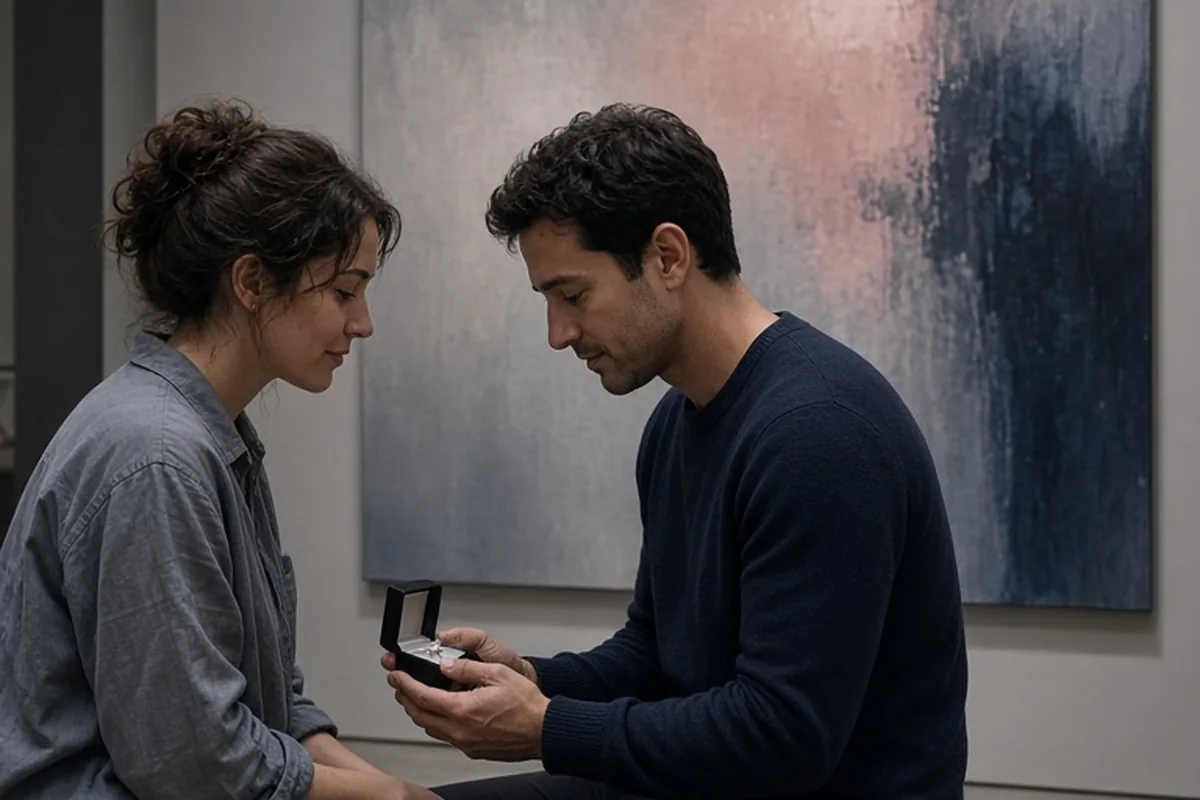
To save money on an engagement ring, prioritize diamond cut quality while selecting just-below-carat thresholds, eye-clean clarity grades such as SI1 or VS2, and near-colorless grades like G through J set in warm or white metals. Consider lab-grown diamonds, moissanite, or colored gemstones for substantial budget relief, opt for durable 14-karat gold over platinum, and purchase through transparent online retailers or independent custom bench jewelers.
An engagement ring represents a meaningful emotional commitment, yet the traditional retail jewelry market often pressures couples into paying inflated premiums for imperceptible grading differences. Approaching this purchase with a clear understanding of jewelry construction, gemological grading, and retail markups allows you to maximize visual beauty while staying comfortably within your personal spending boundaries.
Targeting Just-Under Carat Weights and Elongated Diamond Shapes
Diamond pricing does not climb on a smooth, linear scale. Instead, diamond wholesale prices jump steeply at round milestone numbers known in the jewelry trade as magic carat thresholds. For example, stones weighing a full one-half carat, three-quarters of a carat, one full carat, or two carats command premium price points because consumer demand is heavily clustered around those exact numbers. By seeking out a stone that measures slightly below these benchmark weights, such as a zero-point-nine carat diamond instead of a full one-carat diamond, you can secure a gem that appears virtually identical in size once set in a ring while avoiding the substantial price step associated with milestone categories.
Choosing non-round diamond shapes is another reliable method for stretching your budget. Round brilliant diamonds produce high amounts of raw material waste when cut from rough diamond crystals, which makes them the most expensive shape per carat. In contrast, fancy shapes such as oval, pear, marquise, and emerald cuts retain a higher percentage of the original rough stone during cutting. Furthermore, elongated shapes distribute more of their total carat weight across their top surface area. An oval or pear-cut diamond can cover noticeably more surface area on the wearer's finger than a round diamond of equivalent carat weight, creating the visual impression of a larger stone without requiring an increase in carat size.
Balancing Diamond Cut, Color, and Eye-Clean Clarity Grades
The optical performance of a diamond depends primarily on its cut grade rather than its size or purity. A diamond cut with precise symmetry and ideal proportions acts as a system of mirrors, bouncing light directly back out through the top table to produce brilliant white sparkle and colorful fire. Excellent light return can mask subtle internal inclusions and minor body tint, allowing a well-cut stone of modest grading to outshine a poorly cut diamond with flawless laboratory clarity. Investing the majority of your diamond budget into obtaining an ideal or excellent cut grade ensures that the finished ring exhibits maximum sparkle in everyday lighting conditions.
Significant savings can be found by choosing eye-clean clarity and near-colorless grades rather than paying for microscopic perfection. Diamond clarity grades ranging from Very Slightly Included (VS1 and VS2) down to Slightly Included (SI1) contain tiny internal characteristics that are invisible to the naked human eye once mounted in a setting. Similarly, diamonds in the near-colorless color range (grades G through J) appear completely white face-up to an untrained observer, particularly when set in yellow gold or rose gold bands that naturally impart warm reflections. Reserving your spending for features visible across a dinner table prevents you from paying thousands of dollars for grades that can only be distinguished under ten-power laboratory magnification.
Choosing Lab-Grown Diamonds and Durable Alternative Center Stones
Lab-grown diamonds have fundamentally shifted the engagement ring market by offering identical physical, chemical, and optical properties to mined diamonds at a fraction of the cost. Created using advanced technological processes such as Chemical Vapor Deposition or High-Pressure High-Temperature systems, lab-created diamonds are genuine crystallized carbon gems that exhibit identical hardness, brilliance, and thermal conductivity to natural diamonds. Because lab-grown stones bypass lengthy mining supply chains and benefit from efficient production cycles, buyers can acquire significantly larger, higher-grade center stones for the exact same budget allocated for a modest mined diamond.
For couples who prefer a unique aesthetic or even greater financial flexibility, alternative colored gemstones and synthetic minerals provide striking options with excellent longevity. Moissanite is a silicon carbide mineral known for its exceptional durability and intense, rainbow-hued light dispersion. Natural sapphires and rubies, both varieties of the mineral corundum, rank directly below diamond on the Mohs mineral hardness scale, making them durable choices for lifetime daily wear. Sourcing a deep blue, green, or peach sapphire as the focal gem delivers rich color and artisanal character while reducing the raw material expenditure compared to traditional solitary diamonds.
Selecting Practical Metal Alloys for Ring Settings and Bands
The choice of precious metal influences both the initial ring cost and its long-term durability. While platinum is prized for its naturally white sheen and dense heft, it is significantly more expensive to purchase and fabricate than gold alloys due to its high purity and labor-intensive working requirements. For most buyers seeking a silvery aesthetic, fourteen-karat white gold provides a far more budget-friendly alternative. Fourteen-karat gold alloys blend pure gold with durable base metals like copper, nickel, silver, or zinc, resulting in a robust structure that resists surface scratches and bending during daily activities better than higher-purity eighteen-karat gold.
Considering ongoing maintenance requirements helps prevent unexpected ownership expenses over the life of the ring. White gold is traditionally plated with rhodium to achieve its ultra-bright mirror finish, which requires periodic replating over several years as the surface coating naturally wears away. If you want to avoid future maintenance fees, opting for fourteen-karat yellow gold or rose gold provides warmth and natural color stability without requiring rhodium treatments. Additionally, selecting a classic comfort-fit plain metal band keeps fabrication labor minimal, reserving more of your total budget for the center gemstone.
Maximizing Visual Presence Through Setting and Halo Architecture
The architectural structure of the ring setting can dramatically alter how large the center gemstone appears without increasing the weight of the main stone. Halo settings surround the central gem with a concentric ring of petite accent diamonds. Because the human eye perceives the entire illuminated diameter as a single continuous surface, a modest center stone framed by a delicate halo creates a wide, brilliant footprint on the hand. A hidden halo, which tucks accent diamonds along the undercarriage of the basket beneath the center gem, adds structural sparkle and side-profile detail while preserving a classic solitaire look from the top view.
Bezel settings and multi-stone cluster designs offer additional architectural strategies for budget-conscious buyers. A fine metal bezel wraps completely around the perimeter of the gemstone, securing the stone safely against accidental impacts while framing the outer edge with polished metal that visually expands its dimensions. Cluster settings arrange multiple small, matched diamonds or colored gems into a cohesive geometric shape, such as a floral bouquet or vintage square mosaic. Because smaller accent gems cost substantially less per carat than large solitary crystals, cluster arrangements deliver impressive finger coverage at an accessible total price point.
Navigating Online Retailers, Local Independent Jewelers, and Vintage Rings
Where you buy an engagement ring has as much impact on the total price tag as the physical components of the piece itself. Traditional mall jewelry stores and high-end brand houses carry substantial overhead expenses, including prime retail rents, luxury interior displays, and commissioned sales personnel, all of which are factored into heavy retail markups. Reputable online jewelers operate with streamlined warehousing models and interactive digital inventory databases, allowing shoppers to inspect individual certified stones in high-definition video and compare pricing transparently without aggressive sales pressure.
Exploring estate jewelers, antique auctions, and family heirlooms represents another path to substantial savings. Vintage rings from the Art Deco, Edwardian, or Victorian eras frequently feature hand-cut old European or old mine cut diamonds set in intricate filigree metalwork, often priced far lower than newly manufactured designer pieces. Alternatively, if a family member has an unworn diamond or heirloom ring, an independent bench jeweler can reset the existing stone into a modern, customized mounting. This approach preserves deep familial sentiment while eliminating the cost of purchasing a brand-new center gemstone.
Avoiding Retail Traps, Extended Warranties, and Financing Fees
Jewelry retailers often market expensive in-house warranties and maintenance packages at checkout to boost their profit margins. While routine cleaning and prong inspections are essential, many reputable jewelers provide complimentary lifetime cleaning and tightening services as standard practice. Instead of buying an expensive retailer warranty that may carry restrictive service requirements, protect your investment by adding a standalone personal jewelry insurance policy or a specific valuable personal property rider to your existing homeowners or renters insurance policy. Dedicated jewelry insurance provides broader worldwide coverage against loss, accidental damage, and theft with minimal annual out-of-pocket costs.
Financing programs and credit promotions require strict financial discipline to avoid counteracting your savings efforts. Store credit cards frequently offer deferred-interest promotional windows, but if the full balance is not settled before the promotional period expires, high retroactive interest charges can be applied to the original purchase total. Always verify that loose diamonds carry independent grading reports from recognized, non-profit institutions such as the Gemological Institute of America (GIA) or the International Gemological Institute (IGI). In-house or lenient store appraisals often assign inflated clarity and color grades to lower-quality stones to justify unearned price premiums.
Frequently asked questions
Does choosing a lab-grown diamond affect the long-term durability of an engagement ring?
No. Lab-grown diamonds have the exact same crystalline carbon structure and hardness rating as mined diamonds, which means they resist scratching, chipping, and daily wear in the exact same manner. Both types of diamonds will maintain their brilliance and structural integrity over a lifetime of regular wear.
What is the best diamond color grade to choose if the setting is yellow gold?
If you are setting a diamond in yellow gold or rose gold, you can comfortably drop down to an I, J, or even K color grade. The warm reflection from the colored metal naturally masks slight yellow tints in the stone, making the diamond look bright and clean while saving you money.
Are moissanite engagement rings considered durable enough for everyday wear?
Yes. Moissanite is a very hard mineral that ranks higher on the mineral hardness scale than sapphires, rubies, and emeralds. It is highly resistant to abrasion, heat, and accidental chipping, making it an exceptional, budget-friendly choice for an everyday engagement ring.
How can I make sure a diamond is truly eye-clean before buying online?
Look for online jewelers that provide high-resolution 360-degree videos and magnified imagery under natural light simulation. Focus on stones with inclusions situated along the outer girdle or under the crown facets rather than directly beneath the center table, where blemishes are most visible.
Your next step
Determine your total budget ceiling first, prioritize an excellent cut grade in a just-below-carat diamond or alternative gem, and request an independent GIA or IGI grading certificate before placing your final order.