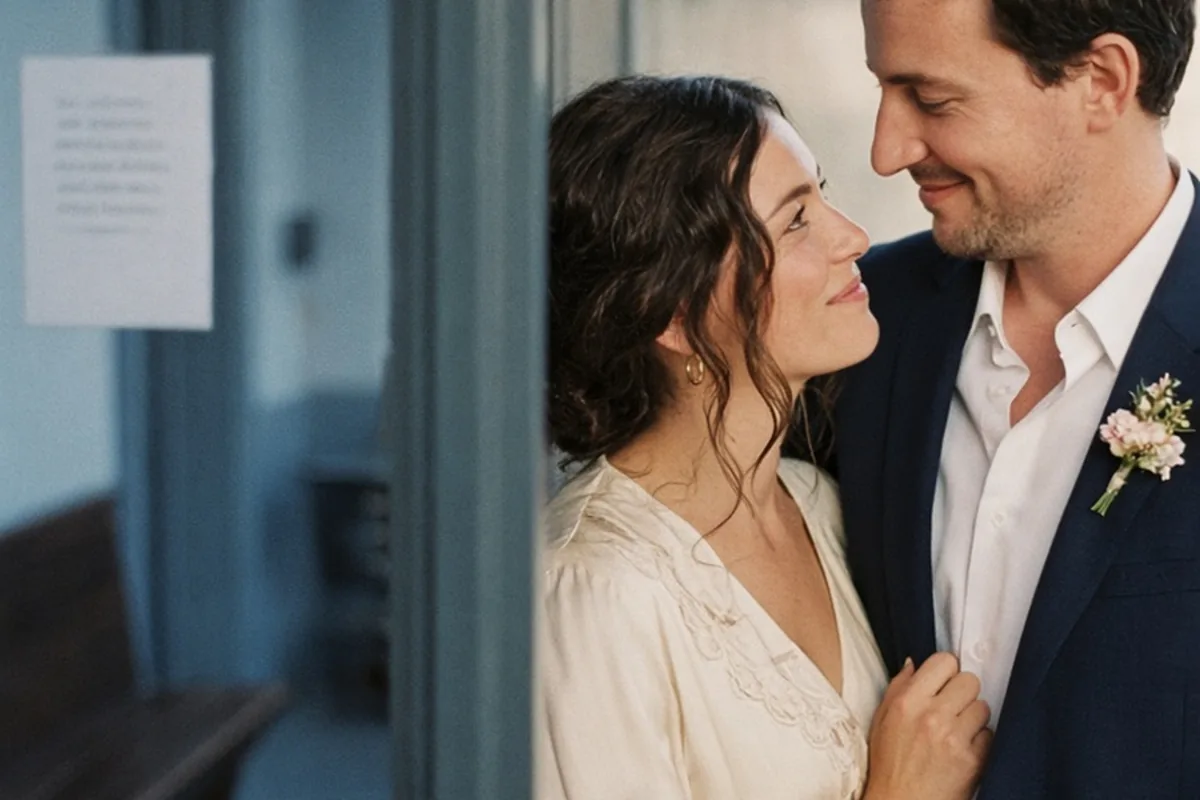
To save money when planning a courthouse wedding, focus on eliminating traditional event overhead while keeping administrative requirements in order. Secure your marriage license and civil ceremony appointment directly through your local county clerk during standard weekday hours to avoid weekend surcharges. Keep total costs down by booking a ceremony-only portrait photographer, choosing ready-to-wear or vintage outfits, sending digital announcements, and hosting an intimate lunch or private dining reservation instead of a full reception package.
A courthouse wedding strips away the immense stress, venue rental minimums, and production expenses of a large-scale traditional wedding, offering an intimate and legally binding alternative. By approaching each element of a civil ceremony with deliberate budgeting, couples can create a meaningful celebration without accumulating unnecessary administrative, vendor, or entertainment debt.
Navigating County Clerk and Marriage License Administrative Fees
Every courthouse wedding begins with the legal paperwork required by your city, county, or municipal government. To avoid unexpected expenses, check your local county clerk or recorder website well in advance to review the exact schedule of administrative fees. Most jurisdictions charge two separate amounts: one fee for the marriage license application and an additional administrative fee for the civil ceremony itself performed by a judge, magistrate, or municipal officiant. These rates are set by local legislation and are non-negotiable, but understanding them early prevents rush fees or unexpected payment method penalties.
Pay close attention to residency rules, identification mandates, and required documentation such as certified birth certificates or final divorce decrees from previous marriages. Ordering certified replacement records at the last minute often incurs expedited government processing and express shipping fees. Additionally, verify your jurisdiction's waiting period, which is the mandatory window between receiving your license and executing the ceremony, as well as the license expiration date. Timing your appointment correctly ensures you do not have to repurchase an expired license before your scheduled civil appointment.
Check what payment methods your specific municipal office accepts before arriving in person. Many government offices charge an administrative processing surcharge or convenience fee for credit card transactions, or they may operate on a cash-only or cashier's check basis for vital records. Bringing the exact required payment method directly to the counter eliminates third-party payment processing fees and avoids rescheduled appointments that could complicate your schedule.
Selecting Off-Peak Civil Ceremony Dates and Time Slots
Courthouses and city halls operate on regular municipal business schedules, which means ceremony availability is typically concentrated during weekday working hours. Booking a morning slot on a Tuesday, Wednesday, or Thursday offers distinct practical and financial advantages over high-demand Friday afternoons. Midweek mornings generally experience lighter foot traffic in public municipal buildings, shorter security screening lines, and less crowded public spaces, which allows for calmer transitions and unobstructed backdrops for your commemorative portraits.
Choosing an early weekday also creates ripple savings across the rest of your wedding day timeline. Restaurants and private dining spaces frequently offer lower minimum spend thresholds or discounted daytime menu pricing for lunch reservations compared to prime Friday or Saturday dinner services. If you plan to reserve a small private room or patio space for a celebratory meal, hosting it right after a morning courthouse appointment lets you take advantage of prix fixe lunch menus, lighter catering options, and reduced rental minimums.
If you plan to travel to a historic city hall or popular architectural courthouse outside your immediate town, weekday dates offer significantly cheaper local parking rates, reduced transit congestion, and lower weekday hotel room rates if an overnight stay is involved. Always confirm courthouse operating calendars around public and state holidays, as government closures or reduced operating hours can impact court docket availability.
Sourcing Affordable Courthouse Wedding Attire and Styling
Courthouse ceremonies offer immense aesthetic flexibility, freeing couples from the formal expectations and premium markups of traditional bridal salons and formalwear boutiques. Instead of investing heavily in bridal gowns that require complex structural alterations, consider ready-to-wear white midi dresses, tailored pantsuits, sleek jumpsuits, or classic cocktail attire from standard fashion retailers. Off-the-rack pieces from department stores, online ready-to-wear designers, or consignment boutiques typically arrive with finished hemlines that require minimal tailoring.
For suit wearers, modern suiting separates or classic blazers paired with tailored trousers offer high versatility at a fraction of the cost of custom tuxedo rentals or bespoke tailoring. Choosing neutral, high-quality garments in navy, charcoal, or cream allows the clothing to be worn repeatedly for future professional or formal occasions, maximizing the long-term value of the purchase. If you prefer high-end designer pieces, reputable clothing rental platforms and luxury resale sites offer designer formalwear at a fraction of retail prices.
Personal styling and beauty can also be streamlined effectively without booking specialized wedding day hair and makeup teams that charge travel and bridal package minimums. You can schedule a regular blowout or styling appointment at a local salon on the morning of the ceremony, or practice a clean, polished hair and makeup look at home using your everyday products paired with long-wearing setting sprays. For accessories, simple vintage heirlooms, classic jewelry pieces you already own, and comfortable walking shoes provide an authentic, timeless appearance suitable for city halls.
Booking Scaled-Down Photography and Ceremony-Only Coverage
Photography is often the most significant single vendor investment for a courthouse wedding, but civil ceremonies do not require the standard eight- to ten-hour packages designed for large wedding days. To keep costs manageable while still capturing high-quality memories, seek out professional photographers who offer hourly rates, elopement packages, or custom two-hour coverage. A two-hour block is usually sufficient to capture arrivals, security check-in, the civil vows inside the chambers, the signing of the registry, and a relaxed couples portrait session on the courthouse steps or surrounding city streets.
When reaching out to prospective photographers, clearly articulate your concise timeline and geographic footprint. Inquire whether they offer a weekday mini-session rate, as many independent photographers welcome targeted weekday bookings that do not conflict with their prime weekend wedding schedules. Request to view full galleries of previous civil or city hall weddings to ensure they are comfortable working with municipal indoor lighting, compact chambers, and variable natural lighting outdoors.
If hiring a seasoned wedding specialist exceeds your target budget, consider working with an emerging portrait photographer or a trusted photography student who is building their professional portfolio. Alternatively, you can enlist a detail-oriented friend to take candid digital photos or short video clips on a modern smartphone paired with a compact handheld stabilizer. Establishing a specific shot list beforehand ensures critical moments like the ring exchange and certificate signing are documented clearly.
Designing Low-Cost Post-Ceremony Meals and Celebrations
One of the largest budget drains in conventional wedding planning is full-scale catering with service staff, table rentals, and open bar minimums. Following a courthouse ceremony, couples have the freedom to scale their celebratory gathering to match their budget and personal tastes. A straightforward approach is booking a table or semi-private alcove at your favorite local bistro, family-style trattoria, or neighborhood cafe, where guests can order directly from the regular menu without triggering specialized banquet fees.
For gatherings that include close family and friends, hosting a casual backyard reception, park pavilion picnic, or home cocktail hour provides an intimate atmosphere at minimal cost. Ordering bulk drop-off catering from a beloved local restaurant, barbecue smokehouse, or bakery offers fresh, hot food without on-site service surcharges. Pairing drop-off platters with self-serve beverage stations, chilled sparkling wine, and an assortment of artisanal cheeses or finger foods creates a relaxed environment where everyone can mingle comfortably.
If you prefer a public park or outdoor scenic viewpoint for a post-ceremony toast, verify local municipal park rules regarding group gatherings, pavilion permits, and open container regulations. Public reservations for municipal park shelters are generally very affordable compared to commercial event venues, making them an excellent choice for open-air celebrations in pleasant weather.
Managing Small Guest Lists, Invitations, and Courthouse Logistics
Most municipal courtrooms and clerk chambers enforce strict maximum occupancy limits, often capping guests at anywhere from two to ten people, including the required legal witnesses. Review your chosen courthouse's guest policies well before planning your attendance list. Designing a lean guest list of immediate family or closest friends naturally eliminates large hospitality expenses while complying with municipal security regulations and keeping the ceremony peaceful and focused.
Stationery and invitation postage can be reduced to zero by utilizing digital invitations, custom wedding websites, or thoughtfully designed email announcements. Modern digital stationery platforms allow couples to track confirmations, share parking instructions, provide courthouse security guidelines, and outline post-ceremony lunch details in one centralized location. If you wish to send formal keepsakes, print a modest batch of paper elopement announcements featuring your courthouse photos after the ceremony to mail to extended family and acquaintances.
Coordinate your guest arrivals carefully on the ceremony day to prevent administrative delays. Courthouse dockets run on strict schedules, and missing your assigned time slot due to parking delays or metal detector lines could forfeit your appointment fee. Provide your attendees with specific instructions regarding courthouse dress codes, building entrances, security screening restrictions on items like liquids or pocketknives, and validated parking garages nearby.
DIY Florals, Personal Vows, and Budget-Friendly Keepsakes
Floral arrangements for a courthouse ceremony do not require elaborate installations, centerpieces, or large bridal party bouquets. A single hand-tied bouquet, a couple of boutonnieres, or small pocket florals can easily be assembled at home using fresh stems sourced from a local flower market, wholesale club, or neighborhood grocery florist on the morning of the wedding. Secure the stems with floral tape and wrap them in a neutral satin, silk, or velvet ribbon for an elegant, professional finish.
Because civil ceremonies conducted by court officials tend to follow standard, legally mandated scripts that last only five to ten minutes, couples often appreciate incorporating their own personalized touches. Ask the clerk in advance if the officiant permits personal vows during the chambers appointment. If official time is strictly limited, consider reading your personal vows privately to each other before entering the building, on the steps after the ceremony, or over coffee prior to your appointment.
Meaningful keepsakes can be preserved affordably without purchasing commercial novelty items. Keep your original marriage license application receipt, ceremony program if provided, municipal parking stubs, and dinner menus to create a personal memory book. Investing in a simple archival frame to display your certified marriage certificate alongside your favorite courthouse step portrait provides a lasting, low-cost commemorative display for your home.
Frequently asked questions
How much does a courthouse wedding typically cost in total?
Total costs depend on your location, chosen outfits, photography, and celebration style. Mandatory government fees for the license and civil ceremony typically range from modest administrative charges to several hundred dollars depending on the municipality. Optional expenses like attire, photography, and a celebratory meal can be scaled according to your personal budget.
Do we need to bring our own witnesses to a courthouse wedding?
Witness requirements vary by state and municipal jurisdiction. Some areas require one or two adult witnesses to be present and sign the marriage certificate, while other jurisdictions do not mandate any witnesses or can provide a courthouse staff member if requested. Check your local county clerk guidelines beforehand.
Can we exchange personal vows and rings during a civil ceremony?
Most magistrates and civil officiants gladly allow ring exchanges and standard vow affirmations. Because municipal schedules can be tight, ask the clerk ahead of time whether extended personal vows are permitted inside the chambers, or plan to share private vows immediately before or after the official proceeding.
How far in advance should we schedule a courthouse wedding appointment?
Appointment lead times vary significantly depending on city size and season. High-demand metropolitan city halls may open appointment calendars several weeks to months in advance, while smaller county clerks operate on a walk-in or short-notice basis. Check your local clerk's booking portal early to secure your desired date.
Your next step
Visit your local county clerk or city hall website today to review marriage license requirements, confirm witness rules, check administrative fees, and secure your civil ceremony appointment slot.