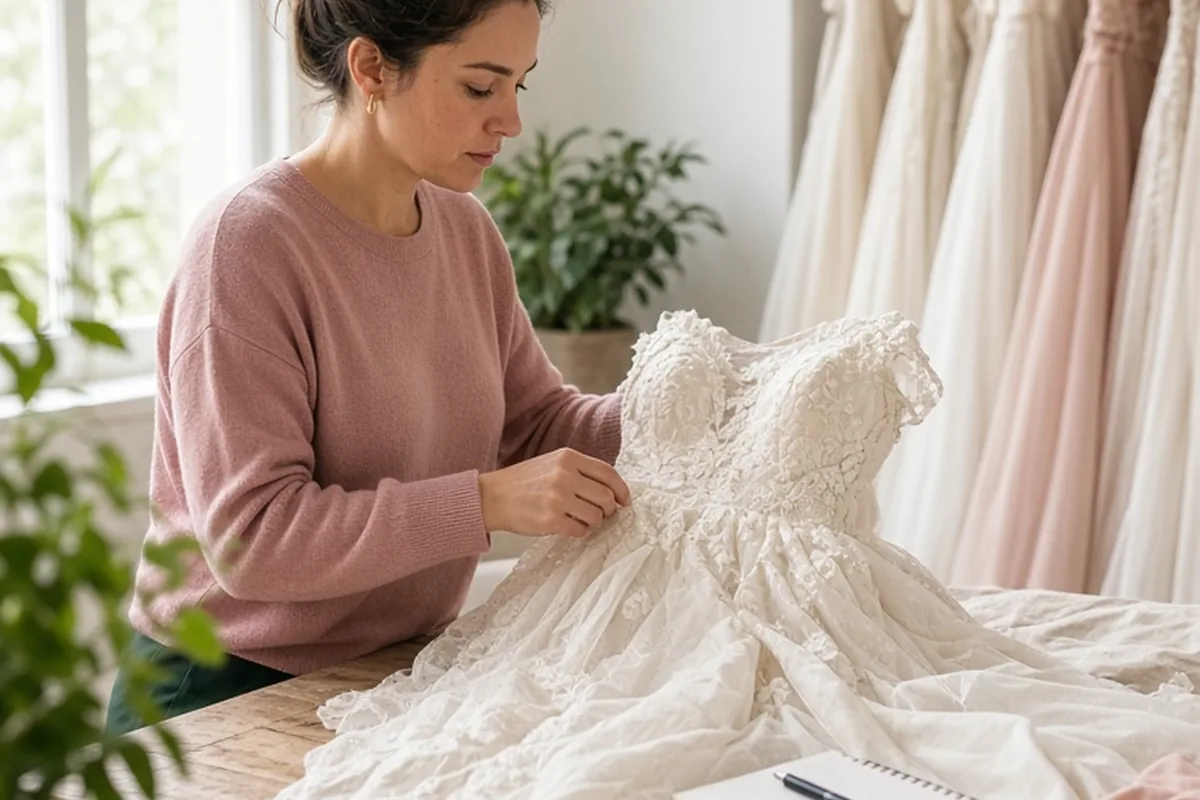
To save money on sample wedding dresses for sale, shop during boutique floor clearance windows in late summer and winter, thoroughly inspect gowns for structural versus cosmetic flaws, and calculate alteration and dry cleaning expenses before purchasing. You can also negotiate additional discounts on damaged floor models, ask for complimentary accessory bundles, and verify seam allowances with an independent bridal tailor before committing to a final-sale purchase.
Bridal boutiques regularly cycle out floor samples to make room for new designer collections, offering brides an opportunity to purchase luxury gowns at a fraction of their made-to-order retail prices. However, maximizing real savings requires looking beyond the initial sticker discount to account for alterations, fabric repairs, and specialized cleaning.
Timing Your Search Around Bridal Boutique Floor Rotations
Bridal salons operate on specific seasonal procurement schedules that dictate when floor inventory must be cleared out. Bridal Fashion Week takes place biannually in spring and autumn, after which designers ship new collection samples to retailers. To make room on their showroom racks, salon owners aggressively mark down existing floor gowns twice a year: typically between July and August, and again between December and January. Shopping during these transition months gives you access to the freshest markdowns before selections become heavily picked over.
Beyond annual inventory cycles, you can monitor individual bridal boutique sample sale events. High-volume salons often host designated flash sample sales lasting one to three days, where gowns are discounted heavily to liquidate discontinued styles. Scheduling appointments on the first day of these events yields the highest variety of styles and conditions, while shopping the final afternoon occasionally gives you extra leverage to make lower offers on remaining stock that the salon owner prefers not to store.
Inspecting Floor Gowns for Costly Structural and Fabric Defects
A floor sample has been tried on by dozens of prospective brides, which means wear and tear is common. The key to preserving your savings is distinguishing between inexpensive surface imperfections and costly structural damage. Surface issues, such as missing buttons along an illusion back, loose hook-and-eye closures, or broken hanger loops, are simple and inexpensive fixes for any bridal seamstress. Similarly, light dust along the hemline or minor makeup transfer near the neckline can usually be resolved through standard professional cleaning.
In contrast, severe structural defects can quickly erase your purchase savings. Carefully examine the integrity of delicate fabrics such as illusion mesh, raw-edge silk tulle, and intricate French lace. Rips in sheer illusion netting often require replacing entire panels rather than simple stitching. Inspect the boning channels in the bodice to ensure the plastic or steel stays have not warped or punctured through the lining. Finally, check zipper teeth and insertion points; replacing a hidden zipper on an intricately beaded gown can require hours of delicate hand labor that substantially increases your tailoring invoice.
Navigating Bridal Sizing Realities to Prevent Expensive Alterations
Bridal sizing runs noticeably smaller than standard contemporary street sizing, typically by one to two full sizes. Most salon floor samples are ordered in bridal sizes 8, 10, or 12, which correspond roughly to street sizes 4, 6, or 8, though curve and plus-size specialty salons carry samples in bridal sizes 18 through 24. Attempting to modify a dress that is drastically different from your actual measurements can ruin the gown's original proportions and drive tailoring expenses beyond the cost of buying a new made-to-order dress.
As a general tailoring guideline, a wedding gown can comfortably be taken in up to two bridal sizes without compromising the placement of bust cups, side seams, waistlines, or decorative appliqué. Taking a gown in more than two sizes often requires dismantling the entire bodice, removing sleeves, and cutting down lace motifs, which requires advanced couture tailoring. Conversely, letting a sample gown out is limited by the internal seam allowances left by the manufacturer. Before purchasing a dress that feels tight across the ribs or hips, reach inside the lining to verify whether at least one inch of intact seam allowance exists along both side seams.
Negotiating Sample Wedding Dress Prices and Package Perks
Because sample dresses are off-the-rack inventory that depreciates while occupying valuable boutique floor space, salons often possess pricing flexibility that does not apply to special-order gowns. When you find a gown with visible imperfections—such as a broken zipper, pulled threads, or hem soiling—politely point out these specific issues to your bridal consultant and inquire whether the boutique can adjust the price to help offset your estimated repair costs.
If a salon holds firm on its listed sample price, shift your negotiation toward value-added services and accessories that the shop can provide at low marginal cost. Ask if the boutique can include a complimentary breathable garment storage bag, waive local storage fees until your wedding date, or provide a discount on sample veils, headpieces, or jewelry. You can also ask whether paying in full with cash or a debit transaction can eliminate credit card processing fees in exchange for an additional reduction on the dress price.
Estimating Professional Cleaning and Fabric Care Expenses Upfront
Sample gowns almost always require cleaning prior to wear, but the cost of treating bridal textiles varies widely depending on fabric composition and embellishment density. Synthetic fibers like polyester crepe, organza, and satin are durable and frequently respond well to gentle wet cleaning techniques. In contrast, 100 percent natural silk, Mikado, taffeta, and rayon require specialized dry cleaning solvents to prevent shrinkage, water spotting, and loss of fabric sheen.
Heavily beaded bodices, glued crystals, and metallic embroidery require hand cleaning because typical commercial solvents can dissolve adhesives or strip the metallic coating from glass beads. Before purchasing an as-is sample gown, take detailed photos of the care tag, fabric content, and any visible stains. Call a reputable, local dry cleaner specializing in bridal and formal wear to obtain a rough estimate for that specific textile configuration, ensuring you add that figure directly into your total gown acquisition budget.
Exploring Alternative Channels for Sample Wedding Dresses
Traditional independent bridal boutiques are not the only source for discounted floor samples. Dedicated bridal outlet salons operate year-round, sourcing overstock samples, canceled orders, and discontinued floor stock directly from designers and closing salons. These outlet storefronts allow you to browse hundreds of off-the-rack designer dresses without waiting for seasonal boutique clearance dates.
Additionally, reputable digital resale platforms and non-profit bridal organizations feature designated sample dress categories. Non-profit bridal shops receive tax-deductible sample donations directly from high-end boutiques and manufacturers, offering them to brides at steep discounts while directing proceeds toward charitable initiatives. When shopping for samples online, always request high-resolution photos of the actual physical floor dress—rather than designer marketing stock photos—and confirm exact measurement parameters for the bust, waist, hips, and hollow-to-hem length.
Preparing for Sample Appointments to Avoid Rushed Financial Decisions
Sample sales move rapidly, and gowns are almost universally sold on a strictly final-sale, non-returnable basis. Making a hasty purchase under pressure can leave you with a dress that cannot be adapted to your body or venue without excessive expense. To maximize efficiency and maintain clear financial judgment, come prepared with your exact body measurements, proper seamless undergarments, and shoes with your target heel height to evaluate the hem length immediately.
Limit your shopping entourage to one trusted person whose fashion instincts and financial practicality you trust. Having too many voices during a high-stakes sample sale can create sensory overload and distract you from carefully inspecting seams, testing closures, and assessing comfort. If possible, arrange for an independent bridal seamstress to view real-time photos or video of you in the gown while you are in the fitting room to provide immediate feedback on the feasibility and estimated cost of necessary alterations.
Frequently asked questions
Are sample wedding dresses always sold on a final-sale basis?
Yes, nearly all bridal boutiques and outlets sell floor sample gowns strictly as-is and final sale. Once the transaction is processed, you assume full responsibility for any repairs, tailoring, or cleaning, meaning returns or exchanges are rarely permitted.
Should I have my sample wedding dress cleaned before or after alterations?
You should generally clean the sample dress before major alterations begin. Cleaning removes accumulated dirt, oils, and sizing agents from the fabric, allowing the seamstress to work with true fabric drape and preventing set-in stains from being ironed or steamed permanently into the seams during tailoring.
How much can a sample gown safely be taken in without ruining its design?
Most bridal seamstresses recommend taking a sample gown down by no more than two standard bridal sizes. Altering beyond two sizes often requires completely deconstructing the bodice, shifting bust cups, and re-centering lace motifs, which significantly increases labor costs and risks distorting the silhouette.
Your next step
Contact three local bridal salons today to ask for the specific dates of their upcoming floor sample rotations and request an appointment during weekday morning hours for unhurried inspection.