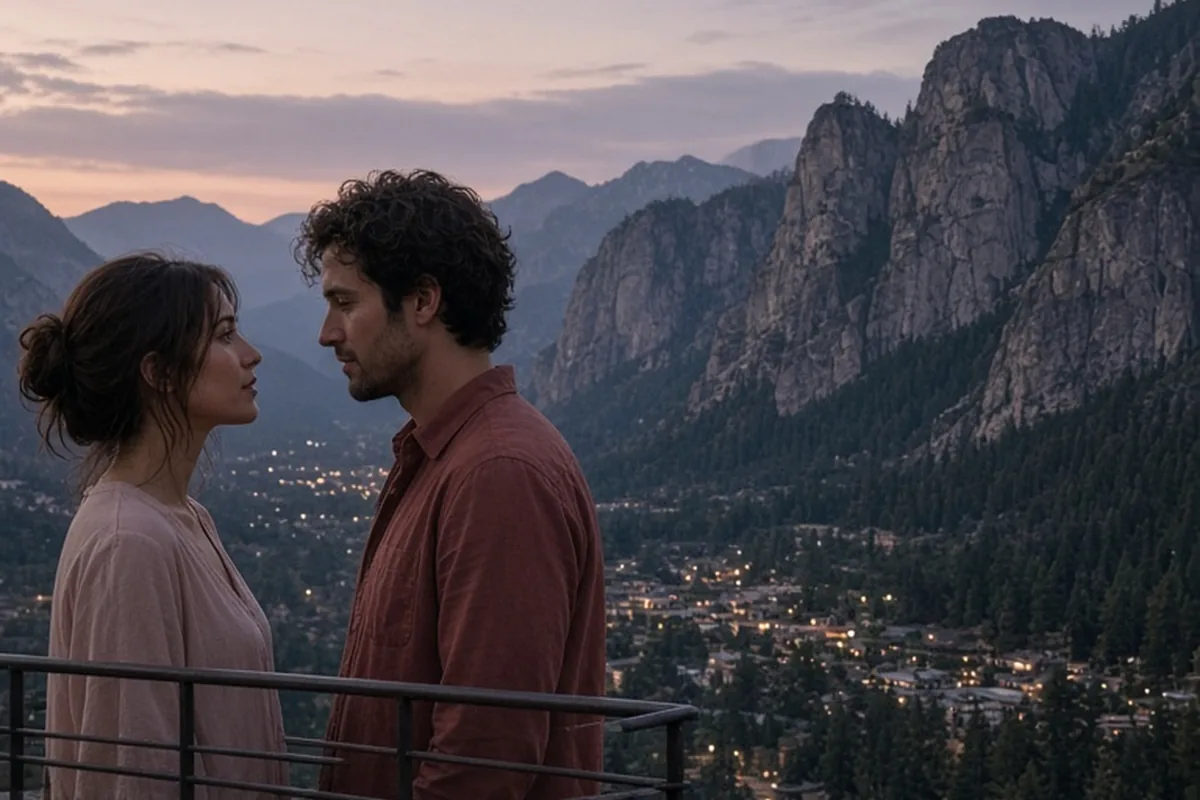
To save money on a national park wedding, secure a designated low-impact ceremony site through a Special Use Permit early, keep guest counts small to bypass commercial transport requirements, and hold celebrations during shoulder seasons or weekday mornings. Avoid expensive vendor travel surcharges by hiring regional professionals familiar with park regulations, minimize floral and decor expenses by letting the landscape serve as the backdrop, and transition to an off-park community hall, casual restaurant, or group campsite for the reception.
National parks offer some of the most dramatic backdrops in North America, often for a fraction of the venue rental fees charged by private estates or luxury resorts. However, remote locations present logistical hurdles, permit constraints, and vendor travel fees that can quickly erode your planned savings if you do not map your budget deliberately from the start.
Navigating National Park Special Use Permits and Location-Specific Rules
Every national park operates as a distinct administrative unit with its own designated Special Use Permit (SUP) office, fee structure, and site regulations. When budgeting for your ceremony, understand that park permits generally consist of a non-refundable application fee combined with administrative or monitoring charges. Some parks charge flat rates for standard ceremony locations, while others assess variable fees based on group size or assign dedicated rangers whose hourly monitoring time is billed directly to the couple.
Choosing an established, designated wedding location within the park is almost always less expensive than requesting a customized or backcountry site. Established sites have predefined capacity limits, clear parking arrangements, and streamlined review procedures. Proposing a custom location often triggers an in-depth environmental impact assessment, higher administrative fees, and required ranger supervision to protect sensitive habitats such as alpine tundra or desert biological soil crusts.
Verify all commercial vendor requirements before finalizing your permit application. Photographers, videographers, and officiants frequently need their own Commercial Use Authorizations (CUA) or must be listed as insured service providers on your permit. Failing to account for these requirements in advance can lead to last-minute compliance fees or permit rejections, forcing you to forfeit initial application costs.
To protect your budget, contact the specific park permit office six to twelve months before your target date. Request their current wedding guidelines, ask for a breakdown of non-refundable versus refundable fees, and confirm whether your chosen date falls under seasonal peak monitoring rates.
Timing Your Ceremony to Minimize Lodging, Transport, and Site Surcharges
The date and time of your ceremony dictate the majority of secondary costs associated with park weddings, particularly in surrounding gateway communities. Hotels, short-term rentals, rental vehicles, and local services in towns near major parks frequently double or triple their rates during peak summer months, holiday weekends, and fall foliage seasons. Planning your event for a shoulder season—such as late spring or mid-autumn—delivers substantially lower accommodation rates for you and your guests.
Weekday ceremonies provide significant financial and logistical advantages over weekend dates. Scheduling your ceremony on a Tuesday, Wednesday, or Thursday reduces competition for permit time slots, lowers vendor minimums, and avoids heavy tourist crowds that complicate parking and photography. Lower park visitation on weekdays also reduces the likelihood of traffic delays that could require paying vendors for extra billable hours.
Sunrise and early morning ceremonies offer another practical cost-saving opportunity. Morning light provides optimal conditions for outdoor photography without requiring supplemental lighting rigs, and parking lots at popular overlooks are generally empty. By finishing your ceremony before midday crowds arrive, you eliminate the need to reserve costly private shuttle services or pay premium parking fees at crowded trailheads.
Evaluate regional weather patterns when selecting your date. Desert parks may offer budget-friendly conditions in late winter and early spring, while high-altitude mountain parks may retain heavy snowpack on access roads until early summer, potentially closing budget-friendly outdoor sites and forcing expensive last-minute indoor venue rentals.
Streamlining Guest Counts to Avoid Commercial Transportation Mandates
Guest count is the single most influential variable affecting total expenses in a national park setting. Many scenic overlooks and natural amphitheaters enforce strict capacity caps, often limiting gatherings to groups between ten and thirty people. Exceeding these limits forces couples into larger, more commercialized park venues or necessitates renting private venues outside park borders.
Large guest counts trigger mandatory transportation logistics that rapidly inflate costs. Parks with limited parking infrastructure often mandate that groups exceeding twenty people arrive in a single commercial passenger van or chartered shuttle to prevent parking congestion. Eliminating these transportation mandates by keeping your guest list compact saves hundreds to thousands of dollars in charter vehicle fees and driver gratuities.
An intimate guest list also simplifies coordination and reduces miscellaneous guest management expenses. Smaller groups can travel together in standard personal vehicles, utilize standard park passes efficiently, and gather at trail-accessible view points that require zero infrastructure rentals. If family members hold federal recreational land passes, coordinate vehicle pooling to minimize total gate entrance expenses for the entire group.
When communicating with invited guests, provide clear logistics regarding carpooling points, entry fee policies, and meeting times. Reducing the number of individual vehicles not only keeps your wedding within permit parameters but also prevents unexpected individual parking citations or gate delays.
Sourcing Regional Gateway Vendors to Eliminate Travel Expenses
Hiring vendors based in major metropolitan areas far from your chosen park introduces substantial travel surcharges to your budget. Destination wedding professionals routinely bill clients for round-trip mileage, daily meal per diems, flight expenses, and multiple nights of hotel accommodations near the park. Sourcing professionals located directly in gateway communities eliminates these travel line items entirely.
Local vendors possess practical knowledge that saves money and prevents costly logistical errors. Regional photographers, officiants, and florists understand local weather microclimates, permit processing nuances, and the best lighting angles across various seasons. Their existing familiarity with park rangers and site layouts ensures your ceremony proceeds smoothly without paid overtime overruns.
When interviewing regional service providers, verify whether they currently maintain an active Commercial Use Authorization for the park. Hiring a photographer or planner who already holds annual operating permits saves you the expense and administrative delay of purchasing a one-time vendor permit for your specific date.
If you must bring in a professional from outside the area, negotiate flat-rate travel packages rather than open-ended expense reimbursements. Request clear caps on mileage and lodging allowances in your contract to avoid unanticipated budget creep during the final billing cycle.
Designing Nature-Forward Decor to Cut Floral and Rental Line Items
National parks enforce rigorous environmental protection standards governed by Leave No Trace principles. Regulations generally prohibit the introduction of non-native plant species, loose glitter, confetti, artificial flower petals, open flames, and structural arches that require staking into the ground. These restrictions naturally align with cost reduction by removing the need for elaborate decorative setups.
Relying on the natural landscape as your primary visual element eliminates thousands of dollars in floral installations, arbor rentals, and backdrop construction. A dramatic canyon rim, alpine lake, or ancient forest provides an aesthetic that requires no artificial enhancement. Focusing your decor budget solely on personal flowers, such as a single handheld bouquet and a lapel boutonniere made from native-friendly varieties, keeps floral expenses minimal.
Seating rentals represent another major expense that can be safely reduced or eliminated in outdoor park settings. Most permits prohibit setting up rows of traditional folding chairs on natural terrain to prevent trampling fragile vegetation or disturbing historic soil layers. Hosting a brief, fifteen-minute standing ceremony avoids chair delivery, setup, and teardown fees entirely.
For guests who require mobility assistance or physical support, provide lightweight, portable camp chairs that can be hand-carried to the site and removed immediately following the vows. This approach respects park conservation guidelines while providing necessary accessibility without commercial equipment rentals.
Structuring Cost-Effective Receptions Outside National Park Boundaries
Hosting a traditional reception inside a national park is rarely practical or economical. Day-use areas and overlooks enforce strict sound ordinances prohibiting amplified music, disallow commercial catering equipment, ban glass containers in many zones, and require all groups to vacate by sunset. Attempting to build a formal reception infrastructure within park boundaries requires specialized permits and expensive self-contained power and sanitation rentals.
Transitioning to an off-park venue for your post-ceremony celebration allows you to control food, beverage, and entertainment costs far more effectively. Reserving a private dining room or patio at a reputable restaurant in a gateway town provides full catering, bar service, tableware, and cleanup within a single predictable bill, eliminating third-party rental drop-off and pickup fees.
Another budget-friendly alternative is booking a community hall, municipal park pavilion, or private vacation home permitted for small gatherings just outside the federal boundary. These locations offer standard electrical hookups, flexible catering guidelines, and the freedom to serve self-purchased beverages, which substantially lowers total food and beverage expenditure.
For daytime ceremonies, consider reserving an established group picnic pavilion within the park or at an adjacent state recreation area. Utilizing park picnic shelters allows for casual drop-off catering, such as barbecue or artisanal deli platters, delivering a relaxed gathering at a small fraction of formal catering rates.
Managing Wardrobe, Footwear, and Day-of Gear Practically
Traditional bridal attire and formal suiting often require expensive alterations, delicate cleaning, and protective transport when worn in rugged outdoor environments. Delicate tulle, long silk trains, and open lace snag easily on trail brush and collect red dirt, granite dust, or mud, leading to irreversible fabric damage or hefty post-event restoration bills.
Selecting durable, packable fabrics such as lightweight crepe, chiffon, or structured linen reduces wardrobe maintenance costs and simplifies travel. Shorter hemlines or dresses with simple, manageable bustles allow comfortable movement over dirt paths and rocky terrain without tearing. Choosing durable suits made from breathable, wrinkle-resistant wool blends ensures a polished appearance that withstands outdoor elements.
Footwear choices have a direct impact on comfort and safety. High heels sink into soil and pose safety risks on uneven granite surfaces. Pairing formal attire with clean, supportive hiking boots or low-profile trail shoes eliminates the need for expensive specialty bridal footwear while preventing sprains and footwear damage on trails.
Prepare self-contained gear packs rather than purchasing elaborate outdoor wedding accessory packages. Basic necessities include refillable water bottles, compact thermal layers, windbreakers, sun protection, and a basic first aid kit. Carrying these practical items in standard daypacks ensures your party remains comfortable in changing weather conditions without hiring luxury staging services.
Frequently asked questions
How much does a national park wedding permit typically cost?
Permit costs vary significantly by park and group size. Most parks charge a non-refundable application fee along with administrative, location, or ranger monitoring fees depending on the site's popularity. Always check the specific park's official Special Use Permit webpage on NPS.gov for current local fee schedules.
Do our wedding guests have to pay park entrance fees?
Yes, wedding permits cover the right to hold an event at a designated site but generally do not waive standard vehicle entry fees. Encouraging guests to carpool or use existing annual federal recreation passes helps minimize entrance costs across your group.
Can we bring our own arch, chairs, and decorations into the park?
Most national parks prohibit structural arches, ground staking, candles, balloons, and loose decorative materials to protect wildlife and soil integrity. Chair setups are frequently restricted to standing-only ceremonies, with exceptions allowed for guests needing mobility accommodations.
How far in advance should we apply for a park ceremony permit?
Application windows typically open six to twelve months prior to your target date, with mandatory cutoff deadlines often set thirty to sixty days before the event. Submitting your application as early as the park allows ensures access to your preferred site and time slot before lower-cost dates fill up.
Your next step
Visit the official NPS.gov website for your desired national park, download the Special Use Permit application, and verify site capacity limits and fee structures before committing to travel arrangements or vendor contracts.