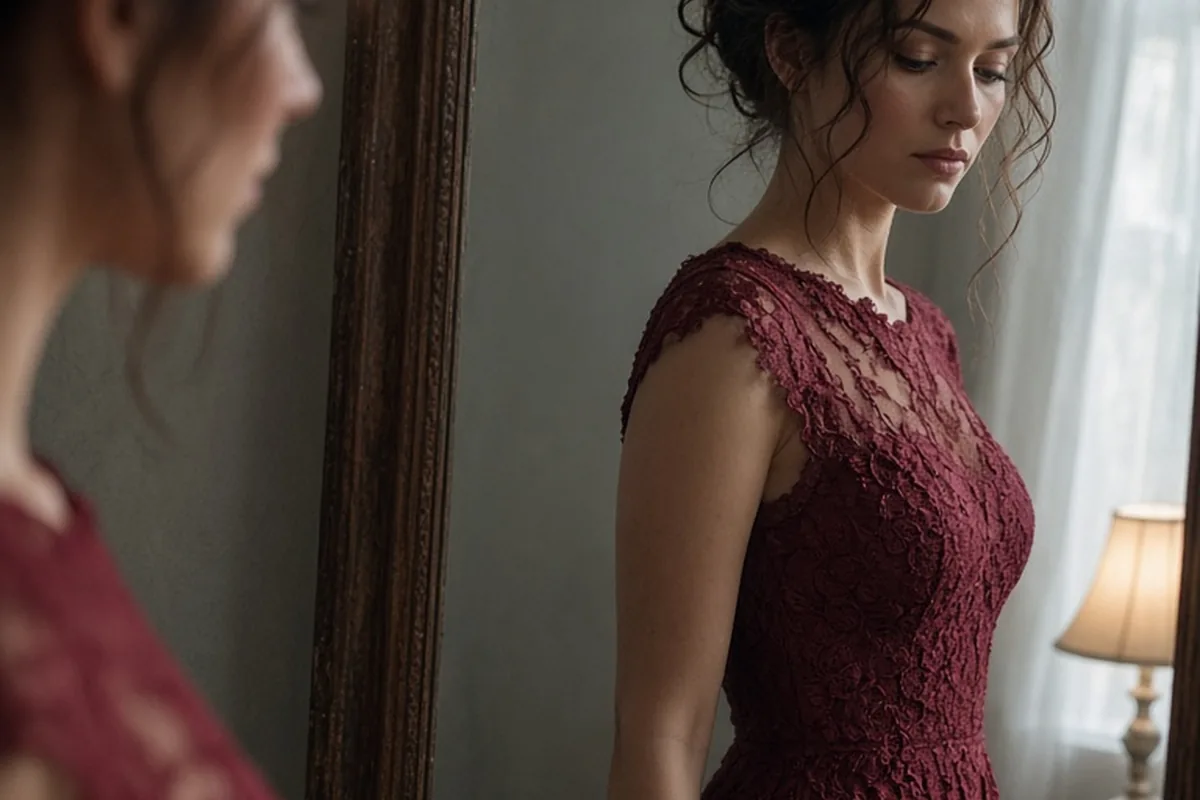
To save money on wedding dress trunk show discounts, research participating designers in advance, set a strict total budget including alterations, and book an early appointment. Trunk shows typically offer limited-time designer promotions when you purchase during the event weekend. Maximize these savings by asking for bundled incentives—such as waived rush fees, discounted veil packages, or customization credits—and confirming all order details in writing before signing the sales contract.
A bridal trunk show provides a unique opportunity to view an extended collection of gowns from a specific designer, often accompanied by event-only promotions. While these events can yield genuine savings on brand-new designs, navigating the fast-paced salon atmosphere requires clear financial boundaries and strategic planning.
How Designer Trunk Shows and Promotional Pricing Actually Work
A bridal trunk show is a temporary salon event where a boutique showcases a designer's complete seasonal collection or preview line for a single weekend. Unlike standard salon inventory, which consists of curated floor samples chosen by boutique buyers, trunk show gowns travel directly from the designer's headquarters. Salons host these events to generate early orders for new collections, while designers use them to gauge demand for emerging styles across different geographic markets.
Promotional pricing at a trunk show is typically authorized directly by the visiting designer or established in partnership with the host boutique. When a bride places an order during the designated event dates, the salon applies an event-specific incentive to the retail price of that designer's gowns. This setup differs fundamentally from a sample sale; rather than buying a discounted floor model off the rack in as-is condition, you are purchasing a brand-new gown made to order according to standard production sizing.
Because these promotional incentives are tied to official order windows, salons enforce strict cutoff times. The price incentive generally applies exclusively to orders finalized before the trunk show ends on Sunday afternoon. Understanding this operational structure helps you separate genuine manufacturer incentives from standard retail sales tactics, allowing you to evaluate whether the promotional terms offer authentic value for your specific wardrobe budget.
Researching Designers and Boutiques Before Booking an Appointment
Securing meaningful savings begins well before you step into the bridal salon. Every designer operates within a defined retail price band, and trunk show incentives reduce the baseline cost rather than converting high-end luxury couture into entry-level pricing. Before scheduling an appointment, look up the designer's standard retail range to verify that their baseline prices align comfortably with your financial plans before any promotional adjustments.
Reach out directly to the salon hosting the event to gather logistical details that may not appear on their promotional marketing. Ask which specific collections will be in the store, whether the show includes both current and prior-season lines, and what exact promotional terms are being offered. Inquiring about styling fees, guest policies, and appointment duration beforehand ensures you do not encounter unexpected administrative charges just to access the trunk show inventory.
Timing your appointment strategically within the event calendar also impacts your shopping experience. Booking a slot on the opening day or during weekday preview hours gives you access to consultants who are fresh and unhurried. It also allows unhurried access to the full rack of traveling samples before popular gowns are tied up in changing rooms with other shoppers, giving you better focus to assess fabrics, structure, and pricing.
Calculating the True Total Cost Beyond the Initial Incentive
An attractive percentage reduction on a gown's retail tag can easily be negated if you overlook the secondary expenses required to make the dress wedding-ready. Standard made-to-order wedding gowns are produced in standard designer sizes rather than custom tailored to your exact measurements. This means professional alterations—including hem adjustments, bodice fitting, bustles, and strap placement—are virtually always necessary.
When calculating the total expenditure, request a comprehensive estimate that accounts for local sales tax, shipping and handling freight from the designer's facility, in-house or external tailoring estimates, and any specialty undergarments required for the silhouette. If a gown requires custom design modifications, such as raising a neckline, adding lining to an unlined bodice, or extending a train length, these custom factory changes will carry separate fees that should be weighed against the initial trunk show discount.
Establishing an all-inclusive spending limit prevents emotional overspending in the fitting room. If your total attire allocation must cover the gown, alterations, veil, shoes, and day-of pressing, calculate your maximum allowable spend on the raw gown before entering the salon. Keeping this comprehensive balance sheet in mind ensures that a discounted base gown does not push your overall wedding wardrobe beyond comfortable financial limits.
Negotiating Meaningful Value Additions and Accessory Bundles
While bridal salons are often bound by strict minimum advertised price agreements set by gown designers, boutique owners frequently maintain greater flexibility when it comes to accessories, services, and package enhancements. If a salon cannot deepen the base percentage reduction on the dress itself, you can explore value-added perks that directly reduce your secondary wedding costs.
Inquire whether the boutique can offer a package incentive on accessories purchased alongside the gown. Veils, hairpieces, jewelry, and belts carry higher retail margins, making salons more willing to discount or bundle them during a promotional weekend. Alternatively, you can ask about practical service credits, such as complimentary long-term gown storage until your alterations begin, complimentary steam and press services before the wedding day, or a credit toward in-house seamstress consultations.
Approach these conversations collaboratively by highlighting your readiness to finalize the order if the total package aligns with your parameters. For example, asking whether the boutique can waive shipping and handling fees or include a standard garment travel bag can yield practical savings without requiring the salon to breach designer retail pricing policies.
Navigating Same-Day Purchase Pressure and Impulse Decisions
The time-sensitive structure of trunk shows naturally generates an atmosphere of urgency. Because promotional pricing and traveling sample gowns depart when the weekend concludes, consultants will encourage same-day commitments. While acting quickly is part of securing event pricing, making a rushed decision on a significant purchase can lead to costly buyer remorse or cancellation penalties.
Protect your judgment by bringing a focused, supportive entourage of no more than one or two trusted decision-makers. Having too many conflicting opinions can create sensory overload and distract from evaluating whether the dress meets your functional comfort, personal style, and spending parameters. Walk around the salon, test sitting down in the sample, and inspect the construction of the seams and inner boning under balanced lighting before deciding.
If you love a gown but feel uncertain about committing immediately, ask the salon management about their exact policy for holding quotes. Some boutiques permit brides who attended an appointment on Friday or Saturday to sleep on the decision and call back with payment before closing on Sunday afternoon. Utilizing this short reflection window allows you to review your overall wedding budget objectively away from the excitement of the showroom floor.
Reviewing Contract Terms and Delivery Timelines Before Paying the Deposit
A trunk show purchase is formalized through a binding sales contract and an upfront deposit, which generally covers half of the total gown cost. Because made-to-order bridal wear is custom manufactured for your order, deposits and final payments are universally non-refundable once the production order is transmitted to the designer. Thoroughly reviewing every clause in the paperwork protects both your finances and your timeline.
Ensure that the written purchase agreement explicitly states the agreed-upon promotional pricing, any itemized accessory credits, the precise style number, the selected colorway (such as ivory, off-white, or champagne), and the specific size ordered based on the designer's official measurement chart. Never rely on verbal assurances regarding promised discounts or complimentary services; every financial adjustment and product specification must appear directly on the signed invoice.
Finally, verify the projected arrival date against your wedding calendar. Standard bridal production can take several months, followed by an additional period needed for fitting appointments and alterations. Ordering through a trunk show well in advance helps you avoid costly factory rush fees or expedited freight charges, preserving the financial benefit of the event discount.
Frequently asked questions
Can you negotiate lower dress prices during a bridal trunk show?
Salons are typically bound by designer minimum pricing rules on the dress itself, but you can often negotiate adjacent expenses. Ask the salon if they can offer discounted accessories, waive domestic shipping fees, provide complimentary gown storage, or include day-of pressing services.
Are alterations included in wedding dress trunk show discounts?
Alterations are almost never included in the base gown price or trunk show discount. Tailoring is billed as a separate service because fitting requirements vary significantly by individual silhouette and design customization.
What happens if I change my mind after ordering at a trunk show?
Because gowns are custom-manufactured upon receipt of the deposit, bridal salons maintain strict non-refundable policies. Once the event concludes and the order is placed with the designer, cancellations and returns are generally not permitted.
How far in advance should I attend a trunk show before my wedding?
Attending a trunk show nine to twelve months prior to your wedding date provides the ideal timeline. This window allows sufficient time for standard production, freight shipping, and multi-stage alterations without incurring rush fees.
Your next step
Contact two local bridal salons to request their upcoming trunk show schedules and verify their baseline designer price ranges before scheduling your styling appointment.