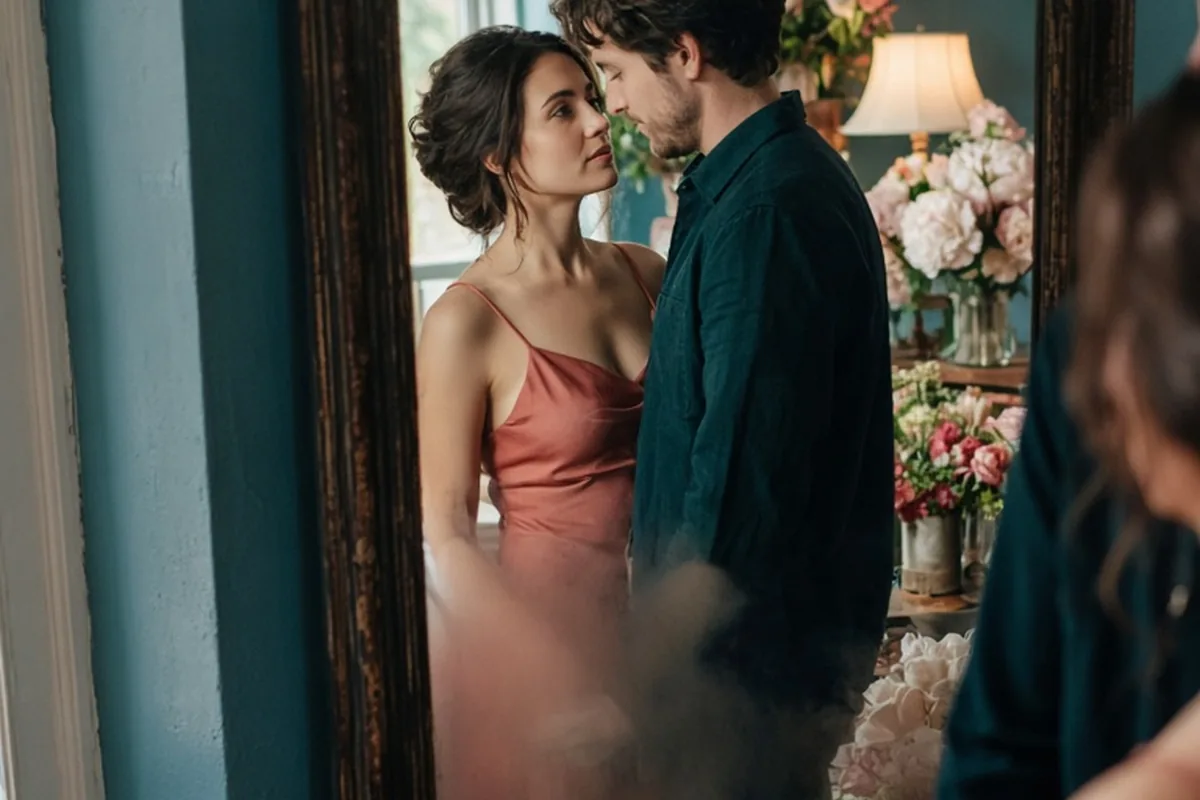
To save money on wedding flowers, prioritize dual-purpose arrangements by moving ceremony arches, urns, and aisle markers to your reception tables and sweetheart display. Reduce total stem counts by leaning on lush greenery, potted plants, and groupings of smaller bud vases rather than dense centerpieces. Finally, book an a la carte florist package or source sturdy in-season blooms rather than out-of-season imports, minimizing labor, storage, and specialized freight fees.
Wedding floral quotes frequently surprise couples because floral design involves perishable agricultural goods, international cold-chain freight, and intensive day-of labor alongside the visible blooms.
Repurposing Ceremony Arrangements for the Reception Space
One of the most effective ways to reduce your floral budget is to ensure every major arrangement serves at least two functions throughout the wedding day. Ceremony floral installations typically stay on display for less than an hour, meaning high-cost designs like ground meadows, urns, and arch accents are underutilized if left behind. By planning clear transitions with your venue coordinator or florist, you can relocate these focal points to key reception areas such as the head table, the cake display, the guestbook station, or photo backdrop areas.
Executing this strategy requires advance planning regarding vessel mechanics and transition logistics. Ground meadows built in transportable trays can be carried directly into the reception hall to form a lush barrier in front of the head table. Heavy pedestal urns framing the altar can be shifted to flank the reception entrance or frame the band stage. Make sure to assign specific individuals—whether vendor staff, a day-of coordinator, or trusted family members—to handle this transition during the cocktail hour so that delicate stems are not damaged in transit.
Bridal and bridesmaid bouquets can also serve double duty as table decor. Instead of leaving bouquets on chairs or in the bridal suite after formal photography concludes, place pre-filled water vases along the head table, around the bar, or beside dessert platters. This immediately fills empty surfaces with professional designs without requiring separate centerpiece purchases, while simultaneously keeping the stems hydrated so they look fresh throughout the evening.
Selecting High-Volume, In-Season Stems Over Delicate Imports
Floral pricing is heavily influenced by stem volume, fragility, and seasonal availability. Stems that provide broad surface area—such as hydrangeas, garden roses, standard carnations, football mums, and dahlias during their natural harvest windows—fill significant visual space in an arrangement with fewer total individual stems. Conversely, delicate, small-headed flowers like sweet peas, lily of the valley, and out-of-season ranunculus require dozens of stems to achieve the same visual presence, drastically increasing your material costs.
Choosing blooms that are in peak regional season avoids the steep surcharges associated with greenhouse forcing and air freight. When you request a flower outside of its standard bloom window, your florist must source it from international wholesale auctions, passing along international shipping costs, customs clearance fees, and higher loss rates from travel shock. Giving your designer an open color palette and aesthetic brief rather than a rigid list of required flower species allows them to source the healthiest, most affordable blooms on market day.
Standard carnations, chrysanthemums, and alstroemeria have historically carried outdated reputations, but modern varieties offer nuanced, muted tones such as antique peach, mauve, and dusty rose. When blended into arrangements by a skilled designer, these resilient blooms mimic the ruffled texture of expensive specialty varieties while offering superior heat tolerance and longevity at a fraction of the per-stem cost.
Designing High-Impact Tables with Bud Vases, Candles, and Greenery
Traditional, compact floral centerpieces built in floral foam or metal cages demand a dense concentration of premium blooms, resulting in high production costs for every guest table. A modern, cost-efficient alternative is the grouped bud vase approach. Clustering three to five small glass or ceramic vessels with one to three stems each across a table creates an airy, curated tablescape that covers substantial visual space while using significantly fewer flowers overall.
Integrating non-floral elements like pillar candles, taper candles in glass hurricanes, and potted plants helps establish height and warmth across the room without inflating your floral line items. Glowing candlelight creates an intimate ambiance that often has a stronger visual impact in dim reception lighting than elaborate floral structures. Pair candle groupings with loose foliage runners—such as Italian ruscus, silver dollar eucalyptus, or salal—to achieve rich texture and depth along long banquet tables.
Potted living plants present another sustainable and economical centerpiece option. Potted orchids, ferns, rosemary topiaries, or flowering lavender can be placed in terracotta, stone, or woven baskets. These plants maintain their vitality regardless of venue temperature, require zero wiring or floral foam mechanics, and can either be taken home by guests at the end of the night or planted in your garden as a living keepsake.
Comparing Full-Service Floral Design, A La Carte Menus, and Wholesale DIY
Couples generally choose between three distinct purchasing paths: full-service floral design, studio a la carte packages, and wholesale do-it-yourself (DIY) sourcing. Understanding the differences in labor, logistical risk, and material control is critical for finding the option that fits your budget and risk tolerance.
Full-service florists handle everything from initial mood boards and custom sourcing to on-site assembly, room flips, and late-night breakdown. This tier provides complete peace of mind and handles complex structural work like hanging installations or floral arches, but it carries higher labor minimums, delivery fees, and breakdown charges. If you want high-touch support without full-service overhead, studio a la carte menus are an excellent middle ground. Florists provide core pieces—such as bouquets, boutonnieres, and pre-made centerpieces—in standard color palettes for client pickup or simple drop-off, eliminating installation labor fees.
Wholesale DIY ordering offers the lowest raw material cost but carries the highest logistical risk. Ordering stems from bulk wholesale outlets requires commercial hydration buckets, floral shears, floral tape, flower food, temperature-controlled storage, and dedicated transport vehicles. Fresh blooms often arrive in tight buds two to three days before the event, requiring precise trimming, de-thorning, and hydration management to ensure they open fully without wilting. DIY is best reserved for simple, forgiving projects like bud vases and loose greenery runners rather than complex bridal bouquets or large architectural installations.
Using Rented Silk or High-End Faux Botanicals Strategically
Advancements in botanical manufacturing have made modern faux flowers—often crafted from silk, polyurethane, or real-touch coated fabrics—virtually indistinguishable from fresh stems in photographs and from standard viewing distances. Renting pre-assembled faux floral installations for high-impact focal points allows you to achieve dramatic scale for ceremony arches, hanging chandeliers, and photo walls without the steep cost of perishable materials.
A hybrid approach offers the best balance of cost savings and sensory experience. Use fresh flowers for personal items that guests and the wedding party interact with up close—such as the bridal bouquet, boutonnieres, and hair florals—where natural fragrance, weight, and touch matter most. Then, deploy rented silk arrangements for overhead arches, elevated floral stands, and high backdrops where guests will only view the designs from a distance.
Renting faux florals also eliminates weather-related risks. Outdoor summer weddings with direct sunlight, high heat, or strong winds can cause delicate fresh blooms like hydrangeas and gardenias to wilt within hours of setup. Faux installations remain completely stable regardless of temperature, humidity, or delays in ceremony timing, eliminating the need for emergency water misting or last-minute stem replacements.
Negotiating Wedding Florist Proposals and Trimming Hidden Line Items
When reviewing florist proposals, look closely at how the quote is divided between hard goods (stems and foliage), vessel rentals, and labor costs. Labor fees encompass conditioning stems, design time, delivery mileage, on-site installation, and post-event strike services. If a proposal exceeds your intended spending limit, ask your florist for structural adjustments rather than simply asking for an arbitrary discount on their standard rates.
Provide your florist with your absolute budget ceiling and ask what adjustments they recommend to meet that target without compromising the overall aesthetic. Professional designers can suggest substituting rare focal stems with hardy alternatives, adjusting centerpiece ratios (such as doing half high-candle tables and half low-floral tables), or simplifying complex installation mechanics that require multiple on-site staff members.
Pay careful attention to hard good rentals and vessel charges. Florists often charge rental fees for ceramic bowls, compotes, arches, and pedestals, alongside security deposits in case items are lost or chipped. Sourcing your own thrifted vintage vessels, clear glass cylinders, or modern ceramic pots—or choosing designs created in low-cost paper mache containers that remain hidden—can reduce rental markups and eliminate post-event return obligations.
Handling End-of-Night Logistics to Avoid Teardown and Disposal Penalties
A commonly overlooked wedding flower cost is the post-event strike and breakdown fee. Many wedding venues enforce strict contracts requiring all decor, floral foam, and personal items to be completely cleared within one hour of the reception ending. If your florist has to return to the venue at midnight with a breakdown crew to collect rental vessels and dispose of green waste, you will be billed for late-night labor and disposal fees.
You can eliminate late-night breakdown charges by designing centerpieces in disposable liners or vessels that guests are encouraged to take home. Provide simple brown kraft paper wraps or cellophane bags near the exit so guests can bundle stems at the end of the evening. This not only avoids waste and cleans the tables naturally, but it also serves as an appreciated, organic favor for your attendees.
If you use rented items like arches, urns, or specialty stands, inquire whether you or a designated family member can return those items to the florist's studio on the next business day. Taking responsibility for morning transport can remove several hundred dollars in vendor delivery and late-night retrieval fees from your final invoice.
Frequently asked questions
Can you mix real and artificial flowers without it looking obvious?
Yes, mixing real and artificial blooms works seamlessly when you keep fresh flowers close to guests and artificial flowers at a distance. Use fresh stems for handheld bouquets, boutonnieres, and dining tables, while utilizing high-quality faux florals for elevated arches, ceiling installations, and backdrop structures.
How far in advance should you book wedding flowers to secure the best rates?
Book your florist 8 to 12 months before your wedding date to secure availability on their calendar and lock in labor rates. Booking early also gives your florist sufficient lead time to monitor wholesale market trends and recommend seasonal stems that match your budget.
Is doing DIY wedding flowers actually cheaper than hiring a florist?
DIY flowers reduce professional labor costs, but you must factor in expenses for shears, buckets, floral food, preservation sprays, and refrigeration. If ordering wholesale, you should order roughly 15 to 20 percent extra stems to account for broken stems or blooms that fail to open properly.
What is the single most common mistake that inflates wedding flower costs?
The most common mistake is requesting specific out-of-season flower varieties rather than defining a general color palette and texture. Insisting on specific off-season stems forces florists to pay high international import and freight fees that significantly increase the proposal price.
Your next step
Review your ceremony and reception floor plans today to identify at least two ceremony arrangements that can be relocated to serve as reception focal points.