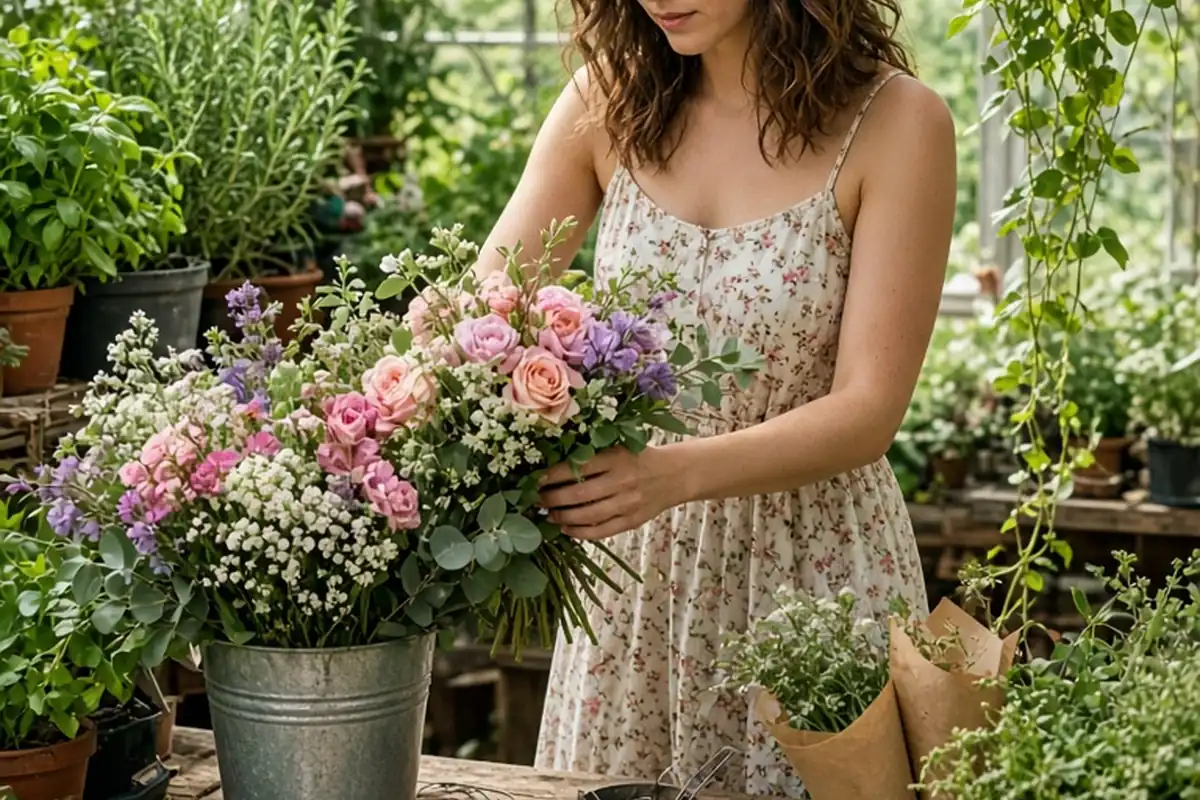
To host a garden-theme bridal shower that feels like true botanical bliss, anchor the celebration around living greenery, natural light, and relaxed organic textures. Combine potted topiary and trailing vine centerpieces with pressed-flower stationery, vintage glassware, and seasonal blooms. Complement the setting with an herb-infused beverage bar, chilled garden-to-table small plates, and low-pressure tactile activities like a DIY bouquet station. Always secure an indoor or covered contingency plan to protect guests from sudden temperature swings or inclement weather.
A botanical bridal shower balances romantic elegance with fresh, earthy ease, offering a welcoming atmosphere where guests can unwind and celebrate the guest of honor amidst living nature.
Selecting an Outdoor or Indoor Botanical Venue That Balances Weather and Ambience
Choosing the right location sets the structural tone for a botanical bridal shower. While a sunlit private backyard or landscaped botanical garden terrace feels like the most natural setting, outdoor spaces introduce environmental unpredictability. When evaluating an open-air site, examine natural shading patterns during the exact hours of your event. Mature shade trees, pergolas, or covered verandas protect guests from midday sun and reduce the risk of delicate flower arrangements wilting before the guest of honor arrives. Check ground conditions as well; lush grass can become soft or muddy after morning dew or unexpected rain, which affects accessibility and footwear choices.
If renting a public park pavilion or community garden space, inquire early about municipal permits, commercial photography restrictions, and sound ordinances for background music. Venues that lack dedicated staff often require hosts to haul out all refuse, which impacts setup and cleanup timelines. When private outdoor spaces present logistical hurdles, consider booking an indoor conservatory, a local plant nursery greenhouse, or a modern loft with floor-to-ceiling windows. Sunrooms and greenhouse retail spaces provide the saturated greenery, temperature control, and overhead shelter needed to guarantee botanical bliss without constantly checking radar forecasts in the days leading up to the shower.
Building Lush Floral and Foliage Installations Without Excessive Floral Foam
Traditional event floristry often relies heavily on synthetic floral foam, which crumbles into microplastics and restricts how natural stems drape. Creating a genuine botanical atmosphere calls for loose, garden-style styling using sustainable mechanics like coated chicken wire cages, metal floral frogs, and weighted ceramic vessels. By blending branchy greens such as olive branches, eucalyptus, bay laurel, and Italian ruscus with seasonal flowers, you create dynamic texture and rich fragrance while controlling costs. Grouping stems in varying stem heights mimics how flowers naturally grow together along a garden border rather than looking rigidly manicured.
To maximize your floral budget, focus your primary floral investment on high-impact anchor points where guests gather and take photos. An arch framing the bride's gift-opening seat, an asymmetric garland tracing the welcome easel, or an eye-level installation over the buffet draws attention immediately upon arrival. For secondary areas like restroom vanities and gift drop tables, cluster petite bud vases filled with single garden stems such as ranunculus, cosmos, or sweet peas alongside scattered votive candles. This layered approach spreads botanical details throughout the venue without requiring massive, costly tabletop arrangements at every corner.
Curating an Earthy Tablescape with Vintage Glassware and Living Herbs
A botanical tablescape succeeds when tactile, organic materials replace polished banquet synthetics. Start with a neutral foundation of washed linen or gauze runners in soft moss, sage, unbleached flax, or warm cream. Rather than using formal cut-glass centerpieces that crowd sightlines, line the center of long banquet tables with a living runner composed of potted culinary herbs like rosemary, lavender, thyme, and variegated mint in terracotta pots. These potted herbs infuse the dining area with a subtle, clean herbal aroma that stimulates appetite without overpowering the senses the way heavy synthetic perfumes or dense lilies might.
Incorporate mismatched vintage glassware in shades of olive, amber, and blush pink to catch natural afternoon light. Pair these with unlacquered brass or brushed matte flatware and cloth napkins tied with natural jute twine or torn-edge silk ribbon. For personalized place cards, write guest names in white calligraphy ink across broad, sturdy magnolia leaves, pressed fern fronds, or seed paper tags that guests can take home to plant. Mixing living foliage with earthy ceramics and textured paper stock gives the dining table a bespoke, curated feeling that encourages lingering conversation.
Refreshing Menus and Herb-Infused Botanical Beverage Stations
Food served at a garden shower should mirror the fresh, vibrant quality of the setting. Heavy, hot banquet courses can make guests feel sluggish in warm outdoor air, so lean into refined, room-temperature fare with bright acidity and colorful edible flowers. Consider a grazing table layered with artisan cheeses, fresh figs, honeycomb, seeded crackers, and savory tarts featuring seasonal vegetables like asparagus, leeks, and goat cheese. Individual tea sandwiches with cucumber-dill butter, smoked salmon on brioche, and coronation chicken salad in endive leaves provide delicate, mess-free options that guests can enjoy while mingling casually.
A dedicated botanical hydration and cocktail station offers both visual appeal and interactive hospitality. Offer chilled glass beverage dispensers filled with still spring water infused with ribboned cucumber and fresh mint, or sparkling lemonade infused with culinary lavender syrup. Alongside wine or champagne, set out a signature cocktail and zero-proof mocktail option showcasing herbal botanicals, such as a rosemary-infused gin fizz or a blackberry-thyme spritzer. Display bowls of fresh berries, citrus wheels, and unsprayed pansy or borage blossoms next to ice buckets so guests can garnish their own glasses to taste.
Low-Pressure Interactive Activities Rooted in Nature and Creative Crafting
Traditional bridal shower games involving quizzes, timers, or rapid-fire competition can feel awkward or tiring for guests across different generations. Botanical showers offer the perfect opportunity to replace high-pressure games with relaxed, tactile activities that encourage conversation while yielding a tangible creation. A DIY flower crown or mini bouquet station is a beloved option that keeps hands busy and serves as a natural conversation starter. Supply buckets of hearty blooms, filler foliage, floral wire, shears, and craft paper cones so guests can assemble personalized arrangements at their own pace during downtime.
Another engaging alternative is a botanical fragrance blending bar or a pressed-flower card station. Guests can select pure essential oils like neroli, cedarwood, lavender, and sweet orange to blend into a custom rollerball perfume, or arrange dried pressed petals onto archival paper with adhesive pens to create a collective memory guestbook for the bride. If the bride prefers passive participation, set up a garden-themed advice jar where friends and family pen marriage tips or date-night ideas onto seed-paper cards. These low-stakes activities respect introverted guests while giving extroverts plenty of creative space to connect.
Thoughtful Plant-Based Favors That Guests Can Actually Nurture and Keep
Token shower favors like plastic trinkets, monogrammed drink koozies, or heavily scented chemical soaps frequently end up discarded. Living favors harmonize with a botanical shower concept and serve as a sustained, warm reminder of the day. Miniature potted succulents, baby ferns, or culinary herb seedlings in small biodegradable peat or glazed ceramic pots make ideal choices. To ensure guests know how to care for their new plants, tuck a simple care card into each pot outlining light, temperature, and watering needs tailored to that specific plant variety.
If traveling guests make transporting live root systems impractical, opt for compact, non-perishable botanical gifts. Packets of non-invasive pollinator wildflower seeds custom-stamped with a meaningful message provide an easy, lightweight keepsake that guests can slip into a purse. Other thoughtful alternatives include small vials of local raw clover honey paired with wooden dippers, loose-leaf herbal tea blends packaged in reusable glass corked tubes, or handmade cold-process botanical soaps studded with crushed calendula petals. Choose gifts that emphasize utility, regional craftsmanship, and zero-waste packaging.
Practical Weather Logistics and Sound Planning for Outdoor Celebrations
The romantic fantasy of an open-air garden shower can unravel quickly without realistic contingency planning for temperature, wind, and pests. Outdoor microclimates shift significantly over the course of two to three hours. Even on a mild, sunny day, direct heat can soften cake buttercreams, melt chocolate favors, and dehydrate guests. Set food and dessert tables under deep shade or inside a climate-controlled room until moments before serving, and provide decorative baskets containing woven parasols, folding hand fans, and broad-spectrum sunscreen near the garden entrance.
Wind is another frequently overlooked hazard in outdoor garden setups; light paper napkins, hollow bud vases, and tall stemware can easily tip over in a sudden gust. Anchor table linens with substantial ceramic plates or weighted marble weights, and select wide-based low glassware that remains stable on uneven surfaces. For insect control, avoid harsh chemical sprays around dining areas; instead, place subtle citrus-and-clove oil diffusers around the patio perimeter and set out clean food cloches to protect open trays. Always establish an agreed-upon, indoor weather backup cutoff time with your co-hosts at least twenty-four to forty-eight hours prior to event setup.
Frequently asked questions
What colors work best for a botanical garden bridal shower palette?
A botanical palette works best when grounded in organic shades like sage, moss, eucalyptus, and warm cream, accented by soft earth tones like terracotta or honey. You can add delicate seasonal flower accents such as dusty rose, peach, lavender, or butter yellow to echo the natural blooms of the venue.
How can I prevent outdoor floral centerpieces from wilting in the heat?
Keep stems hydrated in chilled water with floral preservative until setup, and mist arrangements thoroughly with clean water before guests arrive. Avoid delicate, thin-petaled flowers that brown quickly under direct sunlight, and position your tables under covered verandas, wide trees, or sun umbrellas.
What is an appropriate dress code suggestion for an outdoor botanical shower?
Recommend garden-party casual or garden-attire dress on the invitations so guests understand the outdoor context. Remind guests to choose flat footwear, wedges, or block heels instead of stiletto heels that sink into garden turf, and advise bringing light layers for shifting breezes.
What can hosts do if rain occurs and the primary garden space is unusable?
Activate your indoor backup room or covered patio by moving potted herbs, flower arrangements, and string lights inside to recreate the botanical atmosphere indoors. Ensure you decide on moving indoors early enough in the morning to finish setting tables and food stations without rushing.
Your next step
Draft your rain contingency plan and list three indoor or covered staging zones before ordering botanical supplies or sending final invitations.