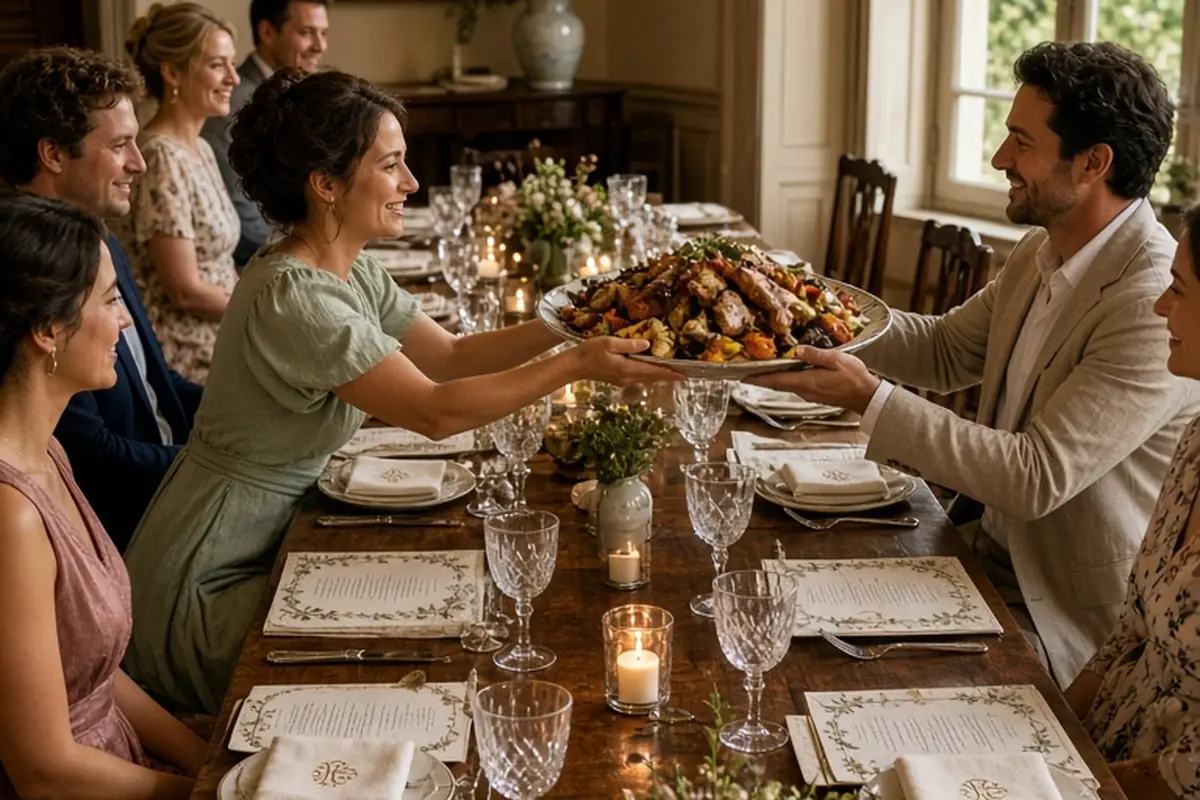
To host a small intimate wedding of your dreams, set a firm guest limit early to protect genuine closeness, choose spaces scaled for small groups like private dining rooms or historic villas, and redirect your budget toward an elevated guest experience. Focus on communal banquet dining, custom handwritten touches, relaxed schedules without rigid production scripts, and acoustic or curated entertainment that fosters conversation.
Choosing a smaller guest count gives you the rare freedom to design a celebration centered entirely around authentic hospitality and meaningful conversations rather than production logistics. When you remove the obligation to host hundreds of casual acquaintances, your wedding transforms into a warm, immersive gathering where every attendee feels intentionally chosen and truly cared for.
Setting Guest Count Boundaries Without Damaging Relationships
The foundation of an intimate wedding is a strictly defined guest list, typically ranging between ten and fifty people. Establishing this boundary requires you and your partner to define clear criteria before sending save-the-dates or making verbal promises. Common frameworks include inviting only immediate family and friends you have both spent time with over the past year, or limiting invitations strictly to those who have directly supported your relationship. Problems arise when couples make sporadic exceptions for distant relatives or professional colleagues, which dilutes the intimate atmosphere and creates social friction among those excluded.
When communicating your plans to extended circles, clarity and warmth work far better than vague evasions or defensive excuses. Let acquaintances, coworkers, and extended relatives know early that you are hosting an immediate-circle ceremony due to venue capacities or personal preference for a quiet gathering. A simple explanation such as, 'We have decided to keep our ceremony strictly to immediate family and closest lifelong friends,' sets a polite boundary without inviting debate. You can always plan an informal casual backyard barbecue, an open-house cocktail reception, or a celebratory drink later to include broader social networks without compromising your wedding day.
Choosing Intimate Wedding Venues That Do Not Feel Empty
A standard banquet hall, ballroom, or large industrial warehouse built for three hundred people will swallow a party of thirty, making the gathering feel sparse and subdued. The key to successful micro-wedding venue selection is architectural proportion. Look for venues naturally tailored to smaller parties, such as boutique greenhouse solariums, private dining cellars at neighborhood bistros, historic bed-and-breakfasts, art gallery lofts, or private coastal rental properties that permit small private events. In these environments, your group fills the room naturally, fostering warmth, spontaneous mingling, and acoustic richness.
Before booking an unconventional private venue like an architectural estate or residential property, verify operational parameters that commercial venues handle automatically. Check local municipal sound ordinances, curfews, available electrical amperage for caterers, restroom capacities, and parking restrictions. If you choose a private dining room inside a favorite restaurant, ask about exclusivity windows, minimum food and beverage spends, background sound controls, and whether you are permitted to bring external florals or small musical ensembles. Matching your guest count to the physical footprint of the room creates an immediate sense of cohesion and comfort.
Designing an Elevated Banquet Dining Experience
At large weddings, dinner is often a logistical exercise in serving hundreds of chicken and fish plates as quickly as possible. An intimate wedding lets you treat the meal as the central event of the evening. Instead of standard buffet lines or rigid banquet service, you can arrange a single, dramatic banquet table where everyone sits together, evoking the atmosphere of a lavish dinner party. This singular focal point encourages shared conversation, collective toasts, and an uninterrupted sense of togetherness.
Consider partnering with a private chef or a specialized boutique caterer to develop a seasonal, multi-course tasting menu paired with curated regional wines. Family-style service is another compelling alternative, where abundant platters of wood-fired meats, roasted seasonal vegetables, and artisanal breads are passed hand-to-hand down the table. Passing platters naturally breaks the ice among guests who may not know each other well. You can also incorporate interactive culinary moments, such as a tableside pasta toss, an oyster-shucking station during drinks, or an artisanal cheese course served alongside dessert.
Personalizing Details Only Feasible for Small Groups
When your guest count is modest, you can execute thoughtful hospitality gestures that would be completely overwhelming or financially impossible for a crowd of two hundred. One of the most impactful ideas is writing an individual, handwritten letter to each guest, placed inside an envelope at their seat. This letter can express your gratitude for their presence, recall a favorite shared memory, and acknowledge the specific role they have played in your life. It turns a standard place card into an emotional keepsake that guests treasure long after the wedding ends.
You can also elevate tangible reception details that guests touch throughout the evening. Invest in bespoke linen napkins embroidered with individual guest monograms that double as take-home favors, hire a calligrapher to hand-paint personalized dinner menus, or select vintage crystal glassware sourced specifically for each attendee. If your ceremony is held in an open garden or cozy living room, arrange seating in a gentle semicircle or full circular ring around the altar area. This layout ensures that every guest enjoys an unobstructed view and feels like an active participant in your vows rather than a distant spectator.
Structuring a Relaxed Day Focused on Real Connection
Traditional wedding schedules often operate under frantic, thirty-minute increments governed by formal photo calls, grand entrances, choreographed dances, cake cuttings, and bouquet tosses. In an intimate setting, these theatrical traditions can feel performative and disrupt natural conversation. Giving yourself permission to eliminate or rethink rigid traditions creates a fluid, unhurried day where you spend hours actually speaking with your guests instead of running from one photo cue to the next.
Plan your timeline around lingering social transitions. Join your guests for the entire cocktail hour rather than hiding away for staged portraits, or host a welcome aperitif before the ceremony begins so attendees can settle in and greet one another. During the reception, eliminate the high-pressure head table and sit right in the middle of your guests. Instead of a formal dance floor program, you might offer comfortable lounge seating around a fireplace, invite guests to participate in open storytelling toasts between courses, or transition into a late-night acoustic music session under the stars.
Capturing Meaningful Imagery Without Endless Posed Photos
Photographing a small wedding requires an approach distinct from standard event coverage. Because there is no massive crowd to hide behind, an intrusive photographer can unintentionally alter the atmosphere of an intimate room. Look for a photographer whose portfolio demonstrates strong documentary, candid, and editorial storytelling. Communicate clearly that your priority is capturing genuine emotions, unscripted guest reactions, and atmospheric environmental details rather than orchestrating extensive combinations of formal posed portraits.
Plan portrait sessions efficiently so they do not isolate you from the gathering for long periods. Take couple portraits during soft late-afternoon light, keeping the session under thirty minutes. For group photography, capture one or two full-group portraits of everyone in attendance, followed by immediate family groupings. Because your total group is small, gathering everyone for a shared portrait feels effortless and produces an heirloom image documenting the complete inner circle that witnessed your marriage.
Managing Vendor Collaboration and Custom Entertainment
Entertainment sets the emotional tone of your evening, and intimate gatherings demand musical sensitivity. A loud, high-energy party band designed for a major ballroom can overpower conversation in a compact room and leave guests shouting over their meals. Instead, consider hiring a solo Spanish guitarist, an acoustic duo, a jazz trio, or a cellist who can seamlessly transition from romantic ceremony accompaniment to warm, ambient dinner background music.
If you prefer a lively evening with dancing later, look for a boutique DJ who understands pacing, dynamic room volume, and bespoke track selection without relying on cheesy microphone hype. Alternatively, you can curate a highly personal digital playlist played through a high-fidelity sound system, blending your favorite indie tracks, soul classics, and meaningful family favorites. Be sure to coordinate closely with all vendors regarding small-scale setup logistics, ensuring equipment cases, large speaker stacks, and lighting rigs do not clutter the visual charm of your chosen intimate space.
Frequently asked questions
What guest count qualifies as an intimate wedding or micro-wedding?
An intimate wedding or micro-wedding typically includes between ten and fifty guests. Gatherings under ten guests are commonly categorized as elopements or minimonies, while events with more than fifty attendees begin to resemble standard traditional wedding formats requiring larger logistics.
Does hosting an intimate wedding always cost significantly less?
Not necessarily. While you save on total meal counts and chair rentals, many couples choose to reallocate those savings into higher-end culinary tastings, bespoke decor, top-tier photography, or luxury lodging for their closest guests. Total costs depend entirely on whether you aim to minimize overall spending or upgrade the individual guest experience.
How do you handle hurt feelings from friends or relatives who are not invited?
Address exclusions proactively with brief, warm, and consistent messaging explaining that your venue size and personal vision are restricted to immediate family or lifelong companions. Emphasize that the limitation is structural rather than personal, and offer to catch up casually over dinner or drinks at a later date.
How can we create a lively evening without a packed dance floor?
Focus on interactive entertainment and comfortable gathering spaces. Multi-course wine pairings, fire pits with late-night dessert bites, acoustic jam sessions, and open-floor toasts create an engaging, memorable atmosphere where nobody feels pressured to fill an empty dance floor.
Your next step
Draft a preliminary guest list capped strictly at your ideal small number, and use that concrete count to tour non-traditional venues scaled to keep your celebration warm, cohesive, and unhurried.