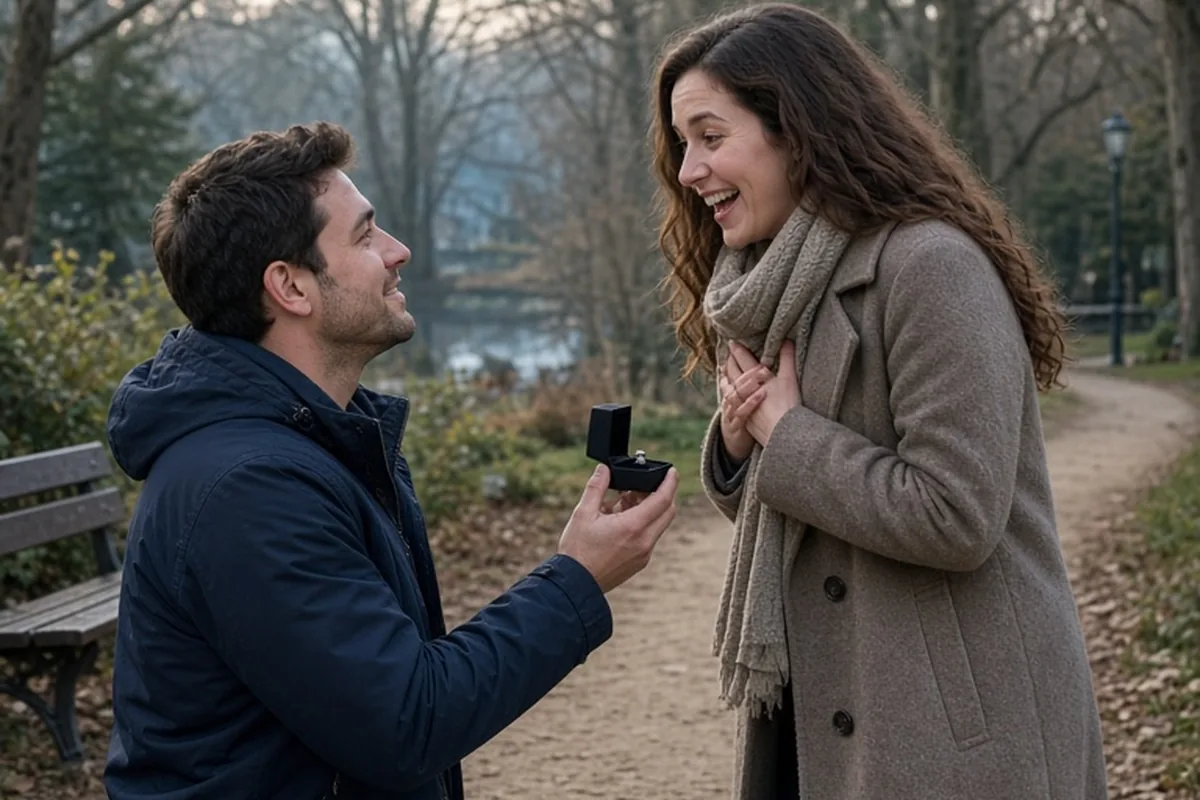
Valentine’s Day is a wonderful time to pop the question if your partner genuinely loves traditional romance, holiday festivities, and shared celebratory traditions. However, it can feel impersonal, high-pressure, or commercialized if they prefer private, customized milestones. The decision comes down to your partner's personality, whether you have already aligned on long-term marriage plans, and your tolerance for crowded venues and holiday markups.
Few dates carry as much cultural anticipation for romantic milestones as February 14. Walking into jewelry stores, scrolling through social media, or passing restaurant storefronts in early February can create a sense that an engagement is the expected next step. Before picking up a ring box and booking a table, weighing the personal and practical realities of proposing on the most popular romantic holiday of the year ensures the moment honors your unique partnership rather than just a calendar date.
Assessing Your Partner’s Personality and Romantic Preferences
The success of any marriage proposal depends on how well the environment and tone reflect the person being asked. Partners who embrace classic romantic gestures, sentimentality, and festive occasions often find a February 14 proposal delightful. For someone who treasures holiday traditions, receiving a ring on a day dedicated to love feels natural, memorable, and celebratory.
Conversely, partners who value privacy, minimalism, or nonconformity may feel uncomfortable with a holiday proposal. If your significant other frequently avoids commercial holidays, dislikes being the center of attention in crowded dining rooms, or prefers bespoke personal anniversaries, a Valentine’s Day proposal might feel uninspired or performative. Looking at how they celebrate birthdays, previous holidays, and personal achievements offers dependable clues about whether they favor grand romantic gestures or quiet, understated moments.
You can also gauge their perspective through low-pressure conversations about other couples. Mentioning a friend’s recent holiday engagement or asking casually how they feel about seasonal proposals gives you direct insight into their preferences without spoiling any future plans. Pay attention to whether they react with warmth or express a preference for a more private, unexpected date.
The Clear Benefits of a Valentine’s Day Proposal
One of the strongest practical advantages of proposing on Valentine’s Day is the built-in cover story. Planning an upscale dinner, dressing up in formal attire, ordering fine flowers, or arranging a weekend getaway rarely raises suspicion in mid-February. If your partner is naturally perceptive and difficult to surprise, the natural ambiance of the holiday allows you to organize a memorable event without tipping your hand.
Another benefit is the infectious romantic atmosphere already present in the air. Florists, bakeries, musicians, and scenic venues are fully prepared for romantic celebrations, creating an effortlessly festive backdrop. Additionally, choosing February 14 ensures you will always share your engagement milestone with an easily remembered calendar date, making future anniversaries simple to plan and celebrate alongside broader cultural festivities.
A holiday proposal also provides an immediate opportunity to celebrate with friends and family. Because mid-February often involves social gatherings, dinners, or long weekends, sharing your happy news with loved ones can happen organically. Many couples find that the collective celebratory spirit of the week amplifies their own joy as they announce their engagement to their wider circle.
Hidden Drawbacks, Holiday Markups, and Logistical Pressures
Despite its romantic appeal, proposing on Valentine’s Day introduces distinct logistical hurdles. Restaurants and hospitality venues experience their highest volume of the year, which often results in fixed prix-fixe menus, strict two-hour table turnarounds, and noisy, packed dining spaces. An intimate, heartfelt conversation can easily feel rushed when waitstaff need to clear tables for the next reservation.
Seasonal pricing is another significant factor to consider. Florists, luxury hotels, fine dining establishments, and travel providers regularly apply peak holiday rates in mid-February. Spending a premium on standard amenities can divert funds that might otherwise go toward the ring, an engagement trip, or your future wedding budget. If you want a lavish setting without inflated holiday pricing, an alternative date often delivers better value.
There is also the risk of feeling lost in a crowd of generic celebrations. Social media feeds are typically flooded with engagement announcements on February 14, which can make a holiday proposal feel somewhat standardized. If your partner places high value on feeling uniquely seen, sharing their special day with thousands of other newly engaged couples might detract from the distinctiveness of their story.
Establishing Relationship Readiness Before Focusing on the Date
A romantic holiday date should never serve as a substitute for genuine relationship readiness. It can be tempting to use the cultural momentum of Valentine’s Day to push a relationship forward, but an engagement proposal must be grounded in mutual commitment, shared values, and clear life goals. The calendar should never dictate the timing of a life-altering commitment.
Before planning a proposal, ensure you and your partner have discussed critical long-term topics openly. These include financial habits and debts, career ambitions, living arrangements, family boundaries, and whether you both desire children. Knowing that you share a compatible vision for your daily lives together provides the emotional security necessary for a joyful proposal.
Healthy couples regularly discuss the idea of marriage before any official question is asked. While the exact time, place, and details of the proposal can remain a delightful surprise, the fact that you intend to get married should never come as a shock to your partner. Confirming mutual alignment beforehand protects both of you from unnecessary pressure or mismatched expectations.
Personalizing a Valentine’s Proposal to Avoid Generic Tropes
If you decide that February 14 is the right date, thoughtful customization keeps the moment from feeling generic. Avoid relying entirely on standard holiday staples like a generic box of chocolates or dessert plates with written messages. Instead, incorporate elements that highlight your shared history, inside jokes, and personal milestones.
Consider adjusting the setting or timing to carve out true intimacy. For example, proposing during an early morning walk at a scenic local park, over a carefully prepared homemade breakfast, or at a private art gallery before regular hours offers peace and privacy away from evening crowds. You can then enjoy your evening dinner reservation simply as a celebration of your new status.
Personal touches can also include custom stationery, a curated playlist of songs from your relationship, or visiting the exact location where you had your first date or first said you loved each other. Grounding the moment in your personal journey ensures that the holiday serves merely as a pleasant setting rather than the primary theme of your proposal.
Managing Ring Timelines, Reservations, and Advance Coordination
Executing a February proposal requires strict attention to production timelines. Custom engagement rings, specific diamond or gemstone sourcing, and custom band resizing often take anywhere from four to eight weeks, and jewelers experience peak seasonal demand in January and early February. Waiting until late January to purchase a ring can severely limit your options or lead to rush fees.
Securing reservations and booking private venues must also happen well in advance. Top-tier restaurants, private dining rooms, and scenic rental spaces frequently book out a month or more ahead for Valentine’s Day. When confirming bookings, speak directly with venue managers about your intention to propose so they can assign a quieter table, coordinate dessert timing, or assist with floral delivery.
If you plan to hire a professional photographer to discreetly document the moment, coordinate logistics early. Public parks, botanical gardens, and scenic overlooks are often crowded on February 14, requiring photographers to scout specific angles and timing to ensure clean shots. Having a clear rain-or-shine backup plan guarantees that unpredictable winter weather will not derail the experience.
Meaningful Alternative Dates If Valentine’s Day Feels Wrong
If the commercial pressures or public nature of Valentine’s Day do not fit your relationship, several appealing alternatives exist. Proposing on February 13 or the weekend immediately following the holiday allows you to capture the cozy mid-winter romance while avoiding peak venue markups, strict dining seatings, and overcrowded public spots.
Another strong alternative is choosing a date with private significance, such as the anniversary of your first meeting, the day you moved into your first home, or a milestone trip. These personal dates carry intrinsic emotional value that is completely unique to your partnership, ensuring the celebration belongs entirely to the two of you.
Finally, an ordinary, unannounced day can produce one of the most romantic proposals possible. Asking the question on a quiet Sunday afternoon at home or during a routine evening walk creates a genuine element of surprise. By proposing on an ordinary day, you permanently transform a standard date into a lifelong anniversary of joy.
Frequently asked questions
Is proposing on Valentine’s Day considered cliché?
It can be viewed as cliché if it relies solely on standard commercial tropes like crowded restaurant dining and generic flowers. However, tailoring the setting, speech, and timing to your partner's specific personality makes the proposal feel uniquely personal and thoughtful regardless of the calendar date.
How far in advance should I start planning a Valentine’s Day proposal?
You should begin planning at least six to eight weeks in advance. This timeframe allows ample room for ring selection, custom sizing, securing competitive restaurant reservations, and booking any necessary photographers before peak holiday availability disappears.
What if my partner dislikes public attention during a proposal?
If your partner prefers privacy, avoid busy dining rooms or crowded public landmarks on February 14. Instead, propose in a peaceful private setting, such as at home over a customized meal, on a secluded nature trail, or in a reserved private suite before heading out to celebrate.
Will proposing on Valentine’s Day make future anniversaries difficult to celebrate?
It depends entirely on your personal preference. Combining your engagement anniversary with Valentine's Day can streamline your annual celebrations, though some couples eventually prefer separating their personal relationship milestones from major public holidays.
Your next step
Take twenty minutes this week to quietly list your partner’s preferences regarding privacy, crowds, and traditions to decide whether February 14 or a personalized alternative date best honors your relationship.