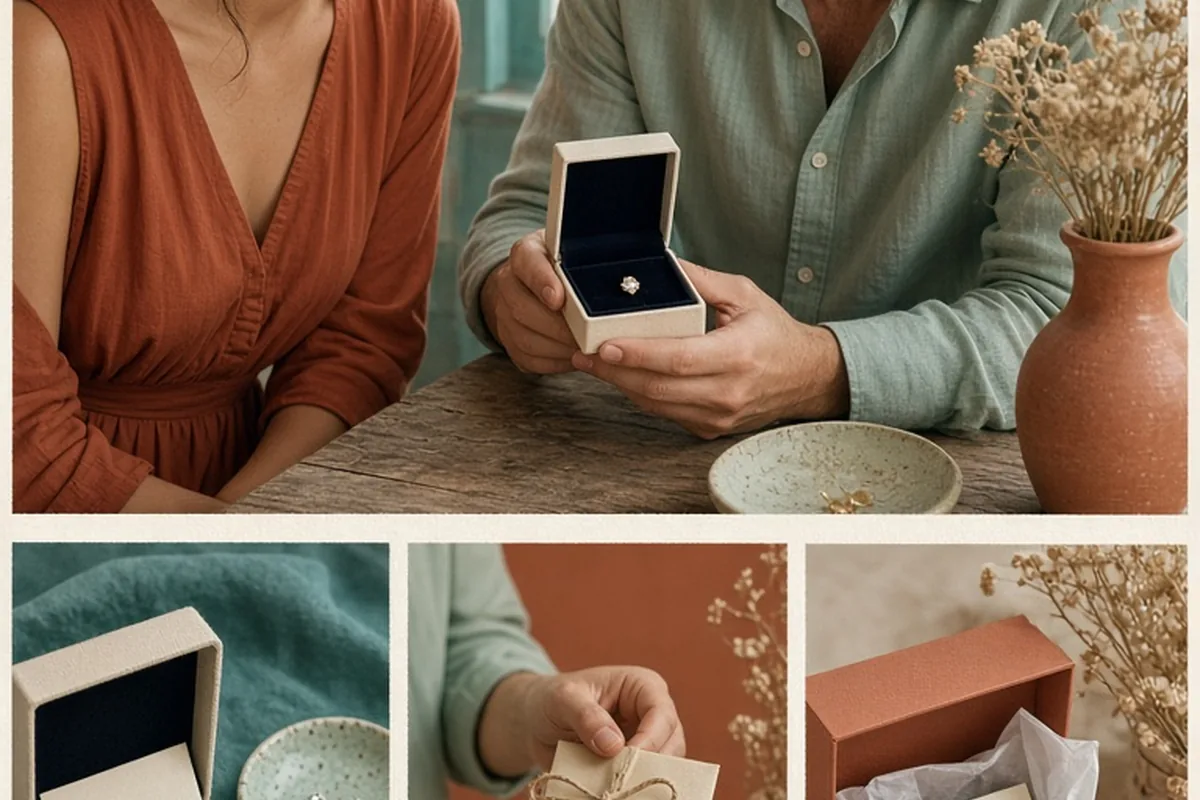
Gifting lab grown diamonds to 50 guests involves deciding between finished jewelry, such as solitaire studs or minimalist pendants, and loose stones set in keepsake cards. To execute this affordably, couples order melee diamonds or small stones in bulk parcels directly from jewelry manufacturers or trade suppliers. Focus on consistent cut grade and color match across all fifty pieces, choose durable settings like sterling silver or fourteen-karat gold, and request batch authenticity documentation from your supplier to include in each gift box.
At intimate weddings and micro-receptions, couples increasingly replace disposable favors with enduring, heirloom-quality keepsakes. Because lab grown diamonds share the chemical and optical properties of mined diamonds while carrying lower production costs, buying fifty pieces has become a realistic gesture of guest appreciation.
Selecting Between Finished Jewelry and Loose Commemorative Stones
The first step in planning diamonds for fifty guests is determining whether you want attendees to leave with ready-to-wear jewelry or loose commemorative gemstones. Ready-to-wear items, such as single stud earrings, matching stud pairs, or delicate sliding solitaire cord bracelets, provide immediate utility. Guests can put them on during the celebration or integrate them into their daily wardrobes. Selecting universally flattering designs ensures your investment is appreciated regardless of personal aesthetic tastes. Simple four-prong basket studs or bezel-set slider charms work well across different ages and genders.
Alternatively, loose diamonds present a distinct commemorative experience. Some hosts present each of their fifty guests with a certified loose lab stone packaged in a tamper-evident floating gem display case. This format invites guests to later incorporate the diamond into a bespoke piece of their choosing, such as a family ring, tie pin, or pendant. While loose stones eliminate the need to guess preferred jewelry styles or sizing, they do transfer the cost of mounting and setting to the recipient. Deciding between wearable pieces and loose display stones depends on whether your priority is providing immediate day-of elegance or offering an unmounted physical asset.
Sourcing Lab Grown Diamond Jewelry in Bulk for 50 Guests
Purchasing fifty identical diamond items through standard retail channels will incur typical retail markups on every unit. To keep the project economically viable, treat your order as an institutional or wholesale acquisition. Begin by reaching out to commercial bench jewelers, custom design studios, or diamond manufacturers that accept commercial or bulk hospitality orders. When contacting vendors, clearly state that you are purchasing fifty matched units on a fixed production timeline, which often qualifies you for tiered business-to-business pricing or waived casting fees.
When purchasing fifty units, production timing is critical. Creating fifty matched pieces requires sourcing fifty stones with comparable visual measurements, casting multiple duplicate mounts, setting each gem by hand, and running quality control across the entire batch. Most custom jewelers and manufacturing houses require anywhere from six to twelve weeks to complete an order of this scale. Inquire early about sample units so you can review a finished prototype in person before authorizing the full fifty-piece production run.
Navigating Carat Weights, Melee Sizing, and Cut Consistency
When buying lab grown diamonds in quantities of fifty, understanding the distinction between melee stones and pointer stones shapes both your budget and visual impact. Melee refers to diamonds weighing less than one-fifth of a carat, frequently measured in millimeters rather than fractional carats. For subtle accent bracelets, delicate bar pendants, or single-earring studs, melee sizes ranging from two to three millimeters offer noticeable brilliance while remaining manageable in large batches. If your intention is to gift classic solitaire studs or focal pendants, look into stones ranging between one-tenth and one-quarter of a carat per piece.
Cut quality matters far more than carat weight when buying in quantity. A poorly cut diamond appears dull and glass-like, whereas an excellent or ideal cut maximizes light return even in diminutive sizes. When sourcing fifty pieces, insist that your supplier provides matched parcels categorized with uniform cut grades and color bands, such as F to G color with VS to SI clarity. Because the eye perceives differences in warmth when items are viewed side by side at a reception table, maintaining color uniformity across all fifty pieces ensures that no single guest receives a noticeably yellow or cloudy stone.
Balancing Precious Metal Mountings for Group Longevity
The metal you select to hold each lab grown diamond influences long-term durability, hypoallergenic safety, and total procurement expenses. Solid fourteen-karat gold, whether yellow, white, or rose, represents the standard for fine jewelry. It resists tarnishing, withstands daily friction, and rarely triggers contact dermatitis. However, multiplying fifty settings in solid fourteen-karat gold adds considerable baseline material costs, even when using minimalist settings. If solid gold stretches your budget, evaluate whether the cost per unit aligns with your overall wedding allocation before committing.
Sterling silver and high-grade gold vermeil offer practical alternatives for large-group gifting. High-grade 925 sterling silver plated with rhodium provides the crisp, cool luster of white gold or platinum while remaining skin-safe and significantly more accessible when buying fifty units. Rhodium plating provides an extra barrier against silver oxidation and daily scratches. If you prefer a warm yellow or rose gold appearance, heavy vermeil consisting of a sterling silver core coated in a thick layer of gold can achieve the look of solid gold at a fraction of the metal cost. Ensure your vendor avoids nickel-bearing base metals, as guest skin sensitivities can quickly sour an otherwise generous gesture.
Authenticity Cards, Inscriptions, and Guest Verification
While individual full-scale laboratory grading reports from institutions like the Gemological Institute of America or International Gemological Institute are standard for larger center diamonds, they are rarely issued for tiny melee stones due to administrative costs. If your gifts use stones under one-quarter carat, a custom certificate of authenticity issued by the manufacturing jeweler is standard industry practice. This card should verify the stone's physical characteristics, declaring it as an authentic laboratory-created diamond with specific color, clarity, and metal hallmarks.
For pieces featuring larger focal stones, ask your supplier whether the gems include microscopic laser inscriptions on the girdle. A girdle inscription links the physical gem directly to its digital laboratory certificate number, providing undeniable proof of its origin. Supplying each guest with an elegant, printed authenticity card inside their presentation box dispels any confusion regarding whether the gift is cubic zirconia, crystal, or genuine diamond. Clear disclosure protects your credibility and ensures recipients recognize the value of what they have received.
Packaging, Presentation, and Day-Of Distribution Logistics
Presentation elevates a fine jewelry favor from a simple handout to a memorable personal exchange. Distributing fifty fine jewelry pieces requires deliberate table-setting or handoff protocols to prevent loss. Avoid placing loose or lightly wrapped jewelry boxes on dining tables where they can be accidentally discarded alongside clearing dishes, knocked onto the floor, or forgotten after alcohol service. Instead, opt for weighted, rigid velvet, linen, or faux-leather presentation boxes embossed with minimal monogramming or the event date.
You might integrate the gift directly into the place setting as part of each guest's personalized favor package, paired with an individual place card and handwritten note. Alternatively, establish a designated gifting moment, such as having the hosts personally hand the boxes to guests during a welcome address, or having the bridal party distribute them at the conclusion of dinner. If your guest list includes attendees traveling from out of town, ensure the exterior packaging is compact enough to fit securely in travel bags or carry-on luggage without being crushed.
Budget Variables, Manufacturing Quotes, and Vendor Verification
Because prices for lab grown diamonds and precious metals fluctuate based on global market conditions, gem inventory, and currency exchange rates, avoiding fixed cost assumptions is essential. The total expense for fifty units will consist of four main components: the loose stones, the metal casting, bench labor for stone setting and polishing, and presentation packaging. To secure accurate pricing, obtain itemized quotes from at least two manufacturing jewelers and one wholesale trade vendor who specializes in bulk lab grown melee.
When requesting proposals, ask vendors specific operational questions: Are the stones created via Chemical Vapor Deposition or High Pressure High Temperature processes? Is the setting performed locally or outsourced overseas? What is the defect allowance policy if a prong breaks or a stone arrives chipped? Request that the contract include a guaranteed completion date at least three weeks prior to your wedding day. This cushion provides critical recovery time if a setting requires repair, a box arrives damaged, or a miscount occurs during final packaging.
Frequently asked questions
Will guests realize the diamonds are lab grown instead of mined?
Without specialized gemological testing equipment, lab grown diamonds cannot be distinguished from mined diamonds by the naked eye because they share the same physical, chemical, and optical structure. However, proper etiquette involves openly disclosing that the gifts are lab grown diamonds on the accompanying authenticity card. This demonstrates intentionality, transparency, and modern sustainability.
Can I order fifty assorted styles so guests can pick their favorite?
While offering a mix of styles sounds appealing, it complicates bulk purchasing and event logistics. Ordering fifty identical or near-identical items secures higher volume discounts and simplifies manufacturing timelines. Offering a selection table during the reception often leads to popular designs running out early, leaving later guests with fewer choices.
What is the best way to handle guests with unpierced ears if gifting studs?
If you choose diamond stud earrings for fifty guests, anticipate that some attendees may not have pierced ears. To accommodate everyone without separating guests into different gifting categories, consider choosing a gender-neutral solitaire pendant necklace with an adjustable chain, a sliding cord bracelet, or a screw-back convertible mounting.
How far in advance should I order fifty custom diamond gifts?
Begin the consultation and sourcing process four to five months before your event date, with a firm order placement deadline three months out. Manufacturing fifty matched pieces, setting each gem, and packaging the items takes four to eight weeks, leaving a three-week buffer for shipping and quality checks.
Your next step
Contact two independent custom jewelers or lab diamond trade suppliers this week with your target delivery date to request itemized quotes for fifty matched sample pieces.