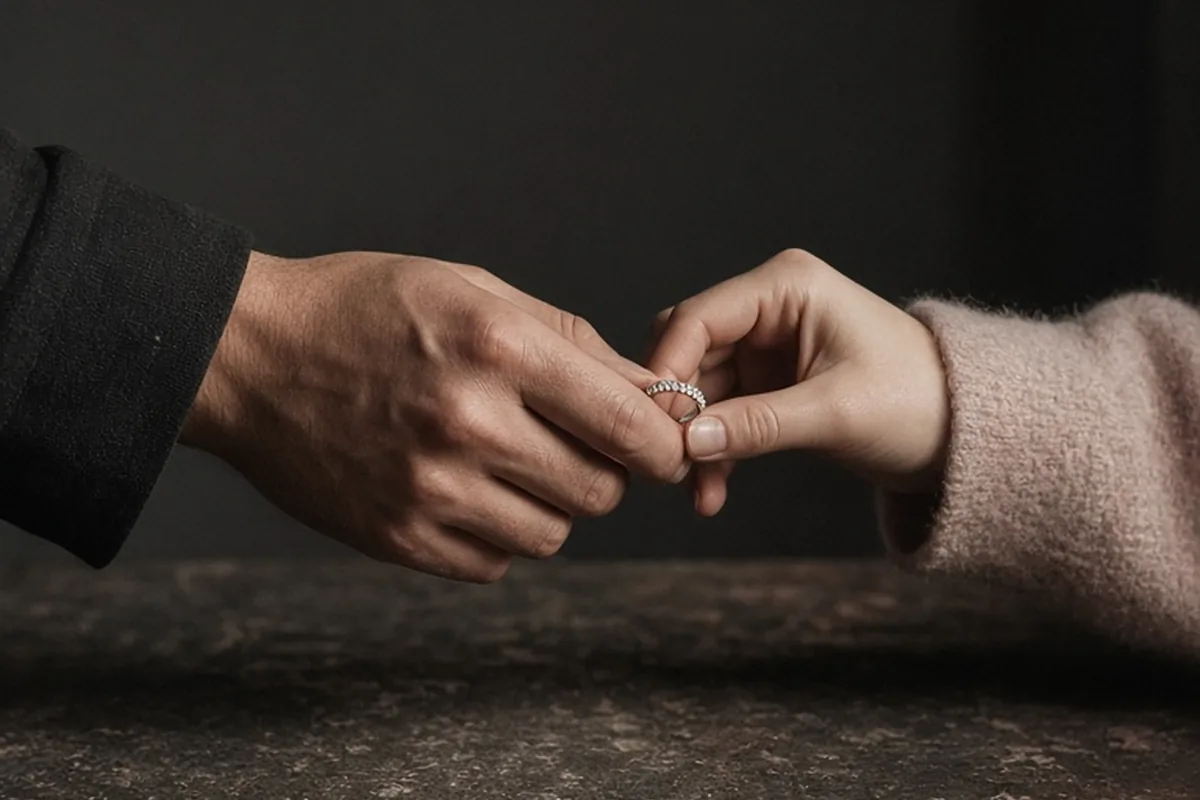
Lab grown diamonds allow couples planning small weddings to prioritize custom design, meaningful family gifts, and statement jewelry without inflating their overall budget. Because lab-created gems share identical chemical and optical properties with mined diamonds at an accessible price point, couples can allocate resources toward heirloom-quality wedding bands, matching day-of bridal party keepsakes, bespoke micro-pavé details, or custom anniversary repurposing projects that complement an intimate ceremony format.
Planning an intimate ceremony or micro-wedding naturally shifts the focus from large-scale guest logistics to personal touches, craftsmanship, and memorable experiences. Choosing lab-created diamonds fits this mindset by giving couples creative freedom to invest in detailed, tailored fine jewelry that reflects their individual taste.
Designing Bespoke Wedding Bands Tailored to an Intimate Setting
In a micro-wedding, the small guest count puts design details in sharp focus. Rather than selecting standard, off-the-shelf bands, couples often use the cost flexibility of lab-grown diamonds to work directly with an independent jeweler on custom bridal sets. Bespoke curved or contoured bands can be engineered to frame an engagement ring seamlessly, utilizing custom-cut side stones like baguettes, marquise cuts, or tapered pears to build an architectural profile.
Couples can also explore flush-set or bezel-set lab diamonds along the inside or perimeter of the band. For example, a hidden diamond set into the interior shank next to an engraved personal vow provides a private, sentimental detail. Others opt for mixed-metal bands featuring alternating diamond shapes, creating an artistic stack that stands out during close-knit celebrations where every guest interacts with the couple up close.
Gifting Meaningful Lab Grown Jewelry to Immediate Family and Micro-Parties
Small weddings often feature very small wedding parties or immediate family members standing beside the couple. This dynamic makes high-end, unified gifts much more feasible. Incorporating lab-grown diamond stud earrings, delicate solitaire pendants, or bezel-set chain bracelets as wedding morning gifts allows couples to thank their closest circle with lasting fine jewelry rather than disposable novelty items.
To make these pieces distinctive, jewelers can coordinate the diamond shapes across gifts, such as choosing emerald-cut lab stones for both the bride's pendant and the mothers' earrings. Because lab diamonds allow for consistent color and clarity across multiple items without steep price premiums, creating a cohesive, heirloom-grade collection for a group of four to eight guests becomes a practical reality.
Elevating Ceremony Ring-Warming and Exchange Rituals with Lab-Created Pieces
Intimate ceremonies allow for interactive traditions that are impractical at 200-person events. One popular example is a ring-warming ritual, where the wedding rings are passed among all attending guests to hold and imbue with silent blessings before the vows. When bands feature intricate lab diamond pavé or channel settings, presenting the rings in a custom ceramic dish, carved wooden box, or glass case lets guests admire the light performance and craftsmanship firsthand.
Couples can also use multiple smaller lab diamonds to represent blended families or children during the ceremony. A three-stone ring or a band set with a distinct diamond for each family member can be presented during dedicated vow exchanges. This turns the physical jewelry into a tangible centerpiece of the ceremony narrative rather than a brief transactional moment.
Evaluating Diamond Cut and Proportions for Close-Up Wedding Photography
Micro-weddings and elopements generally invest heavily in documentary-style photography and detail shots. Photographers frequently capture macro images of hands, invitation suites, floral arrangements, and rings. Because every facet is visible under macro lenses, prioritizing cut quality over raw carat weight is essential when selecting lab-grown diamonds.
Choosing stones with an 'Excellent' or 'Ideal' cut grade ensures crisp symmetry, strong light return, and no dark dead spots under natural or candlelit lighting. For fancy shapes like ovals, pears, and radiants, inspect high-definition video files to avoid prominent bowtie effects. With lab diamonds, achieving top-tier color grades in the colorless range (D, E, or F) and eye-clean clarity (VS1 or VVS2) is straightforward, ensuring the jewelry looks flawless in high-resolution photo albums.
Selecting Precious Metals and Durable Settings for Micro-Ceremony Venues
Small weddings often take place in non-traditional venues, such as national parks, coastal cliffs, private villas, or botanical gardens. The setting of your lab diamond jewelry should match the physical demands of your venue and lifestyle. For outdoor ceremonies involving light hiking or unpredictable weather, protective settings like bezels, half-bezels, or low-profile flush mountings prevent prongs from catching on outerwear or delicate fabrics.
Metal choice also plays a major role in long-term maintenance. Platinum offers exceptional density and natural white luster without requiring periodic rhodium replating, making it ideal for securely holding center stones. Alternatively, 14-karat gold offers higher scratch resistance than 18-karat gold due to its alloy composition, serving as a reliable option for active couples who plan to wear their rings through travel, outdoor adventures, and daily routines.
Repurposing Loose Lab Grown Diamonds for Milestone Heirlooms and Keepsakes
An intimate wedding often marks the start of a broader tradition of personalized jewelry collecting. Because loose lab-grown diamonds are readily available in varied calibrations, couples can plan for modular jewelry designs that evolve over time. An engagement solitaire can be paired with an anniversary jacket band or later reset into a pendant when upgrading or remodeling bands for milestone anniversaries.
Couples can also purchase matching loose lab stones during their wedding planning to hold for future life events, such as the birth of a child or a vow renewal. Working with a dedicated bench jeweler who maintains digital CAD files of your original wedding bands ensures that future additions match the prong styles, metal alloys, and diamond proportions of your existing pieces.
Navigating Certification and Quality Verification for Lab Grown Gems
When purchasing lab-grown diamonds for wedding jewelry, independent grading reports remain the gold standard for verifying authenticity and quality. Respected gemological laboratories, such as the Gemological Institute of America (GIA) and the International Gemological Institute (IGI), evaluate lab diamonds using the same 4Cs criteria as mined stones, noting the growth method—such as Chemical Vapor Deposition (CVD) or High Pressure High Temperature (HPHT).
Verify that your chosen diamond features a microscopic laser inscription on the girdle matching the grading certificate number. This provides proof of identity for insurance appraisals and jewelry servicing. Before finalizing any purchase, confirm the retailer's return window, warranty coverage for loose prongs or stone replacement, and appraisal documentation so you can secure a dedicated jewelry insurance policy before the wedding day.
Frequently asked questions
Are lab grown diamonds real diamonds suitable for daily wedding wear?
Yes. Lab grown diamonds have the identical carbon structure, optical properties, and hardness rating of 10 on the Mohs scale as mined diamonds. They resist scratching and retain their brilliance through daily wear exactly like natural diamonds.
Which growth method is better for wedding diamonds, CVD or HPHT?
Both Chemical Vapor Deposition (CVD) and High Pressure High Temperature (HPHT) can produce top-grade gem-quality diamonds. Rather than focusing solely on the growth method, evaluate the individual stone's independent grading report for cut, color, clarity, and visual performance.
Can jewelers tell the difference between lab grown and mined diamonds during ring maintenance?
A bench jeweler cannot distinguish a lab diamond from a mined diamond with a standard loupe or thermal tester. They must use specialized gemological spectroscopy equipment or read the laser inscription on the stone's girdle.
Can I insure lab grown diamond wedding bands?
Yes. Most major jewelry insurance providers and homeowners policies cover lab-grown diamonds against theft, loss, and damage. You will need the grading report and a formal purchase appraisal from your jeweler to establish the replacement value.
Your next step
Schedule a design consultation with a custom bench jeweler to review loose, certified lab diamonds under magnification before finalizing your setting specifications.