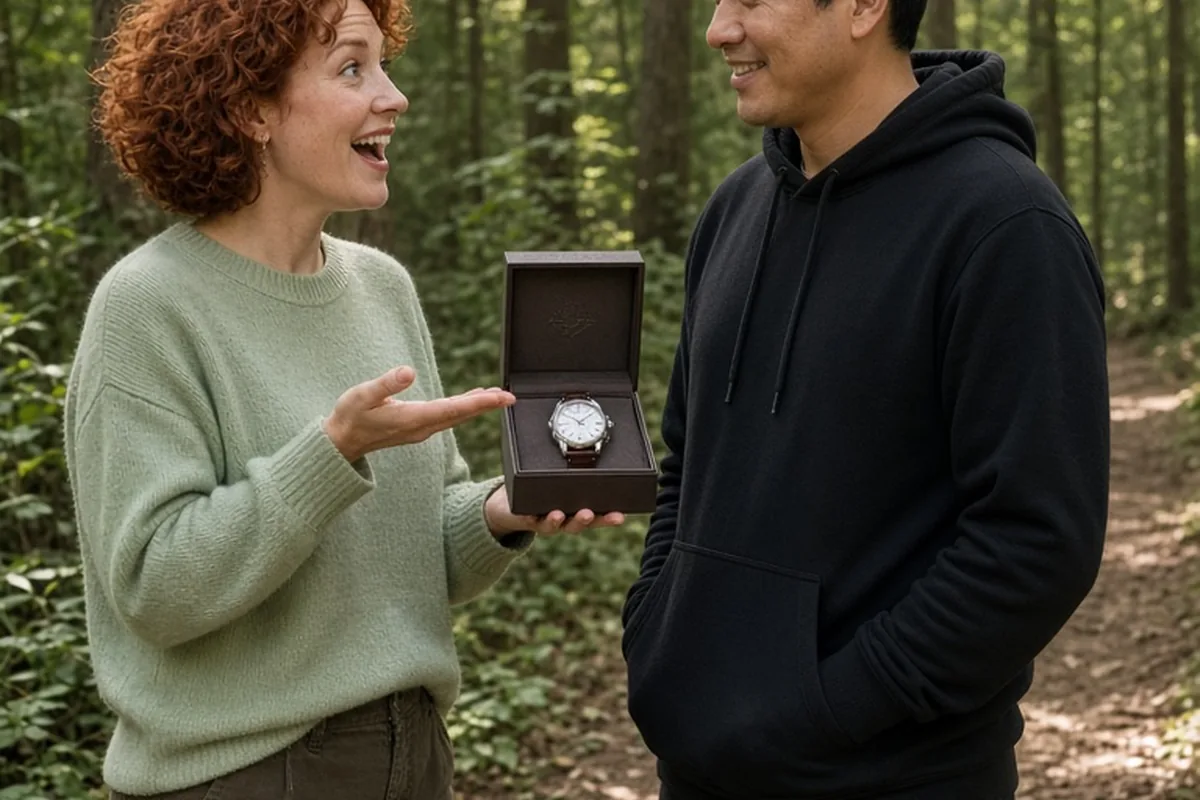
A leap year proposal refers to the cultural tradition where a woman proposes marriage to her partner on Leap Day, February 29. While rooted in centuries-old European folklore, modern couples treat it as an empowering, lighthearted opportunity to bypass traditional gender roles. A leap year proposal works well if you already share mutual marital intentions, value equal initiative in your relationship, and want a memorable date, provided you consider your partner's personal comfort regarding proposal dynamics.
For generations, traditional relationship scripts placed the responsibility of asking for marriage almost entirely on one partner, leaving the other to wait for an ambiguous timeline. Leap Day historically served as a recognized exception to that unwritten rule, providing a playful social pass to turn tradition upside down. While you never need a calendar quirk to take the lead in your own life, February 29 still provides an intentional, distinctive moment for couples ready to define their future on their own terms.
The Folklore Behind Leap Day Proposals and How It Shifted Today
The convention of women proposing on Leap Day is commonly traced back to fifth-century Irish folklore involving Saint Brigid of Kildare and Saint Patrick. According to legend, Brigid voiced concern to Patrick about women having to wait indefinitely for suitors to propose, prompting Patrick to decree that women could initiate marriage once every four years. A related historical tale claims that in 1288, Queen Margaret of Scotland enacted a law permitting women to propose on Leap Day, allegedly imposing a fine of a silk gown or a pair of gloves on any man who refused. While historians debate whether such a law was ever formally codified, the cultural narrative took root across Europe and later spread through American popular culture in the nineteenth and twentieth centuries.
In their historical context, these customs were often framed around rigid gender expectations. Allowing women to propose for a single day every four years functioned partly as a pressure valve or a humorous novelty, rather than an endorsement of everyday equality. If a woman proposed outside of Leap Day, societal norms frequently labeled the act improper or desperate. In contrast, modern relationships approach the tradition from an entirely different foundation. Rather than asking for permission, contemporary partners view February 29 as a fun, historically resonant backdrop for taking proactive ownership of their romantic future.
Determining If Proposing to Your Partner Fits Your Relationship Dynamic
Taking the initiative to propose is deeply empowering, but it is important to reflect on your specific partner and the dynamic you have built together. People carry diverse associations with romantic milestones. Some partners feel immense relief and excitement when their significant other asks, viewing it as a powerful confirmation of love and shared agency. Other partners may have harbored a lifelong desire to orchestrate a traditional proposal themselves, or they may feel self-conscious about deviating from established conventions in front of friends and family.
A successful proposal requires separating the surprise of the moment from the decision to get married. Proposing should never serve as a speculative test to find out if your partner actually wants marriage. Before you plan a proposal for February 29, you should already know with high certainty that you both want to spend your lives together. Look for clear, observable signs of shared commitment, such as previous mutual conversations about long-term goals, shared financial perspectives, and joint discussions about timelines. When the foundation of mutual intent is solid, choosing to be the one who asks becomes a joyful expression of certainty rather than a risky gamble.
Conversations to Have Before Choosing Leap Day to Pop the Question
If you want to keep the exact date and details a romantic surprise, you can still gauge your partner's perspective on non-traditional proposals through low-stakes, hypothetical discussions. Bringing up a friend's recent engagement, a storyline in a book, or a news article about modern wedding trends provides an easy entryway. You might ask a simple, open-ended question such as, 'How would you feel if a woman proposed to her partner?' or 'Did you grow up imagining yourself doing the asking, or would you ever want to be on the receiving end?'
Pay close attention to their unforced reaction. If your partner responds enthusiastically and suggests that being asked sounds romantic or thoughtful, you have clear context to move forward. If they hesitate, express discomfort, or voice a strong preference for carrying out the tradition themselves, that feedback is invaluable. Respecting their preference is not a sign of outdated thinking; it is an acknowledgment of their personal feelings about a major life milestone. Additionally, ensure you understand their tolerance for public attention. An intimate, private moment at home may feel deeply touching to someone who would feel paralyzed by a public spectacle in a crowded restaurant.
Selecting a Ring, Watch, or Meaningful Token for Your Partner
One practical challenge of flipping the proposal script is deciding what physical symbol to present. Traditional bridal jewelry is heavily oriented toward women, which can leave someone proposing to a man or non-binary partner wondering what to place in the box. Many people choose to propose with a classic men's band made from metals like gold, platinum, titanium, or tungsten. This band can either serve as an engagement ring that they wear on their left hand until the wedding, or transition directly into their permanent wedding band once married.
Jewelry, however, is far from the only meaningful choice. A high-quality watch is one of the most popular alternatives, offering a durable, daily keepsake that naturally symbolizes the time you have spent together and the future ahead. You can even have the case back subtly engraved with the Leap Day date. Other couples opt for sentimental placeholder items, such as an engraved pocket compass, a personal piece of art, or a simple placeholder band. Using a placeholder allows you to preserve the physical ceremony of opening a box while keeping the door open to shop for permanent rings together afterward, ensuring both partners get pieces they genuinely love wearing.
Designing a Leap Year Proposal That Feels Authentic, Not Gimmicky
The unique nature of February 29 makes it naturally memorable, but the setting should reflect your personal relationship rather than the calendar novelty. You do not need an elaborate, theatrical stunt unless that matches your partner's specific personality. Often, the most memorable proposals are those rooted in familiar, meaningful settings: a quiet walk along your regular weekend route, a homemade meal celebrating a shared memory, or a private weekend getaway where you can focus entirely on one another.
When preparing what you want to say, focus on specific reasons why you are choosing this person and this partnership. Acknowledge the intention behind your decision to ask. You can lean playfully into the Leap Day theme—mentioning that an extraordinary partner deserves an extraordinary date—while anchoring your core message in vulnerability and genuine commitment. Focus on emotional clarity rather than memorizing a rigid script. Expressing what you admire about them, how your life has grown alongside theirs, and what you look forward to building together will always resonate more deeply than generic romantic phrasing.
Navigating Family Reactions and Traditional Expectations with Confidence
Even in progressive communities, choosing an unconventional proposal dynamic can occasionally invite unsolicited opinions or awkward questions from extended family members and friends. Relatives accustomed to strict conventions might ask questions like, 'Did he say yes?' or 'Are you sure you didn't want to wait for him to ask you?' These comments rarely stem from malice; more often, they reflect generational conditioning or surprise at seeing a familiar ritual performed differently.
The most effective way to handle outside commentary is with a calm, united front. You and your partner do not owe anyone an elaborate defense of your choices. A simple, gracious response works best: 'We build our life together as equal partners, and taking this step felt completely natural and right for us.' When you speak about the proposal with warmth, confidence, and mutual joy, you quickly redirect the focus away from traditional rules and back to what truly matters—celebrating your commitment to one another.
What to Do If February 29 Arrives Before You Are Ready
Because Leap Day only occurs once every four years, it is easy to feel an artificial sense of urgency as the date approaches. If February 29 is on the horizon but you and your partner have not yet reached clarity on key life decisions—such as financial transparency, career priorities, living arrangements, or whether you want children—do not rush a proposal simply to capitalize on the date. A memorable calendar day is never worth bypassing the necessary foundations of a healthy marriage.
Missing a specific Leap Year date does not diminish your personal initiative or autonomy in any way. You do not need a four-year calendar anomaly to propose to the person you love. Modern relationships allow either partner to initiate a conversation about marriage, plan a proposal, or propose directly on any day of the year. Prioritizing genuine emotional readiness over a symbolic date ensures that when you do take the step, it is built on stability, mutual respect, and long-term security.
Frequently asked questions
How do couples celebrate an engagement anniversary that takes place on February 29?
Most couples who get engaged or married on Leap Day celebrate on February 28 or March 1 during non-leap years. Every four years, when the actual date appears on the calendar, they often plan a larger, milestone celebration to mark the official day.
What should you do if your partner wanted to be the one to propose?
If you discuss marriage and realize your partner holds a strong personal desire to plan the proposal, respect their preference. You can still initiate the conversation, share your readiness for marriage, and give them the space to organize the moment they have envisioned.
Is it customary for both partners to wear engagement rings after a non-traditional proposal?
There is no strict rule governing who wears an engagement ring. Some couples choose for both partners to wear rings leading up to the wedding, while others opt for only one partner wearing a ring, or use watches and heirlooms as alternative symbols.
Your next step
Set aside an evening this week to have a relaxed, open conversation with your partner about your shared future, exploring how you both view proposal traditions before purchasing a token or planning a Leap Day surprise.