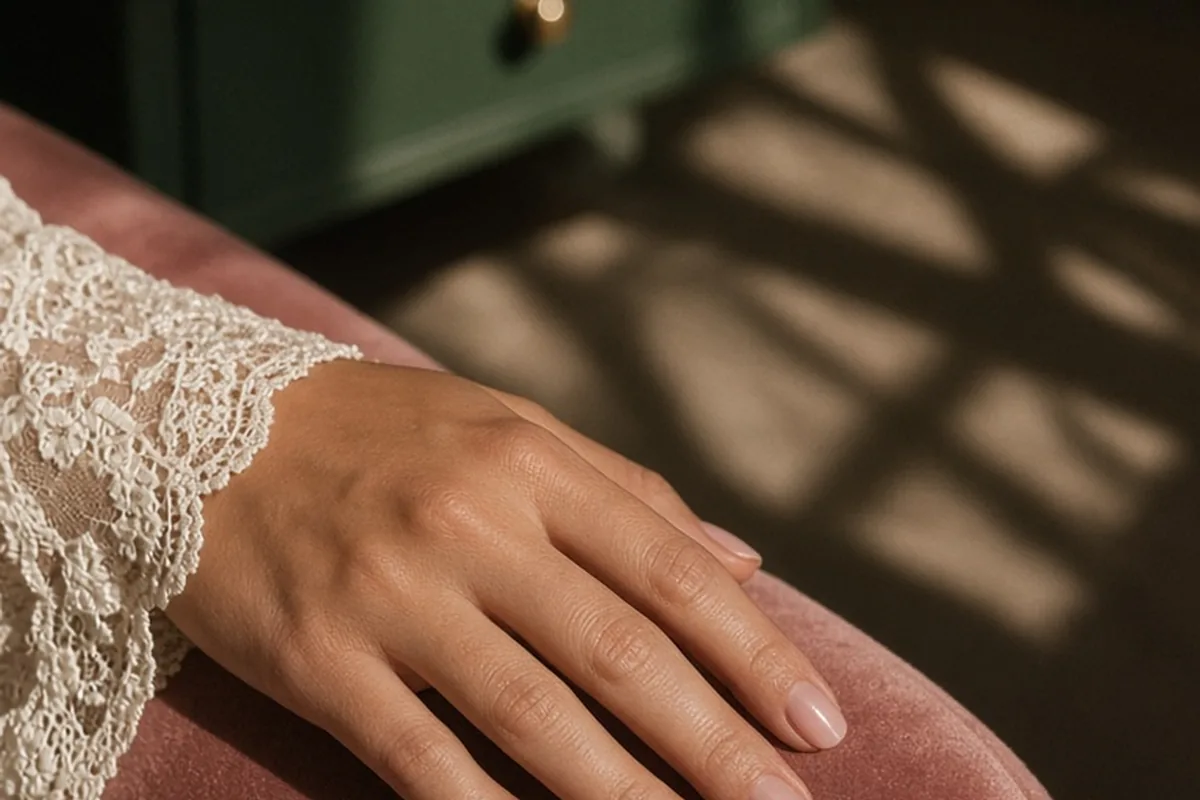
A manicure for short nails for a wedding emphasizes clean shaping, neat cuticle care, and polished finishes that complement bridal jewelry and attire. Classic choices include sheer milky pinks, soft neutrals, micro French tips, and subtle chrome glazes on squoval or soft-round shapes. Short bridal manicures look chic, feel comfortable, and avoid the risk of snagging delicate lace, tulle, or jewelry during the celebration.
While dramatic extensions often dominate bridal beauty boards, natural short nails provide an understated, timeless elegance that never competes with your ring, dress, or personal aesthetic. Choosing to wear your natural length means your hands look effortless in close-up ring photos, feel completely functional through hours of greeting guests, and require far less anxiety about sudden breaks.
Selecting the Most Flattering Nail Shape for Short Lengths
The architecture of your nail shape sets the foundation for the entire manicure, particularly when working with shorter lengths. A common misconception is that short nails cannot create an elongated silhouette for the hands. By tailoring the shape to the natural contour of your cuticle line and finger width, you can create a balanced, graceful appearance that flatters your ring in every close-up photo.
Soft-round and squoval shapes are widely considered the most versatile options for shorter nail beds. A soft-round edge follows the natural curve of the fingertip, softening wider nail beds and reducing the risk of side-wall catching on fabric. Squoval—a square tip with softened, rounded corners—offers a modern, tailored aesthetic that provides structural stability without the harshness of a sharp square edge. For those with slightly longer natural beds, a subtle, short oval can add gentle length while preserving the integrity of the natural nail.
When deciding on your shape, balance visual preference with daily habits. Sharp square corners can snag easily on lace veils or beaded bodices, while overly aggressive tapering on very short nails can weaken the sidewalls. The goal is to choose a contour that enhances your natural nail anatomy without forcing a silhouette that requires constant maintenance or risks peeling before you walk down the aisle.
- Soft Round: Mimics the natural finger curve to lengthen short nail beds and prevent edge chipping.
- Squoval: Blends straight-edge modern polish with rounded corners to resist snagging on bridal fabrics.
- Short Oval: Gently tapers toward the center to elongate fingers on slightly extended natural plates.
Timeless Color Palettes and Subtle Sheer Finishes
Short nails carry sheer and translucent polishes exceptionally well because the clean edge of the natural nail bed creates a tidy, intentional look rather than an unfinished one. Soft, translucent pinks, warm alabasters, and milky whites impart a refreshed, healthy glow that seamlessly pairs with traditional ivory, champagne, and bright white gowns.
To find the most flattering shade, evaluate the undertones of your skin alongside your wedding metal palette. Cool undertones with platinum or white gold jewelry harmonize beautifully with cool sheer pinks, lilac-tinted neutrals, and crisp porcelain tones. Warm skin tones paired with yellow or rose gold shine next to peach-infused creams, warm nude glazes, and soft beige. A sheer wash often photographs better than a flat, opaque white, which can sometimes appear heavy or stark under direct flash photography.
A major benefit of semi-sheer and natural neutral tones is their forgiving nature. If a minor chip or slight regrowth occurs between your rehearsal dinner and reception, translucent shades mask the imperfection far better than dense, saturated hues. However, if your wedding style embraces bold expression, deep burgundy, modern navy, or classic crimson on neatly trimmed short nails delivers a sophisticated, high-fashion statement that looks deliberately curated.
- Milky White: Offers a soft, clouded brightness that harmonizes with silk, lace, and satin gowns.
- Blush Neutral: Blends warm rose and beige undertones to accentuate glowing skin and gold bands.
- Glazed Chrome: Imparts an ethereal, light-reflecting sheen that catches candlelight during evening receptions.
Bridal Nail Art Scaled for Shorter Nail Beds
Nail art on shorter lengths requires careful attention to scale and negative space. Intricate, multi-layered designs can quickly overwhelm a compact nail plate, making the hand appear visually crowded. Minimalist accents, by contrast, introduce personality, modern style, and celebratory sparkle while keeping the overall impression refined and balanced.
The micro French manicure—often called the baby French—is one of the most effective techniques for short nails. Unlike traditional thick French tips, a micro French uses an ultra-fine, razor-thin line along the free edge. This defines the tip without truncating the visible nail bed. Pairing a crisp white, metallic gold, or subtle silver micro tip over a sheer base instantly draws the eye outward, creating an illusion of additional length.
Other elegant accents include tiny pearl studs placed near the cuticle base, delicate metallic foil flecks, or subtle hand-painted botanical lines. When planning accent art, limit decorative elements to one or two accent fingers, such as the ring finger, or keep the design consistent across all ten nails using an extremely light hand. This deliberate restraint ensures your manicure complements your bridal jewelry rather than distracting from it.
- Micro French Tip: Uses an ultra-thin line along the edge to define shape without shortening the nail.
- Cuticle Pearl Accents: A single miniature half-pearl at the cuticle base for tactile, vintage-inspired elegance.
- Negative Space Foil: Organic flecks of gold or silver leaf that catch the light against a bare-skin base.
Comparing Gel, Builder Gel, Dip Powder, and Regular Polish
Selecting the right polish formula determines how well your manicure withstands pre-wedding setup, champagne toasts, and honeymoon travel. Each formula offers distinct benefits and trade-offs regarding flexibility, durability, and removal process, making it important to align your choice with your natural nail health and schedule.
Soft gel polish remains the standard bridal favorite because it cures instantly under an LED lamp, provides high-gloss shine, and resists chipping for up to two weeks. For brides seeking added strength without full acrylic extensions, Builder in a Bottle (frequently called BIAB or structured gel) provides a flexible, reinforcing overlay. This overlay protects brittle short nails from bending or peeling under stress while allowing the natural nail underneath to stay protected.
Dip powder provides an exceptionally hard shell, which is helpful if your hands are prone to heavy wear, but its application can occasionally look thicker on very short nails if not applied by an experienced technician. Traditional air-dry lacquer offers the simplest removal and zero nail plate thinning, but it remains vulnerable to dents and scratches during packing, traveling, and dressing on the morning of the wedding.
- Soft Gel: Flexible, high-shine finish with two-week durability; ideal for standard bridal timelines.
- Builder Gel (BIAB): Adds structural reinforcement to fragile nails to prevent pre-event breakage.
- Dip Powder: Extremely durable and rigid, though requires meticulous application to avoid excess bulk.
- Traditional Lacquer: Gentle and easy to remove, but requires prolonged drying time and offers less chip resistance.
The Pre-Wedding Hand and Cuticle Preparation Timeline
A flawless short manicure depends heavily on the condition of the surrounding skin and cuticles. Because short nails reveal more of the fingertip, dry cuticles, hangnails, or rough skin become more noticeable in ring portraits. Establishing a consistent hand care ritual four to six weeks before the wedding ensures your skin is soft, plump, and healthy.
Begin by applying a nourishing cuticle oil containing jojoba or squalane daily, followed by a barrier hand cream before bed. Consistent hydration increases natural nail flexibility, making them less prone to splitting along the edges. Avoid aggressive trimming of living cuticle tissue; instead, ask your nail artist to gently push back and tidy the non-living eponychium to maximize the visible surface of the nail bed safely.
Schedule a trial manicure roughly two to three weeks before your wedding date. Use this appointment to test your chosen color against your gown swatch, check how the shape feels during daily tasks, and verify that your skin does not react to any professional products. Book your final wedding manicure one to two days before the celebration to ensure maximum gloss and fresh edges.
- 4 to 6 Weeks Out: Apply cuticle oil twice daily and wear protective gloves during cleaning chores.
- 2 to 3 Weeks Out: Conduct a full manicure trial to finalize shade, nail shape, and nail art scale.
- 1 to 2 Days Out: Receive the final service to guarantee pristine cuticles and zero pre-wedding wear.
Day-of Hand Care and Ring Photography Techniques
On the morning of the wedding, minor details elevate how your short manicure appears in professional portraits. Hands are frequently in the frame during preparation shots, buttoning the gown, holding the bouquet, and exchanging rings. A quick touch-up routine keeps your hands looking smooth without transferring greasy residue onto bridal fabrics.
Apply a fast-absorbing hand serum or lightweight lotion thirty minutes before your photographer arrives, taking care to wipe the surfaces of your nail plates clean with a dry cloth to restore their mirror-like shine. Avoid heavy oils right before handling delicate silks, satins, or lace, as oils can leave visible marks on clothing and diminish the clarity of your diamond or gemstone in macro photography.
When posing for close-up ring shots, relax your fingers into a soft, slightly curved drape rather than pressing them flat against your partner's hand or chest. Lightly resting the thumb behind the fingers visually elongates the hand, allowing your clean, short manicure to frame your wedding band naturally without feeling posed or rigid.
- Morning Hydration: Use non-greasy moisturizing lotions well in advance of dressing to protect delicate fabrics.
- Plate Buffing: Wipe the nail surface with a clean microfiber cloth to remove product buildup before photos.
- Relaxed Posing: Soften knuckles and curve fingers gently to create elongated, flattering hand lines.
Frequently asked questions
Can I get a French manicure if my nails are very short?
Yes, a micro French manicure is specifically tailored for very short nails. It uses an ultra-fine, precise line along the free edge that accentuates your natural shape without cutting off the nail bed visually.
When should I get my wedding manicure done before the event?
The ideal window is one to two days before your wedding ceremonies begin. This ensures the polish remains pristine and glossy while leaving ample time in your schedule for rehearsal commitments.
Will short nails look good with my wedding ring in close-up photos?
Short, well-groomed nails look exceptionally elegant in ring photography because they keep the focus squarely on your ring and flowers. Clean cuticles, balanced shaping, and a luminous sheer shade produce a sophisticated, timeless look.
Should I choose gel or regular polish for short bridal nails?
Gel polish or structured builder gel is generally recommended for weddings because it dries instantly and resists chipping through rehearsal dinners, dressing, and receptions. Regular polish works well if you prefer effortless removal, provided it is applied carefully the day prior.
Your next step
Book a trial manicure appointment two to three weeks before your wedding to test your preferred shape, sheer shade, and nail art in natural lighting alongside your jewelry.