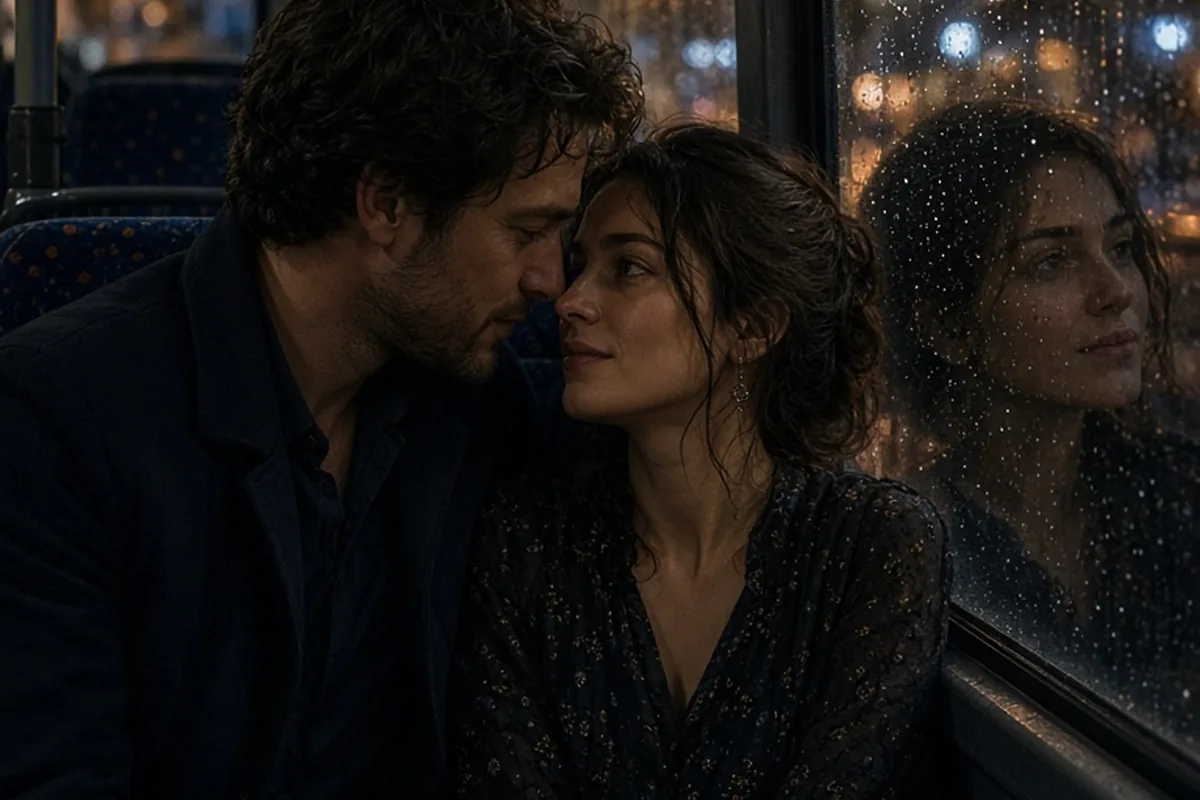
Micro wedding alternatives are non-traditional event formats for couples who want to bypass the standard 20- to 50-guest scaled-down wedding model. Common alternatives include two-person adventure elopements, elevated courthouse ceremonies followed by restaurant private dining, multi-day family retreat buyouts, sequential celebrations with split guest groups, and all-inclusive pop-up ceremonies. These formats help couples prioritize intimacy, travel, or curated hospitality while eliminating traditional production stress.
While micro weddings offer an intimate headcount, they often retain the full coordination burden of a traditional wedding, including venue minimums, decor sourcing, and complex vendor timelines. Couples seeking a truly simplified or distinct experience frequently look beyond scaled-down ballrooms to find formats that better reflect their values and practical priorities.
Why Standard Micro Weddings Fall Short for Some Couples
A micro wedding typically replicates the exact schedule, vendor roster, and formal expectations of a large wedding, merely condensing the guest count to between twenty and fifty people. Couples must still source an officiant, wedding planner, floral designer, rental company, caterer, and entertainment. In many regional markets, commercial wedding venues charge similar baseline site fees regardless of whether fifty or one hundred guests attend, because the staffing, insurance, and operational overhead remain relatively fixed.
When couples realize that a micro wedding still requires months of timeline management, seating charts, and complex vendor logistics, the appeal can diminish. True alternatives reconsider the entire event architecture rather than just trimming the invitation list. By stepping away from the standard ceremony-cocktail-reception pipeline, you can reallocate your budget toward high-impact shared experiences, stress-free hospitality, or meaningful solo moments without the pressure of entertaining a traditional audience.
Adventure Elopements and Off-Grid Vow Exchanges
An adventure elopement strips away all audience expectations, focusing exclusively on the couple or an ultra-small group of fewer than ten immediate family members. These celebrations typically take place in scenic outdoor environments such as national parks, coastal bluffs, alpine trails, or remote desert overlooks. Instead of orchestrating a reception dinner with formal speeches, the day is structured around a shared activity, such as a sunrise hike, a scenic off-road drive, or a private boat charter.
Choosing an adventure elopement requires specific planning around land-use permits, leave-no-trace ethics, and weather resilience. Most state and federal public lands require a special use permit for commercial photography and organized ceremonies, which must be secured several months in advance. You also need to plan for wardrobe logistics, such as packing attire into hiking gear, and arrange an officiant or verify self-solemnization laws depending on the state where the ceremony occurs.
Courthouse Ceremonies with Private Restaurant Dining
Pairing a civil ceremony at a historic city hall with a buyout of a private dining room at an exceptional restaurant is one of the most seamless alternatives to a micro wedding. This approach provides professional ambiance, world-class culinary service, and refined atmosphere without requiring outside event rentals, linens, or separate catering staff. The restaurant already possesses the infrastructure, staff, glassware, and ambiance needed for a memorable dinner.
To execute this format successfully, research civil marriage appointment schedules well ahead of your target date, as prominent city halls often book their civil time slots weeks or months out. When coordinating with restaurants, evaluate food and beverage minimums rather than venue hire fees. A private dining room contract typically covers food, wine, and dedicated service staff, allowing you to focus your attention on personal touches like custom menus or intimate floral centerpieces rather than tenting and audiovisual setups.
Multi-Day Destination Retreats with Immediate Family
Rather than spending a wedding budget on a single five-hour event, a multi-day retreat consolidates lodging, dining, and celebration into a relaxed weekend gathering. Couples rent a private estate, a cluster of cabins, or a boutique lodge for twelve to twenty close relatives and friends. The itinerary prioritizes unhurried connection, shared meals prepared by a private chef, local excursions, and an informal evening ceremony on the property grounds.
When vetting properties for an intimate retreat, verify commercial event policies and local noise ordinances directly with the property management. Many residential vacation rental platforms prohibit events of any size, so looking for licensed boutique hospitality properties or dedicated estate rentals is essential. Ensure the property offers comfortable communal spaces for gathering alongside sufficient private bedrooms so guests of different generations can rest comfortably.
Sequential Celebrations and Split-Event Formats
A sequential wedding separates the legal, emotional, and social components of getting married into distinct events held on different days or times. For instance, a couple might hold a private, solemn ceremony with parents and siblings on a Friday morning, followed by a relaxed brewery reception, cocktail party, or backyard barbecue for extended friends and colleagues on Saturday evening.
This structural separation eliminates the tension between wanting an intimate, vulnerable vow exchange and wanting a lively party with a broader social circle. It also reduces per-guest catering costs for the main ceremony while allowing the secondary party to adopt a casual, low-maintenance format. Clear communication is critical for sequential events; your invitations should clearly specify the nature of the gathering so guests understand that the reception is an informal celebration rather than a traditional seated wedding program.
Turnkey Pop-Up Weddings and Shared Venue Slots
Pop-up weddings offer an all-inclusive, professionally designed ceremony experience by sharing venue space and vendor setups across multiple couples throughout a single weekend. A coordination company typically books a premier venue, hires a high-end floral designer, contracts an officiant, and schedules a professional photographer. Each couple receives a dedicated time window—usually ninety minutes to two hours—for their ceremony, portrait session, and a light champagne toast with ten to twenty guests.
The primary advantage of a pop-up wedding is the dramatic reduction in planning effort and production cost while retaining high-end visual aesthetics. The trade-off lies in customization; couples select from preset design concepts and must adhere strictly to their allotted time window. This format is ideal for couples who value polished photography and an elevated setting but have no desire to select flatware, review vendor contracts, or oversee day-of teardown.
Navigating Vendor Contracts and Guest Communications
Choosing an alternative celebration format requires clear, proactive communication with both vendors and family members. When hiring photographers, florists, or hair and makeup artists for non-traditional events, request custom hourly coverage or elopement packages rather than standard eight-hour full-day wedding contracts. Clarify whether your timeline involves travel between locations, such as moving from a courthouse to an urban park and then to a restaurant.
Managing guest expectations is equally important, particularly when departing from family traditions. Send a warm, decisive announcement explaining your chosen format early in your planning timeline. Framing your choice around intimacy, personal comfort, or a shared travel goal helps loved ones understand your decision as a deliberate, positive expression of your partnership rather than an exclusion.
Frequently asked questions
How do costs differ between a micro wedding and its alternatives?
Micro weddings often incur standard venue fees, minimum catering charges, and full-day vendor packages that keep overall costs relatively high despite fewer attendees. Alternatives like private dining or elopements replace venue rental fees with food and beverage minimums or permit fees, channeling the budget directly into hospitality, travel, or savings.
Will close family members feel excluded if we choose an alternative wedding format?
Family reactions vary based on expectations, but clear and affectionate communication minimizes hurt feelings. Many couples include immediate family in a private dinner or weekend retreat, or share professional photos and host an informal gathering later to celebrate with extended circles.
What legal steps are required for an outdoor adventure elopement?
You must secure a valid marriage license from the appropriate local jurisdiction, verify whether an officiant and witnesses are legally required in that state, and obtain any required special-use permits from the local, state, or national park authority managing the land.
Your next step
List your three non-negotiable priorities—such as stress reduction, gourmet dining, or scenic travel—and choose the specific alternative format that fulfills those priorities without requiring standard wedding production.