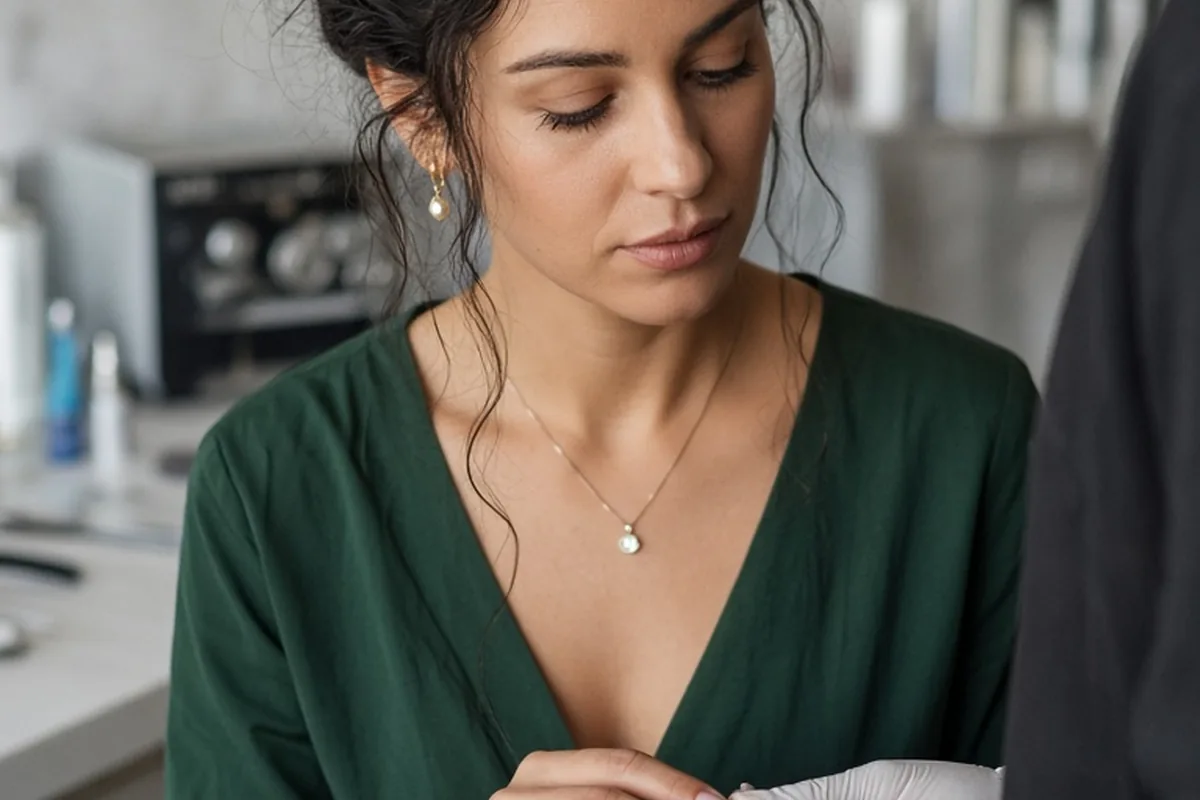
To protect nail salon hygiene for a wedding, choose establishments that use medical-grade autoclaves or sealed sterile tool pouches, single-use buffers and files, and pipeless or lined pedicure basins. Ensure technicians wash hands, wear clean gloves, and push back cuticles rather than cutting them. Booking your appointment two to three days before the ceremony ensures clean, chip-resistant nails while guarding against accidental skin infections or ring-finger inflammation.
Bridal hands draw constant attention throughout a wedding day, from ring exchanges and bouquet holds to macro photography and celebratory toasts. While a pampering salon session is a cherished pre-wedding ritual, busy salon environments operating under tight weekend schedules can occasionally cut corners on sanitation. Understanding baseline hygiene standards ensures your bridal beauty preparation remains a relaxing, safe experience rather than an unexpected source of wedding week stress.
Evaluating Salon Sterilization Methods and Tool Packaging
Metal implements such as cuticle pushers, nippers, and nail clippers come into direct contact with micro-abrasions and skin folds, making rigorous sterilization vital. A salon operating under professional sanitation standards relies on a medical-grade autoclave, which uses high-pressure steam and heat to eradicate bacterial, fungal, and viral contaminants. Liquid chemical soaks, often tinted blue or purple in glass counter jars, serve strictly as hospital-grade disinfectants for non-critical tools rather than complete sterilizers. For these solutions to be effective, implements must remain fully submerged for the manufacturer-mandated contact time, which is typically ten minutes after thorough pre-cleaning with soap and water.
When arriving for your bridal appointment, observe how the technician prepares your station. Sterile metal implements should emerge directly from a sealed sterilization pouch featuring an internal chemical indicator strip that has changed color to confirm successful processing. If a technician pulls loose metal tools from an open drawer, a plastic organizer, or a dry UV light box, those tools have not been adequately sterilized between clients. The trade-off of insisting on autoclave-verified salons is that their service fees may be somewhat higher to offset equipment and staffing investments, but this investment protects your health during a crucial pre-wedding window.
Differentiating Disposable Tools from Multi-Use Equipment
Porous nail accessories represent one of the most common pathways for cross-contamination because their textured surfaces harbor keratin debris, moisture, and microbes that cannot be washed or chemically disinfected away. Standard emery boards, white buffer blocks, pumice stones, and wooden orange sticks are single-use items by regulatory design. A reputable salon will either discard these disposable items in a waste bin in front of you at the end of the service or offer to send them home with you in a clean bag.
Consider bringing a personal manicure kit if you feel uncertain about a salon's single-use policy or if you are getting your nails done at an unfamiliar destination location. High-end salons often package new files and buffers in sealed kits for each guest, incorporating the cost into their bridal menu. While buying your own professional-grade glass file and stainless steel pusher requires minor legwork before the wedding week, it eliminates doubts regarding whether a buffer was reused on a previous client earlier that afternoon.
Pedicure Basin Hygiene and Safe Foot Bath Protocols
Pre-wedding pedicures provide polished toes for rehearsal sandals and honeymoon travels, but pedicure foot spas require careful inspection. Traditional whirlpool tubs feature internal pipes and circulating jets that draw in dead skin cells, oils, and foot products. Over time, these hidden waterways can accumulate stubborn bacterial biofilms that ordinary rinse cycles fail to dislodge. Modern sanitary facilities instead favor magnetic pipeless jets that detach completely for scrubbing, freestanding non-whirlpool ceramic basins, or durable single-use disposable plastic tub liners that prevent bathwater from touching the underlying basin surface.
Your personal preparation also plays an important role in pedicure safety. Avoid shaving, waxing, or using depilatory creams on your legs for at least twenty-four to forty-eight hours before your appointment. Freshly shaved skin contains microscopic nicks and open hair follicles that serve as direct entry portals for environmental microbes found in even moderately clean water. Skipping the razor for two days might feel counterintuitive when prepping for beauty events, but it significantly reduces your risk of skin irritation or bacterial folliculitis before walking down the aisle.
Cuticle Care Practices to Prevent Wedding Week Infections
The cuticle and proximal nail fold serve a critical biological function as a waterproof biological seal guarding the living nail matrix against moisture, yeast, and infectious pathogens. During pre-wedding manicures, technicians frequently offer to trim cuticles flush against the nail plate to create an ultra-clean appearance for photos. However, cutting living tissue with nippers or aggressive electronic files breaks this natural barrier, exposing delicate surrounding tissue to bacteria from hand soaps, bridal bouquets, and makeup products.
An acute infection around the nail, known as paronychia, produces throbbing pain, visible redness, and local swelling within one to three days after skin injury. This is particularly problematic for wedding rings, as a swollen ring finger can make sliding on a wedding band uncomfortable or impossible on the ceremony day. Instruct your manicurist to apply a gentle chemical cuticle remover and push the softened tissue back with a padded pusher rather than trimming living skin. The minor cosmetic difference is negligible in ring photography, while your fingers remain protected from painful swelling.
Strategic Appointment Timing and Wedding Party Logistics
Timing your bridal manicure requires balancing aesthetic longevity with skin recovery. The optimal window for a bridal gel, dip powder, or structured manicure is two to three days before the wedding ceremony. Scheduling your session too early, such as a full week in advance, invites visible regrowth at the nail base and increases the risk of edge lifting or snagging during rehearsals. Conversely, getting your nails done the evening before the wedding leaves zero margin for error should polish need a color adjustment, a nail break unexpectedly, or your skin experience mild localized redness.
Logistical challenges compound when booking appointments for an entire bridal party. Bringing five to ten attendants to a salon simultaneously often stretches technician capacity, causing staff to rush sanitation steps, skip tool contact times, or share equipment between chairs to stay on schedule. To preserve hygiene standards, consider scheduling your wedding party in staggered shifts across the morning, or reserve the very first appointment of the day. First-morning appointments ensure the salon stations have been scrubbed, pedicure basins dried overnight, and your technicians start with fresh energy and clean workstations.
Spotting Red Flags and Communicating Your Standards
A healthy salon experience depends on observable housekeeping practices and professional etiquette. Warning signs that warrant caution include cloudy, debris-filled liquid disinfectant jars on service tables, layers of fine acrylic dust coating lamps and arm rests, and technicians transitioning from one client to the next without washing their hands or putting on fresh disposable gloves. Similarly, strong chemical fumes that cause eye watering or headaches indicate inadequate local exhaust ventilation, suggesting broader maintenance shortcuts.
Speaking up about your hygiene preferences does not have to feel confrontational. You can politely state that you have sensitive skin ahead of your wedding and prefer that your cuticles remain uncut, or politely ask to verify that the implement pouch is newly opened for you. If you observe gross cleanliness failures upon sitting down, it is entirely reasonable to decline the service, pay for any unperformed consultation time if applicable, and depart. Preserving the health and appearance of your hands for your wedding day takes priority over avoiding momentary social awkwardness.
Illustrative Scenarios
Illustrative Scenario: Destination Wedding Manicure Choices
A bride planning a destination wedding intended to book a walk-in salon near her hotel the afternoon before her rehearsal dinner. Upon arriving, she observed nail dust accumulated on tabletops and technicians pulling unsealed metal nippers from unlabelled drawers. Because she had packed her own travel manicure kit containing sterile clippers, a glass file, and her chosen neutral polish, she chose to decline the service and complete a careful, unhurried manicure in her hotel room with her maid of honor.
Key point: Having personal tools and a clear understanding of basic sanitation standards gives you the confidence to decline questionable salon practices without compromising your wedding day aesthetic.
Frequently asked questions
How far in advance should I book my bridal nail appointment?
Schedule your bridal manicure two to three days prior to your wedding ceremony. This timeline ensures the polish retains fresh gloss without visible cuticle regrowth while allowing minor skin irritation from filing to resolve. It also leaves sufficient time to correct a chipped corner before photography starts.
Can I bring my own nail tools to a salon appointment?
Yes, most professional salons welcome clients bringing their own files, buffers, and clean stainless steel tools. Call ahead to notify the salon so the technician understands your preferences beforehand. Ensure your personal metal tools are thoroughly washed and sanitized prior to bringing them.
What should I do if a nail technician accidentally cuts my skin during a manicure?
Ask the technician to pause immediately, wash the affected area gently with clean soap and water, and apply an antiseptic rather than an unverified styptic liquid from a shared bottle. Keep the area clean, dry, and unpainted with harsh gels or topcoats until the wound closes. If throbbing, warmth, or increasing redness develops over the next day, consult a medical professional promptly.
Is dip powder sanitary for wedding nails?
Dip powder can be sanitary only if the technician pours the powder into an individual disposable cup or brushes it onto your nails over a tray. Dipping your fingers directly into a central container used by multiple clients creates a direct risk of microbial cross-contamination. Always confirm that the salon uses single-portion dipping methods before booking.
Your next step
Review your wedding week itinerary today, reserve your bridal nail session for two to three days before the ceremony during the salon's first morning slot, and confirm that their staff utilizes autoclave sterilization pouches and single-use buffers.