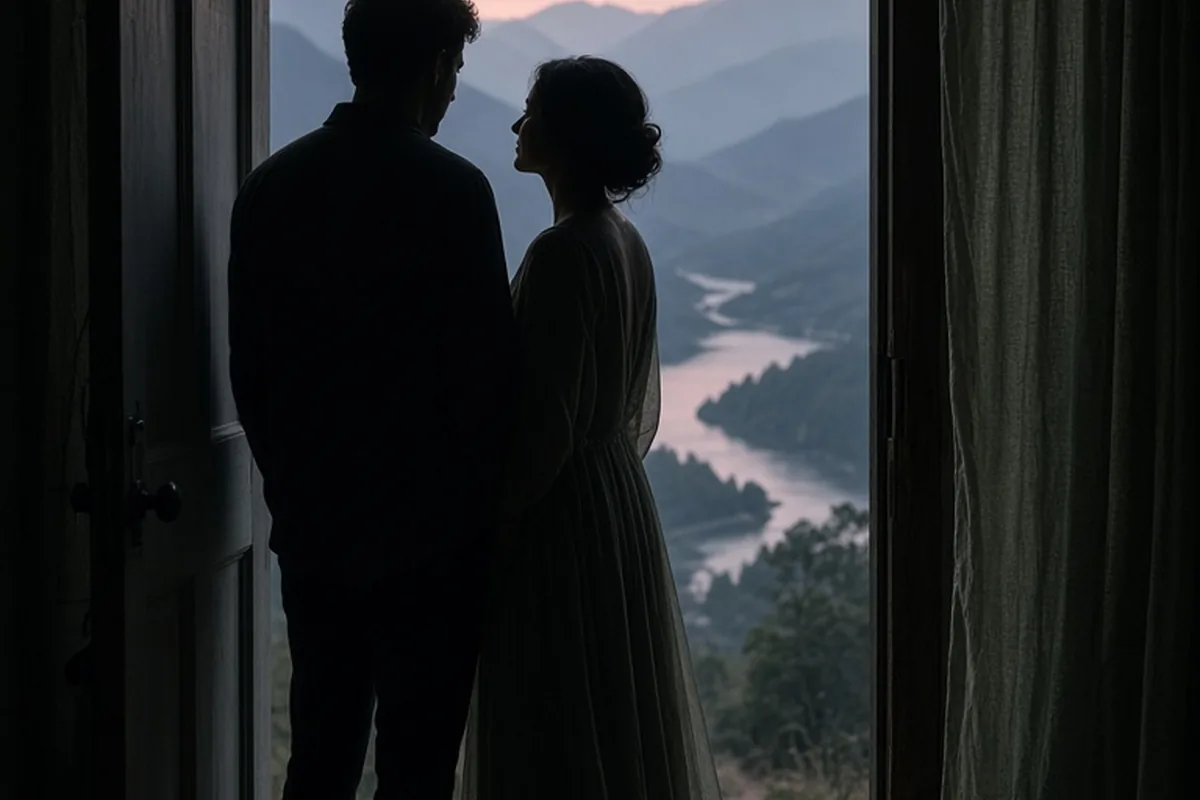
To hold a wedding in a US national park, you must secure a Special Use Permit (SUP) directly from the specific park managing your ceremony site. Because each park operates under distinct resource management plans, permit costs, application deadlines, approved ceremony locations, and guest capacities vary substantially between parks. Applications are processed through each individual park's official National Park Service permit office, typically requiring nonrefundable filing fees, detailed itineraries, and compliance with strict environmental preservation standards.
Getting married in a national park offers dramatic natural backdrops, from alpine peaks and slot canyons to dense temperate rainforests. However, because these public lands exist primarily to preserve natural ecosystems and cultural resources, wedding ceremonies are treated as non-standard public events that require formal legal authorization. Understanding how permit requirements differ across park locations is the first and most critical step in planning your ceremony.
How National Park Special Use Permits Operate Across Locations
Every national park in the United States manages its land under federal guidelines while maintaining park-specific regulations tailored to its local ecosystem and visitor volume. When you hold an event like a wedding ceremony, vow renewal, or formal commitment celebration within park boundaries, the National Park Service (NPS) requires a Special Use Permit. This document serves as a legally binding agreement detailing your authorized ceremony date, exact location, allowable timeframe, maximum participant count, and specific behavioral restrictions. A permit grants you permission to gather in a designated area for a set duration, but it never grants exclusive use of public land or closes public trails to regular visitors.
The administrative process begins at the individual park level through the park's designated Special Park Uses coordinator or permit office. Even parks located within the same state or geographic region often maintain distinct paperwork, review procedures, and evaluation criteria. For example, a high-traffic destination with paved scenic overlooks might maintain a standardized online application form with a predetermined list of approved ceremony locations, whereas a remote backcountry park may evaluate requested coordinates individually based on seasonal wildlife activity or trail maintenance schedules. Reviewing the explicit permit page on the official NPS dot gov domain for your chosen park is essential before booking travel or vendors.
Mountain Parks: Rocky Mountain, Glacier, and Grand Teton Rules
Mountain parks are characterized by fragile alpine tundra, severe weather shifts, short warm seasons, and high summer visitation. In parks such as Rocky Mountain National Park, Grand Teton National Park, and Glacier National Park, ceremony locations are strictly restricted to pre-approved sites chosen specifically to prevent soil erosion and vegetation trampling. Alpine tundra and subalpine meadows are exceptionally fragile; walking off designated boardwalks or trails to pose for portraits is strictly prohibited and can result in permit revocation or fines from patrolling rangers.
Application windows in mountain parks often follow strict annual schedules. Some mountain park offices open their permit intake for the entire upcoming calendar year on a single designated date, filling ceremony capacity within days or weeks. Furthermore, seasonal road access heavily dictates site availability. High-elevation passes and scenic roads frequently remain closed due to snowpack well into late spring or early summer and close again after the first autumn storms. When applying for a permit in mountain locations, couples must account for elevation adjustments, rapid afternoon thunderstorms, and mandatory wildlife safety protocols concerning bears and ungulates.
Desert and Canyon Parks: Zion, Joshua Tree, and Grand Canyon Protocols
Desert and canyon landscapes, including destinations like Zion National Park, Joshua Tree National Park, and Grand Canyon National Park, introduce distinct environmental considerations that shape permit approvals. Biological soil crust—a living ground cover composed of cyanobacteria, lichens, and mosses that prevents catastrophic desert erosion—dominates these terrains. Walking on biological crust destroys decades of delicate microbial growth, which is why desert permit offices mandate that all wedding attendees remain exclusively on hard surfaces, established trails, or designated pullouts.
Extreme temperature fluctuations also drive scheduling and logistical parameters for desert permits. Midday summer heat can create dangerous conditions for attendees, prompting park staff to recommend or mandate early morning or dusk timeframes for authorized gatherings. Additionally, narrow canyon settings and slot canyons frequently face flash flood hazards during seasonal monsoon cycles, meaning permit coordinators may revoke or redirect access on short notice if weather forecasts threaten visitor safety. Couples planning desert ceremonies must ensure their permit requests reflect sensible hydration planning and shade management without introducing prohibited structures.
Coastal and Forest Parks: Olympic, Redwood, and Shenandoah Regulations
Coastal and heavily forested parks, such as Olympic National Park, Redwood National and State Parks, and Shenandoah National Park, present unique microclimates and environmental protection mandates. In old-growth forests, tree root systems sit close to the surface, and heavy foot traffic from large groups can compact the soil, depriving ancient trees of essential oxygen and water. As a result, forest permit coordinators frequently impose smaller maximum guest limits on grove locations compared to developed scenic overlooks.
Coastal ceremony locations introduce tidal logistics and maritime weather variables into the permitting equation. Permits issued for shoreline areas or beach access points require couples to account for high-tide lines to avoid safety hazards or ecological disturbance to intertidal marine sanctuaries and nesting shorebirds. In parks with high average rainfall, permit terms also dictate how couples manage moisture protection, as staking large tarps or erecting standard event pop-up tents into the forest floor is almost universally prohibited to prevent root and soil disruption.
Commercial Photography and Vendor Permitting Requirements
A standard Special Use Permit covers the ceremony itself, but hiring professional vendors introduces an additional layer of federal compliance. In most national parks, independent commercial operators—including wedding photographers, videographers, officiants, hair and makeup artists, and transport shuttles—are conducting business on public land. Depending on the park's administrative policy, vendors may need their own Commercial Use Authorization (CUA) or a separate commercial photography permit to operate legally within park boundaries.
Some park jurisdictions include professional photography under the scope of the couple's primary Special Use Permit, provided the photo session is confined directly to the approved ceremony timeframe and location. However, if your photographer plans to capture couples' portraits across multiple scenic pullouts throughout the park before or after the ceremony, a separate commercial permit or explicit itinerary addition is commonly required. Before signing contracts with outside vendors, verify whether they hold an active CUA for that specific park or if they must submit their own credentials, proof of commercial liability insurance, and processing fees prior to your event.
Leave No Trace Standards, Decor Restrictions, and Wildlife Policies
The core mission of the National Park Service is resource protection, which means wedding decor rules are far more stringent than those at private wedding venues. Outdoor ceremonies in national parks are governed by strict Leave No Trace principles. Traditional ceremony elements such as throwing rice, birdseed, flower petals (real or artificial), confetti, glitter, or releasing balloons or lanterns are strictly banned across all parks because they introduce non-native materials, pose choking hazards to wildlife, or constitute littering.
Floral arrangements, physical structures, and audio equipment face heavy regulation. Many parks prohibit live floral arrangements that contain invasive plant species or loose seeds that could escape into the native ecosystem; some parks require dried local flora or prohibit floral ground installations altogether. Physical decor items—such as arches, chuppahs, freestanding arbors, large floral backdrops, rugs, and decorative chairs—are typically forbidden because they obstruct public views, disturb delicate ground surfaces, and risk blowing away in gusty winds. Amplified sound, including microphones, speakers, and public address systems, is generally restricted to maintain the natural acoustic environment and avoid disrupting wildlife and fellow visitors.
Fee Structures, Application Timelines, and Administrative Review
National park wedding permit expenses consist of several distinct billing components rather than a flat venue rental fee. When submitting an application, you must pay a nonrefundable application processing fee that covers the staff time required to review your request and inspect site availability. If your permit is approved, the park may assess additional administrative fees, location use fees, or cost-recovery fees for dedicated ranger monitoring. Ranger monitoring is often mandatory for larger groups or sensitive locations to ensure attendees adhere to park guidelines and safety protocols.
Application timelines vary widely based on park traffic and staff capacity. While smaller, less-frequented parks might process permits within two to four weeks, premier destinations often require permit submission anywhere from six months to a full calendar year in advance. Conversely, some parks do not accept applications more than a few months ahead of the event date to accommodate shifting construction or resource management plans. To avoid processing bottlenecks, contact the specific park's Special Park Uses office early to confirm their current intake schedule, payment methods, and standard review turnaround times.
Managing Guest Capacities, Accessibility, and Logistics
One of the most common surprises for couples planning a national park wedding is the strict limit placed on guest counts. Each approved ceremony site within a park has a maximum allowable capacity determined by parking space availability, trail width, and ecological fragility. High-elevation overlooks or sensitive historic sites may cap attendance at ten to fifteen individuals—including the couple, guests, officiant, and photographers—while larger developed amphitheaters or picnic shelters might accommodate fifty or more attendees.
Logistical planning must also account for parking constraints, physical accessibility, and standard park entry requirements. Having a wedding permit does not waive the regular per-vehicle national park entrance fee or digital vehicle reservations required at high-demand parks during peak seasons unless explicitly stated in your permit terms. Because parking at scenic overlooks is shared with the general public and stalls cannot be reserved, coordinating carpools or hiring commercial passenger shuttles is often the most practical way to ensure all guests arrive together without causing traffic congestion.
Weather Contingencies, Wildfires, and Backup Site Planning
Outdoor weddings in natural landscapes carry inherent environmental risks, including sudden rainstorms, high winds, early snowstorms, road washouts, and regional wildfire smoke. National park permits are issued for specific outdoor sites and generally do not include an automatic covered or indoor backup facility within the park. If your assigned site becomes inaccessible due to hazardous weather or emergency road closures, park staff will work to redirect you to an alternative safe location if possible, but an immediate backup cannot be guaranteed.
Developing a solid contingency strategy requires securing an off-site private backup venue—such as a nearby lodge, rented cabin, or private reception space outside park borders—where your ceremony can be moved if extreme conditions occur. Additionally, monitor local air quality and fire danger levels during summer and fall, as active wildfires can trigger emergency area closures or unhealthy smoke conditions that make high-exertion outdoor ceremonies impractical or hazardous for sensitive guests.
Frequently asked questions
Can I reserve a national park ceremony site so the public cannot enter?
No. Special Use Permits do not grant exclusive access to any public land area within a national park. While visitors are generally respectful and give ceremonies space, the public has the legal right to use trails, overlooks, and surrounding areas during your event.
How far in advance should I submit my wedding permit application?
Application windows vary by park, ranging from twelve months to thirty days before the event date. High-demand parks often fill popular ceremony locations months ahead, making it best practice to check your chosen park's specific intake schedule at least six to twelve months prior.
Do my wedding guests still have to pay the national park entrance fee?
Yes. A wedding Special Use Permit covers the authorization for the event gathering itself, but it does not waive standard per-vehicle entrance fees, annual pass requirements, or timed-entry reservations unless explicitly negotiated and stated in your permit document.
Can we set up folding chairs, an arbor, or sound equipment for our ceremony?
Most national parks prohibit physical structures like arches, arbors, rugs, and amplified speakers to protect native soil, wildlife, and the public natural experience. Limited folding chairs are sometimes permitted on hardened surfaces for elderly or disabled guests with prior written approval.
Your next step
Visit the official National Park Service website for your specific chosen park, locate the Special Park Uses or Permits page, and email the permit coordinator to confirm current site availability and application instructions before booking travel or vendors.