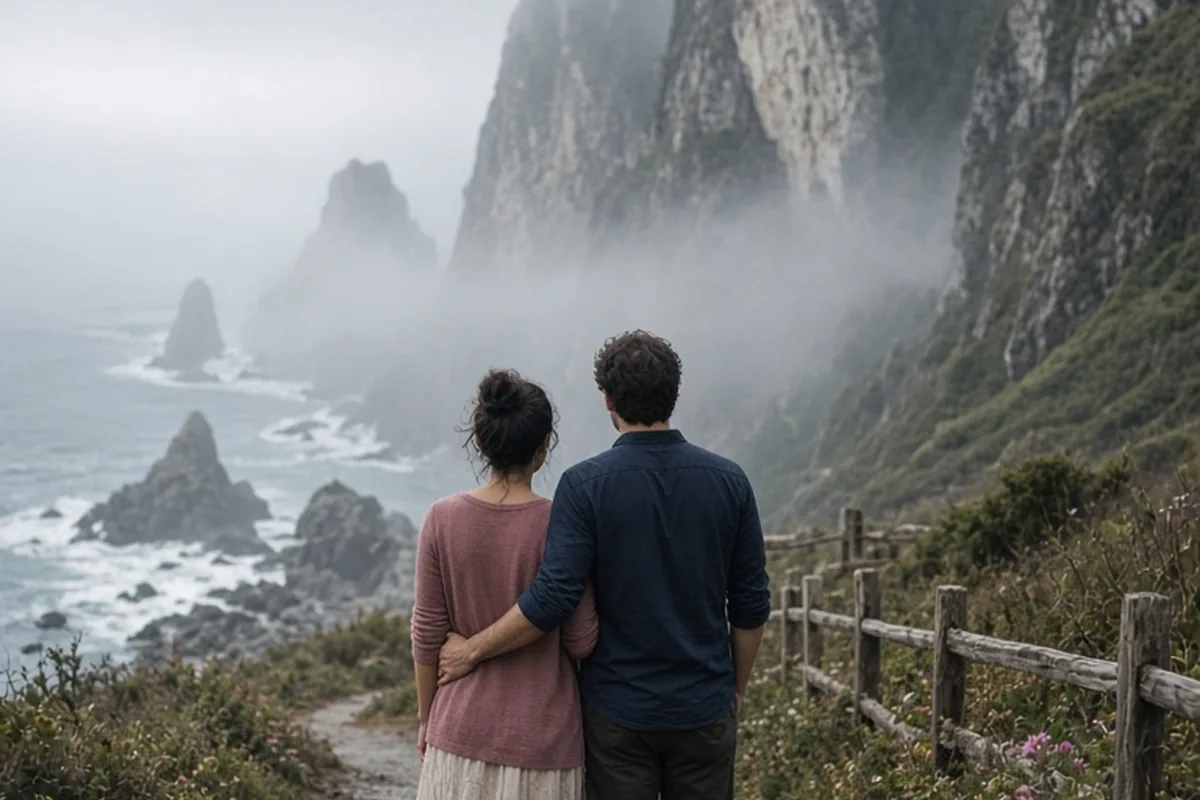
A national park wedding permit budget typically includes a non-refundable Special Use Permit application fee, administrative review charges, and designated site fees set by the specific park unit. Depending on your ceremony size and location, your total cost may also include hourly ranger monitoring fees, refundable performance bonds or damage deposits, standard guest park entrance passes, and separate commercial filming or photography authorizations for your hired vendors.
Exchanging vows against the dramatic backdrop of towering granite cliffs, ancient forests, or vast desert canyons provides an unforgettable setting, but holding an event on federally protected land comes with formal administrative responsibilities. Because the National Park Service operates under a mandate to preserve natural resources while accommodating public use, every park manages its own regulatory permitting process and cost-recovery structure for private ceremonies.
Special Use Permit Application and Administrative Processing Fees
Every marriage ceremony conducted within a National Park Service unit—whether an intimate two-person elopement or a scheduled gathering with seated guests—generally requires a Special Use Permit (SUP). The baseline cost associated with this process is the initial non-refundable application fee. This fee is charged simply to initiate the formal review of your proposed date, time, group size, and specific trail or viewpoint request. Because this fee covers the initial intake and staff time required to log your proposal into the park's administrative tracking system, park offices do not refund it if your requested date is unavailable, if your chosen location is denied due to environmental concerns, or if you choose to cancel your wedding plans.
Beyond the initial intake fee, many park units assess administrative processing charges based on the complexity of your event. If your wedding involves coordinating multiple vehicles, setting up authorized freestanding equipment such as an arch or chairs, or staging a ceremony during peak visitation hours, park staff must spend additional hours assessing resource impact, checking wildlife nesting closures, and coordinating with law enforcement. Administrative charges cover this staff labor under federal cost-recovery policies. When submitting an application through Pay.gov or direct park portals, couples should confirm whether the published initial fee covers the full permit issuance or merely the preliminary evaluation phase.
NPS Cost Recovery and Hourly Ranger Monitoring Charges
Under federal regulations, the National Park Service is required to recover all operational costs associated with private, permitted activities so that taxpayer funds dedicated to park maintenance and public conservation are not diverted to private events. The most common operational cost added to a wedding permit is dedicated ranger monitoring. Depending on the size of your party, the sensitivity of the natural habitat, and the general foot traffic of the chosen overlook, the park superintendent may mandate that one or more uniformed park rangers accompany your group for the duration of the setup, ceremony, and post-ceremony cleanup.
Ranger monitoring is billed at an hourly rate that reflects the ranger's compensation, required equipment, and vehicle travel time to and from the site. If your ceremony is held at a remote backcountry location or at a popular vista during sunrise or sunset, monitoring costs often include the ranger's transit time from the district headquarters and potential overtime rates. The monitoring ranger's primary duty is not wedding coordination; their mandate is to ensure that guests stay on durable surfaces, native vegetation remains undisturbed, visitor access to public overlooks is not unlawfully blocked, and wildlife is not fed or approached. Understanding whether your permit conditions trigger mandatory monitoring is essential for preventing unexpected post-event invoices.
Designated Amphitheater and Site Fees Versus Refundable Damage Bonds
Parks often classify wedding venues into distinct management categories: designated developed sites and fragile natural zones. Developed sites, such as historic park chapels, amphitheaters, and established picnic pavilions, frequently carry established location use fees on top of the baseline permit application cost. These designated site fees help maintain physical facilities, parking pads, and restroom infrastructure that experience heavy wear during scheduled group gatherings. Developed areas generally accommodate larger guest counts and may allow limited acoustic music or temporary seating that would be strictly forbidden along open hiking trails.
In addition to site usage fees, park permit coordinators may require couples to submit a refundable performance bond or damage deposit prior to issuing the finalized Special Use Permit. This security bond serves as a financial guarantee that your party will leave the natural landscape in its original condition. If your event results in trampled native meadows, litter left behind at the overlook, abandoned floral materials, or unauthorized off-trail footpaths, the park retains all or part of the deposit to pay for professional restoration and maintenance labor. If the site passes post-event inspection and all permit guidelines are respected, the bond is returned in full according to the park's standard accounting schedule.
Vendor Commercial Use Authorizations and Commercial Photography Regulations
A critical and frequently misunderstood component of national park wedding budgets involves the regulation of outside commercial vendors. Under National Park Service policy, any business entity providing paid commercial services inside park boundaries—including wedding photographers, videographers, floral stylists, officiants, and mobile caterers—must be legally authorized to operate on federal property. Depending on the specific park's administrative policy, your vendors may be covered under your personal Special Use Permit, or they may be required to independently obtain their own Commercial Use Authorization (CUA) or commercial filming permit.
When an independent CUA is mandatory, your hired vendor must pay their own non-refundable application fee and annual management fee directly to the park's commercial services office. Furthermore, vendors must submit a Certificate of Insurance demonstrating commercial general liability coverage naming the United States of America as an additional insured. If you hire a professional photographer or officiant who is not already an approved CUA holder in that specific park, factor in the administrative turnaround time and discuss whether the vendor will absorb their permit fees or pass those filing costs directly onto your final service invoice.
Guest Park Gate Fees, Vehicle Passes, and Transportation Logistics
Securing an approved wedding permit grants legal permission to hold your ceremony at an agreed location and time, but it almost never waives standard vehicle entrance fees at park gates. Every vehicle carrying your wedding party, officiant, vendors, and guests must pay the standard park entry fee or present a valid interagency pass, such as the America the Beautiful National Parks and Federal Recreational Lands Pass. For large guest lists arriving in dozens of separate personal vehicles, entrance costs and parking capacity can become substantial logistical hurdles.
To manage vehicular impact and alleviate severe parking shortages at popular viewpoints, some parks restrict weddings to a specific maximum vehicle count regardless of total permitted attendees. Couples often resolve this constraint by chartering a permitted private shuttle or van service to transport all guests together from a gateway town into the park. When evaluating transportation, confirm whether your chartered transit company holds an active commercial transportation permit with the park. Consolidating travel not only lowers the risk of guests being delayed at entrance station queues during peak hours, but it also guarantees that your party does not exceed the strictly enforced vehicle caps attached to your permit.
Ancillary Event Costs: Liability Insurance, Waste Management, and Gear Compliance
Couples planning an outdoor national park wedding often encounter ancillary regulatory expenses necessary to comply with federal Leave No Trace principles and park resource protection rules. Many park superintendents mandate that couples purchase a single-event special liability insurance policy before permit approval. This insurance protects the couple and the federal government in the event of accidental property damage, accidental wildfires, or third-party injury during the ceremony, typically requiring a policy endorsement that explicitly names the specific national park as an additional insured party.
Other logistical requirements can add subtle line items to your total budget. In remote or backcountry ceremony sites lacking developed facilities, park regulations may require you to supply approved pack-out sanitation systems or rent portable restroom units placed only in designated utility zones. Strict ecological rules also impact floral choices: live flower petals, seed tosses, invasive floral species, and non-native potted plants are routinely prohibited to protect wildlife and native flora from contamination. Sourcing florist arrangements that use only dried, sterile, or certified pest-free components ensures full compliance and prevents costly permit violations or loss of your security deposit.
Contacting the Park Special Park Uses Office for an Accurate Cost Quote
Because fee schedules, site availability, and operational requirements vary drastically between different park units, the only reliable way to establish your exact wedding budget is to consult the Special Park Uses (SPU) office of your target park directly. A desert park with minimal staffing requirements operates under a very different cost model than a heavily visited mountain park with fragile alpine meadows and strict designated ceremony locations. Initiate contact with the park's permit coordinator between six and twelve months prior to your intended date to ensure ample time for review.
When you reach out to the permit coordinator, provide clear specifics to receive an accurate, itemized cost quote. Outline your desired date range, primary and backup ceremony locations, estimated total headcounts including all vendors, required setup gear, and transportation plans. Request a full written fee breakdown that explicitly separates the non-refundable application fee, expected administrative processing charges, hourly ranger monitoring rates, performance bond requirements, and vendor authorization requirements. Having these details verified directly in writing by the administering park office eliminates financial surprises and ensures your ceremony proceeds smoothly within all federal guidelines.
Frequently asked questions
Can I hold an intimate elopement in a national park without paying for a wedding permit?
Most national parks require a Special Use Permit for any formal marriage ceremony or vow exchange, even for two-person elopements without guests. A few park units allow simple ceremonies without a permit if the group stays below a very low attendee threshold and does not set up any equipment, but you must verify the specific park's written regulations before arriving.
Are wedding permit application fees refundable if weather forces a cancellation?
Permit application fees are almost universally non-refundable because they compensate park staff for the administrative labor of reviewing and processing your paperwork. Refundable damage bonds and unspent ranger monitoring deposits may be returned according to park policy, but initial administrative and application fees are forfeited regardless of weather or cancellation.
Does my personal wedding permit cover my photographer and officiant?
Coverage depends on the individual park's commercial services policy. Some parks permit hired vendors under the couple's Special Use Permit as long as the total headcount remains compliant, while other parks require all commercial photographers and service providers to independently hold a Commercial Use Authorization (CUA) and carry their own business liability insurance.
How far in advance should I apply for a national park wedding permit?
Most parks accept permit applications between six and twelve months in advance of the event date. Submitting your application as early as the park's filing window allows ensures your preferred date and designated overlook are reviewed before seasonal quota limits are reached.
Your next step
Visit the official National Park Service website for your specific destination park, navigate to the Special Park Uses or permits page, and download the current Special Use Permit application form to review its verified fee structure and submission deadlines.