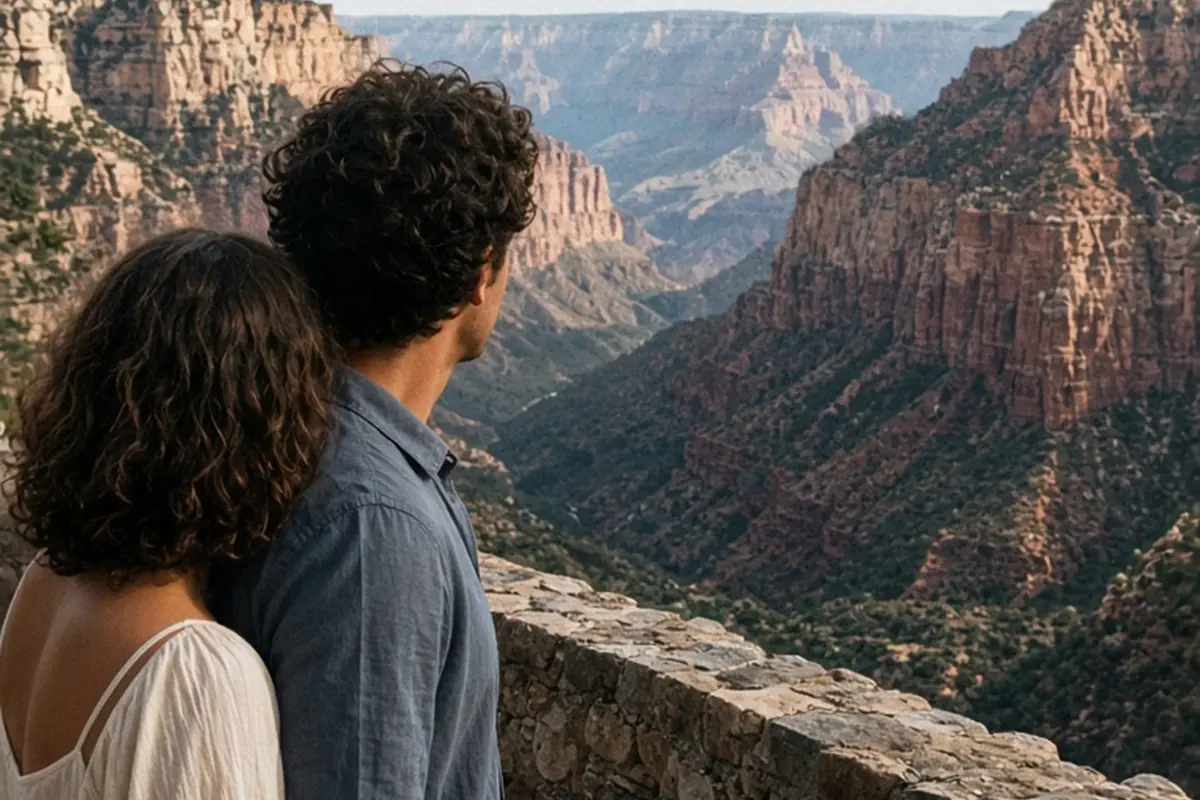
To host a wedding with 100 guests in a US national park, you must secure a Special Use Permit (SUP) for a designated large-capacity site. Most park ceremony locations limit attendance to under 50 people, making venue selection narrow. Applications generally open 6 to 12 months in advance through the specific park's permit office. Approval requires strict adherence to designated parking plans, Leave No Trace principles, vendor permitting, and localized decor and sound restrictions.
Organizing a large ceremony against a backdrop of public lands requires navigating federal land management regulations that prioritize resource preservation over private events. While intimate elopements can often choose from dozens of scenic overlooks, accommodating one hundred attendees narrows your choices to specific amphitheaters, developed picnic grounds, historic pavilions, or affiliated park lodges.
Designated Ceremony Sites That Accommodate 100 Guests
Every national park maintains its own compendium of designated wedding locations, and only a small fraction of these sites possess the physical infrastructure and ecological resilience to support one hundred people at once. Fragile alpine meadows, narrow cliffside overlooks, and sensitive riparian zones are routinely capped at ten to twenty-five attendees to prevent soil compaction and vegetation trampling. When evaluating parks for a triple-digit guest count, couples must focus on established, hardened venues within the park boundaries. These locations usually feature asphalt walkways, wooden boardwalks, stone amphitheaters, or developed picnic pavilions designed specifically for higher pedestrian traffic.
Because guest caps include not only your friends and family but also hired professionals like photographers, officiants, musicians, and day-of coordinators, a strict one-hundred-person ceiling means your personal invitation list may need to stay around ninety people. Popular destinations such as Rocky Mountain, Yosemite, Grand Teton, and Glacier provide explicit guest limits for each approved ceremony location on their official website permit pages. Before submitting an application or paying nonrefundable filing fees, cross-reference the maximum allowable headcount across every potential site with your anticipated total attendance, ensuring that every vendor on site is accounted for in your initial headcount calculation.
The Special Use Permit Application Timeline and Review
A Special Use Permit is a legal instrument issued by the National Park Service authorizing a private activity that provides a benefit to an individual or group rather than the general public. Reviewing an application for one hundred guests requires park staff to evaluate potential impacts on wildlife, natural resources, standard visitor access, and parking availability. Processing times can take anywhere from four to twelve weeks, and during peak operational months, backlogs frequently extend these windows. Most parks accept applications up to one year in advance, while others open booking windows on a rolling monthly or seasonal schedule. Missing the initial opening date for a high-demand amphitheater or scenic overlook often means losing your preferred date entirely.
When completing the permit paperwork, precision is mandatory. You will be required to outline your exact timeline, including setup, arrival of guests, ceremony duration, post-ceremony portraits, and final teardown. The National Park Service does not grant private closures of public spaces; your permit merely reserves the right to assemble in a specific footprint, meaning general park visitors may still walk on adjacent trails or view the scenery from nearby public vantage points. Providing a thoroughly mapped operational plan within your initial application signals to the reviewing ranger that your event will not disrupt routine park operations, significantly reducing administrative back-and-forth and lowering the risk of permit denial.
Transportation Logistics, Parking Permits, and Shuttle Coordination
Parking management represents the single largest operational hurdle for a one-hundred-person national park wedding. Many approved ceremony sites provide fewer than fifteen dedicated vehicle spaces, and standard visitor lots cannot be reserved or barricaded for private functions. If one hundred guests arrive in individual rental cars or personal vehicles, the convoy will inevitably cause traffic congestion, violate parking regulations, and risk administrative citations from law enforcement rangers. To prevent these disruptions, park special use offices routinely mandate group transportation, requiring couples to hire private charter buses, passenger vans, or localized shuttle services to transport guests from gateway communities directly to the ceremony site.
Chartering commercial shuttles introduces secondary logistical requirements that must be integrated into your permit filing. Large motorcoaches may face vehicle length and weight restrictions on historic park roads, hairpin switchbacks, or unpaved access corridors. Furthermore, commercial transport companies operating within park borders may need their own Commercial Use Authorization (CUA) or specific commercial vehicle entrance permits. When budgeting and planning transportation, verify where buses are permitted to idle, load, and park during the ceremony, as several parks forbid idling engines near scenic overlooks to reduce noise and emissions. Establishing a centralized pickup hub at a hotel outside park gates ensures all one hundred attendees arrive simultaneously and within your permitted time frame.
National Park Wedding Permit Restrictions for Large Gatherings
The primary mission of the National Park Service is to conserve natural and historic objects and wildlife while leaving them unimpaired for future generations. Consequently, decorative and operational rules for a one-hundred-person gathering are far more restrictive than those at traditional private venues. Standard wedding elements such as free-standing arches, staked canopies, floral ground installations, aisle runners, and scattered petals (even real, dried, or biodegradable ones) are strictly prohibited in almost every park unit. Non-native seed introduction, wildlife ingestion risks, and ground disturbance drive these strict policies, requiring couples to rely entirely on the existing natural landscape for visual ambiance.
Acoustic and lighting regulations are equally stringent for large groups. Amplified sound, including public address microphones, loudspeakers, portable DJ setups, and high-decibel instruments, is generally barred to preserve the natural soundscape for wildlife and fellow park visitors. Acoustic musicians, such as a solo violinist, cellist, or acoustic guitarist, may be permitted if sound levels stay beneath ambient noise thresholds. Additionally, evening lighting is restricted to prevent light pollution in designated dark-sky parks and avoid disorienting nocturnal fauna. Receptions involving catered dining, dance floors, and bar services are almost universally prohibited at outdoor ceremony sites and must be hosted at concessionaire-operated lodges within the park or private venues in neighboring gateway towns.
Commercial Vendor Clearances and Insurance Documentation
Any professional service provider receiving compensation for work performed inside a national park is legally classified as a commercial operator. This classification encompasses your wedding photographer, videographer, florist, day-of coordinator, officiant, and shuttle drivers. Depending on the individual park's administrative policies, hired vendors must either be registered under your overarching Special Use Permit or secure their own Commercial Use Authorization (CUA) prior to entering the park. Operating without valid commercial authorizations can result in immediate vendor expulsion on the wedding day, accompanied by federal misdemeanor citations.
For events involving one hundred people, park authorities almost universally mandate proof of general liability insurance. The permit applicant or the lead commercial entities must submit a Certificate of Insurance (COI) that names the United States of America and the Department of the Interior / National Park Service as an additional insured party. Policy minimums typically start at one million dollars per occurrence, covering potential property damage, ecological restoration costs, or personal injury liabilities. Collecting these insurance certificates from all hired professionals and submitting them alongside your permit package well ahead of stated deadlines avoids last-minute administrative holds.
Weather Contingencies, Road Closures, and Evacuation Planning
Outdoor settings on public lands are subject to extreme, rapid environmental changes, including sudden mountain blizzards, flash floods, seasonal wildfires, wildlife encounters, and high-elevation windstorms. Unlike a private commercial venue with on-site staff to pivot operations indoors, a remote national park ceremony site leaves one hundred attendees exposed to the elements. Because temporary pop-up shelters and enclosed tents are forbidden in open park spaces, your permit will not protect your gathering if severe weather compromises visitor safety or forces emergency road closures.
Building a viable secondary plan is essential when coordinating a group of this size. Couples should secure an indoor or covered reception venue outside the park that can double as a backup ceremony location on short notice. Establish a clear weather decision deadline—typically twenty-four to forty-eight hours prior to the scheduled start time—allowing enough runway to notify your private shuttle operators, vendors, and guests of any venue transition. Include detailed emergency instructions on your wedding website, highlighting cell service dead zones inside the park, appropriate high-elevation footwear, hydration guidelines, and meeting points should the party become separated during an unexpected weather evacuation.
Frequently asked questions
Can we reserve an outdoor reception area for 100 guests in a national park?
Outdoor public spaces in national parks are generally restricted to short ceremonies and do not permit full receptions with catering, tables, bars, or dance floors. Large receptions must be booked through in-park concessionaire hotels and lodges with dedicated banquet facilities or held at private event venues in surrounding gateway towns.
How far in advance should we submit a permit application for 100 people?
You should apply between 6 and 12 months in advance of your preferred date. Sites that hold 100 people are limited in number and high in demand, and the administrative review for large groups requires extra coordination regarding traffic, vendor permits, and park staff coverage.
Do park entry fees get waived for wedding guests who have a permit?
No, a Special Use Permit covers the legal right to assemble for a ceremony but does not waive standard park entrance fees. Each vehicle entering the park must pay the standard per-vehicle entrance fee or present a valid interagency pass, which makes chartered group shuttles both logistically and financially advantageous.
What happens if our guest count exceeds the maximum limit stated on the permit?
Exceeding the permitted attendee threshold violates federal permit terms and can lead to rangers halting the ceremony immediately, issuing citations to the permit holder, or forfeiting security deposits. Always count every vendor, child, and participant toward your designated site capacity limit.
Your next step
Contact the Special Park Uses coordinator at your chosen national park today to request their current list of authorized high-capacity ceremony sites, application filing windows, and local commercial vehicle requirements before booking nonrefundable vendors.