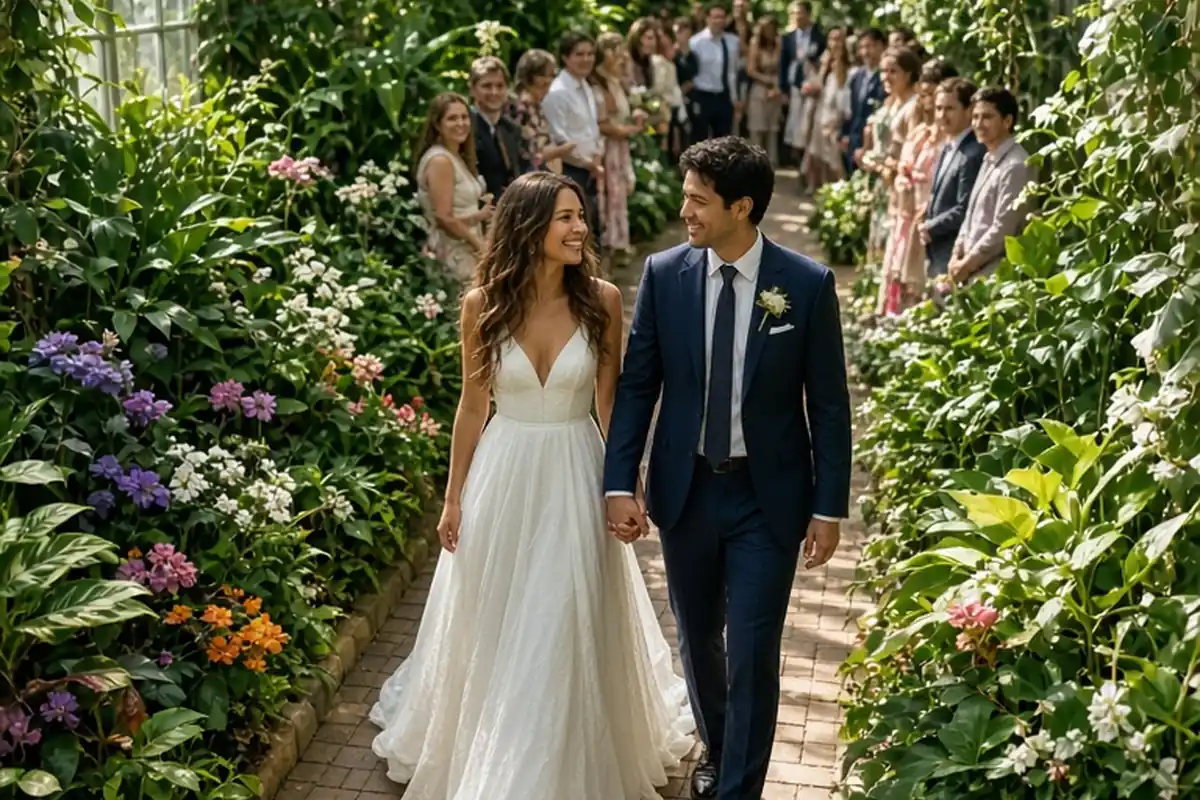
A nontraditional wedding is a marriage celebration that intentionally departs from standard customs, formal timelines, or conventional aesthetics to reflect a couple's authentic values, personal tastes, and budget priorities. Planning one involves evaluating traditional rituals—such as formal processional orders, seated multi-course dinners, matching bridal party attire, or bouquet tosses—and choosing whether to keep, modify, or replace them with personalized ceremonies, casual gathering formats, alternative attire, or unique event spaces that better suit your relationship.
Couples often feel caught between traditional expectations and their genuine vision for how they want to celebrate their marriage. A wedding does not require standard scripts, predetermined vendor packages, or expected rituals to be deeply meaningful, memorable, and legally binding.
Rethinking the Traditional Reception Timeline and Order of Events
The standard wedding day follows a rigid script: a late afternoon ceremony, an hour-long cocktail reception, a formal dinner, scheduled speeches, choreographed dances, cake cutting, and a structured send-off. While this sequence works well for large, highly orchestrated events, it can feel performative or exhausting for couples who prefer a relaxed atmosphere. Shifting the timeline gives you direct control over how you spend time with guests and helps eliminate unnecessary downtime.
One practical approach is a cocktail-first wedding, where guests arrive to drinks and light hors d'oeuvres before the ceremony begins. This calms pre-event jitters, allows the couple to greet guests as they arrive, and creates an informal tone from the start. Alternatively, morning ceremonies followed by a seated brunch or daytime garden party reduce venue hire costs and allow for early wrap-ups, leaving the evening free for a private dinner with immediate family or close friends.
Another option is dispensing with structured spotlight moments altogether. You do not need to pause social conversations for a formal bouquet toss, garter toss, or ceremonial cake cutting unless those traditions hold personal significance. Instead, consider flowing transitions where food stations remain open, music plays continuously, and toasts occur organically in smaller groups or during a shared welcome toast given by the couple.
Alternative Venues Beyond the Standard Ballroom or Banquet Hall
Choosing an unconventional setting immediately shapes the atmosphere of your day and signals to guests that they are attending a unique celebration. Standard banquet halls and hotel ballrooms often come with fixed vendor lists, required minimum guest counts, and strict decor guidelines. In contrast, alternative spaces offer greater design flexibility and often carry built-in character that reduces the need for expensive floral installations or pipe-and-drape styling.
Viable alternative venues include public parks, art galleries, private dining rooms in neighborhood restaurants, historic libraries, botanical conservatories, rented private estates, or summer camps. When assessing an unconventional space, practical logistics must come first. Raw spaces without existing hospitality infrastructure may require renting portable restrooms, generators, catering prep tents, lighting, and refuse management, which can quickly add unexpected costs and coordination complexity.
To decide whether an alternative venue fits your needs, verify the site's permit requirements, noise ordinances, alcohol licensing rules, and accessible parking capacity. If you want a stress-free experience without standard banquet decor, a full buyout of a favorite independent restaurant is often the most cost-effective and seamless option, as the kitchen, tables, service staff, and ambient decor are already in place.
Nontraditional Wedding Attire and Wardrobe Choices for Couples and Parties
Conventional wedding fashion usually centers on a formal white floor-length gown and a dark tuxedo or tailored suit. Nontraditional attire expands these boundaries, allowing both partners to wear whatever feels comfortable, expressive, and aligned with the wedding's overall tone. This might mean colorful dresses, tailored pantsuits, jumpsuits, patterned jackets, vintage apparel, or casual separates.
For couples reconsidering wedding party attire, moving away from identical dresses and matching rented tuxedos reduces financial strain on your attendants and allows their individual styles to shine. A cohesive aesthetic can easily be achieved by assigning a broad color palette—such as warm earth tones, jewel tones, or textured neutrals—and letting attendants choose their own outfits within that spectrum.
Before finalizing alternative wardrobe decisions, consider the venue environment and climate. A flowing silk jumpsuit or lightweight linen suit is practical for a summer outdoor gathering, while heavy brocades or dark velvet work better for winter indoor settings. Communicate any general dress guidelines clearly on your wedding website so guests understand the level of formality and appropriate footwear for the setting.
Catering Formats That Replace the Standard Plated Dinner
Food is frequently the single largest line item in a wedding budget, yet traditional three-course plated dinners can feel overly formal, slow, and repetitive. Nontraditional catering allows you to showcase favorite cuisines, create interactive dining experiences, and adjust service styles to match the rhythm of your celebration.
Popular alternatives include family-style shared platters, curated food trucks, grazing tables featuring regional cheeses and charcuterie, artisanal pizza stations, or international street food carts. Family-style dining keeps guests seated and engaged without the rigidity of synchronized plate drops, while food trucks and interactive food stations encourage movement and mingling throughout the evening.
When choosing an informal catering style, evaluate service speed and queue management. A single food truck serving one hundred guests will cause long wait times; hiring two trucks or supplementing a primary truck with pre-set appetizer boards ensures guests are fed promptly. Always confirm with your caterer how dietary restrictions, food allergies, and clean-up logistics will be handled regardless of the serving method.
Customizing the Ceremony, Vows, and Officiant Roles
The ceremony is the legal and emotional heart of a wedding, yet it is often the part couples feel most pressured to keep conventional. In a nontraditional ceremony, you can strip away archaic language, patriarchal symbolism, and scripted religious text in favor of words and actions that authentically express your commitment.
You might choose to walk down the aisle together as a couple, enter from opposite sides simultaneously, or forgo a formal processional entirely by greeting guests together as they take their seats. Instead of hiring an unfamiliar officiant, many couples ask a close friend or family member to obtain temporary ordination or act as master of ceremonies, provided local jurisdiction laws recognize the designation.
Vows can be written entirely from scratch, focusing on genuine partnership, shared values, and mutual support rather than traditional vows of obedience or permanence under external authority. You can also incorporate symbolic rituals that hold personal meaning, such as community vow agreements, handfasting, ring warmings passed through close family hands, or a moment of shared silent reflection before signing the marriage license.
Setting Boundaries with Family While Designing a Nontraditional Wedding
Departing from conventional wedding norms often sparks resistance, anxiety, or unsolicited advice from parents and extended family members who hold traditional expectations. Addressing these tensions early with clear communication and empathetic boundaries prevents misunderstandings and resentment from surfacing close to the event date.
Start by having a candid conversation about what elements are non-negotiable for you as a couple. When explaining your choices, frame them positively around personal meaning rather than as a rejection of family traditions. For example, explain that you are opting for a small restaurant dinner because having uninterrupted conversations with each guest matters deeply to you, rather than stating you dislike large formal receptions.
If family members are contributing financially, expectations regarding guest lists and traditions can become complicated. If financial support comes with rigid conditions that conflict with your vision, consider politely declining the monetary contribution to maintain creative independence. Alternatively, offer family members ownership over a specific, self-contained element—such as hosting the rehearsal dinner or organizing a farewell morning coffee—which allows them to participate without altering your main ceremony plans.
Allocating Funds to Prioritize Personal Values Over Industry Checklists
Traditional wedding planning guides often present extensive checklists containing items many couples do not actually want or need, including printed save-the-date cards, elaborate welcome bags, customized favors, specialized cake stands, and multi-tier fondant cakes. A nontraditional approach treats the budget as an intentional reflection of your personal priorities.
Begin by identifying your top two or three priorities—such as exceptional food and wine, an experienced documentary photographer, or a live band—and allocate the bulk of your funds toward those areas. Secondary items can then be scaled down, simplified, or eliminated entirely without diminishing the guest experience.
Consider modern alternatives that save both money and administrative effort: digital invitations instead of multi-piece stationery suites, locally baked sheet cakes or dessert tables instead of display cakes, and charitable donations or edible treats instead of customized physical favors. Allocating resources based on what you value creates a richer, more relaxed experience for everyone involved.
Frequently asked questions
Is a nontraditional wedding legally binding?
Yes, as long as you meet the legal marriage requirements of your specific jurisdiction. In the United States, this generally requires obtaining a valid marriage license, having an authorized officiant or qualifying self-solemnization process, having required witnesses present, and submitting the completed paperwork within the designated legal timeframe.
How do we inform guests that our wedding will be unconventional?
Use clear, welcoming language on your invitations and wedding website to set expectations regarding dress codes, venue conditions, dining styles, and schedules. For instance, if you are serving heavy appetizers instead of a seated meal, state 'join us for cocktails and heavy bites' so guests know what to expect.
Can we combine traditional and nontraditional wedding elements?
Yes, blending customs is very common and allows you to honor meaningful family traditions while discarding rituals that do not suit you. You might choose a classic white dress paired with an informal food-truck reception, or a traditional religious blessing embedded within an otherwise modern ceremony.
How can we keep costs down when planning an unconventional wedding?
Focus on cutting low-impact expenses like paper stationery, unnecessary rentals, and formal favors while choosing venues with existing tables, chairs, and kitchen facilities. Capping your guest list remains the most effective single method to manage overall costs regardless of the wedding format.
Your next step
Sit down with your partner today and list every standard wedding tradition on paper, marking each as 'keep,' 'modify,' or 'skip' to build a celebration blueprint centered entirely on your shared values.