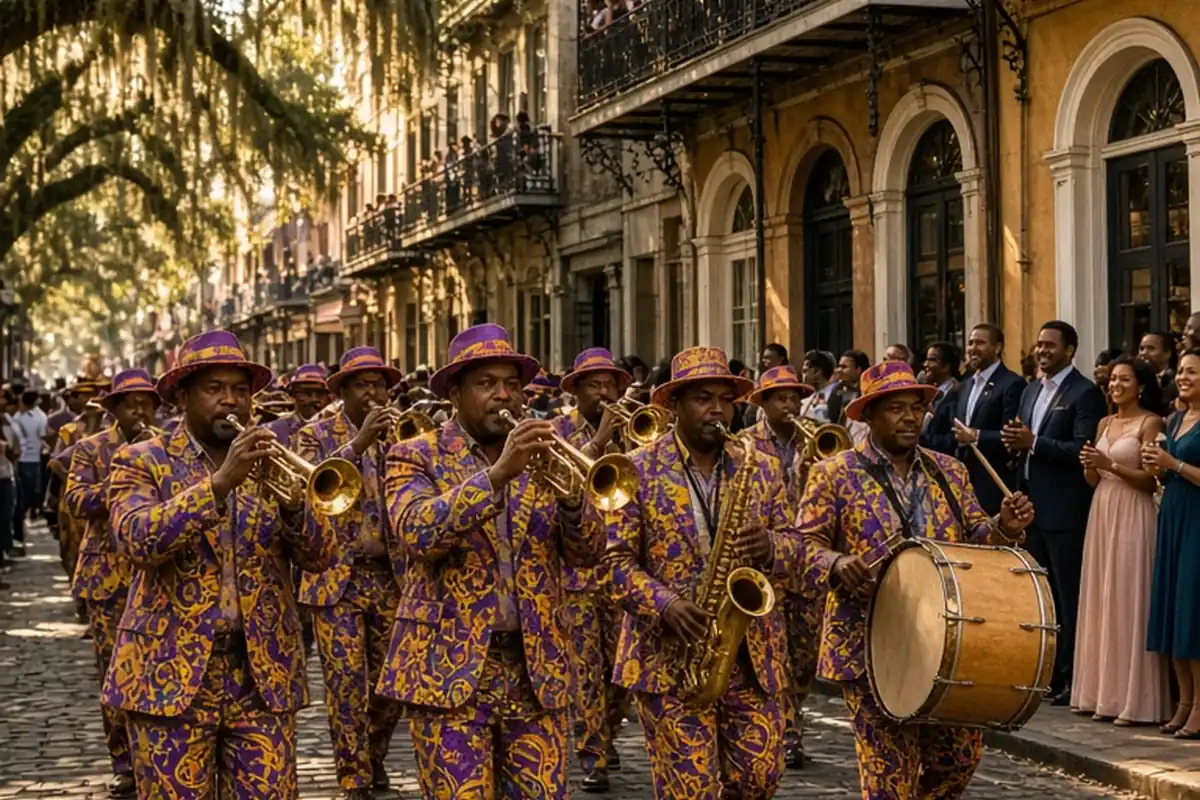
The most popular wedding cities in the United States include destinations like Charleston, Las Vegas, New Orleans, New York City, Savannah, Napa Valley, and Miami. Couples gravitate toward these locations because they combine distinctive cultural character, reliable hospitality infrastructure, and rich guest experiences. Each city appeals to different priorities, ranging from walkable historic charm and culinary appeal to effortless entertainment or dramatic natural landscapes that double as vacation spots for attending guests.
Choosing a host city shapes every element of a wedding celebration, setting the tone for the design aesthetic, local dining options, and guest travel logistics.
Charleston, Savannah, and New Orleans: Historic Charm and Walkable Hospitality
Historic Southern destinations have maintained an enduring appeal for couples seeking architectural character, distinctive regional cuisine, and natural romance. Charleston and Savannah offer cobblestone corridors, historic manor homes, coastal marsh vistas, and avenues framed by live oaks draped in Spanish moss. These cities allow couples to host multi-day events where guests rarely need rental cars once they arrive in the downtown core. The proximity between boutique hotels, ceremony sites, and post-reception gathering spots creates an intimate, communal environment that feels like a shared weekend retreat rather than a single evening celebration.
New Orleans brings an unmistakable energy rooted in live brass music, Creole dining, and centuries-old French and Spanish architecture. Couples selecting New Orleans often lean into experiential traditions, such as second-line brass band parades winding through the French Quarter or courtyard gatherings surrounded by wrought-iron balconies. While Charleston and Savannah lean toward quiet elegance and garden settings, New Orleans thrives on vibrant nightlife and festive street culture. For couples prioritizing a celebration where food, music, and late-night accessibility take center stage, these cities provide an authentic backdrop that requires minimal supplementary decorating.
Las Vegas, New York City, and Miami: Urban Energy, Late Nights, and Turnkey Production
Metropolitan hubs cater to couples who prioritize top-tier production capabilities, world-class nightlife, and broad flight connectivity. Las Vegas has evolved far beyond kitschy drive-through chapels into a sophisticated center for both high-end luxury resort events and stylish mid-century desert gatherings. The city's primary advantage is hospitality infrastructure: hotels span every price category, dining is curated by internationally acclaimed chefs, and entertainment options are virtually limitless. Whether hosting an intimate gathering at an iconic neon museum or an elaborate ballroom reception along the Strip, the city offers unrivaled logistical ease and round-the-clock entertainment.
New York City and Miami offer distinct flavors of high-impact metropolitan celebrations. New York delivers iconic skyline views, historic public libraries, industrial loft conversions in Brooklyn, and private social clubs. It suits couples who want an editorial, cosmopolitan atmosphere where guests can turn the weekend into a world-class arts and dining tour. Miami, by contrast, blends tropical resort culture with vibrant art deco architecture, coastal breezes, and legendary nightlife. Venues range from lush botanical estates to sleek waterfront terraces overlooking Biscayne Bay. Both cities excel at keeping celebrations going late into the night, supported by extensive vendor networks capable of executing intricate creative visions.
Napa Valley, Aspen, and Sedona: Scenic Mountain and Wine Country Escapes
Couples drawn to sweeping landscapes, outdoor ceremonies, and an unhurried, vacation-like pace often look toward premier resort regions. Napa Valley and neighboring Sonoma County offer rolling vineyard hills, olive groves, and an emphasis on farm-to-table dining paired with local wines. These locations naturally attract couples who value relaxed culinary hospitality set against peaceful pastoral vistas. The atmosphere encourages extended outdoor dinners at long communal tables, open-air cocktail hours, and leisurely daytime winery tours for arriving guests.
For dramatic mountain scenery and distinct four-season appeal, Aspen and Sedona stand out as premier choices. Aspen provides dramatic alpine backdrops, historic mining-era brickwork, and luxurious mountain lodges, creating a refined atmosphere whether framed by winter snowpacks or summer wildflower meadows. Sedona offers an entirely different visual landscape defined by soaring red rock formations, pinion pine forests, and dramatic golden-hour lighting. These destinations are ideal for outdoor enthusiasts who want their event framed by grand natural geological features, offering guests ample opportunities for hiking, scenic drives, and wellness activities throughout the wedding weekend.
Honolulu, San Diego, and Key West: Coastal Breezes and Relaxed Waterfront Gatherings
Waterfront celebrations have a broad appeal, and coastal destinations offer varied interpretations of oceanfront hospitality. Honolulu provides a classic tropical setting where dramatic volcanic ridges meet clear Pacific waters. Couples are drawn to its rich Hawaiian cultural traditions, oceanfront lawns, and resort amenities that allow guests to combine wedding festivities with an extended island vacation. Because Oahu serves as a major commercial and travel hub, it balances dramatic natural backdrops with extensive vendor accessibility and diverse lodging options.
On the mainland, San Diego and Key West offer distinct coastal celebrations without requiring flights over the Pacific. San Diego delivers consistently mild coastal weather, historic Spanish revival architecture in Balboa Park, and dramatic cliffside ceremony locations along La Jolla and Coronado. Its relaxed West Coast ambiance pairs well with outdoor receptions that flow seamlessly from afternoon daylight into crisp coastal evenings. Key West, perched at the southernmost edge of Florida, offers a vibrant, historic island atmosphere marked by pastel Victorian cottages, sunset sailboat charters, and a laid-back, walkable downtown. Both cities allow couples to host beachside or harborfront events while keeping travel straightforward for guests.
Evaluating Guest Travel Logistics and Airport Access Across Wedding Hubs
A critical factor in selecting any wedding city is how easily and affordably your guests can travel to the location. Major transit centers like New York, Las Vegas, and Miami benefit from high volumes of nonstop domestic and international flights, competitive airfare options, and abundant ground transit choices that eliminate the need for car rentals. For diverse guest lists arriving from across the country, metropolitan airports significantly reduce travel friction, minimize layover delays, and ensure that attendees arrive refreshed and on schedule.
Conversely, picturesque destination spots like Napa Valley, Sedona, Aspen, or the Florida Keys usually require secondary travel legs, such as booking connecting regional flights or renting a car for a two-to-three-hour highway drive from a primary airport. While the secluded setting often creates a deeply memorable, immersive atmosphere once everyone arrives, it can increase the total financial and time commitment required from guests. Couples weighing these locations should consider their guests' ages, budgets, and available vacation time, providing clear travel guidance, flight advice, and coordinated group shuttles where appropriate.
Balancing Local Weather Patterns, Seasonal Tourism, and Event Comfort
Popular wedding cities experience significant seasonal shifts that directly influence event comfort, venue availability, and travel pricing. Coastal and southern destinations like Charleston, Savannah, New Orleans, and Miami experience high heat and humidity during mid-summer months, along with regular afternoon rain showers and the Atlantic hurricane season running from late summer into autumn. Consequently, their peak wedding seasons shift toward the milder, drier months of late autumn, winter, and spring, when outdoor courtyards and open-air ceremonies are most enjoyable.
Similarly, mountain and wine country destinations are governed by distinct natural calendars. Mountain communities like Aspen experience a dual peak season, with winter sports enthusiasts filling hotels during ski months and wedding celebrations filling the calendar during July and August when mountain passes are fully open. Wine regions experience intense visitor activity and higher lodging costs during the autumn harvest season. Understanding how municipal tourism cycles align with your ideal aesthetic ensures you avoid unexpected challenges like uncomfortably high temperatures, sudden seasonal business closures, or inflated hotel rates driven by major citywide conventions or festivals.
Navigating City Noise Curfews, Outdoor Permits, and Local Venue Restrictions
Every popular wedding destination operates under local municipal ordinances that can shape how your celebration unfolds. In historic downtown districts like Charleston, Savannah, or the French Quarter in New Orleans, residential noise ordinances often mandate that outdoor amplified sound cease relatively early in the evening, requiring receptions to transition indoors or conclude by specific hours. Couples dreaming of a late-night outdoor dance party under the stars may find that certain historic residential districts require strict adherence to decibel limits and venue shut-off times.
Natural and agricultural destinations face comparable regulatory boundaries. In regions like Napa Valley, strict zoning laws designed to protect agricultural land place clear limits on the number of non-winery events that rural properties can host, while also enforcing stringent rules on outdoor music and lighting. Public beach ceremonies in coastal spots like Honolulu or San Diego frequently require municipal permits, restrict the use of temporary structures like arches or amplified speakers, and remain open to public foot traffic. Reviewing local permitting requirements, decibel caps, and cutoff times before signing venue agreements prevents last-minute compromises on your celebration timeline.
Frequently asked questions
How far in advance should a venue be booked in a popular wedding city?
In high-demand destinations like Charleston, Napa Valley, or New York City, prime weekend dates often book twelve to eighteen months ahead. Booking early secures your preferred season and allows guests sufficient time to arrange reasonably priced flights and lodging before local hotel blocks fill up.
What is the best way to handle guest transportation in a destination wedding city?
For walkable urban centers like Savannah or the French Quarter in New Orleans, centralized hotel blocks allow guests to walk or take short rideshares between events. In sprawling or rural locations like Napa Valley or Aspen, reserving private charter buses or shuttle vans between designated hotels and the venue ensures timely arrivals and safe transit after the reception.
Are weeknight or Sunday weddings accepted in popular destination cities?
Yes, many couples choose Fridays, Sundays, or even Thursdays in high-demand wedding cities to secure premier venues that have full Saturday calendars. Because guests are often traveling and turning the trip into a mini-vacation, non-Saturday dates are widely accepted and can offer greater vendor availability.
Your next step
Draft your non-negotiable priorities—such as total travel convenience, late-night dancing, or specific natural scenery—and compare them against the airport proximity and noise ordinances of your top two host cities before signing a contract.