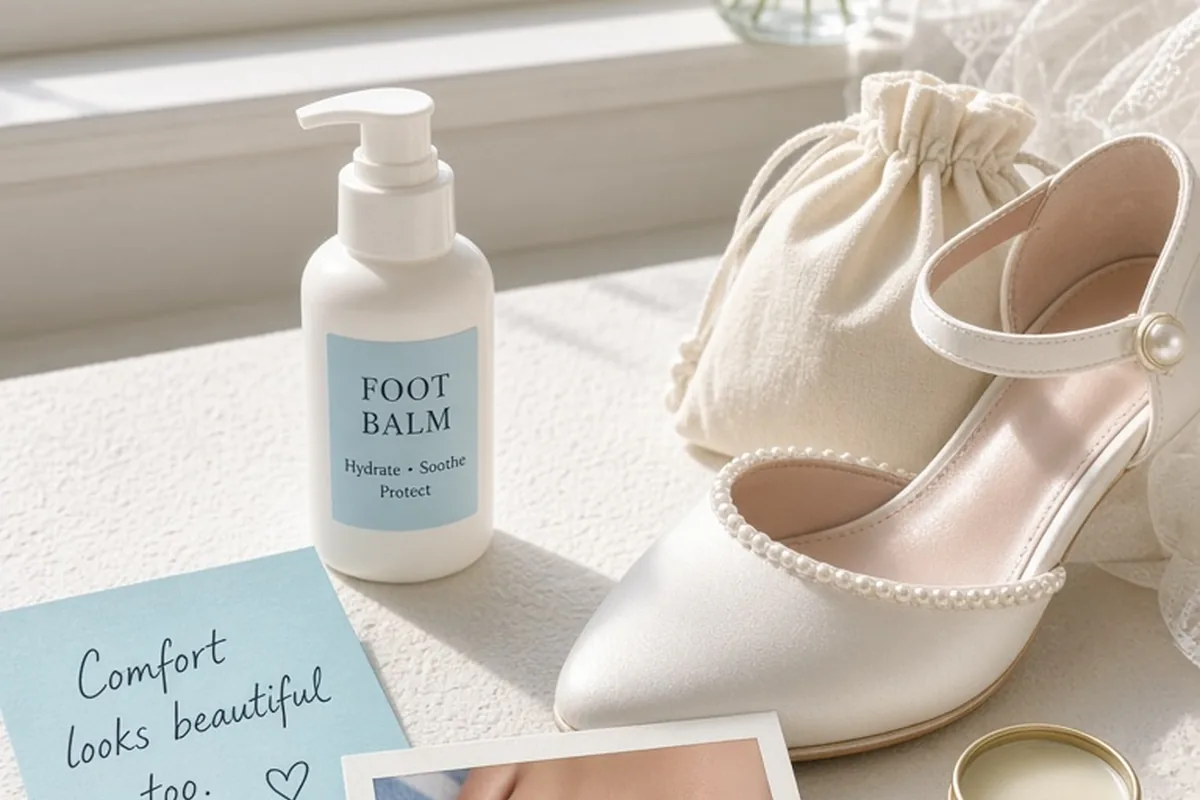
A wedding pedicure ensures your feet look polished and stay comfortable, whether you wear open-toe heels, sandals, or closed pumps. For the best balance of freshness and durability, schedule your appointment one to two days before the celebration. Opt for gel polish to resist chipping, select neutral or complementary shades, and address rough heels weeks in advance to avoid last-minute skin tenderness.
Wedding planning often focuses heavily on attire, hair, and makeup, but your feet carry you through hours of walking, standing, and dancing. A deliberate pedicure plan bridges cosmetic elegance with physical comfort, ensuring your footwear feels as good as it looks from the morning preparations through the final dance.
Optimal Timing: When to Schedule Your Service
Timing your bridal pedicure requires balancing peak cosmetic freshness against the practical demands of wedding week logistics. Booking your appointment one to two days prior to the wedding day is generally the most reliable window. Getting a pedicure too early, such as a week before, leaves time for polish to dull, edges to chip, and cuticles to dry out, especially while running last-minute errands. Conversely, scheduling a pedicure on the wedding morning introduces unnecessary stress, crowds an already busy timeline, and risks ruining fresh polish if you must slip into shoes before lacquer fully hardens.
If you are traveling for a destination wedding, aim to have your pedicure completed the afternoon before your departure, or locate a vetted salon at your destination for an appointment the day before events begin. Traveling can cause water retention and dry skin, so an in-salon service that includes a light leg massage can help relieve swelling. A practical trade-off to consider is salon availability: wedding weekends are peak times for beauty appointments, meaning you must reserve your slot several weeks or months in advance rather than relying on walk-in availability during a hectic schedule.
Choosing the Best Polish Formula for Durability
Selecting the right polish formula depends on your honeymoon plans, shoe design, and nail maintenance preferences. Gel polish is the most popular choice for weddings because it cures instantly under a LED or UV light, eliminating the risk of smudging when putting on shoes immediately after the service. Furthermore, gel resists chipping for two to three weeks, making it ideal if your wedding flows straight into an active honeymoon involving sand, pools, or hiking. The primary trade-off with gel is the removal process, which requires soaking in acetone and can temporarily dehydrate the nail plate if stripped improperly.
Traditional lacquer and modern long-wear hybrid formulas offer an alternative for individuals who prefer easy at-home removal or want to avoid curing lights. Traditional polish provides a classic, natural finish and is simple to touch up using a matching bottle from your vanity kit. However, regular lacquer requires up to two hours to cure completely through all layers, leaving you vulnerable to fabric marks, shoe strap indentations, and surface dents if you move around too quickly. If you choose standard lacquer, plan to wear open-backed flip-flops for the rest of the day and avoid hot baths, which soften uncured polish.
Selecting Colors and Finishes That Complement Your Look
Your pedicure shade should harmonize with your wedding palette, your personal style, and your choice of footwear. Sheer nudes, soft blush pinks, and milky whites remain perennial favorites because they provide a clean, understated appearance that does not compete with intricate shoe details or ornate dress fabrics. A soft French pedicure offers another refined option, giving the toes an elongated, tidy look that photographs consistently well under bright flash lighting and outdoor sun alike.
You do not need an exact color match between your fingernails and toenails, though maintaining a cohesive color family helps create a balanced aesthetic. For instance, pairing an opaque neutral manicure with a coordinating sheer pink pedicure looks intentional without feeling rigid. If you want a playful accent, your pedicure can serve as your traditional 'something blue' or mirror the tones of your floral arrangements with a berry, coral, or champagne shimmer. Consider your shoe aperture: fully open sandals showcase bold colors beautifully, while peep-toe designs reveal only two or three nails, where high-contrast shades can sometimes look disjointed if they clash with the shoe leather.
Safe Exfoliation and Deep Hydration for Smooth Heels
Achieving soft heels and smooth soles requires gradual preparation rather than an aggressive, last-minute intervention. Salons often offer callus shaving with razor-style blades, but this practice should be avoided immediately prior to a wedding. Removing too much skin at once can leave the bottoms of your feet extremely sensitive, tender to walk on, or vulnerable to accidental cuts that sting inside formal footwear. Instead, ask your nail technician to use gentle chemical exfoliants, such as alpha-hydroxy acid creams, paired with a fine-grit foot file to buff rough patches smoothly without irritating deeper tissue.
Begin your moisturizing regimen at home three to four weeks before the event. Applying a thick cream containing urea or shea butter every night, covered with breathable cotton socks, softens dry skin progressively. At the salon, adding a warm paraffin wax treatment can lock in moisture and soften stubborn areas around the heel cup. The only limitation to deeply hydrating treatments right before the wedding is residue: ensure your technician thoroughly cleanses your toenails with rubbing alcohol before base coat application, as residual oils on the nail plate cause polish to lift prematurely.
Trimming and Shaping to Prevent Shoe Friction
The physical shape and length of your toenails play a critical role in how comfortable your wedding shoes feel throughout a long day on your feet. Toenails should be trimmed straight across and filed to a soft square or 'squoval' shape, keeping the edges slightly rounded to prevent them from catching on hosiery or digging into adjacent toes. Avoid cutting toenails excessively short, as this increases the likelihood of painful ingrown edges, particularly when your feet slide forward inside angled high heels.
Consider the silhouette of your wedding footwear when determining nail length. Pointed-toe pumps and snug strappy heels compress the forefoot, meaning longer toenails will repeatedly hit the front or top of the shoe with every step. This continuous pressure can cause bruising beneath the nail bed or push the polish loose. Keep nails trimmed flush with the tip of the toe to balance aesthetics with physical ease, allowing your toes to sit flat without friction against the interior lining of your shoes.
Planning Group Pedicures for the Wedding Party
Scheduling a group pedicure session can be an enjoyable, relaxing way to spend time with your bridal party, partner, or family members before the main events commence. When coordinating for multiple people, contact the salon at least two to three months in advance to reserve adjacent stations and ensure adequate staffing. Confirm whether the salon allows outside refreshments or decorations if you plan to make the outing a celebratory gathering, and establish a clear timeline so the group finishes together without delaying subsequent rehearsal dinners or setup responsibilities.
A group booking should accommodate varying preferences and comfort levels. Some wedding party members may want elaborate nail art or gel enhancements, while others, including grooms or attendants, might prefer an unpolished grooming service focused on nail shaping, cuticle maintenance, and a relaxing foot massage. Clear communication regarding pricing, payment responsibilities, and service choices prevents awkward moments at checkout and ensures every participant leaves feeling pampered and cared for.
Assembling an Emergency Foot Care Kit
Even with meticulous preparation, long hours of standing and dancing can present unexpected cosmetic or physical challenges. Preparing a compact emergency foot care kit keeps minor issues from turning into major distractions during your reception. Your kit should fit neatly inside a day-of bridal emergency bag managed by a coordinator, attendant, or family member, positioned where it can be accessed quickly between photo sessions.
A well-rounded emergency kit contains a few specific items: the exact bottle of standard polish used (or a matching top coat for gel), a small file to smooth sudden snags, a cuticle oil pen to instantly revive shine for close-up shoe photographs, and adhesive blister bandages. Hydrocolloid blister cushions are far superior to standard fabric bandages because they absorb friction, remain securely attached through sweat and movement, and cushion tender spots without peeling off inside formal leather shoes.
Frequently asked questions
Should my wedding pedicure match my manicure exactly?
No, an exact match is not required, though your chosen shades should complement each other. Pairing a neutral or French manicure with a coordinating soft tone or a subtle accent color on your toes creates an intentional and polished appearance.
Can I get a pedicure if I have an ingrown toenail or skin irritation?
You should not attempt cosmetic pedicure services on infected or severely irritated skin. If you suspect an ingrown nail or open blister, visit a podiatrist for safe treatment well ahead of your wedding date, and instruct your salon technician to leave sensitive areas untouched.
Is paraffin wax worth adding to a bridal pedicure?
Paraffin wax is an excellent add-on if you struggle with dry heels, as the warm wax traps heat and deeply infuses moisturizers into the skin. However, skip it if you are in a rush, as the extra application and removal steps add 15 to 20 minutes to your salon visit.
How do I prevent my feet from sliding forward in bridal heels after a pedicure?
Ensure your salon technician thoroughly wipes off all massage oils and lotions from your soles and between your toes before you leave. Additionally, inserting textured silicone ball-of-foot cushions into your wedding shoes provides grip and prevents your freshly pedicured toes from jamming forward.
Your next step
Assess your shoe style and wedding week schedule today, then book your pedicure appointment with an experienced technician for one to two days before your event.