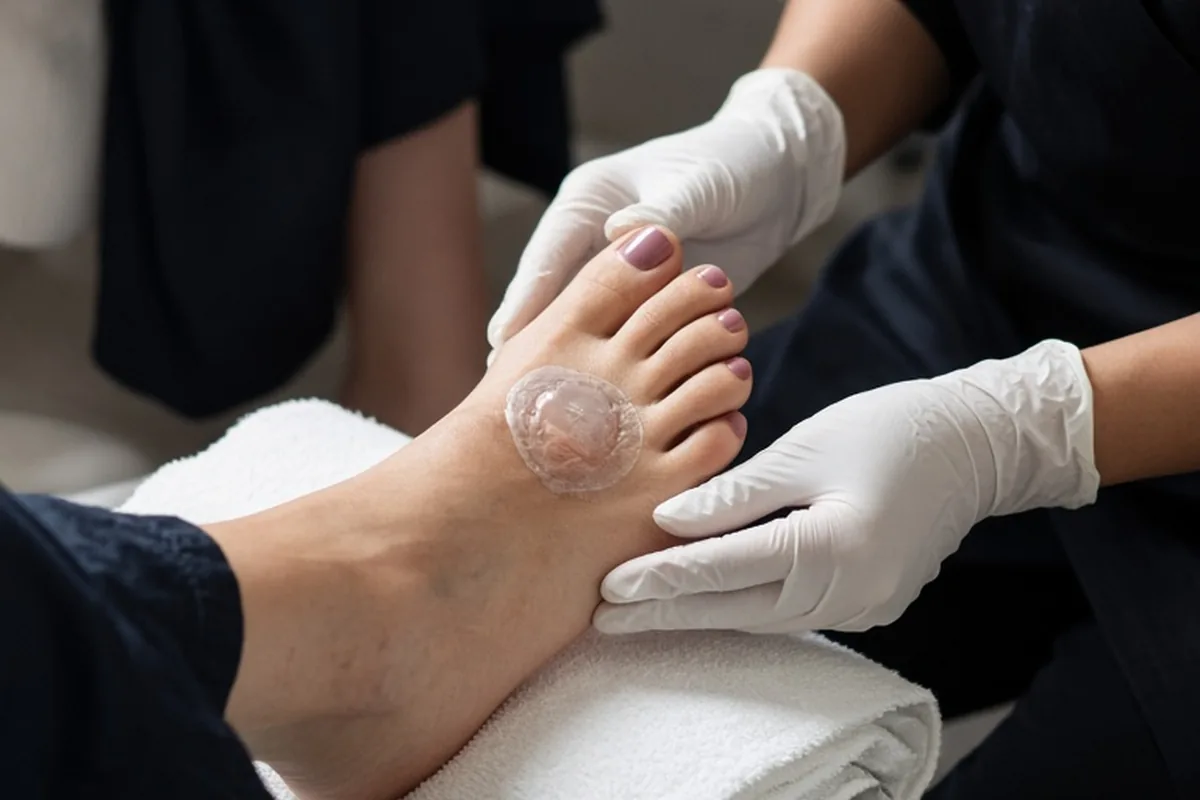
You can generally get a pedicure with an intact blister, but you must keep the area covered, skip deep soaking or aggressive exfoliation, and alert your technician beforehand. If the blister is open, raw, or shows signs of irritation, avoid communal foot baths entirely to reduce infection risks. Opt for a waterless pedicure, polish-only service, or spot treatment to stay comfortable and wedding-ready.
Breaking in wedding shoes, dancing at pre-wedding parties, or running last-minute errands often creates friction blisters right before a major celebration. Balancing camera-ready toenails with painful, delicate skin requires smart salon modifications so you can walk down the aisle in comfort.
Assessing Your Blister Before Booking the Salon
Friction blisters form when mechanical shearing forces separate the outer layer of skin from the deeper epidermal layers, creating a pocket filled with clear serum. In the context of a wedding, this typically happens when trying on stiff bridal shoes, walking long distances in unsupported sandals, or wearing high heels during rehearsal festivities. If the roof of the blister is completely intact, the skin acts as a natural, sterile biological dressing that protects the sensitive tissue underneath from external bacteria.
When assessing whether to visit a nail salon, examine the condition of the fluid bubble carefully. An intact, closed blister with no surrounding redness or warmth can usually tolerate a carefully modified pedicure. In contrast, a de-roofed, popped, or weeping blister presents a broken skin barrier that should never be submerged in communal whirlpool basins or exposed to harsh salon chemicals. Foot basins, even when sanitized, carry microbial risks that can irritate open wounds or lead to secondary infections.
Consider the location of the blister relative to your planned service. A friction spot on the back of the heel or along the Achilles tendon is much easier for a nail technician to avoid than a blister situated between toes or directly on the nail fold. If the blister is located near the nail plate, mechanical work such as cuticle nipping and heavy buffing must be scaled back significantly to avoid puncturing the fluid pocket.
Safe Salon Modifications: Waterless and Polish-Only Options
Standard salon pedicures typically involve prolonged foot soaks in warm, bubbling jets designed to soften thick calluses. However, extended soaking over-hydrates and softens blister roofs, making them far more likely to tear during the service. Requesting a waterless or dry pedicure eliminates this vulnerability. In a dry service, technicians use warm, damp steamed towels and antiseptic cleansing sprays instead of submerged soaking, giving you clean, prepped toes without compromising fragile skin.
Another reliable option is booking an express polish change rather than a complete spa pedicure package. An express service focuses exclusively on trimming, shaping, and painting the toenails while entirely omitting foot scrubs, pumice stones, foot files, and vigorous lower-leg massages. For example, a bridesmaid who developed a quarter-sized friction spot on her heel after the rehearsal dinner can request a twenty-minute polish refresh that leaves the heel untouched while ensuring her toes look uniform in open-toe shoes.
While skipping the extended foot massage and exfoliation might feel like a compromise during wedding prep, prioritizing skin integrity prevents painful complications on the wedding day. Aggressive physical manipulation near a healing blister can turn a minor nuisance into an open, stinging sore that makes standing through a ceremony and reception agonizing.
Communicating Clearly With Your Nail Technician
Nail technicians work efficiently and often follow a standard routine that includes rapid scrubbing, exfoliation, and callus shaving. Because they may not immediately notice a small blister hidden under a strap line or heel edge, clear upfront communication is essential before their hands touch your feet. As soon as you sit in the pedicure chair, point out the exact location of the blister and state your boundaries clearly.
You can use direct, polite phrasing such as: I have a painful friction blister on my right heel from breaking in my wedding shoes. Please skip all foot scrubs, pumice stones, and callus removers on both feet today, and avoid touching or rubbing that entire heel area. Providing this instruction before the service begins prevents the technician from applying automated pressure or scrubbing products that cause sharp pain.
Stay observant throughout the entire appointment. If the technician picks up an exfoliating scrub or begins applying pressure near the affected zone, speak up immediately rather than tolerating discomfort. Salons are accustomed to catering to sensitive clients, and clear boundaries help your technician deliver the aesthetic results you want without accidental injury.
Barrier Protection Techniques Before Entering the Salon
Applying a protective physical barrier before you arrive at the salon shields delicate skin from accidental friction, splashing water, and product residue. Standard adhesive bandages tend to loosen and peel away quickly when exposed to moisture or salon massage oils. Instead, choose a hydrocolloid blister bandage, which adheres securely to surrounding dry skin and forms a waterproof, rubbery cushion over the blister.
To apply a hydrocolloid patch effectively, thoroughly wash and dry the skin around the blister, ensuring no oils, lotions, or moisture remain on the perimeter. Center the hydrocolloid pad over the blister and press the tapered edges down firmly for at least thirty seconds; the heat from your fingers helps the adhesive bond with your skin. This creates a flexible, watertight seal that stays in place during gentle washing and light towel drying.
A practical trade-off to keep in mind is that hydrocolloid bandages are relatively thick. While this thickness provides superior cushioning, it can make it harder for a technician to polish small pinky toes if the blister is right next to the nail. In tight spaces, a thin liquid bandage or sterile waterproof film dressing may offer adequate splash resistance without taking up valuable working room.
Chemical and Exfoliant Hazards to Avoid
Salon pedicures frequently incorporate chemical agents that can cause intense burning and irritation if they contact compromised skin. Callus-softening gels, which often contain potassium hydroxide or concentrated alpha-hydroxy acids, are formulated to dissolve keratin and should never be applied near broken or thin epidermal tissue. Ensure your technician skips liquid callus peels entirely during your appointment.
Acetone and non-acetone polish removers also pose a hazard if allowed to drip down the foot. If you are having old dark polish removed, ask the technician to hold a small cotton pad directly against the nail rather than saturating large cotton balls that might drip solvent toward your blister. Salt and sugar scrubs can also leave abrasive granules lodged against tender skin edges, leading to micro-tears and localized inflammation.
Request fragrance-free or sensitive-skin lotion for any light massage work performed on the lower legs and upper foot. Heavily perfumed spa lotions can sting sensitive areas. If the salon only carries heavily fragranced products, you can ask the technician to use plain cuticle oil or simply skip moisturizing below the ankle until you return home.
The DIY At-Home Bridal Pedicure Protocol
If your blister is already popped, unroofed, or overly painful, skipping the professional salon visit in favor of an at-home pedicure gives you complete control over hygiene and comfort. At home, you can sanitize your own clippers, glass files, and cuticle pushers with isopropyl alcohol, eliminating any concern regarding shared equipment or basin cleanliness.
Begin by cleaning your feet with a mild, fragrance-free soap and warm water using a clean washcloth, avoiding direct pressure on the blistered area. Carefully clip your toenails straight across to prevent ingrown edges, then smooth rough corners with a fine-grit glass file moving in one direction. Instead of aggressive cuticle cutting, apply a drop of nourishing cuticle oil and gently nudge the eponychium back using a silicone-tipped pusher.
Wipe each nail plate clean with rubbing alcohol on a lint-free wipe to remove surface oils before applying a strengthening base coat, two thin layers of your chosen wedding polish, and a glossy, chip-resistant top coat. Completing this process 24 to 48 hours before the wedding ensures the polish is fully hardened and gives your blister adequate resting time inside clean cotton socks.
Wedding Day Footwear and Comfort Planning
Once your pedicure is complete, your focus shifts to preventing additional friction on the wedding day itself. Wedding footwear often features stiff satin, patent leather, or narrow metallic straps that place direct pressure on typical blister zones. Placing adhesive moleskin or gel cushioning directly onto the interior shoe strap—rather than onto your skin—creates a smooth gliding surface that stops the shoe from grinding against your bandage.
For areas prone to friction where a blister has not yet formed, applying an anti-friction stick creates an invisible barrier that lets straps glide smoothly across the skin. If your blister is located on the back of the heel, keep a fresh hydrocolloid bandage sealed over the area underneath your wedding shoes, and ensure the edge of the patch extends well beyond the shoe collar.
Prepare an emergency comfort kit for the bridal suite that includes spare hydrocolloid patches, silicone toe caps, medical tape, and a backup pair of comfortable reception shoes. Switching into elegant bridal sneakers, cushioned platform wedges, or flat sandals during the dance floor portion of the evening protects your feet and lets you celebrate without distraction.
Frequently asked questions
Can I get a pedicure if my blister popped right before the wedding?
If a blister has popped and exposed raw skin, you should avoid standard salon foot baths to prevent introducing bacteria to an open wound. Instead, opt for a dry polish change where your feet are cleaned with antiseptic wipes, or perform a careful at-home polish application so you can keep the wound clean, protected, and bandaged.
Will salon foot soaks make my blister worse?
Submerging a friction blister in warm water for extended periods over-hydrates and softens the delicate skin covering the fluid pocket. This makes the blister significantly more prone to tearing, peeling, or bursting during towel drying and exfoliation. Requesting a waterless pedicure or brief towel wrap prevents premature breakdown of healing skin.
How do I hide a blister bandage in open-toe wedding shoes?
Use an ultra-thin, clear hydrocolloid dressing trimmed precisely to the size of the blister so excess adhesive does not extend past your shoe straps. You can also apply matching moleskin directly to the inside of the shoe strap to reduce visibility, or choose a sheer, skin-tone liquid bandage if the blister is small and fully intact.
Your next step
Inspect your blister today, apply a protective hydrocolloid barrier, and book a waterless or express polish-only service to protect your feet for the wedding.