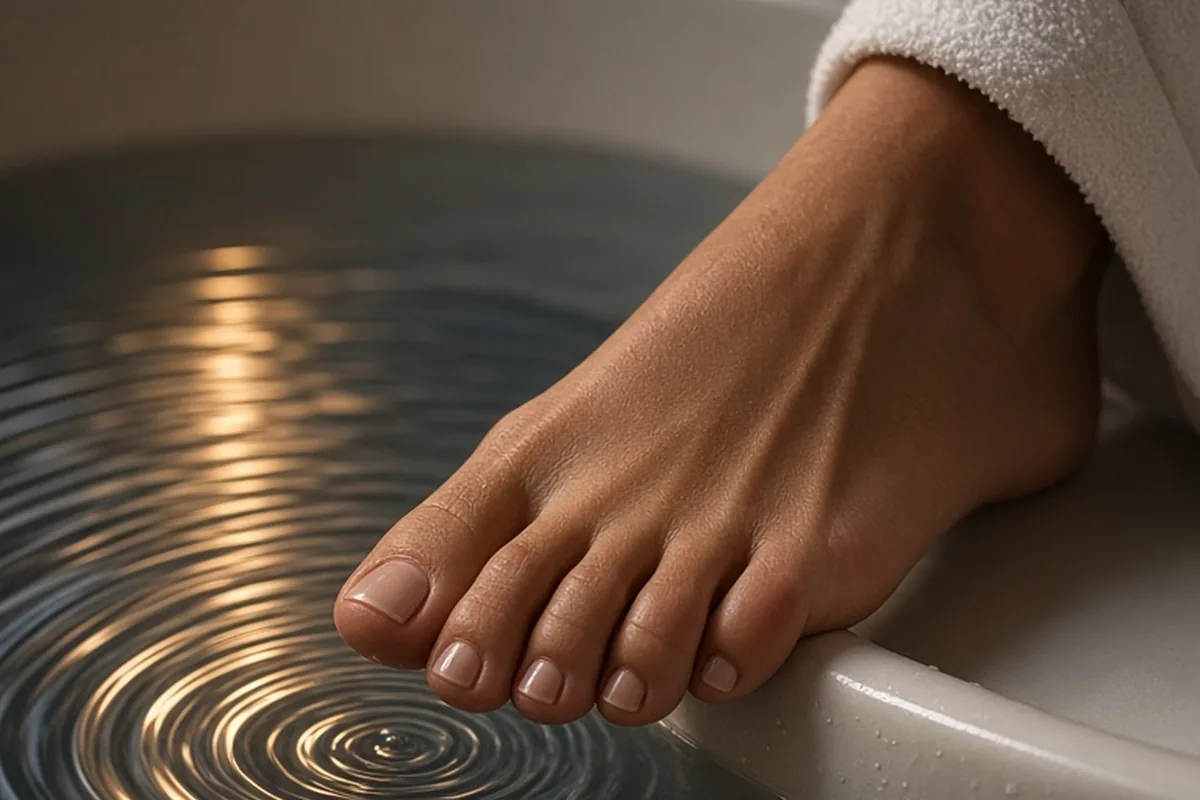
To get a pedicure safely with diabetes before a wedding, prioritize skin integrity and infection prevention over aggressive grooming. Book an appointment with a licensed nail technician trained in diabetic foot care or a medical nail technician at a podiatry office. Schedule the service one to two weeks before the ceremony, decline sharp metal cutting tools or pumice stones, check water temperatures carefully, and inspect feet daily leading up to the celebration.
Wedding preparations often involve pampering from head to toe, but managing diabetes means a routine salon pedicure requires extra caution. Heightened risks of infection, decreased sensation, and slower healing turn standard nail trimming and callus scrubbing into decisions that directly affect your comfort walking down the aisle.
Understanding Diabetic Foot Vulnerabilities Before the Big Day
Planning a wedding involves months of anticipation, but foot care deserves specialized attention when you navigate diabetes. Chronic blood glucose fluctuations can gradually influence peripheral blood flow and nerve endings in the lower extremities. This shift means that minor micro-tears, small punctures, or subtle abrasions might go unnoticed due to blunted sensation, while compromised circulation can slow down the body's natural healing timeline. What might represent a temporary minor nick for someone else can quickly turn into a persistent, vulnerable wound if bacteria penetrate the skin barrier.
The physical demands of a wedding day amplify these underlying risks. You will likely spend long hours standing during photo sessions, walking across diverse terrains such as church tiles or outdoor grass, and dancing during the reception. If an overzealous salon treatment leaves your cuticles inflamed or the skin beneath your heels scrubbed raw, the friction of structured bridal shoes can turn every step into an endurance test. Preparing with care protects your physical mobility and ensures you experience your celebration without painful distractions.
Taking a cautious approach to foot grooming does not require skipping beauty rituals altogether. Instead, it invites you to redefine what effective bridal preparation looks like. Shifting your focus toward conservative nail shaping, gentle skin barrier preservation, and professional hydration gives you polished, camera-ready feet without introducing unnecessary medical vulnerabilities into your wedding timeline.
Salon vs. Medical Pedicure: Evaluating Your Professional Options
When selecting where to receive foot care, understanding the distinction between a commercial salon and a medical pedicure setting is essential. Medical pedicures, often performed by Advanced Nail Technicians or Certified Medical Nail Technicians within or alongside podiatry practices, prioritize aseptic technique. These practitioners operate under strict clinical sanitation protocols, utilizing hospital-grade steam autoclaves to sterilize metal instruments between clients. They specialize in working with vulnerable feet, avoiding harsh cutting or abrasive friction entirely.
Commercial nail salons offer social pampering and accessibility, but their hygiene standards and technician education levels vary significantly. In many standard salons, whirlpool foot basins circulate water through internal pipes that can harbor microbial biofilm and fungal spores unless meticulously disassembled and cleaned between guests. Liquid chemical disinfectants, if not mixed at precise concentrations or allowed adequate contact time, may not eliminate resilient pathogens. If you choose a traditional salon, you must actively vet their sanitation practices and advocate for gentle treatment protocols.
A medical pedicure involves higher fees and a less conventional salon atmosphere, often skipping the bubbly drinks and communal lounge chairs typical of bridal party outings. However, the trade-off is substantial peace of mind. For an individual managing diabetes, the assurance of sterile instruments and medically trained oversight dramatically reduces the likelihood of pre-wedding complications.
Ideal Scheduling: Why Last-Minute Pedicures Are a Risk
Standard bridal timelines often suggest scheduling nail appointments twenty-four to forty-eight hours before the wedding rehearsal. While this timeline keeps standard polish fresh, it represents an unsafe gamble for individuals managing diabetes. If a salon service causes accidental skin breakdown, micro-abrasions, or chemical irritation, inflammatory responses typically peak within one to three days. Dealing with unexpected swelling or an infected lateral nail fold right as you put on your wedding shoes can derail your weekend.
A far safer approach schedules professional grooming ten to fourteen days prior to the wedding date. This buffer provides ample recovery time should your skin experience unexpected dryness, tenderness, or friction. Nails trimmed and filed two weeks early will retain a neat, clean shape, and you can easily schedule a simple, waterless polish reapplication or home touch-up forty-eight hours before the ceremony without exposing your feet to soaking or cutting tools again.
If your bridal party plans a celebratory salon outing on the immediate eve of the event, consider attending specifically for a manicure, hand massage, or shoulder treatment while keeping your feet resting comfortably in your shoes. Participating in the celebration does not require exposing your lower extremities to last-minute hygiene variables.
What to Request and What to Firmly Decline in the Salon Chair
Direct, calm self-advocacy in the salon chair is your best defense against accidental injury. Before your technician begins, state clearly that you have diabetes, that your skin must remain completely intact, and that you require non-invasive grooming. Never rely solely on a checkmark entered on an intake form, as practical instructions often get lost between reception staff and the salon floor. Confirm that the professional understands your requirements before any tools touch your feet.
You should firmly decline specific tools and techniques that carry elevated risks. Never permit the use of Credo blades, metal razors, or aggressive cheese-grater style rasps designed to shave off dead skin, as these implements can easily slice through healthy dermal tissue. Tell the technician to leave your cuticles intact; living eponychium tissue should never be cut with nippers. Instead, request that cuticles be gently nudged backward using an orangewood stick wrapped in soft cotton after a hydrating balm has softened the area.
Water temperature and soaking methods also require clear limits. Ask for lukewarm rather than steaming water, and physically test the bath with your wrist or elbow prior to submerging your feet, as reduced foot sensitivity can mask dangerously hot temperatures. Request a waterless pedicure using warmed towels and single-use conditioning booties, or ensure that a basin features a disposable single-use plastic liner with non-circulating water to minimize bacterial contact.
Creating a Safe at-Home Wedding Foot Care Routine
If commercial salon environments feel too unpredictable, building a dedicated at-home foot care routine over the four to eight weeks leading up to your wedding offers a reliable alternative. At-home care puts you in complete control of sanitation, pressure, and cosmetic products. Consistent daily hydration serves as the cornerstone of effective preparation, transforming rough skin into smooth texture without peeling or scraping.
Select a thick, fragrance-free moisturizing cream containing gentle humectants such as urea at ten to twenty percent concentration, which naturally softens callused skin without mechanical scraping. Apply this cream daily after bathing, concentrating on heels and the balls of the feet while intentionally avoiding the tight spaces between your toes. Excess moisture trapped between toes creates a damp environment conducive to fungal overgrowth and skin maceration.
When trimming toenails at home, use clean, personal stainless-steel clippers sanitized with rubbing alcohol. Clip nails straight across rather than rounding down into the edges, which encourages ingrown toenails. Soften sharp corners with a light pass of an emery board, always stroking in one direction rather than sawing back and forth. Apply a drop of jojoba or vitamin E oil to each nail matrix nightly to cultivate natural shine and suppleness.
Wedding Day Footwear, Daily Checks, and Emergency Protocols
The beauty of your pedicured feet relies heavily on how they interact with your wedding footwear. Formal bridal shoes often feature stiff leather, rigid arch supports, narrow toe boxes, or intricate metallic straps capable of producing acute friction spots. Break your shoes in gradually during the weeks preceding the event by wearing them around your home over soft, seamless cotton socks for twenty minutes at a time.
Conduct daily visual inspections throughout your wedding week. Sit in a brightly lit room and examine every surface of both feet, including the soles, heel borders, and interdigital spaces. If bending or viewing angles prove difficult, utilize an unbreakable handheld mirror or ask your partner to perform a thorough check. Look for early warning signs such as localized redness, unusual warmth, minor fluid blisters, or skin cracks.
Prepare a small bridal emergency foot care kit for the day of the ceremony. Include a friction-reducing anti-chafe stick, sterile non-stick bandages, clean seamless backup flats, and gentle antiseptic wipes. If you notice unexpected skin breakdown or an active nick before or after the ceremony, avoid home remedies or bathroom interventions; cleanse the area gently, protect it with a sterile dressing, and contact your podiatrist or healthcare provider for guidance.
Selecting Safe Nail Finishes and Polish Practices
The products applied to your toenails warrant thoughtful consideration alongside the grooming techniques used to shape them. While long-wearing gel polishes and acrylic overlays are popular bridal choices for their durability, they introduce specific challenges for people with diabetes. Gel systems require extended exposure to ultraviolet curing lamps and intense acetone soaking during removal, which strips natural lipid barriers from surrounding skin and can lead to severe dehydration or chemical irritation.
Traditional, high-quality polishes formulated without harsh formaldehydes and toluene provide a safer alternative that removes easily with gentle, non-acetone solvent pads. Breathable nail polishes are also worth considering, as their permeable formulation allows oxygen and water vapor to pass through to the nail plate, preserving hydration balance. Applying a resilient topcoat forty-eight hours before the ceremony protects the finish against scuffs while avoiding invasive application processes.
If you manage significant nail thickening or brittle textures, consider skipping colored lacquer entirely in favor of high-buff shine or a clear strengthening base coat. Clear or semi-sheer tones provide an elegant, refined aesthetic in open-toed shoes while allowing you to monitor the nail beds easily for any discoloration, bruising, or subungual complications throughout your wedding and honeymoon.
Illustrative Scenarios
Illustrative Scenario: Setting Boundaries During a Bridal Party Outing
A bride managing type 1 diabetes wanted to join her bridesmaids for a pre-wedding salon morning without compromising her health. Instead of booking a full whirlpool soak, she contacted the salon owner in advance to request a customized service. She brought her own sterilized personal nail file and clippers, declined the jet basin in favor of a warm towel wrap, and requested no cuticle cutting or heel blades. Her technician focused entirely on gentle nail shaping, light massage with unscented lotion, and regular polish application.
Key point: Self-advocacy allows you to share celebratory bridal rituals with friends while establishing the firm physical boundaries necessary for diabetic foot safety.
Frequently asked questions
Can I get gel polish on my toenails if I have diabetes?
Gel polish is possible, but standard lacquer is generally safer because gel removal demands prolonged acetone soaking that dries delicate skin and creates micro-cracks. If you opt for gel, ensure the technician avoids scraping the nail plate during removal and protects the surrounding skin with barrier balm.
What should I do if a technician accidentally nicks my skin during a pedicure?
Ask the technician to stop immediately, wash the wound with clean water and mild soap, and avoid applying commercial salon lotions or chemical styptics to open tissue. Apply a sterile bandage, monitor the site closely for signs of redness, heat, or swelling, and reach out to your podiatrist promptly if irritation develops.
Are paraffin wax treatments safe for diabetic feet before a wedding?
Paraffin wax should generally be avoided if you have neuropathy or reduced temperature sensation, as heated wax can cause burns before you realize it is too hot. If your sensation is completely intact and your healthcare provider approves, verify the temperature personally on your inner wrist before dipping your feet.
Can I use foot peel masks to get smooth heels for my wedding?
Chemical foot peeling booties containing high concentrations of alpha-hydroxy acids are not recommended for individuals with diabetes. These solutions cause uncontrolled skin shedding that can create raw, cracked fissures vulnerable to infection right before your event.
Your next step
Review your wedding schedule today and schedule any professional foot care with a podiatrist or certified medical technician ten to fourteen days before the ceremony.