Planning an ocean-themed wedding requires balancing scenic coastal aesthetics with marine logistics. Start by securing required municipal beach or park permits, reviewing local tide tables, and selecting a sheltered waterfront or coastal venue. Replace fragile nautical clichés with subtle maritime textures, wind-resistant floral arrangements, and breathable fabrics. Pair clear audio amplification to overcome crashing surf with weather-resilient catering menus and an airtight indoor contingency plan for sudden shifts in shoreline humidity and wind.
Whether exchanging vows directly on tidal sands or hosting an elevated reception overlooking a harbor bluff, translating the atmosphere of the sea into a wedding demands both creative subtlety and rigorous operational foresight. A successful coastal celebration captures natural oceanic light and organic textures without leaving guests vulnerable to coastal winds, shifting tides, or unexpected weather changes.
Choosing Between Direct Beachfronts and Sheltered Coastal Pavilions
The primary decision when organizing an ocean celebration is determining how close your event will sit to the water line. A direct beach ceremony delivers unhindered horizons, natural acoustic surf, and romantic open skies. However, setting foot directly on sand introduces substantial physical friction. High heels sink instantly, vendor carts carrying heavy floral structures or amplifiers struggle across dry sand, and public beachgoers frequently share the perimeter. Direct shoreline events also demand portable restroom solutions, temporary power generation, and comprehensive accessibility plans for guests using wheelchairs or walkers who cannot navigate deep, shifting sand dunes without specialized matting.
A sheltered coastal pavilion, seaside terrace, or clifftop estate offers an effective compromise. These properties preserve sweeping panoramic views of the water while supplying solid flooring, integrated electrical infrastructure, commercial-grade catering prep areas, and immediate shelter from coastal gusts. If your priority is an effortless guest flow, choosing an established waterfront structure over open sand significantly reduces rental costs for external generators, flooring rentals, and temporary sanitation units. Couples who still desire intimate sand photos can schedule portraits along the water line during golden hour while keeping the ceremony and dining on a firm, wind-sheltered terrace.
Managing Shoreline Permits, High Tides, and Unpredictable Maritime Weather
Hosting an event near public waters requires navigation of municipal, county, and state regulations well before drafting vendor agreements. Most coastal towns enforce strict permitting systems that govern guest counts, amplified outdoor sound, temporary canopy structures, open flames, and alcohol service on public shorelines. In many regions, public beaches cannot legally be closed to other visitors, meaning casual beachgoers may sunbathe or swim just outside your rented footprint. Inquire with local parks and recreation departments about exact boundary rights, commercial photography clearances, and curfews that mandate full tear-down before park gates close at dusk.
Tide schedules dictate the viable footprint of any shoreline gathering. High tide can rapidly submerge your planned aisle, force guests into soft dry sand, or saturate electrical cables running to sound equipment. Consult certified astronomical tide charts for your exact date and coastal coordinate, noting both the peak hour and the expected tidal swing. Aim to schedule an open-beach ceremony at least two to three hours away from peak high tide to preserve adequate dry space. Simultaneously, establish an uncompromising Plan B venue. Shoreline weather can transform from serene warmth to driving squalls within thirty minutes. Your indoor or tented backup location must match your full guest count and be reserved under an active contract, not left as an unconfirmed hypothetical.
Designing Ocean-Themed Decor Without Relying on Generic Coastal Clichés
Modern ocean-themed design moves past overt novelty props like plastic sea life, decorative anchors, and fishnet runners. A refined marine aesthetic relies instead on colors, light, and natural coastal textures that evoke the shoreline organically. Consider building a palette around layered maritime neutrals: sea-foam celadon, weathered oyster gray, bleached sand, bleached linen, muted slate, and soft sea glass. Incorporating artisanal ceramics, hand-loomed table runners, smooth river stones used as place cards, and mother-of-pearl cutlery details conveys coastal luxury while maintaining understated sophistication.
Floral selection requires strategic durability to withstand the relentless salt spray, direct sunlight, and brisk breezes characteristic of open water. Delicate blossoms like standard hydrangeas, sweet peas, and garden roses tend to dehydrate rapidly and bruise when subjected to coastal winds. Replace them with robust botanical elements such as sea holly, air plants, eucalyptus, protea, anthuriums, coastal grasses, and waxflowers. For tabletop centerpieces, prioritize low-profile, heavy stone or ceramic vessels over tall, top-heavy pedestals that risk toppling in sudden gusts. If you plan to incorporate taper candles, enclose them completely in glass hurricane sleeves that extend several inches above the wick, or utilize realistic windproof flameless tapers to prevent blown-out wicks and dripping wax.
Selecting Coastal Attire for Shifting Breezes, Humidity, and Sand
Oceanfront environments demand practical modifications to formal bridal styling. Heavy ballgowns constructed from stiff brocades or multi-layered tulle trap oppressive humidity and collect damp sand along their hems, weighing the wearer down. Instead, choose breathable, fluid textiles that respond gracefully to maritime motion, such as silk chiffon, georgette, crepe, organza, or lightweight linen blends. Cathedral-length veils frequently act as wind sails on coastal bluffs, pulling aggressively on hairpins and obscuring faces during vows. Consider a fingertip veil, an embellished headpiece, a delicate bridal cape, or fresh floral pins that remain anchored regardless of wind strength.
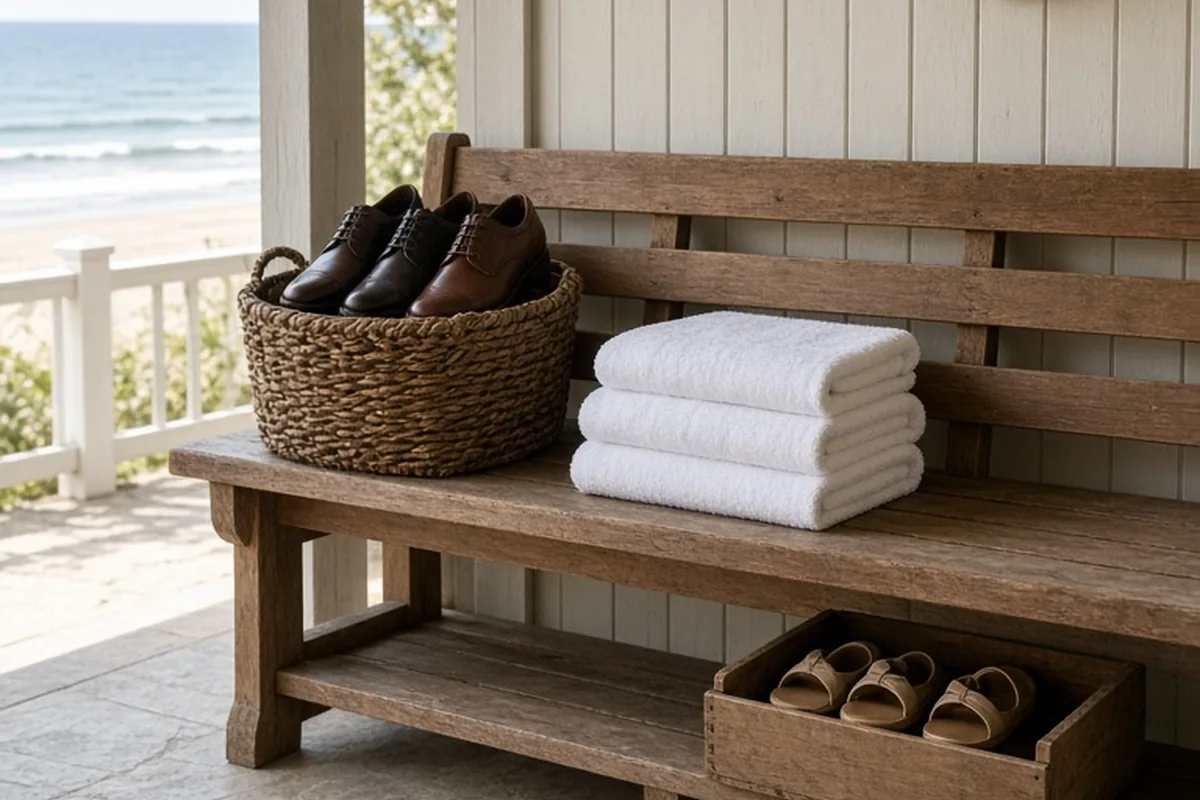
Footwear and grooming decisions must adapt directly to the terrain. High stilettos present a safety hazard on both sand and weathered wooden boardwalks. Offer bridal party members and guests functional options, such as block heels, low wedges, dressy leather espadrilles, or barefoot leather sandals. Setting up a dedicated footwear station near the entrance—complete with a bench, a basket for dress shoes, comfortable flip-flops, and small towels to wipe away dry sand—instantly improves guest comfort. For hair and cosmetics, humidity-resistant primers, waterproof eye products, and swept-up hairstyles prevent shoreline moisture and wind from tangling hair across faces during ceremony photography.
Solving Sound Engineering Challenges Beside Crashing Waves and Shoreline Winds
The ambient acoustic volume of breaking surf routinely hits seventy to eighty decibels, creating continuous white noise that easily swallows spoken vows and gentle acoustic music. Many couples underestimate how quickly unamplified sound dissipates across open water and dunes without architectural surfaces to reflect it. Relying on an officiant to simply speak loudly will leave guests beyond the first two rows unable to hear exchange of promises. A dedicated coastal audio setup is essential, even for gatherings as small as thirty to forty people.
Ensure your sound technician or DJ employs cardioid microphones fitted with high-density foam screens or artificial fur wind muffs, often referred to in broadcasting as deadcats, which filter out wind buffeting without distorting human speech. Lapel microphones pinned directly to jackets must be angled away from direct shoreline gusts, while handheld wireless microphones provide a reliable alternative for readings. Position directional speakers at an angle facing back toward the seated guests rather than toward the open ocean, keeping sound focused within the seating area. If local beach codes prohibit gas generators due to noise and environmental contamination, contract a sound vendor experienced with silent battery power stations.
Curating a Coastal Menu That Withstands Ambient Heat and Salt Air
Ocean weddings naturally inspire seafood-forward menus, but food safety and temperature stability require careful management under outdoor coastal conditions. Raw seafood displays, such as oyster bars and tuna crudo, spoil rapidly when exposed to direct sun, ambient humidity, and insects. If serving chilled seafood during cocktail hour, arrange for passing by service staff rather than static open buffets, or place platters atop deeply recessed ice displays sheltered beneath a canopy. Staggered, small-batch food service ensures that cold proteins remain food-safe without sitting unrefrigerated on tables.
For plated dinner courses, lean into fresh coastal ingredients that remain resilient across varying service intervals. Grilled sea bass, citrus-poached prawns, seared scallops, crab cakes, and salt-crusted tenderloin hold up far better than fragile cream-based sauces that risk separating in coastal warmth. Beverage stations should feature bright, hydrating flavor profiles alongside alcoholic offerings. Cold welcome waters infused with cucumber, mint, and sea salt, accompanied by sparkling citrus coolers, help counteract sun exposure before the ceremony begins. In cocktail design, botanical gins, crisp rums, tequila, and sea-salt rims mirror the surrounding maritime landscape while keeping service refreshing.
Illuminating Waterfront Receptions as Day Transitions to Darkness
The ocean functions as an immense dark void after twilight, absorbing ambient light rather than reflecting it back onto your event space. Once the sun dips below the horizon, an open coastal setup that felt luminous during the afternoon can quickly turn disorienting and dim. Developing an intentional, layered lighting scheme preserves visibility, guides foot traffic safely, and maintains a warm visual intimacy as nighttime arrives. Rely on overhead bistros, fairy light canopies, warm LED floodlights directed into perimeter foliage, and lanterns spaced along walkways to clearly delineate paths.
In many coastal regions, nighttime illumination is subject to strict wildlife conservation ordinances, particularly during sea turtle nesting seasons. Bright, unshielded white or blue lights disorient newly hatched turtles and nesting mothers, drawing them away from the water. Municipalities may mandate warm amber or red low-wavelength lighting, shielded ground fixtures, or blackout curtains on ocean-facing windows of coastal venues. Before purchasing or renting high-output floodlights, verify local coastal conservation lighting laws to ensure compliance, protect local ecosystems, and avoid municipal fines or forced shutdowns mid-reception.
Frequently asked questions
How far in advance should I apply for an outdoor beach wedding permit?
Apply for public beach permits six to twelve months prior to your target wedding date. Municipalities and national seashore authorities often open calendar windows on fixed cycles, and peak summer dates book out rapidly. Starting early also gives you ample time to submit required certificates of liability insurance and secure approval for sound or canopy structures.
What is the best time of day to schedule an oceanfront ceremony?
Late afternoon, approximately two hours before sunset, is generally ideal for an ocean ceremony. This timing avoids the intense overhead glare and high midday temperatures that cause squinting in photos and guest discomfort. It also allows you to transition smoothly from comfortable ceremony light into golden hour portraits and evening dining.
How can we keep guests comfortable during an oceanfront service?
Anticipate the physical elements by setting up a hospitality welcome table at the entrance. Provide mineral sunscreen, wooden fans, chilled water, sunglasses, and parasols for sun protection. If conditions turn breezy or drop in temperature toward evening, offering light linen throws or fleece shawls helps guests remain comfortable throughout the event.
Can we hold our dinner and dancing directly on public sand?
While theoretically possible, hosting a full sit-down dinner and dance floor on public sand is rarely practical. Moving commercial kitchen gear, heavy dining tables, and dance flooring onto sand requires specialized labor, extensive permits, and heavy power sources. Most couples host a sand ceremony and transition to a nearby beachfront lawn, terrace, or hall for the reception.
Your next step
Obtain your regional tide table and local municipal park permit regulations for your chosen date before signing nonrefundable contracts with outdoor beachfront vendors.